
Empire® Zoysia is a variety of Zoysia japonica known for its excellent wear tolerance, reduced mowing and chemical applications and resistance to chinch bugs. Originally bred in Brazil, Empire not only tolerates—but thrives in warm, humid climates, making it ideal for Florida's diverse climates. As spring arrives, proper care is important to maintain a healthy Empire Zoysia lawn.
Spring Lawn Care Tips for Florida Empire Zoysia Lawns
Soil Testing & Adjustment
Begin by testing your soil for nutrient levels, focusing on phosphorus, which is not only typically high in Florida but also often regulated. This will inform your fertilization strategy to make sure your lawn gets the necessary nutrients without exceeding what's needed.
Fertilization Strategy
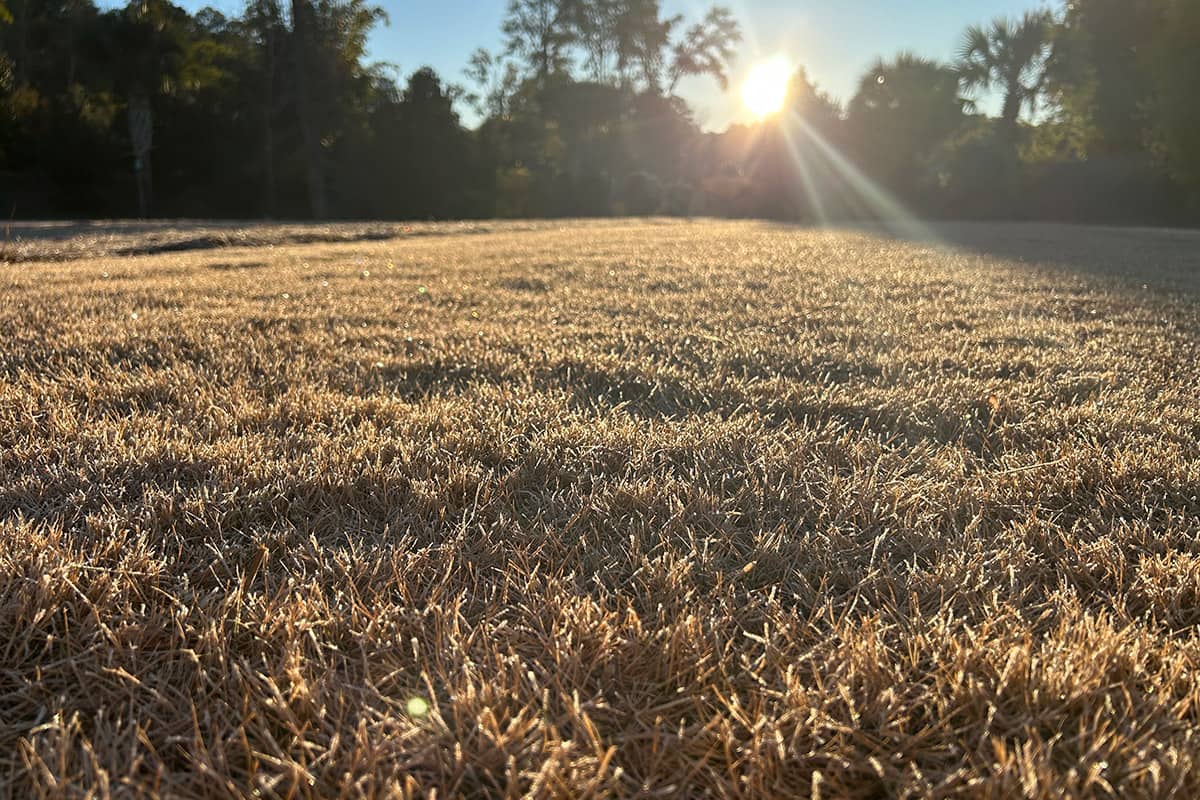
Two weeks following spring regrowth, apply a spring fertilizer to your Florida Empire lawn. Focus on providing balanced nutrition with an emphasis on nitrogen and potassium. Apply a slow-release fertilizer to support vigorous spring growth without risking frost damage.
Applying fertilizer too early might cause setbacks if an unexpected frost happens. Frost dates in Florida vary by location:
- North Florida: typically early to mid-April
- Central Florida: typically early to mid-April
- South Florida: year-round
We suggest the Lawnifi Spring Fertilizer Box as the best lawn fertilizer for spring, which provides tailored nutrition to help your grass recover from winter and thrive in spring. Each application covers 5,000 sq. ft. and is designed for easy use with a hose-end sprayer.
Mowing Practices
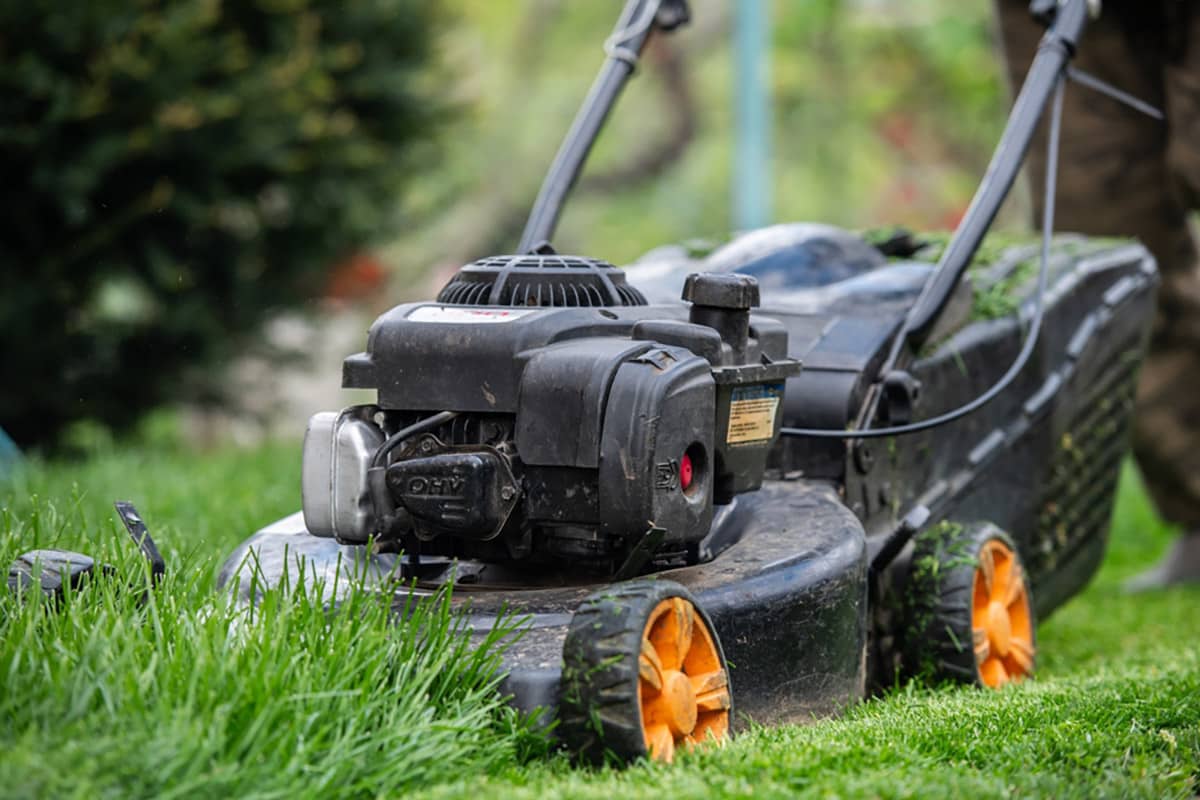
Empire should receive its first "buzz-cut" of the season by dropping your mower down a notch lower than normal to remove winter debris and dead tissue. This sets the stage for vigorous spring growth. Bag up all the material to keep excess clippings from clumping or causing disease.
After your initial “buzz-cut,” begin mowing your zoysia grass to a height of 1–2 inches. At this point, you can return to spreading your mower clippings on the lawn.
To prevent stress, always remove no more than one-third of the blade height in a single mow. Use a sharp, well-adjusted rotary or reel mower for a clean cut, which helps prevent disease.
Spring Watering
As spring arrives, it’s best to conduct an irrigation audit to make sure water is being delivered in appropriate amounts to different areas of your lawn.
Maintaining sprinklers is key. Lawns typically need 1 inch of water per week unless adjusted for weather conditions. Overwatering can lead to shallow roots and lawn problems, while deep, infrequent watering promotes healthier, resilient roots.
Efficient watering, particularly early in the morning, reduces evaporation and minimizes disease risks.
Empire Thatch Management
Zoysia grasses, including Empire, are prone to developing thatch over time. Thatch accumulation can be problematic if not managed, especially in overwatered and overfertilized lawns. If thatch exceeds 1 inch, consider dethatching during active growth phases to facilitate recovery and prevent damage.
Weed Control Strategies
Preventive Care:
Apply a pre-emergent herbicide when soil temperatures consistently reach about 55 degrees Fahrenheit to stop weed seeds from germinating. For the most effective control, apply:
- South Florida: typically around February 1
- Central Florida: typically around February 15
- North Florida: typically around March 1
Active Management:
Use post-emergent herbicides to tackle visible weeds like dandelions and crabgrass. Ensure selective herbicide use, as non-selectives will kill any and all vegetation it comes into contact with
Apply post-emergent weed control throughout the spring as needed to control summer annual and perennial broadleaf weeds like:
- Crabgrass
- Goosegrass
- Sandspur
- Dallisgrass
- Dandelion
- Chickweed
- White Clover
- Knotweed
- Spurge
- Dollarweed
- Doveweed
- Lespedeza
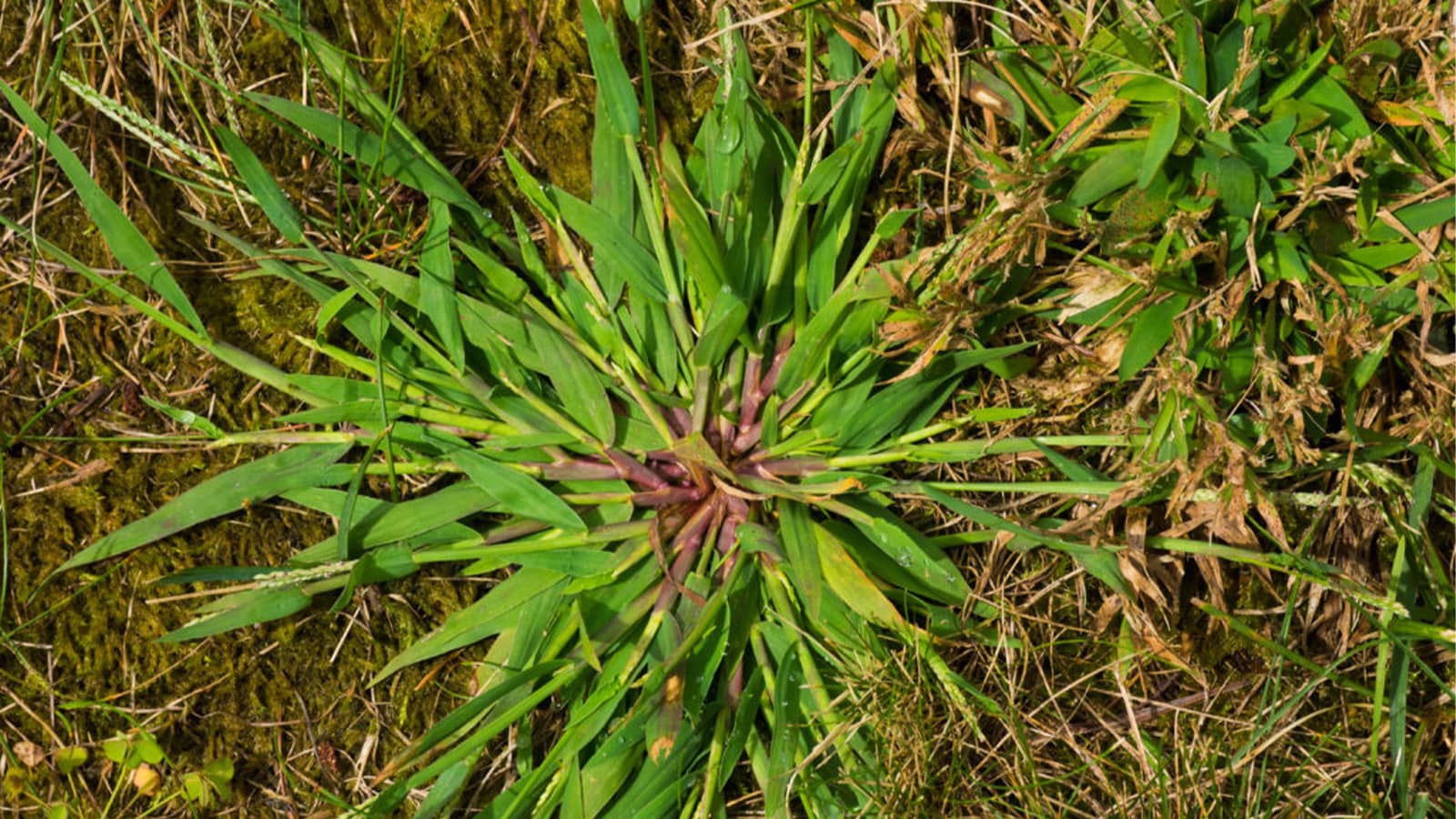
Post-emergent products containing multiple broadleaf active ingredients, like SpeedZone Broadleaf Herbicide for Turf, are the best spring lawn treatments because they’re more effective in controlling broadleaf weeds.
If you start to notice grassy weeds such as crabgrass or goosegrass, post-emergents like Quintessential will treat them. Be sure to follow product labels for any control product appropriately during application.
Aerate Your Empire
Why Aerate?
Aeration helps relieve soil compaction, allowing roots to breathe and absorb nutrients more effectively.
Best Practices:
Aerating is best done during your lawn’s peak growing season.
Spring Diseases to Watch Out For
To prevent these diseases, it's important to maintain balanced moisture levels through appropriate watering and aeration techniques.
Watch for diseases such as large patch, dollar spot and rust, which thrive in moist, warm conditions. Manage these issues by controlling moisture and avoiding excessive nitrogen. Use fungicides judiciously, following manufacturer guidelines.
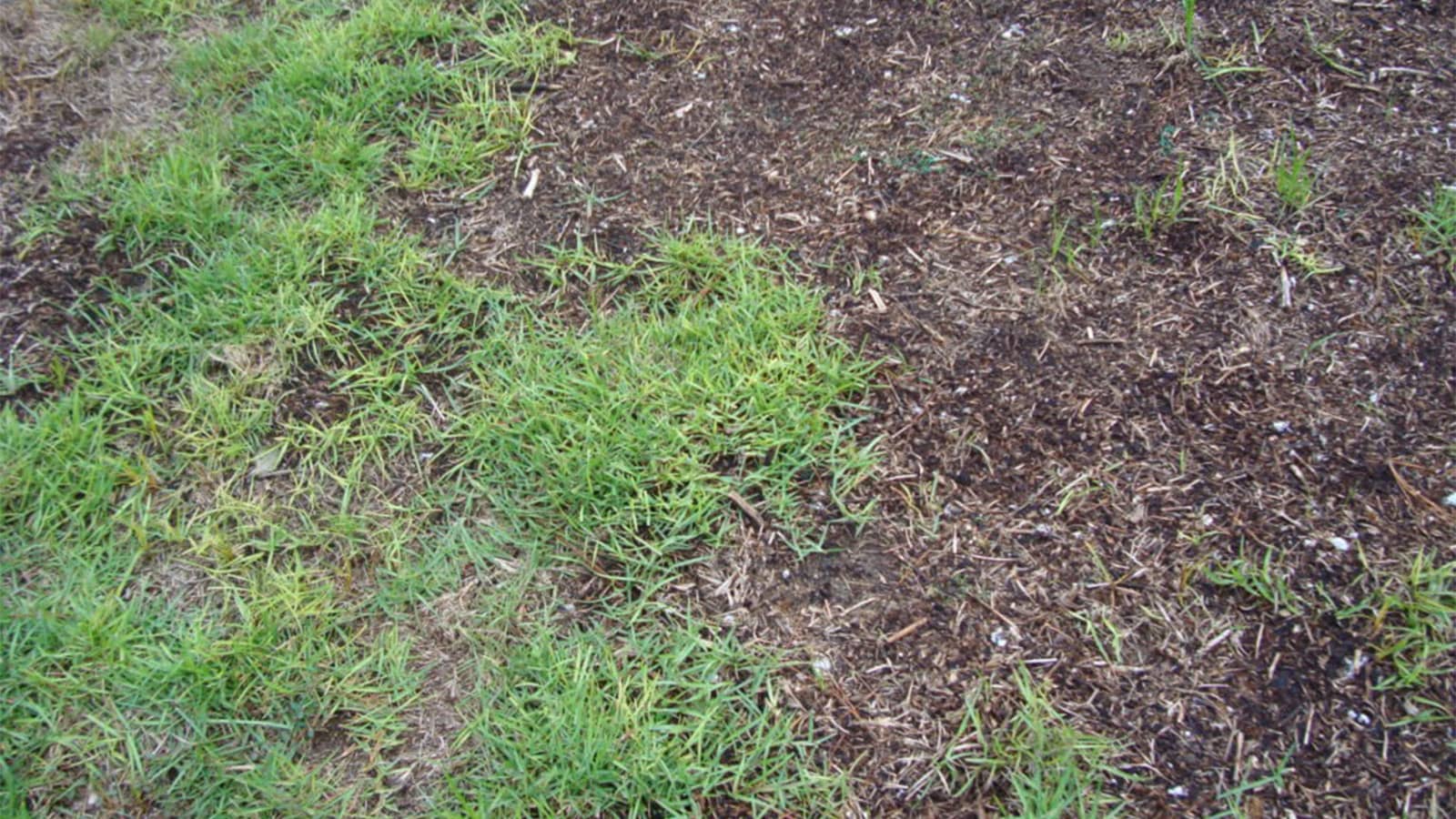
For effective management, consider using a systemic disease control product such as Heritage G or Propiconazole, preferably as a preventive measure if you've faced similar issues in previous seasons.
It's essential to apply fungicide treatments before spring fertilization, as the nitrogen in fertilizers can promote fungal growth. To help prevent the spread of disease, delay fertilization by a few weeks after applying the disease control product.
Also, diseases that damage the roots, like take-all root rot, can stop your lawn from getting the water it needs properly. And remember, if you’re using a product to fight fungus, try not to use the same one more than twice in a row to avoid the disease getting resistant to it.
Pest Management in Florida Empire Lawns
Watch for pests like the hunting billbug, which damages roots causing irregularly shaped patches of dead grass. If your lawn still looks dry in the spring even though you're watering it properly, it might be due to insects or disease.
Watch out for pests like mole crickets or billbugs.
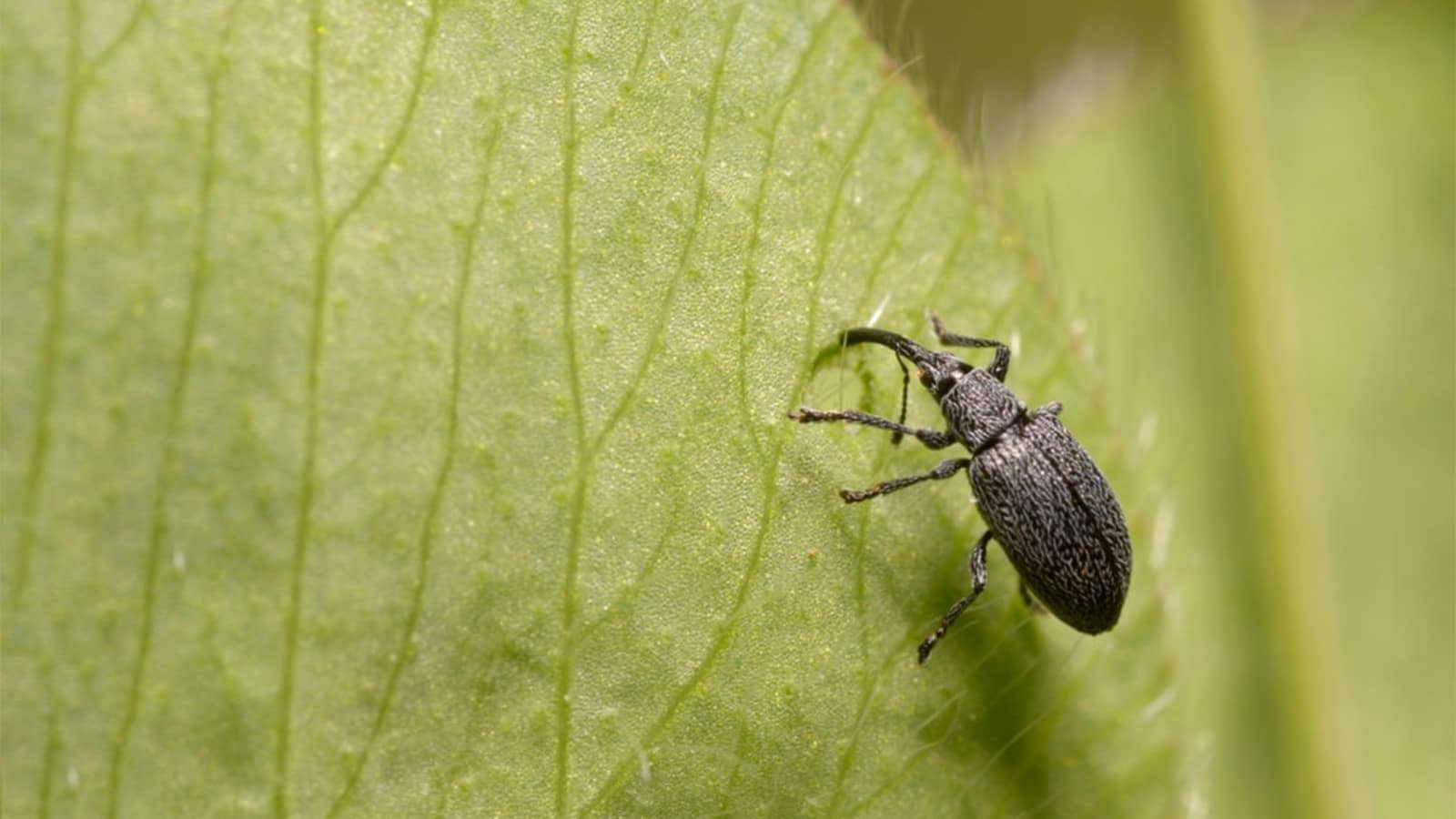
To keep these pests in check, regularly check your lawn and use insecticides when necessary, such as bifenthrin. A simple soap flush test can help you spot mole crickets.
Filling in Bare Spots
Spring is an ideal time to use grass plugs to address bare spots or thin areas in your lawn. For the most uniform look, stick with Empire Zoysia plugs that match your existing lawn.
What should I do in the spring for my Florida Empire lawn? - Answered
- Soil Testing & Fertilization: Conduct soil tests annually to adjust your fertilization strategy. Start applying fertilizers like the Lawnifi Spring Fertilizer Box in early April, based on your region's frost dates.
- Mowing: Begin the season with a buzz-cut to remove winter debris. Then, maintain a height of 1–2 inches, ensuring no more than one-third of the blade is cut at once.
- Watering: Perform an irrigation audit to optimize water use. Aim for 1 inch per week, adjusting for rainfall to avoid overwatering.
- Thatch Management: Dethatch if buildup exceeds 1 inch to ensure healthy growth.
- Weed Control: Apply pre-emergent herbicides when soil temperatures reach 55 degrees Fahrenheit, and post-emergent herbicides for visible weeds.
- Aeration: Aerate during peak growth to relieve soil compaction and promote root health.
- Disease Management: Monitor for diseases like large patch and rust, using fungicides judiciously, especially before fertilization.
- Pest Management: Watch for pests like the hunting billbug and treat with specific insecticides like bifenthrin as needed.