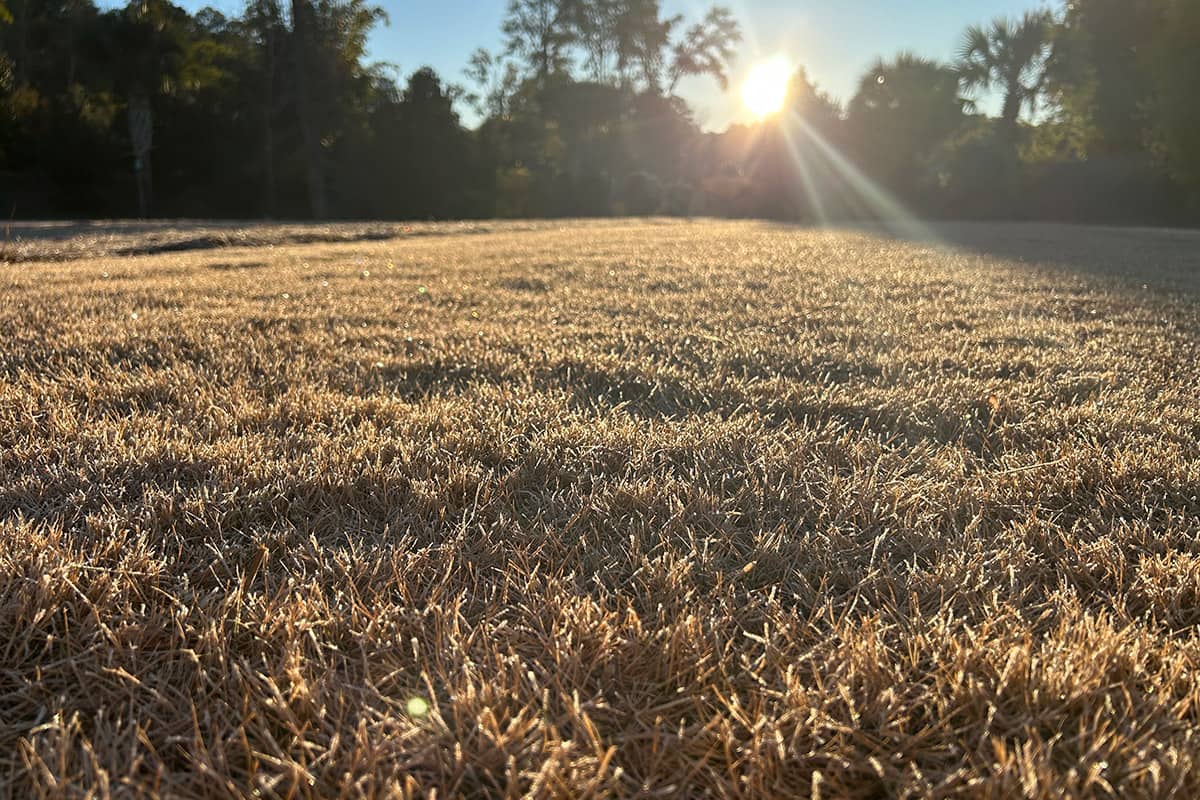
Shredded grass blades and spreading brown patches could be telltale signs that sod webworms are on the attack. These stealthy, night-feeding caterpillars feast on your lawn under the cover of darkness, causing damage that’s often mistaken for drought or disease.
Act fast, because once they hatch, they multiply quickly and can wipe out entire sections of turf before you know it. In this guide, you’ll learn how to identify, treat and prevent sod webworm infestations with expert tips and proven products so your lawn can stay green, thick and pest-free all season long.
✅ Quick Answer
To control sod webworms, confirm their presence with a soap flush test and treat affected areas using a Spinosad-based insecticide, applied in the late afternoon when larvae are actively feeding.
Prevent future infestations by mowing at the correct height, avoiding over-fertilization, reducing thatch buildup and turning off outdoor lights at night to discourage moth activity.
What You'll Find in This Article:
- What Are Sod Webworms?
- What Do Sod Webworms Look Like?
- How to Identify Sod Webworm Damage
- Sod Webworm Life Cycle & Seasonal Activity
- Diagnosis Guide: Is It Sod Webworms, Drought, or Disease?
- Soap Flush Test: Step-by-Step
- Where to Find Sod Webworms in Your Lawn
- Best Ways to Treat Sod Webworm Infestations
- Prevention Tips to Keep Sod Webworms Away
- FAQs About Sod Webworms
What are sod webworms?
Sod webworms are small lawn-damaging caterpillars that feed on grass blades often leaving behind thinning grass, notched grass tips and straw-colored patches. These pests are actually the larval stage of a small, tan moth that’s often seen flitting low across lawns at dusk.
There are several species of sod webworms found throughout the U.S., but the most common ones impacting home lawns include:
- Tropical sod webworm – most damaging in the Southeast and tropical climates
- Bluegrass webworm – found in northern and central regions
- Sod webworm (Crambus spp.) – found across much of the U.S. in various turf types
Here’s what you need to know:
The tropical sod webworm is the primary threat to warm season grasses in the Southeast, including Florida, the Gulf Coast and southern Texas. It thrives in hot, humid conditions and is especially problematic in newly established turf.
These caterpillars prefer warm season grasses like St. Augustine, zoysia, centipede, bermuda and seashore paspalum, but they don’t stop there. In cooler regions, other sod webworm species may also target bentgrass and bluegrass varieties.
👉 In this article, we’ll focus mainly on the tropical sod webworm—because if you live in the South, this is the one most likely chewing up your lawn.
Let's discuss tropical sod webworms, a lawn caterpillar that primarily damages turf in the southeastern U.S., as well as tropical regions like Hawaii, Puerto Rico, Guam, Jamaica and Australia.
Active mainly from May to July and again in the fall, they can be year-round pests in the southernmost areas, with a peak season from September to November. They favor newly established warm-season turfgrass in lawns, parks, commercial landscapes, sports fields and golf courses, and should not be confused with fall armyworms or black cutworms.
What does a sod webworm look like?
Tropical sod webworms go through several stages, but it’s the larvae (caterpillars) that do the real damage. While the adult moths are more visible, it’s their hungry offspring that feast on your lawn.
Larvae (Caterpillars):
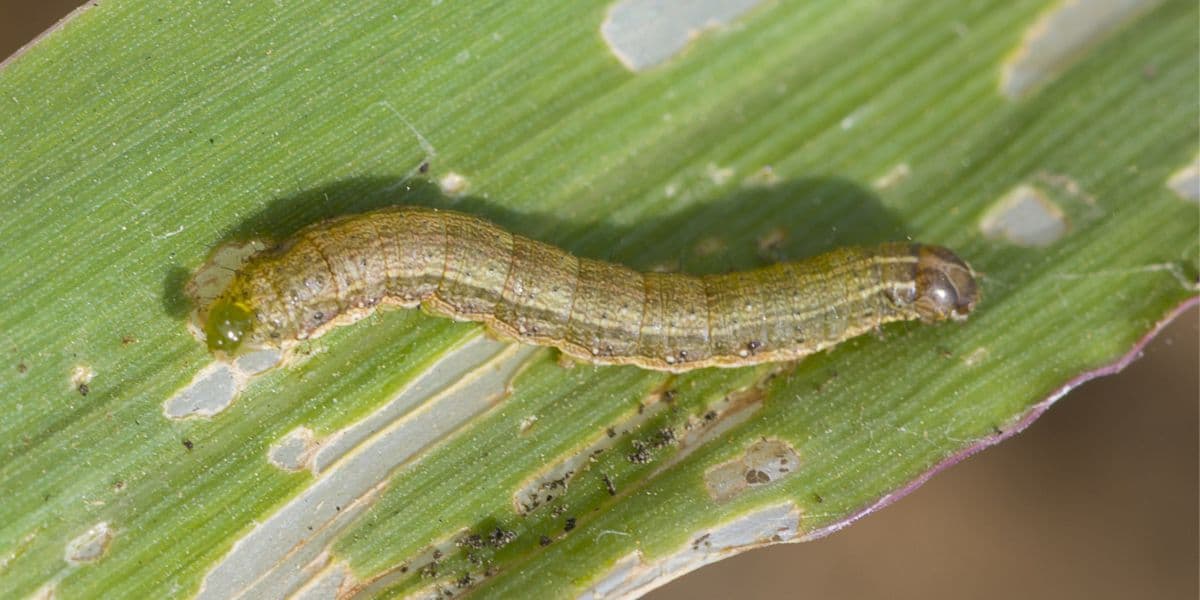
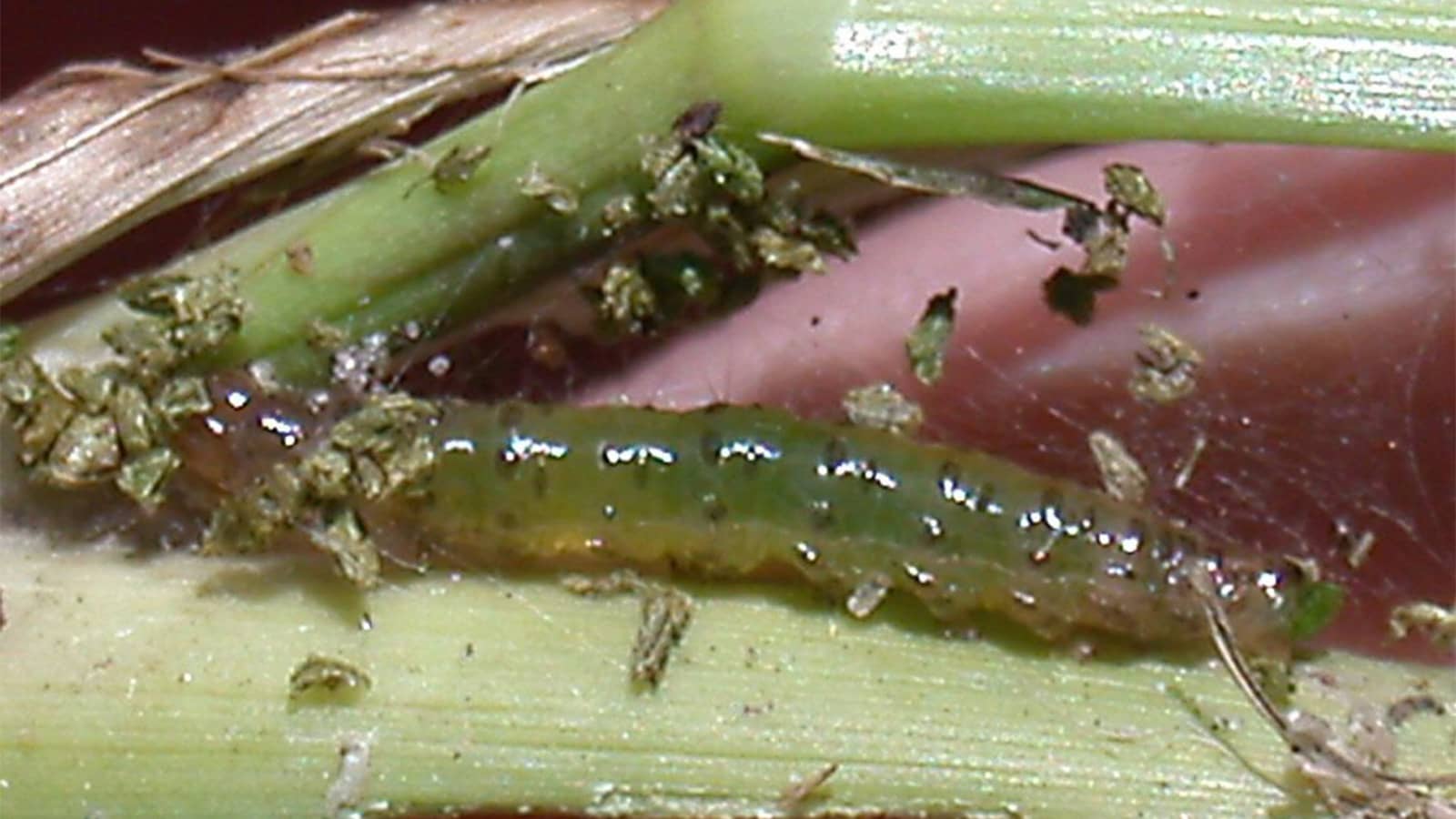
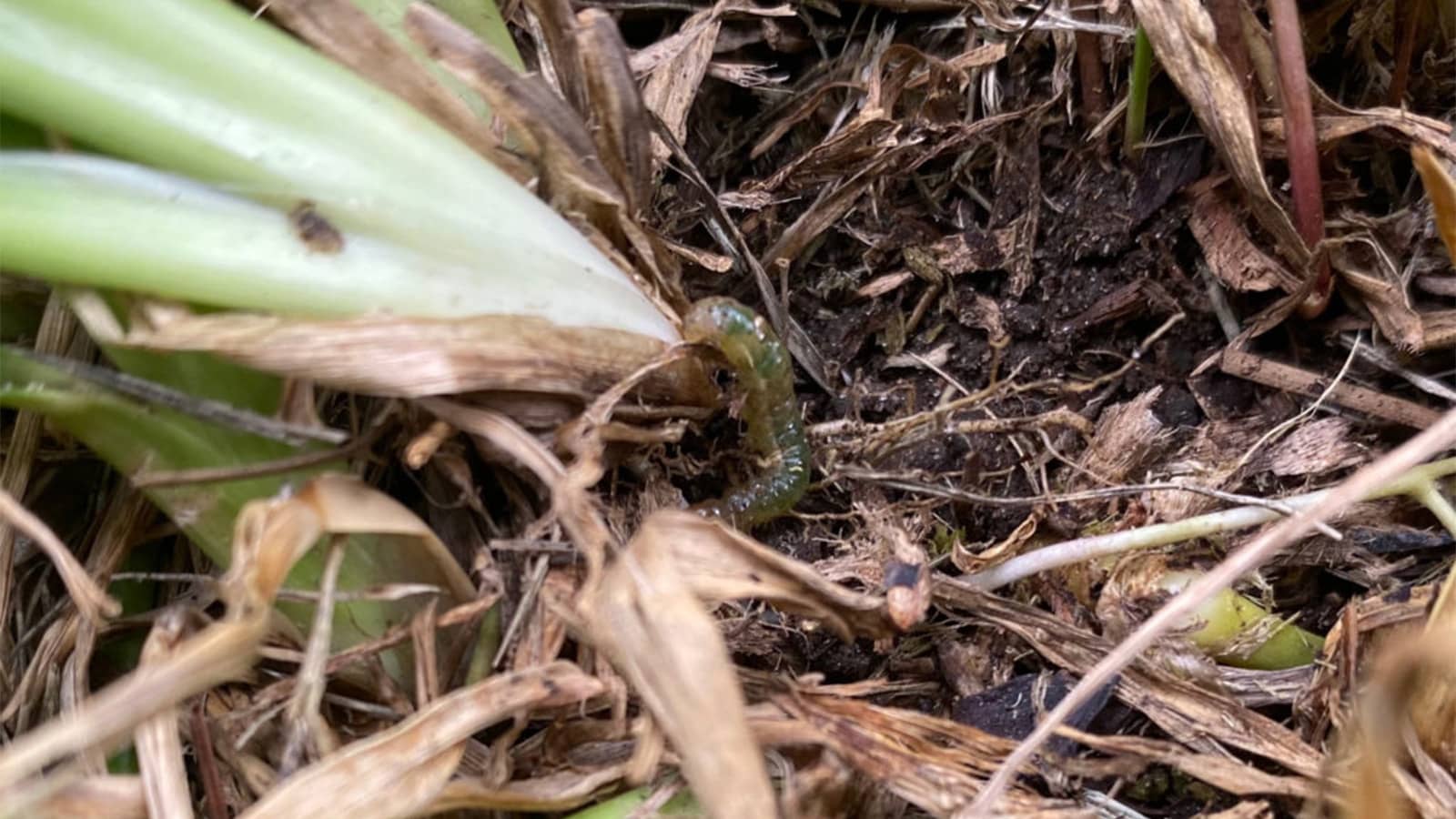
- Color: Light green to grayish-tan with faint stripes and four rows of small, dark spots along their back
- Size: Up to 1 inch long when fully grown
- Behavior: Curl into a C-shape when disturbed and hide in thatch during the day
- Other clues: Often surrounded by small green droppings called frass (aka caterpillar poop)
Adult Moths:
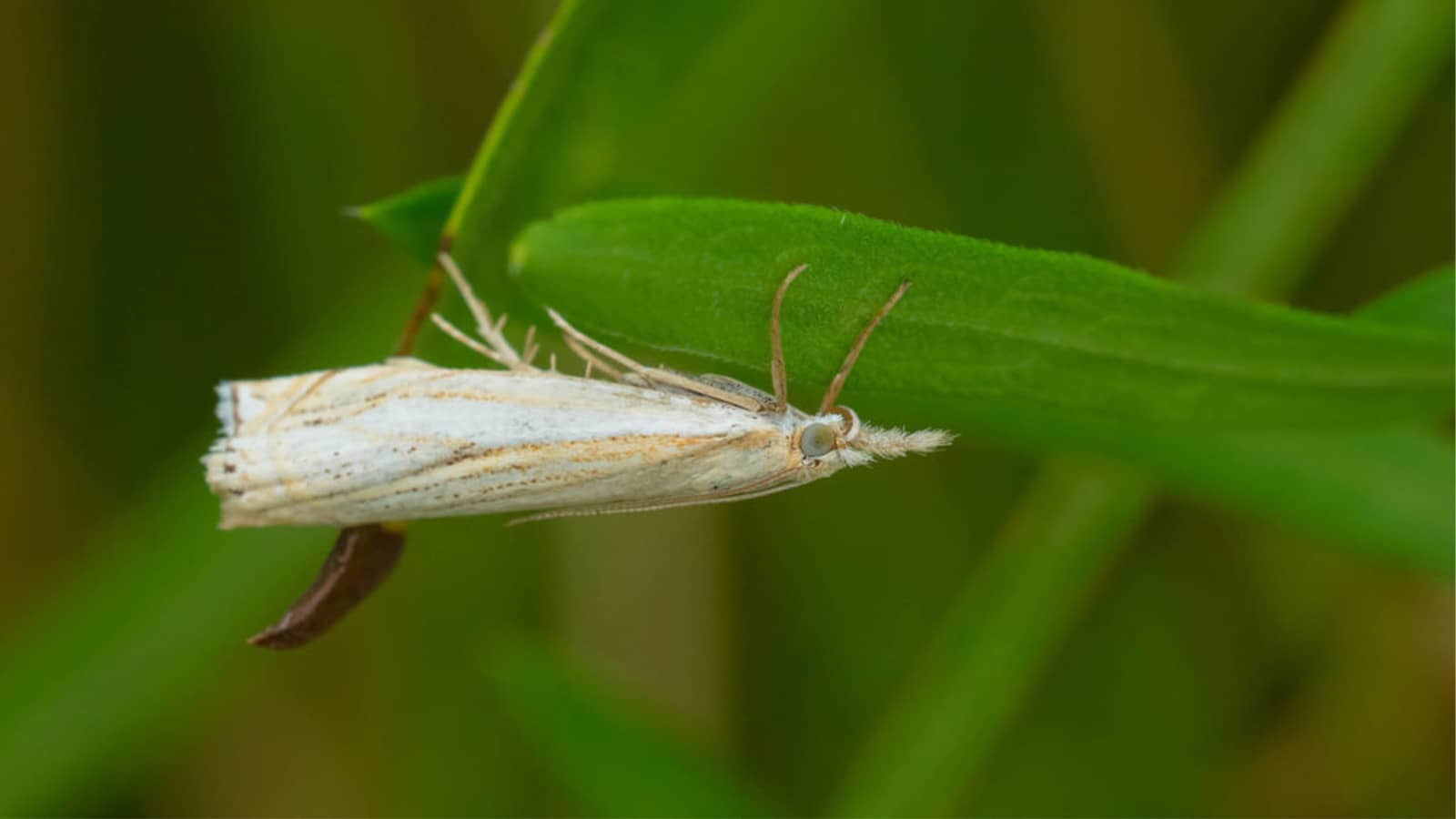
- Color: Beige to light tan
- Wingspan: About 3/4 inch
- Appearance: Hold wings in a rolled "tube" shape when at rest
- Behavior: Fly low over the grass at dusk and lay eggs on grass blades
Tip: Larvae are active at night and hide during the day, so for best results, use a soap flush test or inspect lawns in the evening.
How to Identify Sod Webworm Damage
These pests thrive in:
- Newly established or stressed lawns
- Warm season grasses like St. Augustine, zoysia, bermuda grass and centipede
- Lawns with a moderate thatch layer
- Hot, humid weather with nighttime activity
How Sod Webworms Damage Grass
Here’s how they attack your lawn:
- Larvae feed on grass blades, starting with the top layer
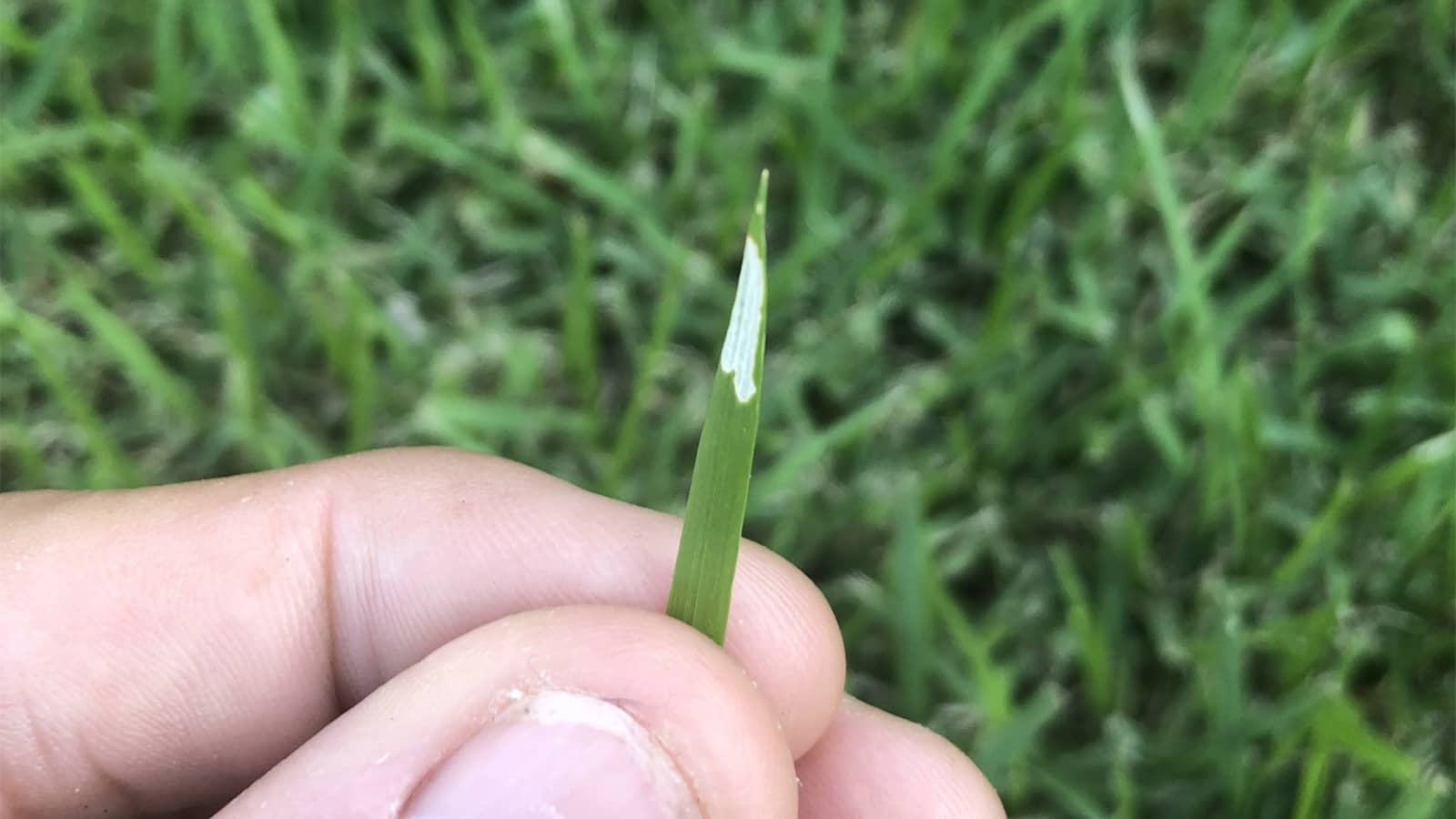
- Young caterpillars skeletonize the blades, leaving behind transparent tissue
- Older larvae chew notches into the edges of the blades
- Feeding weakens the grass canopy, leading to thin or brown patches
- Heavy infestations can strip turf almost overnight, especially in warm, moist weather
How to Spot Sod Webworm Damage
Early symptoms can be subtle and mistaken for dryness or dull turf color. If your lawn isn’t responding to water, take a closer look:
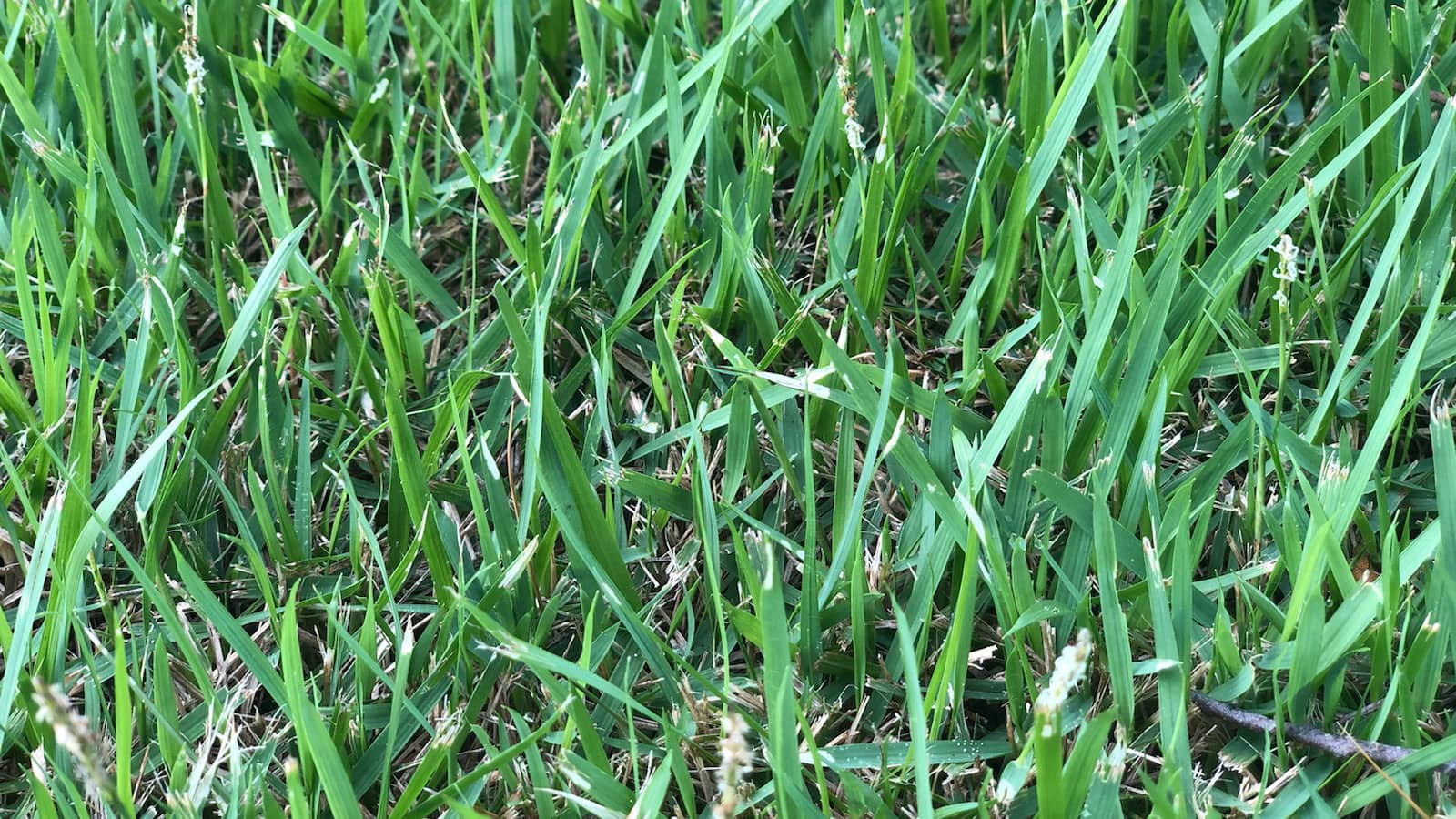
- Early signs: Thinning or faded grass with jagged, chewed blades
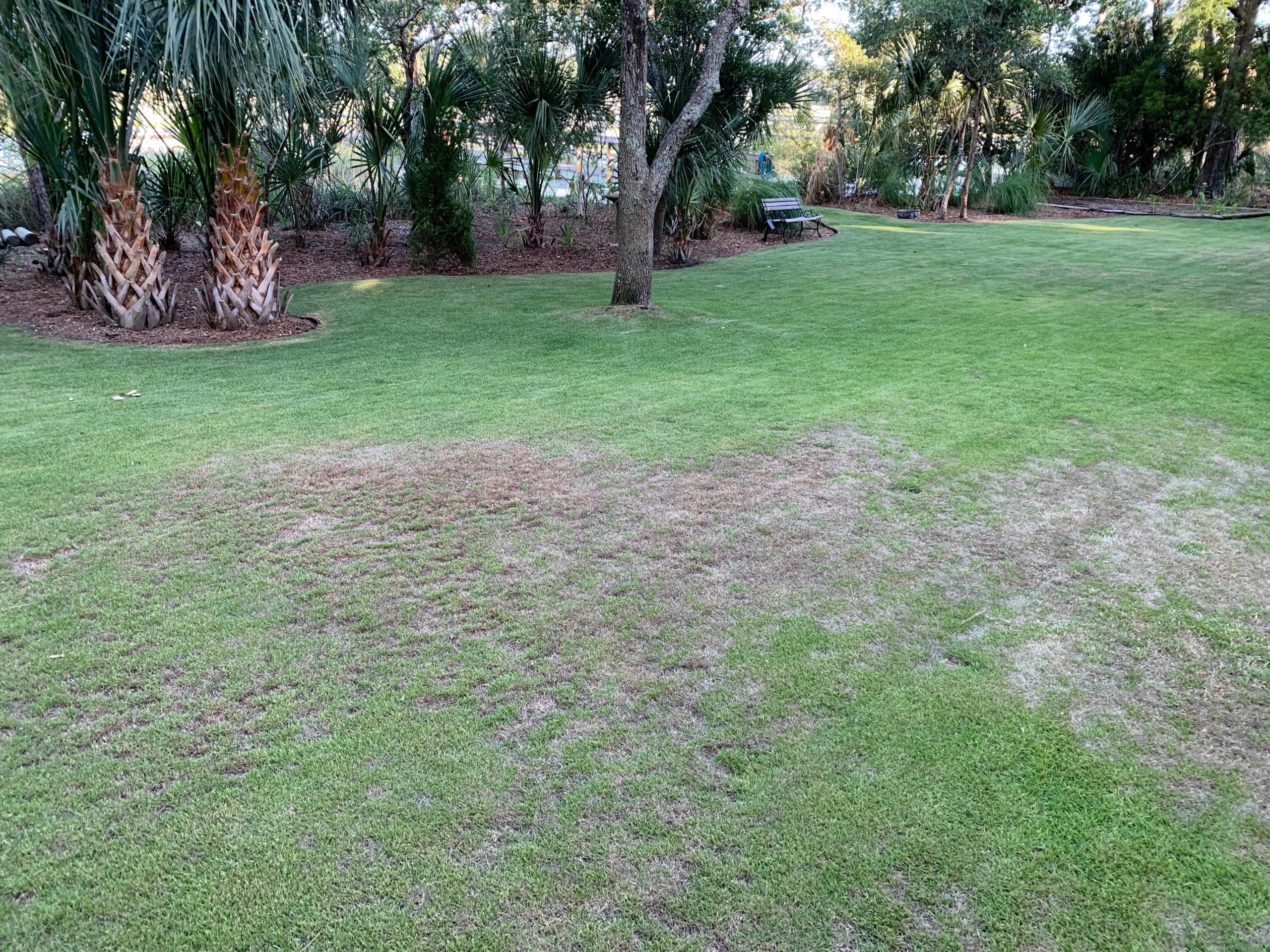
- Progression: Patches of grass turn yellow to brown, often with uneven edges
- Severe infestations: Large, straw-colored areas that expand quickly, especially after dusk
- Other clues:
- Grass blades look “transparent” or shredded
- Caterpillars may be hiding in thatch with visible frass (green droppings)
- Lawn moths may be seen fluttering low in the evenings
💡 Pro tip: Check for damage in the evening or early morning, when caterpillars are most active, and perform a soap flush test to confirm their presence.
Sod Webworm Life Cycle & Seasonal Activity
Sod webworms may turn into moths, but it’s the larval stage, not the adults, that does the most damage to your lawn.
Unlike chinch bugs, sod webworms go through complete metamorphosis:
Egg → Larva (caterpillar) → Pupa → Adult moth
Each stage plays a role in the pest cycle, but the caterpillars are the active feeders that chew through grass blades often at night while you sleep.
When Sod Webworms Are Active
Sod webworm activity depends on temperature and geography, but here’s the general timeline:
- Late spring (May–June): Eggs hatch as temperatures rise
- Summer through fall (July–November): Peak feeding season for larvae
- Early fall (September–October): Most noticeable lawn damage appears
- Year-round (southern regions): In warm climates like Florida, webworms may remain active all year with multiple generations
Warm, humid weather and newly laid sod create ideal conditions for rapid outbreaks. Since the moths can lay hundreds of eggs per generation, infestations can escalate quickly, especially if left untreated.
💡 Watch for damage in late summer and early fall, when sod webworm feeding typically peaks and your lawn may already be showing signs of stress.
Diagnosis Guide: Is It Sod Webworms, Lawn Disease, or Drought?
Sod webworm damage often mimics other common lawn issues like drought stress or fungal diseases. Since the larvae feed at night and hide during the day, spotting the real cause can take a little investigation.
Below: Compare symptoms of sod webworm infestations with large patch disease and drought stress.
| Feature | Sod Webworm Damage | Large Patch Disease | Drought Stress |
|---|
| Pattern | Irregular patches, often expand quickly | Circular patches with a defined outer edge | Even browning across large sections |
| Color Changes | Green → transparent → brown tips or blades | Brown center with yellow or orange halo | Straw-colored or pale yellow |
| Reaction to Watering | No improvement with irrigation | May worsen with overwatering | Improves quickly with consistent watering |
| Location in Lawn | Sunny areas, often near thatch or new sod | Shady, moist, or poorly drained areas | Anywhere receiving inconsistent moisture |
| Time of Year | Summer through fall (May–November) | Fall or spring | Any time during dry weather |
| Visual Clues | Skeletonized or chewed blades, green frass | Well-defined rings, possibly slimy or matted | Dry, brittle grass with no pest signs |
| Diagnosis Tip | Use a soap flush at dusk to reveal larvae | Look for fungal patterns, check soil moisture | Review irrigation habits and soil dryness |
When in Doubt, Test or Sample
If you're unsure whether sod webworms are the issue, try a soap flush test in the affected area to uncover larvae near the surface. This method is quick, affordable, and far more accurate than guessing.
💡 Pro tip: For a confirmed diagnosis, take a small turf sample—including soil and roots—and send it to your county extension office. It’s the best way to avoid misapplying treatments or wasting money on the wrong fix.
Soap Flush Test: How to Confirm Sod Webworms
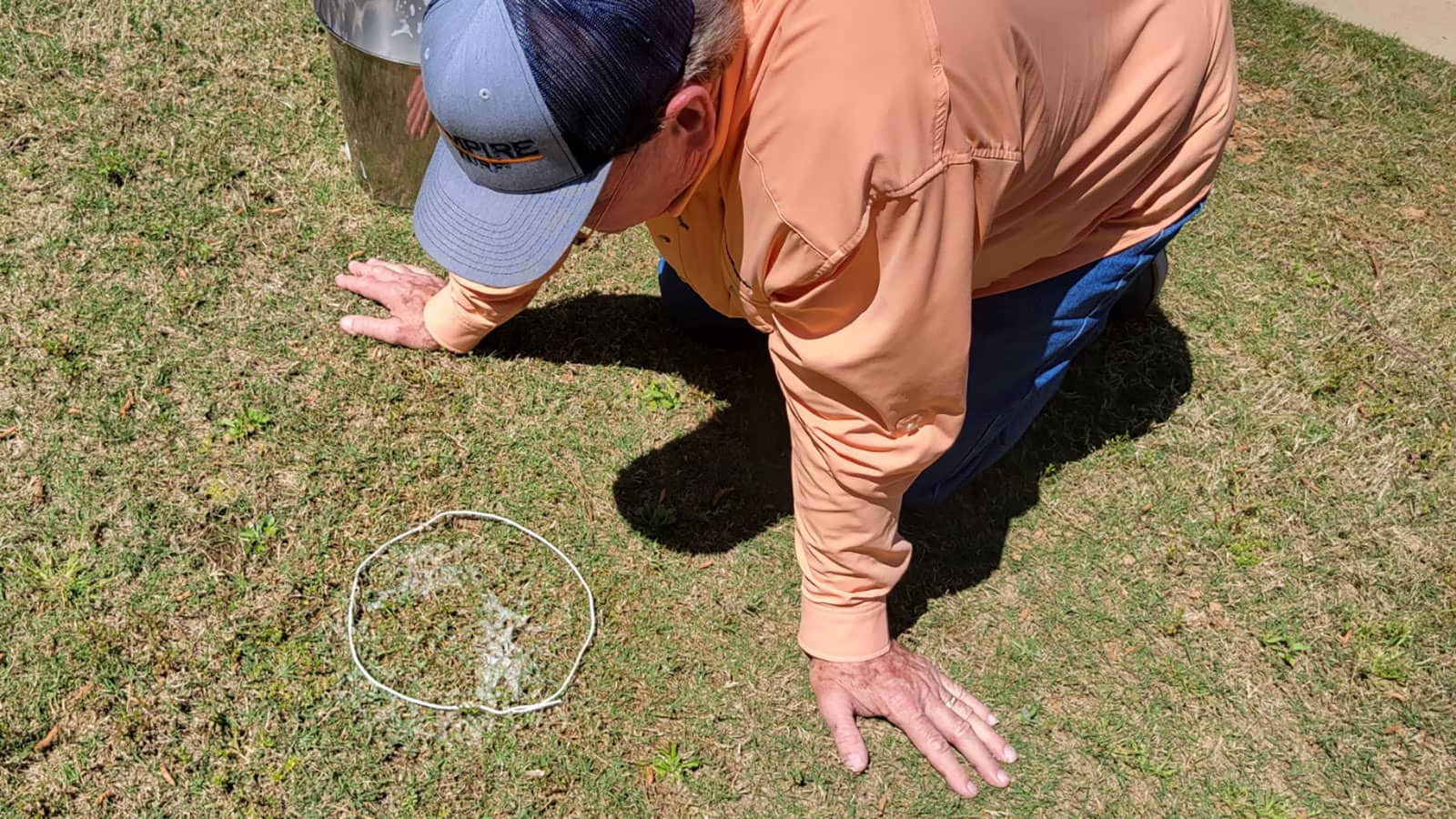
If you suspect sod webworms are behind your lawn damage, a soap flush test is a quick and effective way to confirm their presence—especially since these caterpillars hide during the day and feed at night.
What You’ll Need:
- An empty coffee can or a piece of PVC pipe (open on both ends)
- A can opener (if using a metal can)
- Water
- A few drops of mild dish soap (like Dawn, Ivory, or Lemon Joy)
Soap Flush Test Steps
Step 1: Use a can opener to remove both ends of a coffee can. If you're using PVC pipe, make sure it’s about 4–6 inches in diameter.
Step 2: Push the can or pipe about 2–3 inches into the soil where damage is visible. Dig a shallow hole first if needed to insert it more easily.
Step 3: Fill the cylinder three-quarters full with water and add a small squirt of dish soap.
Step 4: Let it sit for about 5–10 minutes.
Step 5: Watch closely—if sod webworms are present, the larvae will float to the surface or wriggle up from the thatch.
Step 6: Count how many appear. Seeing several caterpillars in one area is a strong sign that it’s time to treat.
💡 Tip: Perform this test in the late afternoon or early evening, when sod webworm larvae are most active near the surface.
Where to Find Sod Webworms in Your Lawn
Sod webworms aren’t always easy to spot during the day—but with a little patience and the right timing, you can catch them in the act.
Here’s how to increase your chances:
- Inspect in the late afternoon or early evening, when larvae emerge from the thatch to feed on grass blades.
- Focus on sun-exposed areas of your lawn, especially spots with newer sod or thinning grass.
- Part the grass with your fingers and check just below the surface, especially in thatch-heavy zones. Look for tiny green pellets (called frass)—a clear sign that larvae are nearby.
- Use a flashlight at dusk to watch for caterpillars chewing on blades.
- Adult moths may also be seen fluttering low over the lawn at twilight—they’re harmless, but a signal that eggs may have been recently laid.
💡 Tip: Sod webworm caterpillars hide in small burrows or thatch by day and curl into a tight C-shape when disturbed. If you spot one, check the surrounding area—there are likely more nearby.
And don’t worry—sod webworms won’t bite or sting. You can safely inspect your lawn up close without any risk.
Best Ways to Treat Sod Webworm Infestations
Cultural Control
Before reaching for insecticides, start with a few lawn care practices that can discourage sod webworms and help your grass recover from mild damage. While cultural methods alone won’t eliminate a full-blown infestation, they can reduce caterpillar populations and support healthier turf.
Mow at the Right Height
Keeping your grass trimmed to the correct height helps limit thatch and exposes larvae hiding near the surface. Check out proper mowing heights for each grass type here.
Reduce Thatch Buildup
Thatch acts as a daytime hiding place for sod webworm larvae. Removing it helps expose them to predators and makes your insecticide treatment more effective.
To dethatch your lawn:
- Use a rake or dethatcher tool, especially in spring or early summer
- Focus on areas that feel spongy or matted underfoot
- Perform dethatching at least once a year if buildup is present
Avoid Overwatering and Over-Fertilizing
Too much nitrogen can actually encourage sod webworm outbreaks. Instead:
- Water deeply but infrequently—about 1 inch per week, including rainfall
- Fertilize according to your turf type and season (programs like Lawnifi can help)
Chemical Control
If lawn damage is spreading quickly and larvae are confirmed with a soap flush test, it’s time for a targeted insecticide.
Use Natural Guard Spinosad for Safe & Effective Treatment
Natural Guard Spinosad is the go-to product for sod webworm control. It’s a biological insecticide that targets caterpillars while being gentle on beneficial insects.
When to apply:
- Treat in the late afternoon or early evening, when larvae are feeding near the surface
- Reapply according to label directions if new generations appear
Why Spinosad Works
✅ Targets sod webworm larvae directly
✅ Safe for use around kids and pets once dry
✅ OMRI-listed for organic gardening
✅ Works fast when applied during active feeding times
❌ Not a preventive. Best used at the first sign of damage
❌ May require follow-up applications in heavy infestations
💡 Pro tip: Always follow the label instructions carefully and avoid applying in the heat of the day. Spinosad works best when timed with larval feeding patterns.
Prevention Tips to Keep Sod Webworms Away
The best defense against sod webworms is early prevention. While the most visible damage often appears in late summer and fall, these pests can become active as early as May in warmer regions. That’s why it’s smart to begin prevention efforts in late spring or early summer, before larvae start feeding.
Healthy, well-maintained turf is less attractive to sod webworms and more capable of bouncing back from minor damage.
Smart Prevention Starts With Lawn Care:
- Mow at the proper height for your grass type to reduce thatch buildup
- Avoid over-fertilizing, especially with high-nitrogen products
- Water deeply but infrequently to strengthen grass roots
- Turn off outdoor lights at night, which can attract adult moths to lay eggs in your lawn
Support Lawn Health with Fertilizer
While fertilizer doesn’t kill chinch bugs, it plays an important role in helping your lawn recover and stay strong under stress.
Consider a program like Lawnifi®, which delivers nutrients your grass needs—when it needs them.
With Lawnifi, you can:
- Subscribe to receive seasonal fertilizer boxes
- Purchase each box individually based on your lawn’s schedule
- Improve your lawn’s resilience and recovery after pest or drought damage
Sod Webworm FAQs
Treat your lawn with a Spinosad-based insecticide in the late afternoon when larvae are feeding. Follow up with good lawn care to prevent reinfestation.
Apply Natural Guard Spinosad to affected areas, especially in the evening. Soap flush tests can help confirm active larvae before treatment.
Sod webworms are the larvae of small moths that chew grass blades, causing brown patches and thinning grass. They’re most active at night and hide in the thatch during the day.
Triazicide may provide some control, but Spinosad is a more targeted and effective option specifically for sod webworm larvae.
Use Spinosad, an organic insecticide derived from soil bacteria, and encourage beneficial predators like birds and earwigs. Avoid over-fertilizing and reduce thatch to disrupt their habitat.
Yes, grass can recover if the root system is still healthy. Prompt treatment and proper fertilization help speed up regrowth.
No, sod webworms are caterpillars (larvae of moths), while grubs are beetle larvae. They damage lawns in different ways and require different treatments.
In colder climates, they die off or go dormant in winter. In southern regions, they may persist year-round with multiple generations.
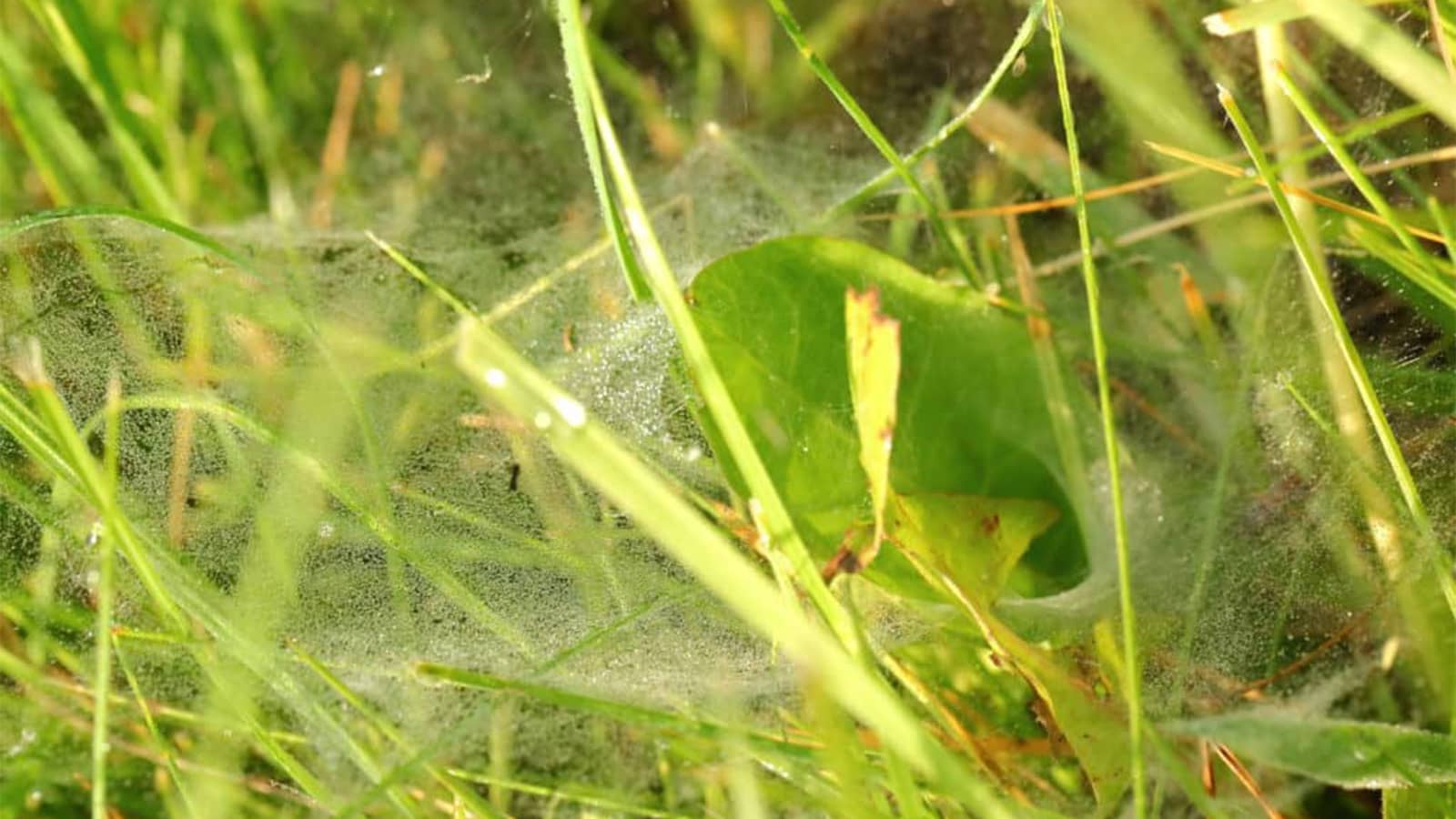
Not exactly—they don’t spin visible webs, but they do create silk-lined burrows and tunnels in the thatch layer.
Yes, they are the larval stage of small moths that lay eggs in lawns.
Bifen may offer limited control, but Spinosad is more effective against active caterpillars.
No, GrubEx is formulated to kill beetle grubs and is not effective against sod webworms.
Sources: