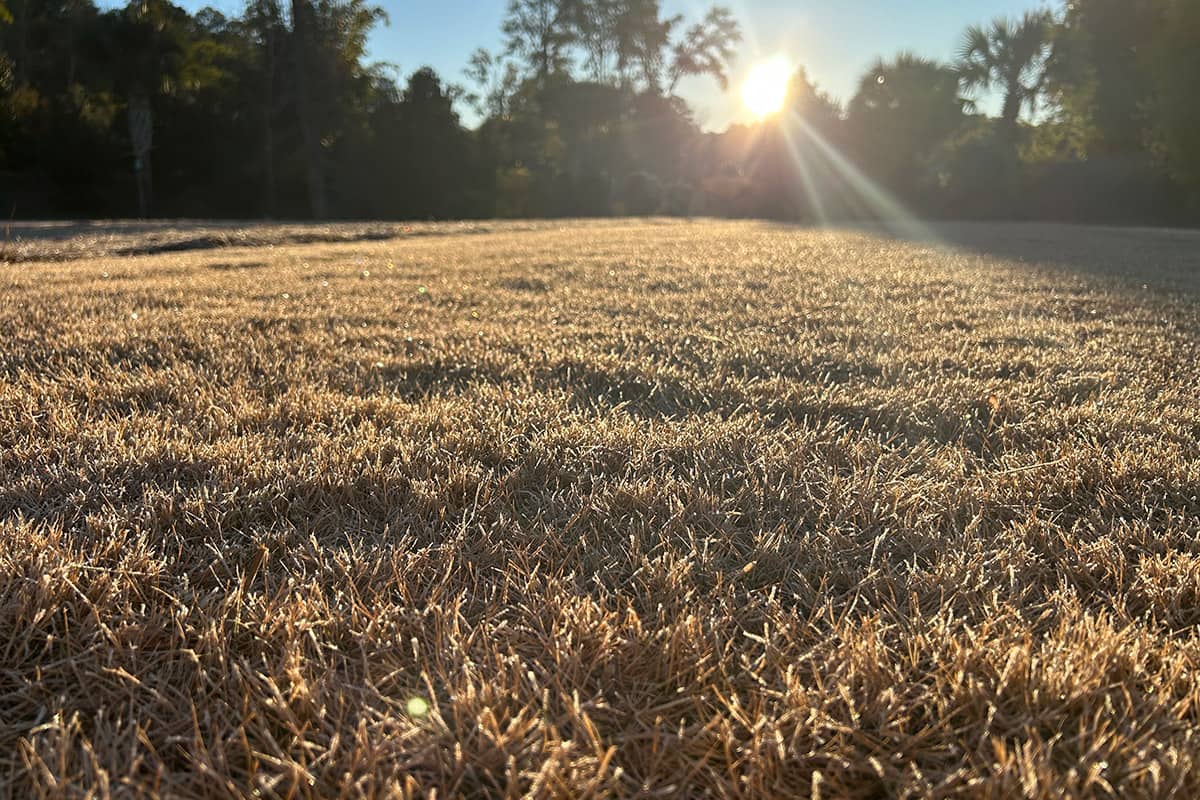
Fall armyworms are aggressive lawn pests that can wreak havoc on lawns, gardens and crops in a short amount of time. These hungry caterpillars travel in destructive groups, stripping grass blades and plant foliage bare as they go. Once established, they can wipe out large sections of lawn in just a few days if left untreated.
In this guide, you’ll learn how to identify a fall armyworm infestation, understand their life cycle and apply the most effective control methods to protect your yard year-round.
✅ Quick Answer
To control fall armyworms, confirm their presence using visual cues like chewed grass blades and frass, then treat the area with an insecticide containing spinosad as early as possible. Prevent future outbreaks by maintaining a thick, healthy lawn with proper mowing, watering, aeration and thatch reduction.
What You'll Find in This Article:
- What Are Fall Armyworms?
- What Do Fall Armyworms Look Like?
- How to Identify Fall Armyworm Damage
- Fall Armyworm Life Cycle & Seasonal Activity
- Diagnosis Guide: Is It Fall Armyworms, Drought, or Disease?
- Soap Flush Test: Step-by-Step
- Where to Find Fall Armyworms in Your Lawn
- Best Ways to Treat Fall Armyworm Infestations
- Prevention Tips to Keep Fall Armyworms Away
- FAQs About Fall Arymworms
What are fall armyworms?
Fall armyworms are destructive lawn caterpillars that feed on grass blades, leaving behind chewed foliage, thinning grass and rapidly expanding brown patches. These pests are the larval stage of a small, ash-gray moth known for laying clusters of eggs on fences, light posts, siding and tree bark.
There are several species of armyworms found across North America, but the fall armyworm (Spodoptera frugiperda) is the most damaging and widespread, especially in warmer regions.
Here’s what you need to know:
The fall armyworm is a major threat to warm season grasses like bermuda grass, but also enjoy certain species of cool season grasses including rye grass and fescue. It thrives in open, sun-exposed grass and tends to appear after rainfall or tropical storms.
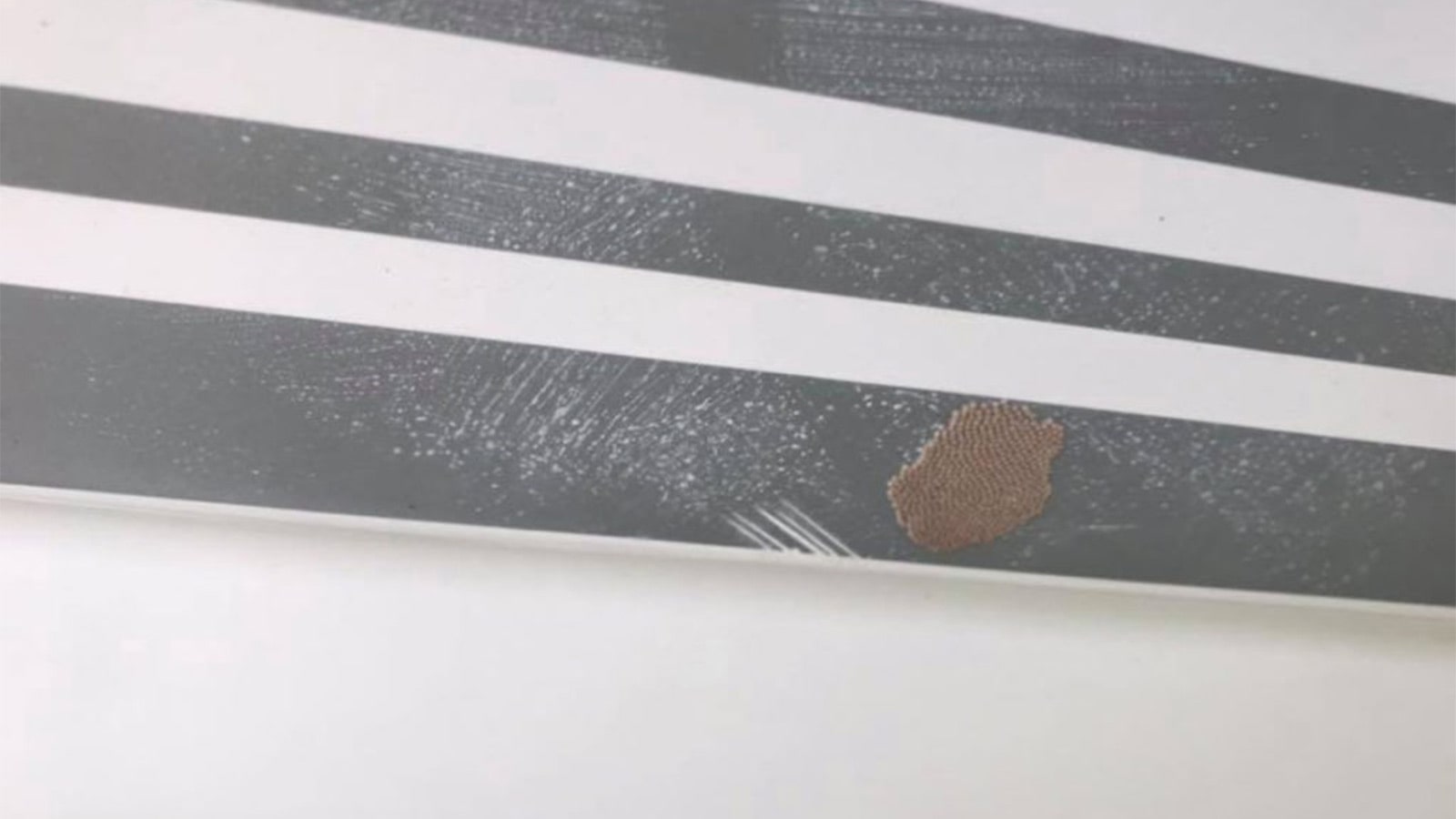
Each moth can lay up to 2,000 eggs, which hatch in just 2–3 days, and several generations can occur each year. This rapid lifecycle makes early identification and treatment essential.
👉 In this article, we’ll focus on the fall armyworm, because if you're seeing mass feeding damage in your lawn, it's likely these caterpillars are to blame.
What do fall armyworms look like?
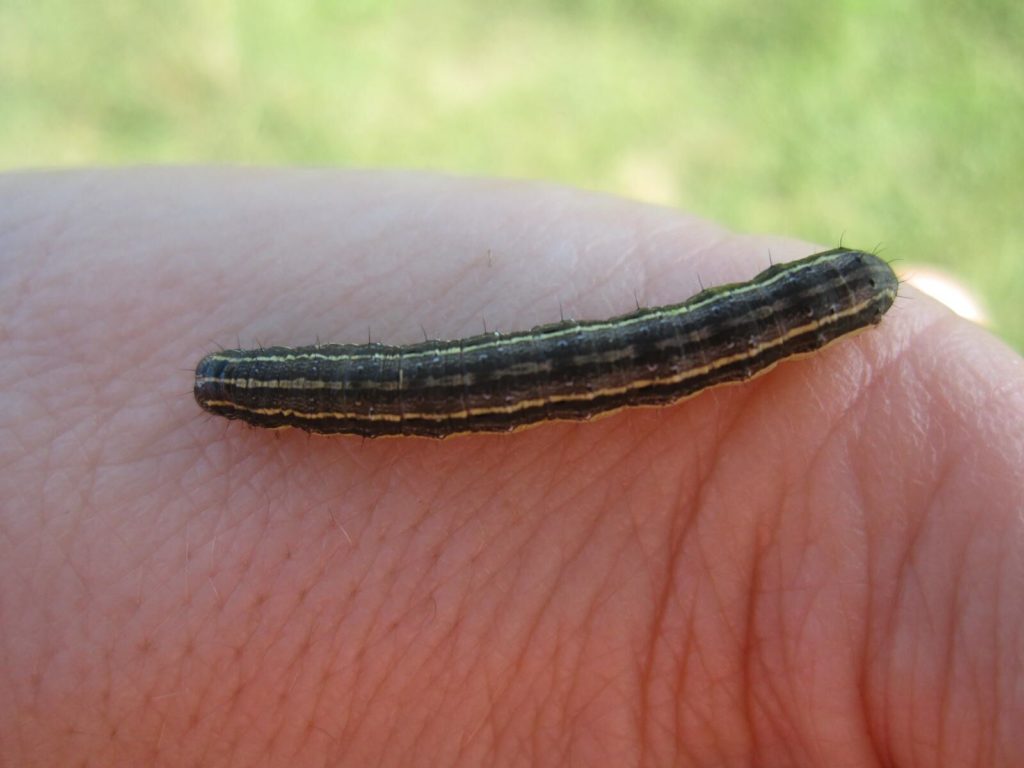
Fall armyworms go through multiple stages, but it's the larvae (caterpillars) that cause the most damage to your lawn. While adult moths are more noticeable, it's their fast-growing offspring that chew through grass blades in broad daylight.
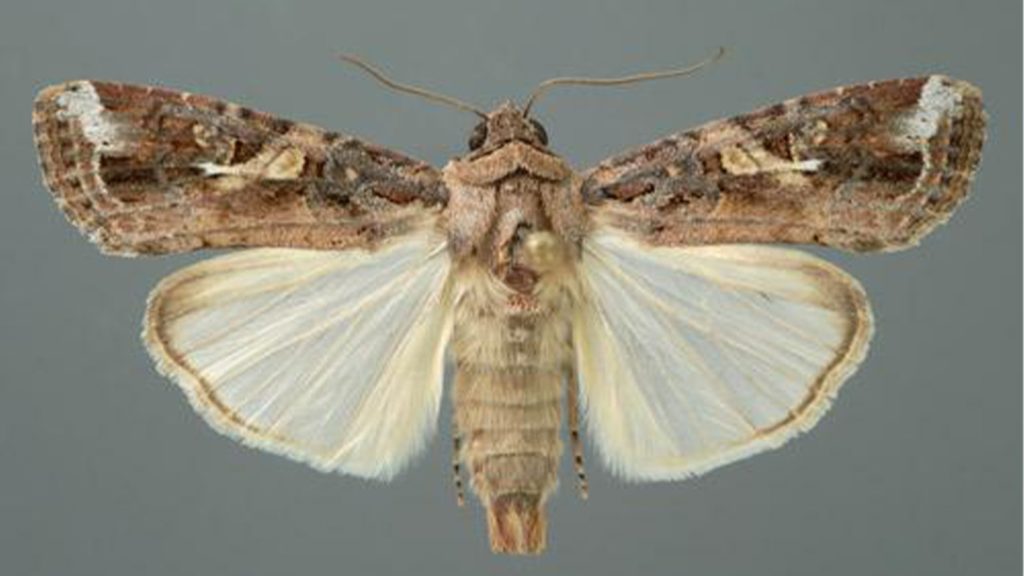
Moth Image Credit: NC State Extension
Larvae (Caterpillars):
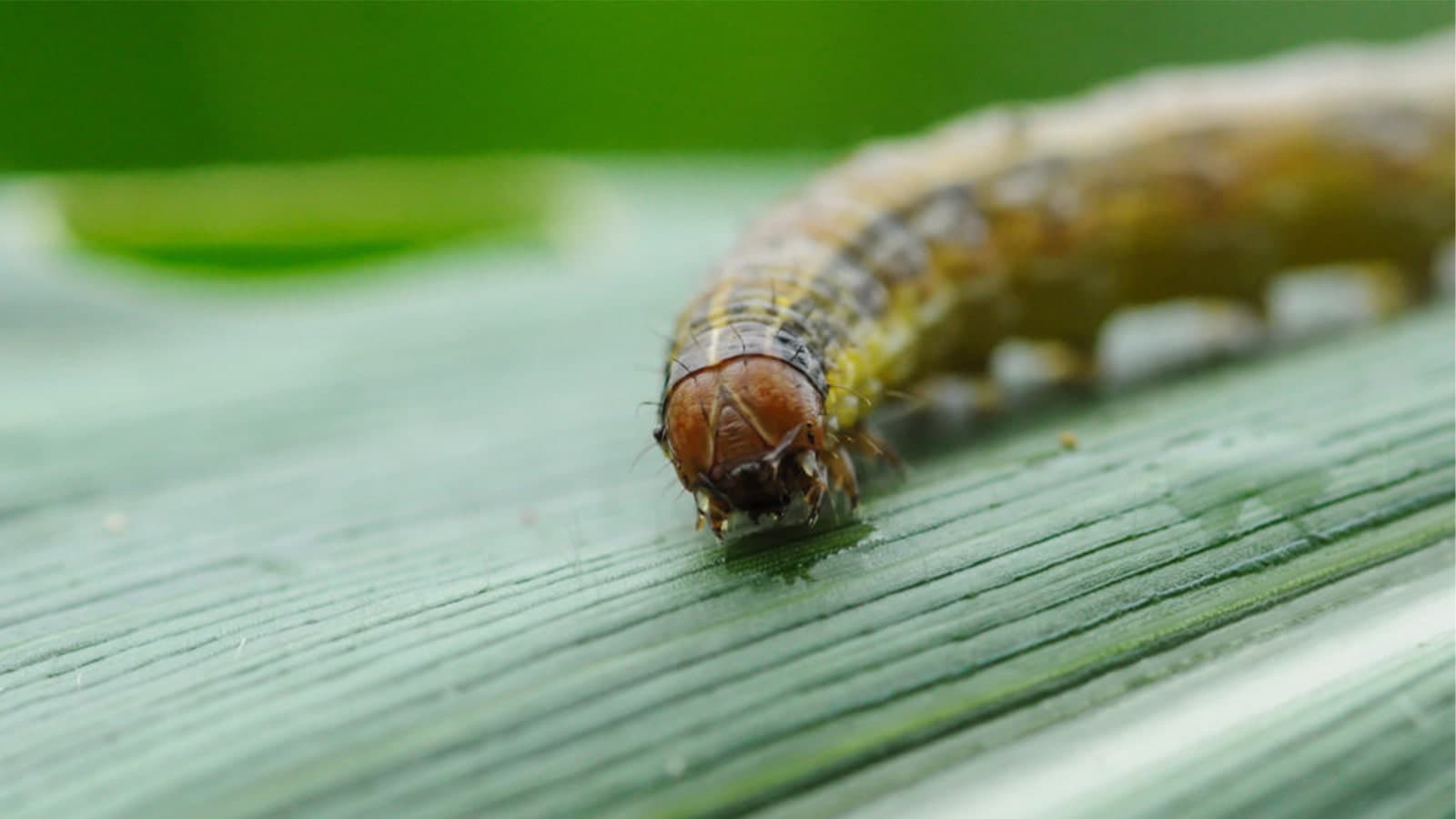
- Color: Green to muddy brown with a distinct dark stripe along each side and an upside-down "Y" shape on the head
- Size: Around 1–1.5 inches long when fully grown
- Behavior: Feed aggressively during the day and often appear in large numbers
- Other clues: Leave behind moist green frass (droppings) near the soil line
Adult Moths:
- Color: Ash-gray
- Wingspan: About 1.5 inches
- Appearance: Subtle markings with dark wing edges
- Behavior: Active around dusk, especially after rainfall or tropical storms; often seen flying near lights or resting on vertical surfaces
💡 Tip: Armyworms are easiest to spot during daylight hours when they’re actively feeding in groups. Use a soap flush test to confirm their presence.
How to Identify Fall Armyworm Damage
Fall armyworms feed on over 300 plant species, but they love bermuda grass, fescues, rye grass and crops. Look for:
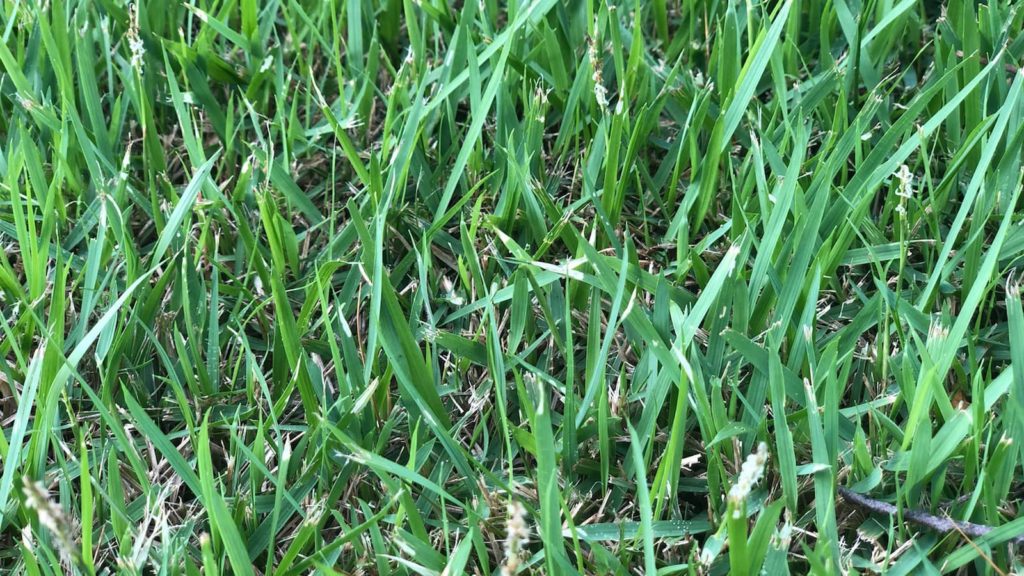
- Chewed or notched grass blades with a "windowpane" or skeletonized appearance
- Moist, green frass (caterpillar droppings) near the soil
- Brown patches that spread quickly
- Clusters of eggs on vertical surfaces near the lawn
How Fall Armyworms Damage Grass
Here’s how they attack your lawn:
- Larvae feed on the surface of grass blades, starting with the newest growth
- As they mature, they chew large sections of leaf tissue, often leaving behind a transparent "windowpane" effect
- Caterpillars move together in groups, stripping grass in wide swaths
- Feeding quickly thins the lawn and exposes soil beneath
- In heavy infestations, they can decimate turf in just a few days, especially during warm, wet conditions
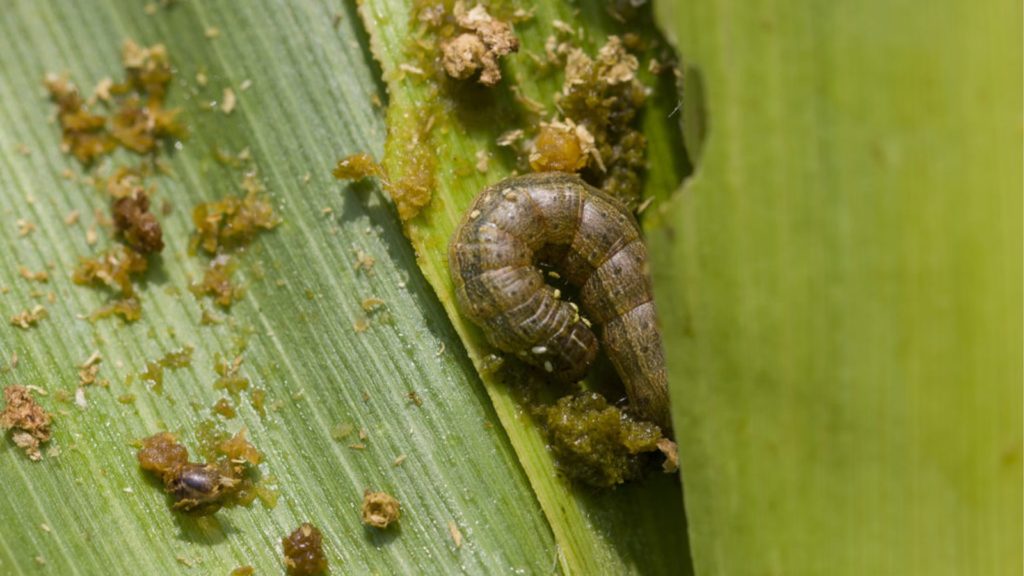
They feed during the day and move in groups, making their damage more dramatic and fast-spreading than that of sod webworms.
Fall armyworms feed on over 300 different plant species including the leaves, stems and other parts of the plant located above the ground. They love to eat bermuda grasses and can be found feeding on annual bedding plants, succulents and even crops such as your homegrown tomatoes.
Fall Armyworm Life Cycle & Seasonal Activity
- Egg → Larva (armyworm) → Pupa → Adult moth
- Active July–October, but timing varies by region
- Outbreaks often follow tropical weather systems that bring rain
When Fall Armyworms Are Active
Fall armyworm activity depends on your region's climate, but their presence tends to follow a predictable pattern:
- Late summer to early fall (July–October): Peak activity for larvae and the most noticeable lawn damage
- After tropical storms or heavy rain: Increased risk of outbreaks as moths are drawn to moist environments to lay eggs
- Multiple generations per season: Fall armyworms reproduce quickly, with up to 4–5 generations per year
- Year-round in southern climates: In warm regions like Florida or South Texas, fall armyworms may remain active nearly all year
Warm, moist conditions, especially following storm events, create the perfect setup for rapid infestations. With their high egg production and fast hatching, infestations can escalate before you know it.
💡 Tip: Keep an eye on your lawn from mid-summer onward, especially after storms or sudden bursts of moth activity around lights at night.
Diagnosis Guide: Is It Armyworms, Disease or Drought?
| Feature | Fall Armyworm Damage | Lawn Disease | Drought Stress |
|---|---|---|---|
| Pattern | Sudden, widespread patches | Circular or irregular patches with clear edges | Even browning across large areas |
| Color Change | Green → transparent → brown blades | Yellowing that progresses to brown or straw-like | Light brown or straw-like |
| Feeding Time | Daytime (aggressive feeders) | No visible insect activity | No insect activity |
| Frass | Moist, green droppings near the soil | None | None |
| Response to Watering | No improvement | May worsen with overwatering | Recovers quickly with consistent irrigation |
When in Doubt, Test or Sample
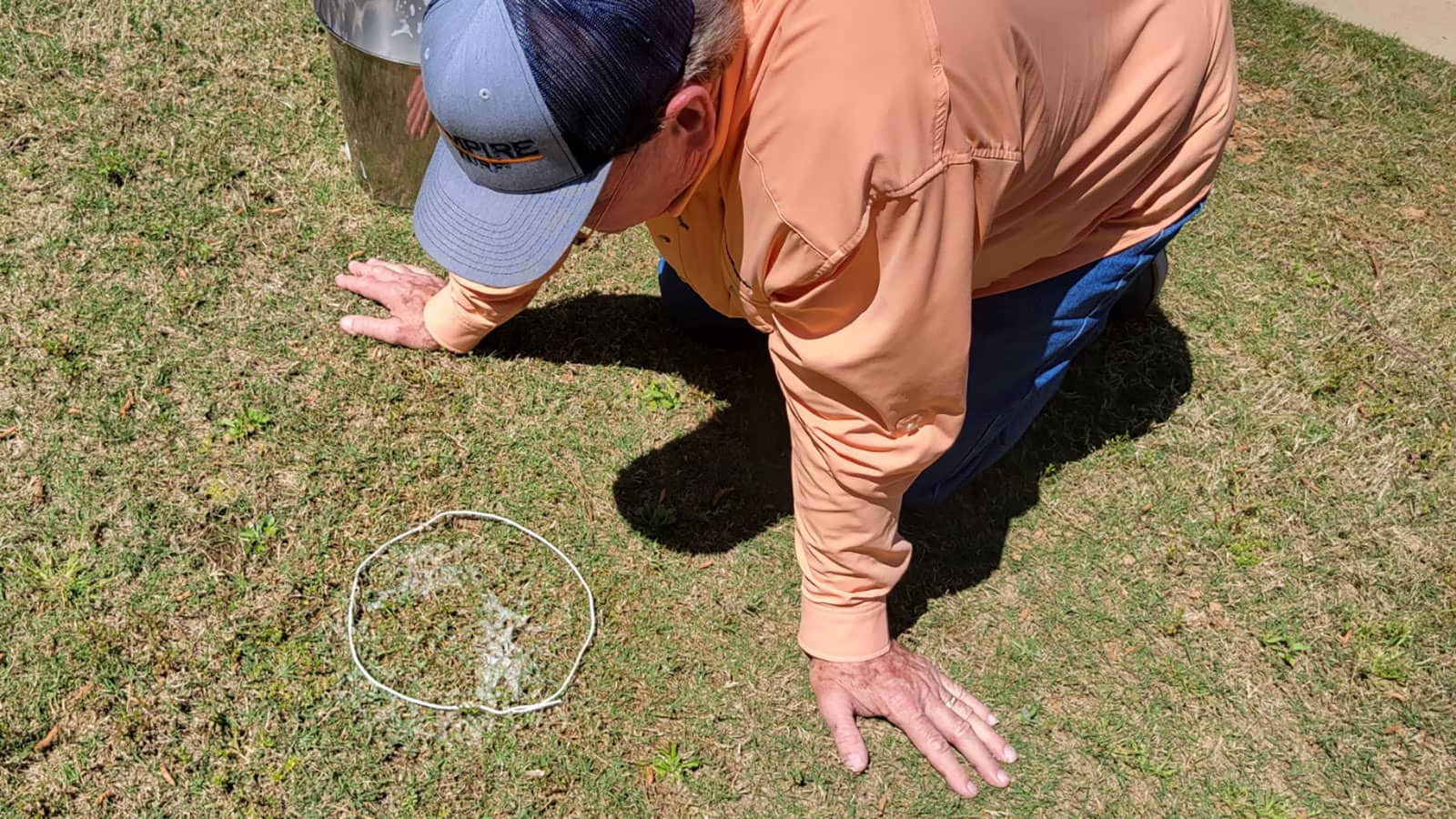
If you’re unsure whether sod webworms are the issue, try a soap flush test in the affected area to uncover larvae near the surface. This method is quick, affordable, and far more accurate than guessing.
Soap Flush Test: How to Confirm Sod Webworms
If you suspect sod webworms are behind your lawn damage, a soap flush test is a quick and effective way to confirm their presence—especially since these caterpillars hide during the day and feed at night.
What You’ll Need:
- An empty coffee can or a piece of PVC pipe (open on both ends)
- A can opener (if using a metal can)
- Water
- A few drops of mild dish soap (like Dawn, Ivory, or Lemon Joy)
Soap Flush Test Steps
Step 1: Use a can opener to remove both ends of a coffee can. If you’re using PVC pipe, make sure it’s about 4–6 inches in diameter.
Step 2: Push the can or pipe about 2–3 inches into the soil where damage is visible. Dig a shallow hole first if needed to insert it more easily.
Step 3: Fill the cylinder three-quarters full with water and add a small squirt of dish soap.
Step 4: Let it sit for about 5–10 minutes.
Step 5: Watch closely—if sod webworms are present, the larvae will float to the surface or wriggle up from the thatch.
Step 6: Count how many appear. Seeing several caterpillars in one area is a strong sign that it’s time to treat\
💡Tip: Perform this test in the late afternoon or early evening, when sod webworm larvae are most active near the surface.
Where to Find Fall Armyworms in Your Lawn
Fall armyworms can be highly visible if you know when and where to look. Because they feed during the day, spotting them is easier than with some other pests.
Here’s how to increase your chances:
- Inspect your lawn in the morning or early afternoon, when armyworms are actively feeding on grass blades.
- Focus on sunny, open areas, especially along the edges of sidewalks, driveways, and garden beds.
- Look closely at the grass surface and thatch for clusters of caterpillars and signs of green frass (droppings).
- Check for egg masses on vertical structures nearby, like fences, sheds, or patio furniture.
- Watch for adult moths fluttering near outdoor lights at dusk; this may signal new egg-laying activity.
💡 Tip: Fall armyworms don’t sting or bite, so it’s safe to inspect your lawn up close. If you spot one, check the area thoroughly—more are likely nearby.
Best Ways to Treat Fall Armyworm Infestations
Cultural Control
- Mow at the right height (no shorter than 2 inches)
- Water regularly (about 1 inch per week)
- Reduce thatch by aerating and adding organic material
- Fertilize wisely to support lawn recovery (e.g., Lawnifi® programs)
Healthy lawns can tolerate minor feeding and bounce back faster.
Chemical Control
- Apply an insecticide containing Spinosad early in the infestation.
- Look for signs of reinfestation, as multiple generations may occur.
- Always follow product label instructions.
Prevention Tips to Keep Fall Armyworms Away
- Start preventive care in early summer before moths begin laying eggs.
- Turn off outdoor lights at night to reduce moth attraction.
- Keep your lawn well-irrigated and dethatched to make it less hospitable.
- Monitor after tropical storms, which often trigger outbreaks.
FAQs About Fall Arymworms
Apply a Spinosad-based insecticide in the early evening when larvae are actively feeding. Repeat as needed and maintain good lawn health to prevent reinfestation.
Armyworms are the caterpillar stage of moths that feed on grass and crops, often moving in large groups and causing rapid lawn damage.
Use a targeted insecticide like Natural Guard Spinosad, applying it when larvae are visible and active on the lawn.
Neem oil may help deter feeding but is less effective than Spinosad for active armyworm control.
Yes, as long as the roots are healthy. Prompt treatment and proper care will encourage regrowth.
Spinosad, a naturally derived soil-based insecticide, is highly effective and safe for organic use. Beneficial predators like birds and parasitic wasps also help.
They hatch from eggs laid by adult moths on vertical surfaces like fences, trees or buildings near grass.
Malathion can kill armyworms but is harsher and less targeted than Spinosad, which is safer for lawns and pollinators.
Talstar may provide some control, but Spinosad is a more eco-friendly and caterpillar-specific solution for treating fall armyworms.