Does your lawn look like it’s hibernating under winter’s chill? While it may seem lifeless, the roots are quietly preparing for spring. Proper winter care, especially watering, is key to ensuring your lawn wakes up green and healthy.
Though winter watering requires a lighter touch than in warmer months, it remains an essential part of your lawn's overall health. Here’s everything you need to know to keep your lawn hydrated through the cold months.
Understanding Your Lawn’s Needs in Winter
Warm Season vs. Cool Season Grasses
Dormancy is like nature’s pause button for your lawn. Warm season grasses like bermuda, zoysia and St. Augustine typically enter a dormant phase during winter, where growth slows significantly or halts altogether.
While these grasses need less water during this time, they still require occasional hydration to maintain root health.
Cool season grasses such as Kentucky bluegrass and fescue, which are common in northern regions and don’t always go dormant, remain more active during winter and may require more consistent watering, especially in dry conditions.
Impact of Dormancy on Water Requirements
Even dormant lawns aren’t truly “asleep.” Their roots continue to draw moisture from the soil to stay healthy. Neglecting winter watering can leave roots dehydrated, potentially delaying growth when spring arrives. Maintaining steady soil moisture ensures a strong comeback.
Quick Tip: Avoid overwatering! Dormant grasses need much less water to thrive.
Assessing Winter Conditions
Monitor Local Climate
Natural precipitation like rain or snow often reduces the need for supplemental watering. However, in drier areas or during unusually dry winters, your lawn might need some extra help.
Watch for Dry Winters
In the southern U.S., dry winters can stress warm-season grasses, even in dormancy. In the northern U.S., long freezes might limit when you can water, but periods of thawing are a great opportunity to hydrate your lawn.
Quick Tip: Let snow act as insulation. When it melts, it naturally hydrates the soil.
Best Practices for Watering in Winter
When to Water
Water during the warmest part of the day—usually late morning or early afternoon. This helps prevent water from freezing on the grass blades.
How Often to Water
Depending on your local climate and rainfall, water your lawn every 2–4 weeks. For cool-season grasses, check the soil more often to ensure they’re getting enough moisture.
How Much Water to Use
Focus on deep watering to encourage strong roots. Aim for water to penetrate 6–8 inches into the soil.
Avoid Overwatering
Too much water can saturate the soil, leading to root rot or fungal diseases, especially if temperatures dip below freezing.
Tools and Techniques
Irrigation Systems
Adjust timers on irrigation systems to reflect reduced watering needs. Consider installing soil moisture sensors to prevent overwatering and save water.
Hoses and Sprinklers
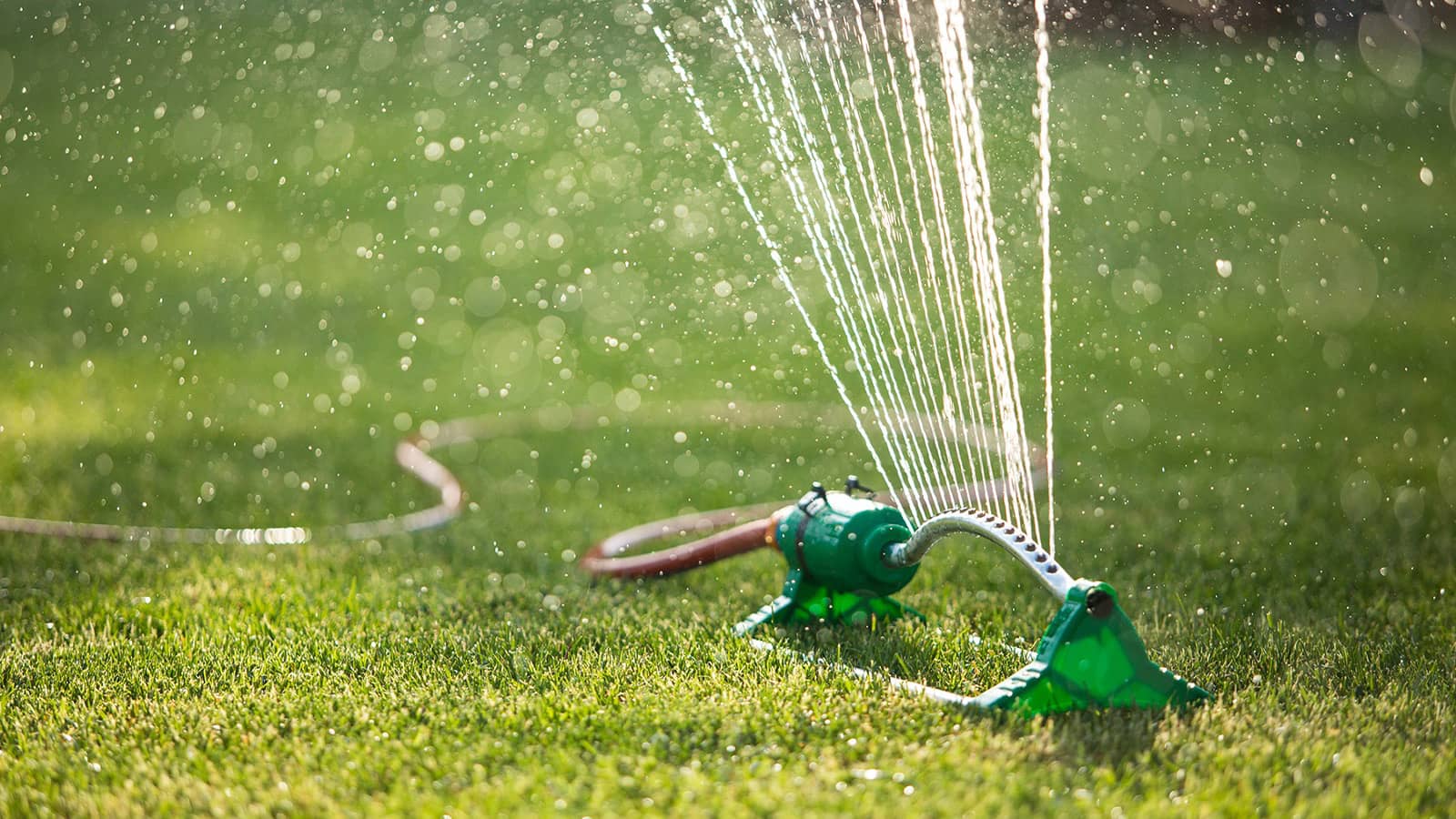
For smaller lawns, manual watering with hoses or sprinklers is effective. Remember to disconnect hoses after use to prevent freeze damage.
Soil Moisture Sensors
These tools help ensure your lawn gets just the right amount of water. They’re particularly useful during dry spells when natural precipitation is low.
Regional Considerations
Southern U.S.
Dormant warm season grasses in the southern U.S. generally require minimal watering but benefit from occasional hydration during extended dry periods.
Northern U.S.
Cool season grasses, which remain semi-active, may need more frequent watering, particularly in regions experiencing limited snowfall.
How to Water Your Lawn in the Winter - Answered
To water your lawn in the winter, adjust to the season's reduced needs by watering deeply but infrequently, typically every 2-4 weeks, depending on rainfall and local conditions.
Water during the warmest part of the day to prevent freezing, and focus on ensuring the soil stays moist 6-8 inches deep to support the roots.
Use tools like soil moisture sensors to avoid overwatering, as excess moisture can lead to root rot or fungal issues. Dormant warm season grasses require less water, while semi-active cool season varieties may need slightly more attention in drier conditions.
Proper watering during winter is essential for a healthy, vibrant lawn in spring. By understanding your lawn’s needs, monitoring local conditions and adopting smart watering techniques, you can ensure your yard stays strong throughout the season.
Ready to start? Equip yourself with soil moisture sensors and a well-planned watering schedule to make winter lawn care easy and effective. Your spring lawn will thank you!