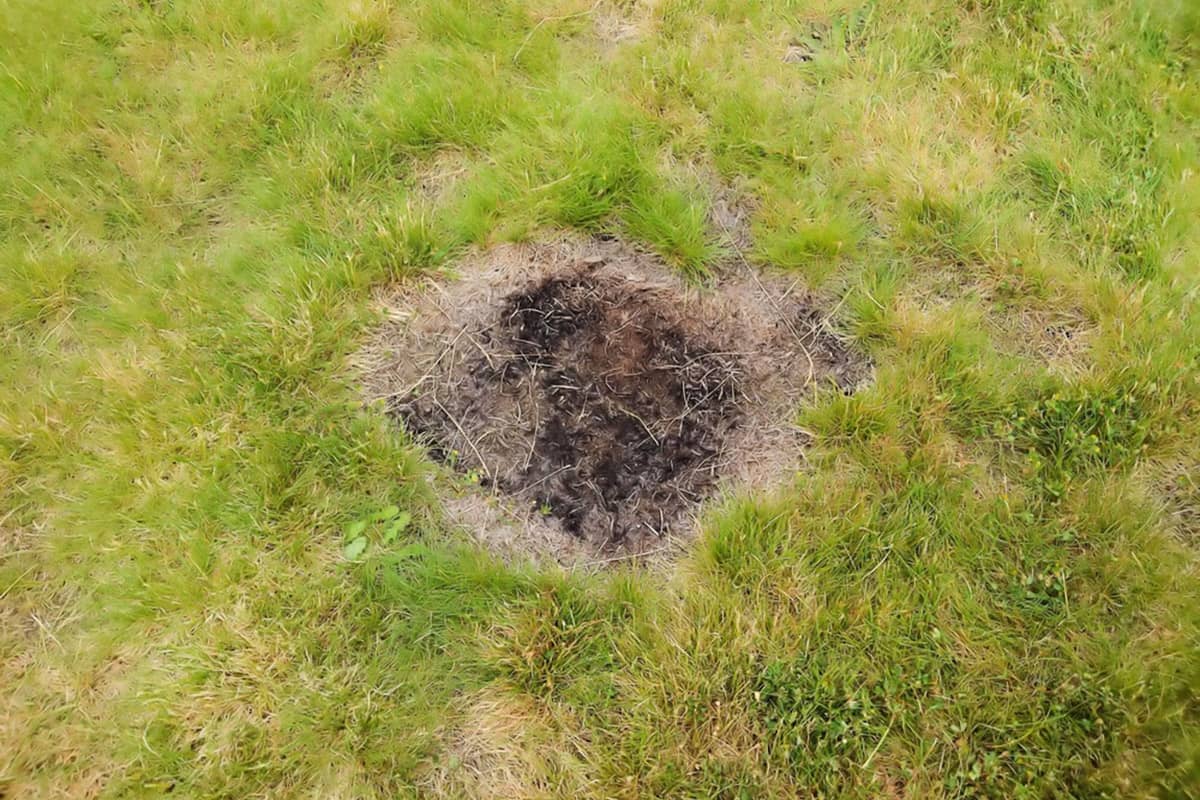
Lawn plugs are small, pre-grown sections of grass that provide a quick and effective method for establishing new lawns or filling in bare or damaged spots in currently existing ones. They offer several benefits, such as faster lawn coverage and reduced weed competition, compared to traditional seed sowing while also being more cost-effective than a full sod installation.
However, caring for these plugs during hot weather, especially during sudden heat waves or "hot flashes," can be challenging. Proper handling, planting and maintenance ensure plugs thrive despite the heat.
Receiving Plugs in the Mail
Step 1: Inspect the Shipment Immediately (Especially During Hot Weather):
As soon as your lawn plugs arrive, open the package right away to check their condition. During hot months, it's critical to look for signs of heat stress, such as yellowing, browning or dry roots. Prompt inspection ensures you can address any immediate care needs before the plugs are affected by high temperatures.
Step 2: Unpack and Hydrate
Remove the plugs from their packaging and mist them with water if they appear dry. Place them in a shaded, cool area for about 1-2 hours to allow them to cool off and mitigate any heat stress. This short rest period helps the plugs recover from shipping-related stress before planting.
Pro Tip: Avoid Prolonged Exposure
Do not leave the plugs in a hot garage, car or direct sunlight. Aim to keep them in temperatures below 75°F to prevent further stress. Planning to plant them as soon as possible—ideally within 24 hours of arrival—will help minimize any adverse effects from their time in transit.
Planting Plugs During Hot Weather
Step 3: Choose the Right Time of Day
To avoid the hottest part of the day, plant your plugs early in the morning. Planting in the morning allows the grass plugs to benefit from cooler temperatures and reduced sunlight, which helps minimize stress on the newly planted plugs.
This timing also ensures they can absorb moisture more effectively throughout the day as temperatures rise, reducing the risk of heat stress during the planting process.
Step 4: Prepare the Soil Properly
Water the soil thoroughly the day before planting to cool it down and ensure it's well-moistened. In particularly hot weather, water the soil again about an hour before planting, as it may have dried out overnight.
Loosen the soil and remove weeds, rocks and debris to create an good environment for the plugs to establish. Mow the existing lawn close to the ground, and rake the soil smooth and level for planting.
Step 5: Planting Depth and Spacing
Use an auger bit to drill holes into the ground, making planting easier. Plugs should be planted about 1-inch deep. In drought-prone areas or during extremely hot months, consider spacing the holes closer together, around 6–12 inches apart, to help the grass grow together more quickly and reduce stress. This will also minimize the time and effort needed for the plugs to establish themselves.
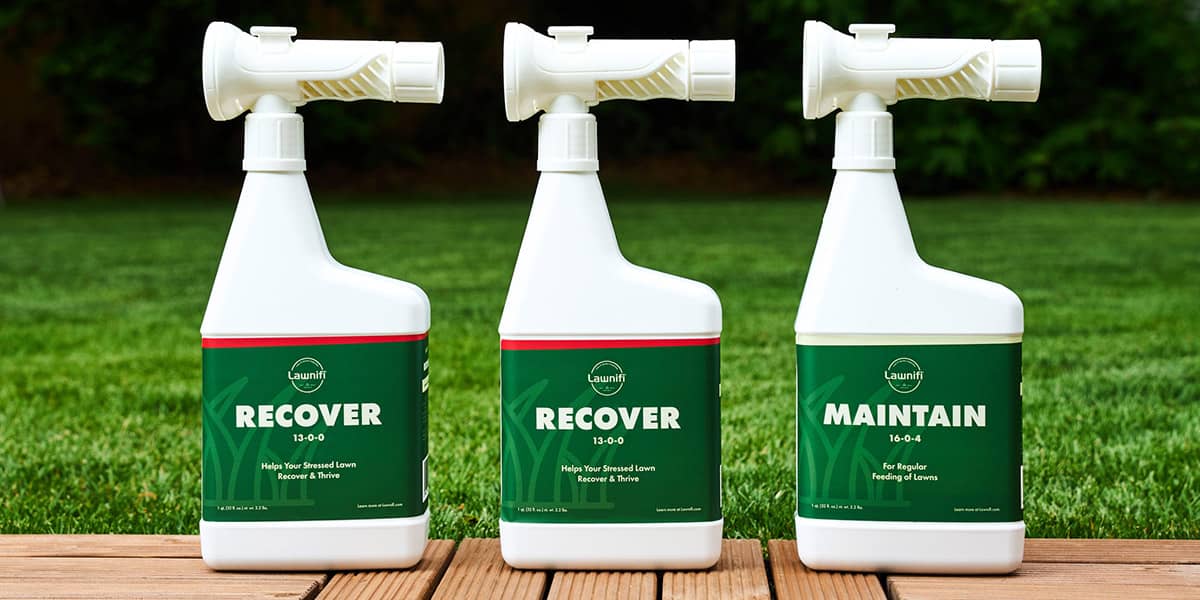
Fertilize the holes before planting the grass plugs with a fertilizer that has a lot of phosphorus like Lawnifi Grow, the first bottle of the New Lawn Starter Box.
Ensure plugs are planted at the correct depth, just level with the surrounding soil. Fill the rest of the empty space surrounding the grass plugs with loose soil as needed.
Pro Tip
Before planting, thoroughly water the soil and incorporate Soil Moist Granules into the planting holes to retain moisture and reduce watering frequency. For each hole, sprinkle a small amount of granules (1/2 tsp), then insert the plug and refill with soil.
Step 6: Watering Immediately After Planting
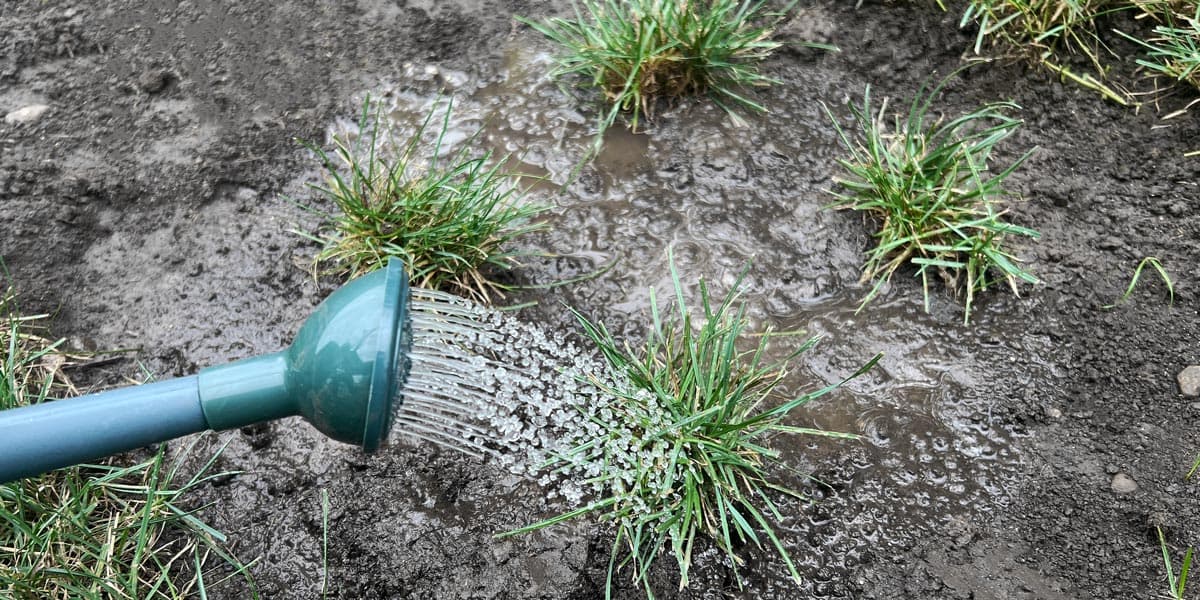
Water the plugs immediately after planting to ensure the soil is moist but not waterlogged. Use a gentle spray setting to avoid displacing the plugs. Proper watering at this stage helps the plugs settle into their new environment.
Maintaining Plugs in Hot Conditions
Step 7: Watering Routine
Normally, you would want to keep the soil moist 6–8 inches deep every day until the plugs are established for the first 10–20 days after installation. This may require 2–4 waterings per day.
However during the summer, you may need to water the plugs more.
Increase Frequency of Watering
- Initial Watering: Keep the soil moist 6–8 inches deep every day, but increase the frequency to 3–4 times a day if temperatures are extremely high. This ensures that the soil remains cool and moist, preventing the plugs from drying out and suffering from heat stress.
- Monitor Soil Moisture: Check the soil frequently to ensure it remains consistently moist. In very hot conditions, soil can dry out quickly, so regular checks will help you adjust watering as needed.
Soil Moist Granules will help retain water, cutting down the frequency of watering by up to 50 percent.
- Adjust Watering Times:
- Early Morning and Late Afternoon: Water during the cooler parts of the day—early morning and late afternoon—to reduce evaporation and prevent additional heat stress on the plugs.
- Grass Dormancy and Summer Growth:
- Dormancy: Both zoysia and bermuda grass plugs may enter dormancy during periods of drought or insufficient water as a survival mechanism. While they may appear dry or dormant, they will bounce back once regular watering resumes. To bring them out of dormancy and encourage growth, it’s essential to follow the watering instructions closely.
- Slower Summer Growth: Keep in mind that grass plugs, particularly in extreme heat, may grow more slowly during the summer months. However, even if growth is slower, regular watering is crucial for their survival. The plugs need sufficient moisture to sustain themselves and avoid damage, regardless of how fast or slow they are growing.
- Maintain Moisture Until Established:
- For the First 10–20 Days: Continue with increased watering frequency until the plugs show signs of new growth and establishment. This may mean maintaining the higher frequency of 3–4 times a day for the full 10–20 days, depending on how quickly the plugs start to establish.
- Transition to Twice-Weekly Watering:
- When New Runners Appear: Once you see new runners and signs of establishment, gradually reduce watering to twice a week. However, during prolonged heat waves, it may be necessary to adjust this based on the ongoing temperature and soil conditions. Continue to monitor the soil and adjust watering if necessary to avoid stress.
Step 8: Shade Protection Tips
During peak sunlight hours for the first few days, provide temporary shade using lawn fabric or burlap. Avoid solid covers that restrict airflow and trap heat, as these can worsen stress.
Step 9: Fertilizing Considerations
Fertilize the grass plugs with a fertilizer that has a lot of phosphorus like Lawnifi Grow, the first bottle of the New Lawn Starter Box. Avoid fertilizing immediately during high heat periods. Wait until temperatures moderate to prevent burning the young plugs.
Step 10: Monitoring and Troubleshooting:
Regularly check the plugs for signs of stress, such as wilting or discoloration. Address any issues promptly by adjusting watering routines, providing additional shade or improving soil conditions as needed.
Long-Term Care During Heat Waves
Mulching
Apply a light layer of mulch around the plugs to retain moisture and regulate soil temperature. Ensure the mulch is kept away from direct contact with the plugs to prevent rot.
Consistent Maintenance
Monitor the weather forecast for upcoming heat waves and adjust your watering and care routines accordingly. Be patient with your plugs; while they may experience slowed growth during extreme heat, proper care will help them recover and establish successfully.
How to Successfully Establish Grass Plugs During Hot Weather - Answered
To successfully establish grass plugs during hot weather, start by inspecting and hydrating the plugs immediately upon arrival, keeping them in a cool, shaded area. Plant them early in the morning or late in the afternoon to avoid the heat, ensuring the soil is well-prepared and moist.
Water the plugs frequently—3–4 times a day—during the first 10–20 days to keep the soil consistently moist and cool. As new growth appears, gradually reduce watering to twice a week.
Provide temporary shade to minimize heat stress and apply a light layer of mulch to retain moisture. Regularly monitor the plugs for signs of stress and adjust care as needed. Properly managed, your grass plugs will establish well, even in extreme conditions.