If you're thinking about getting new sod this summer, great! But if you're planning an installation during extreme heat, when temperatures climb above 95 degrees Fahrenheit, there are a few critical things to know to protect your investment and new sod.
Fortunately, your landscaper or contractor should do most of the heavy lifting, but your role as a homeowner is just as important, especially when it comes to timing, watering and monitoring.
Why Hot Weather Can Damage Sod—Fast
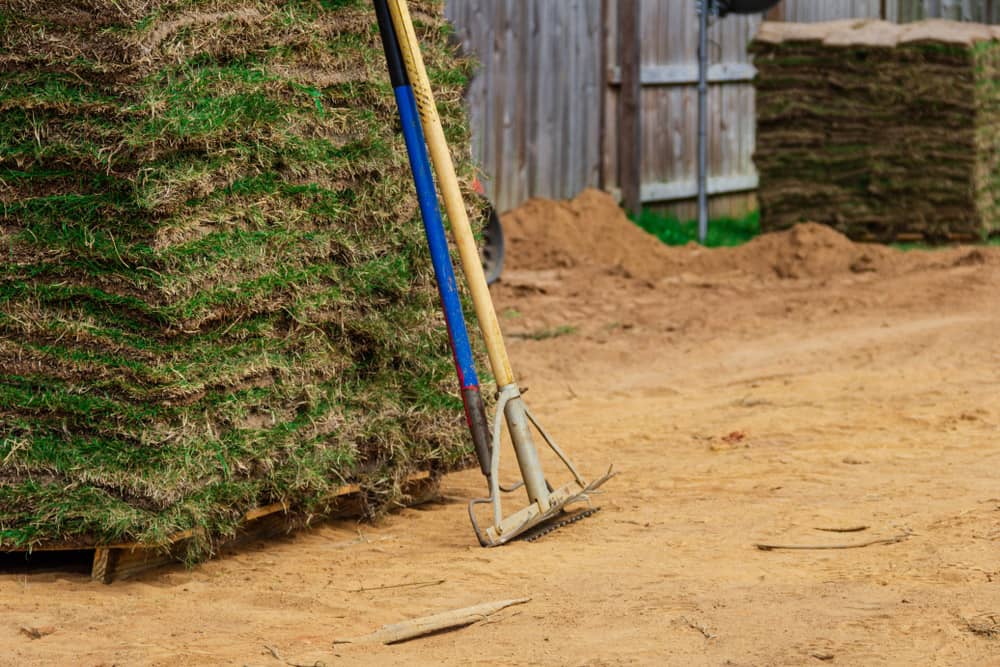
Sod is a living product. Once it's harvested and stacked on pallets, it starts to break down quickly, especially in high temperatures. In fact, on a 95-degree Fahrenheit day, thermocouples, or sensors that measure temperatures, have recorded the inside of pallets heating up to over 160 degrees, causing serious damage before the sod even touches the ground.
This extreme heat buildup occurs because stacked or rolled turf begins a natural decomposition process that generates additional heat, compounding the damage risk. We've recently seen jobs using sod that sat for 3–4 days before installation suffer from major performance issues.
This is something we deal with every year in the heat of the summer,” says Bill Nimmer, a grower who oversees two full-time installation crews. “Honestly, water management is the biggest issue. The common mistake is not saturating the sod immediately after the initial install.”
That kind of heat stress can lead to dead patches, slow rooting and an unhealthy-looking lawn. But the good news is that these issues are completely preventable.
What You Should Know (and Do!) as the Homeowner
Here’s how you can help your new sod thrive, even during a heatwave:
1. Act Fast After Delivery
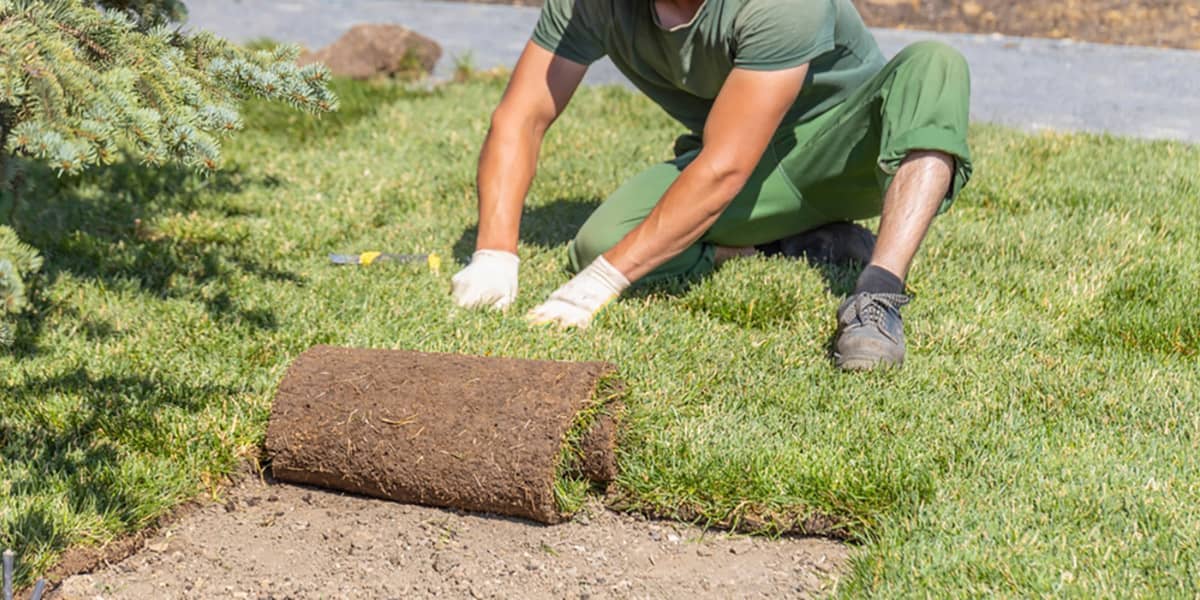
Sod should be laid and watered within 24 hours of delivery—the sooner, the better. Waiting even a day or two in hot weather can lead to major problems. Coordinate with your installer to make sure everything is ready for immediate installation.
2. Water Right Away
As soon as the sod is laid, it needs a deep and thorough watering. This helps cool the grass and jumpstarts the rooting process.
“When it’s really hot, dry and breezy, 15 minutes per station isn’t enough,” Bill notes. “The only way you know for sure is to visually inspect it by lifting up a few pieces and making sure there’s moist soil underneath the sod.”
Visual check beats guesswork: Don’t assume watering times are enough. Lift the sod and check for moist soil underneath.
Inspect irrigation systems early: Every irrigation system should be checked in early spring—around April 1. Doing it annually identifies issues like leaking heads, cut lines or new vegetation blocking spray.
3. Watch for Signs of Heat Stress
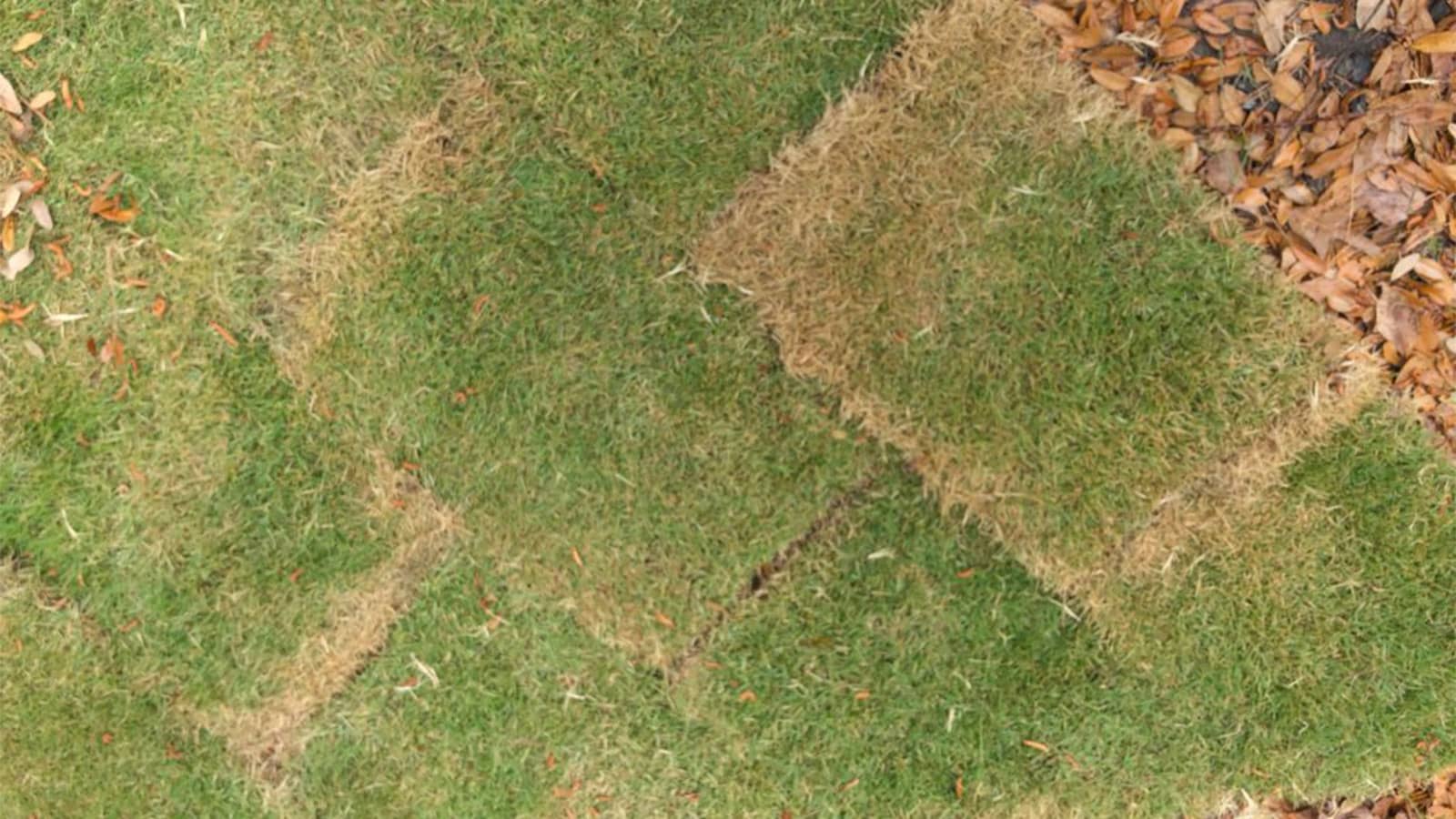
If the sod looks dry, feels hot to the touch or begins to curl, it may be experiencing stress. Don’t wait—sometimes, lightly unstacking sod or adding water before it’s laid can help reduce heat buildup.
4. Extra Tips During Heatwaves
- Avoid delays. If weather or schedules change, try to reschedule sod delivery—not let it sit.
- To help reduce surface temperature and retain moisture, topdressing (a thin layer of soil or sand) may be applied after installation.
- Stick to a watering plan. Sod in hot weather often needs more frequent watering than usual—sometimes 3–4 times a day for the first few days.
Your Landscaper’s Role (and Yours)
Sod growers do a great job producing beautiful, high-quality grass—but their job stops at production. Once the sod is delivered, it’s up to the installer to lay it down right away and get water on it immediately, especially when it’s hot out. Even the best grass can suffer if it’s not handled properly at installation.
According to Bill Nimmer, it’s critical that installers and homeowners understand sod density and its impact on watering: “If the sod is really thick and dense, there’s a good chance the water is never penetrating it.”
Hot weather doesn’t mean you have to delay your lawn—it just means you need to act quickly and follow some simple but essential steps:
- Install the sod within 24 hours
- Water immediately and thoroughly
- Watch for signs of heat stress
- Stay in touch with your installer
With the right timing and care, your new lawn can beat the heat and grow in successfully.