Fall is almost here and with it comes cooler temps. You might spot irregular brown patches in your lawn as the weather shifts. Changing soil conditions and stressed grass can create the perfect breeding ground for disease. Learn how to stop fungus before it takes over this season.
✅ Quick Answer
You can prevent lawn disease in the fall by mowing at the proper height, watering deeply but infrequently and ensuring good soil drainage.
Applying disease control preventatively during the fall, when many diseases like large patch and dollar spot are most active, can further protect the lawn and keep it healthy heading into winter.
Why do warm season lawns get disease in the fall?
Warm season lawns like zoysia, bermuda grass, St. Augustine and centipede tend to become susceptible to disease in the fall as temperatures drop and there's an increase in moisture from dew and rainfall.
Additionally, as warm season grasses begin to slow down their growth in preparation for winter, their ability to fight off disease and other external stressors decreases.
Fortunately, there are some things you can do as a homeowner to get ahead and prevent your lawn from getting disease.
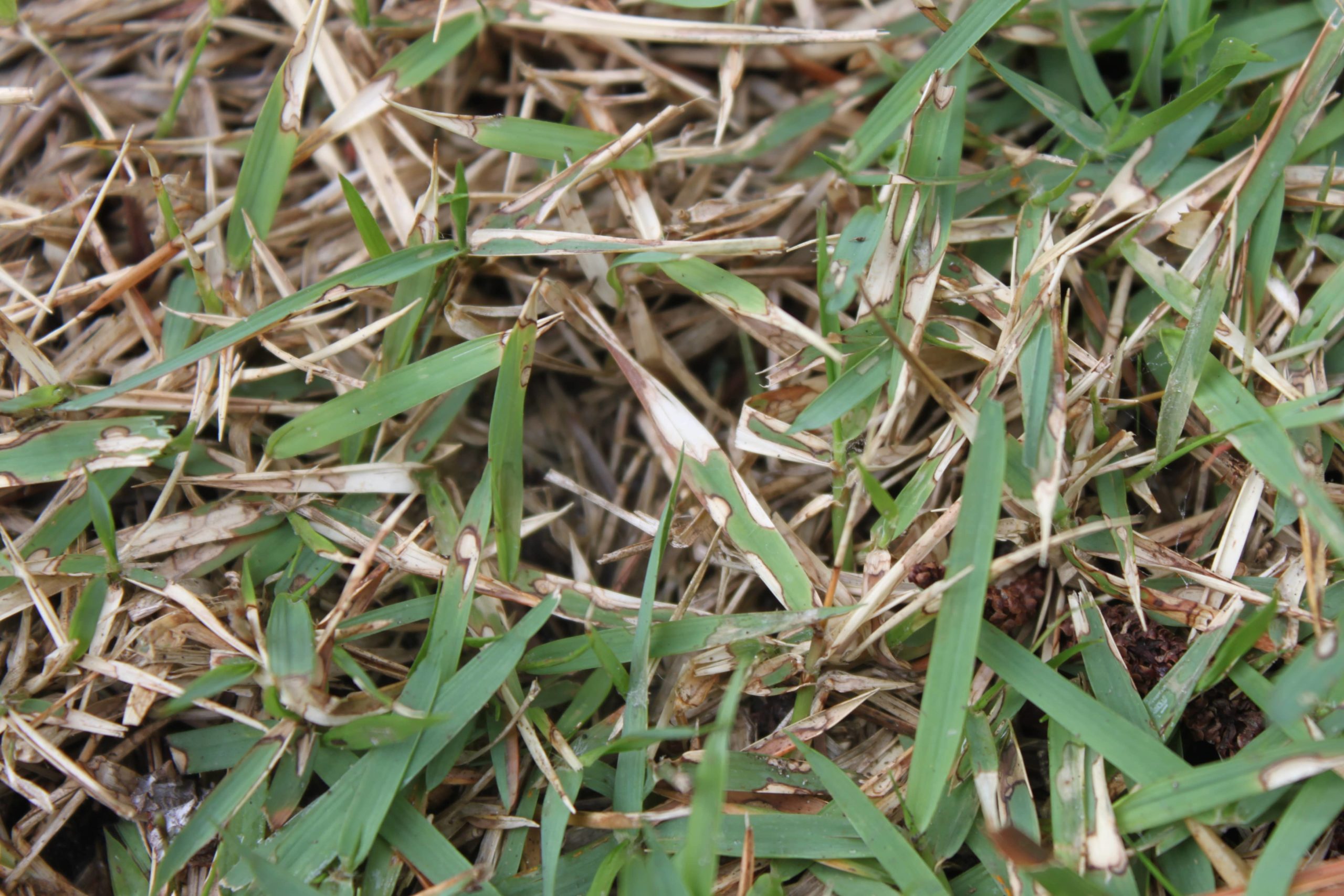
How do I prevent lawn disease during the fall?
There are a few actionable recommendations for preventing lawn disease. Generally, disease loves shady, wet areas in lawns. Reducing this environment is key in prevention strategies.
1. Reduce Watering
Start by cutting back on excess moisture. If you’re watering too often, scale back the frequency—but still water enough to avoid stressing your lawn. Mornings are best, giving the sun time to dry the grass before cool night temps set in. Water less often, but more deeply, to keep roots strong and healthy.
Typically, most lawns need about 1 inch of water per week including rainfall. Check out our article on How Long to Run a Sprinkler for 1 Inch of Water for more information.
2. Manage Fallen Leaves
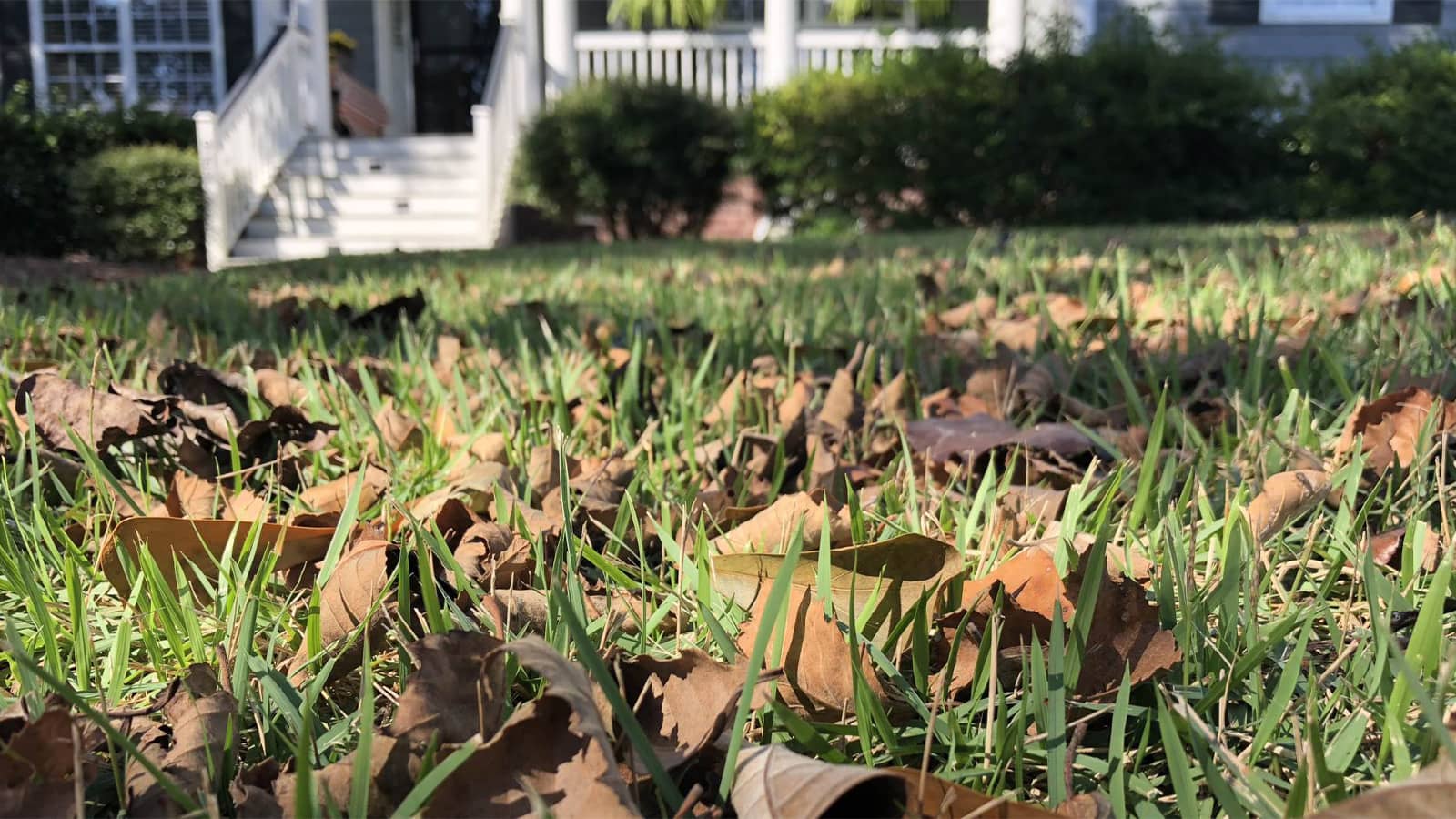
Remove fallen leaves during this time of year as well. Leaves create shady areas in your lawn that encourage disease due to the lack of sunlight. Click here to read more about how to manage them.
3. Loosen Compact Soil
Make sure your soil is absorbing the water appropriately. If you have really compact soil where water tends to pool up, consider aerating or raking in a mix of topsoil to help.
4. Apply Fungicide Preventatively
One of the best recommendations for preventing lawn disease is to make preventive applications of a systemic fungicide. This helps to prevent lawn disease from occurring in the first place. Shop our assortment of disease control products here.
How do I apply fungicide preventatively?
- Monitor local soil temperatures and conditions before applying fungicide in the fall.
- Optimal timing: mid-September to mid-October, when soil temperatures are consistently below 70 degrees Fahrenheit.
- Choose a systemic fungicide and follow label instructions for application rates and timing.
- Apply evenly across the entire lawn at the preventative rate.
- Rotate between different fungicide groups with each application to prevent resistance.
- Typically, make two applications spaced 28 days apart.
- If a disease has been an issue before, treat past problem spots with multiple applications.
- For previous spring dead spot issues:
- Use higher rates on affected areas.
- Consider mapping these areas to reduce costs.
- Use a spray dye to track coverage.
- For granular fungicide: water immediately after application for better soil absorption.
When should I spray for lawn disease in the fall?
The best time depends on your location but in general, the best time to apply is mid-September to mid-October, when soil temperatures are consistently below 70 degrees Fahrenheit.
What is the difference between preventive and curative application rates?
Fungicides can be applied at two rates: preventively or curatively.
Preventative Application Rates
Preventive rates are less than curative rates. Preventive application rates should be used to prevent lawn disease.
Curative Application Rates
Curative application rates should be used to “cure” an already present disease.
An ounce of prevention is worth a pound of cure. In other words, preventive application rates are significantly less than curative application rates for lawn disease. Since you will apply more fungicide at a curative application rate, you will also spend more money.
If you play it safe and apply fungicide at preventive rates, the likelihood of experiencing lawn disease in the first place is less, plus you apply at smaller application rates and therefore save more money. Your grass will not endure stress or damage as well.
It is always a good idea to apply fungicide preventively so you don’t end up spending more money.
What are some common lawn diseases in the fall?
As with any lawn disease, the type of fungus you may be experiencing really depends on your climate and location. However, some of the most common lawn diseases we see in the fall are:
- Dollar Spot (Clarireedia spp.)
- Appearance: Small, silver-dollar-sized tan patches that may merge into larger areas.
- Favorable Conditions: Cool, moist mornings with dew; low nitrogen levels can worsen it.
- Rust Diseases (Puccinia spp.)
- Appearance: Orange or rust-colored powder on grass blades, which can rub off on shoes or equipment.
- Favorable Conditions: Low growth rates, shade and drought stress in cooler weather.
- Leaf Spot & Melting Out (Bipolaris, Drechslera spp.)
- Appearance: Purple to brown spots on leaf blades; in severe cases, thinning turf.
- Favorable Conditions: Extended leaf wetness in cool, moist weather.
- Red Thread (Laetisaria fuciformis)
- Appearance: Pinkish-red threads on grass tips, especially in nitrogen-deficient lawns.
- Favorable Conditions: Cool, damp conditions, often during extended wet periods.
- Spring Dead Spot (Ophiosphaerella spp.) – Fall Infection for Spring Damage
- Appearance: Damage appears as circular dead patches the following spring, but infection happens in fall.
- Favorable Conditions: Warm season grasses like bermuda in cooler climates; thrives when soil temps are in the 60–70 degrees Fahrenheit range.
What does disease look like on grass?
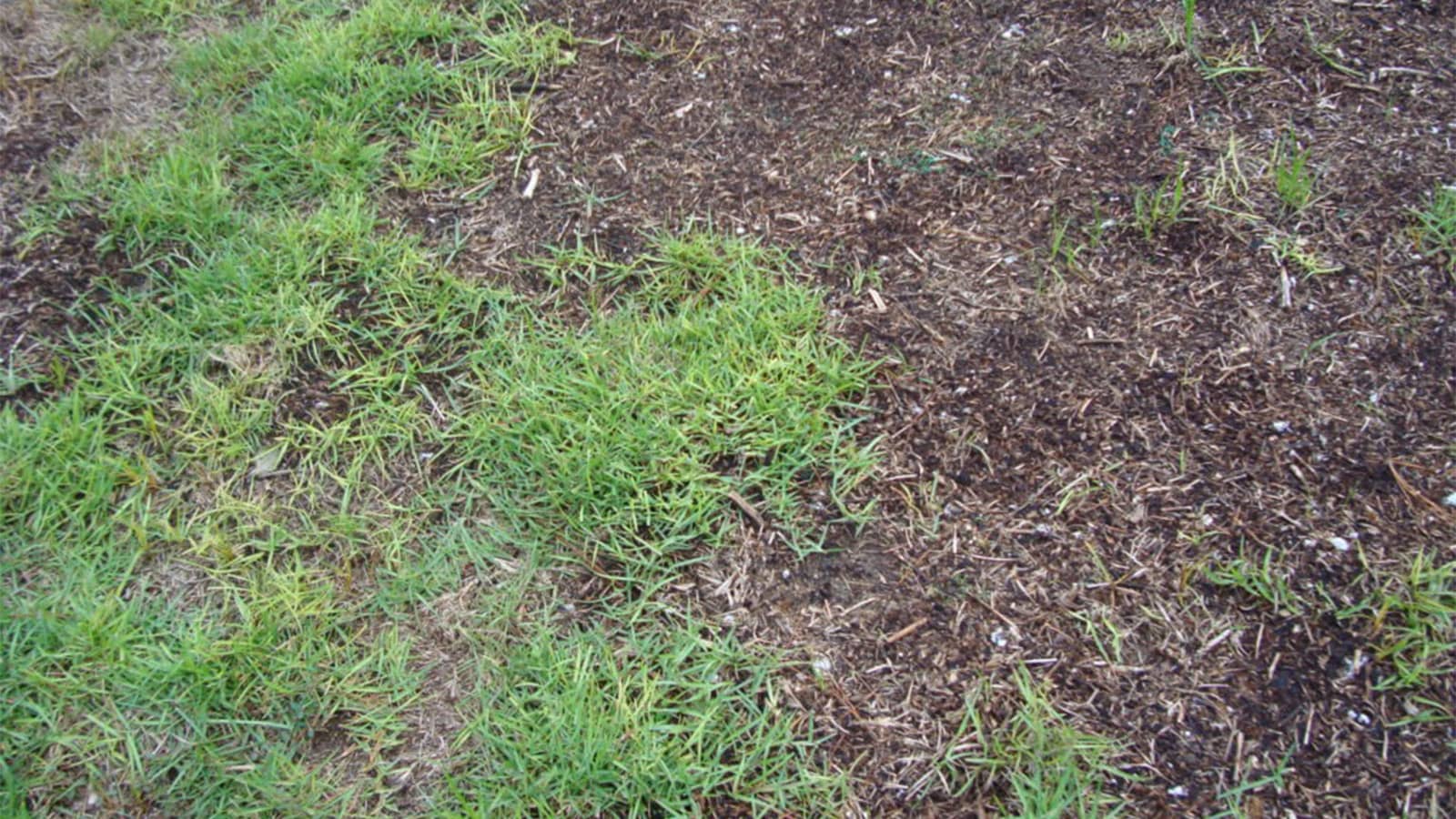
The appearance of disease can vary but it typically appears as circular or irregularly-shaped patches of brown or dead grass. Learn more in our identification guide here.
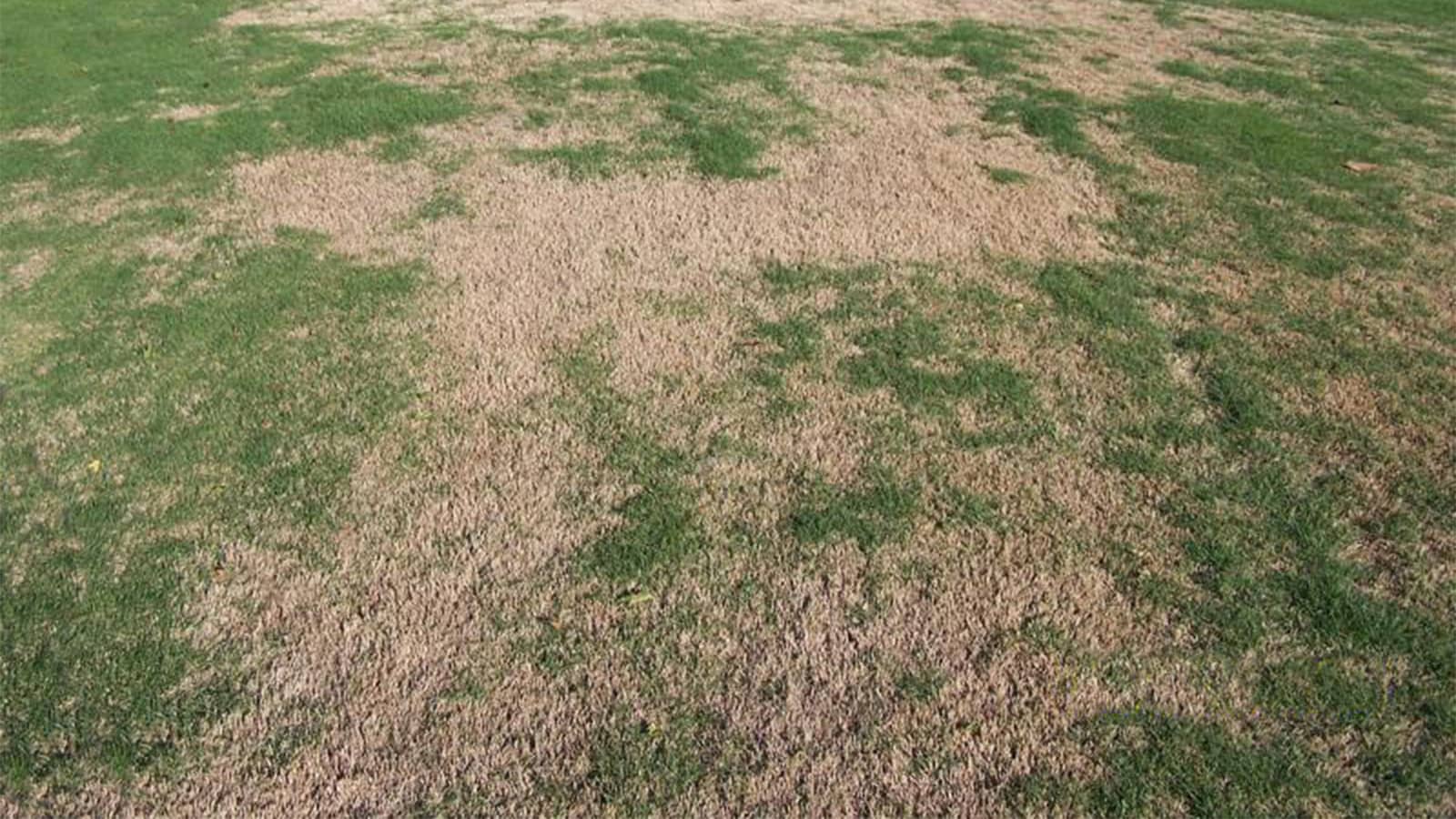
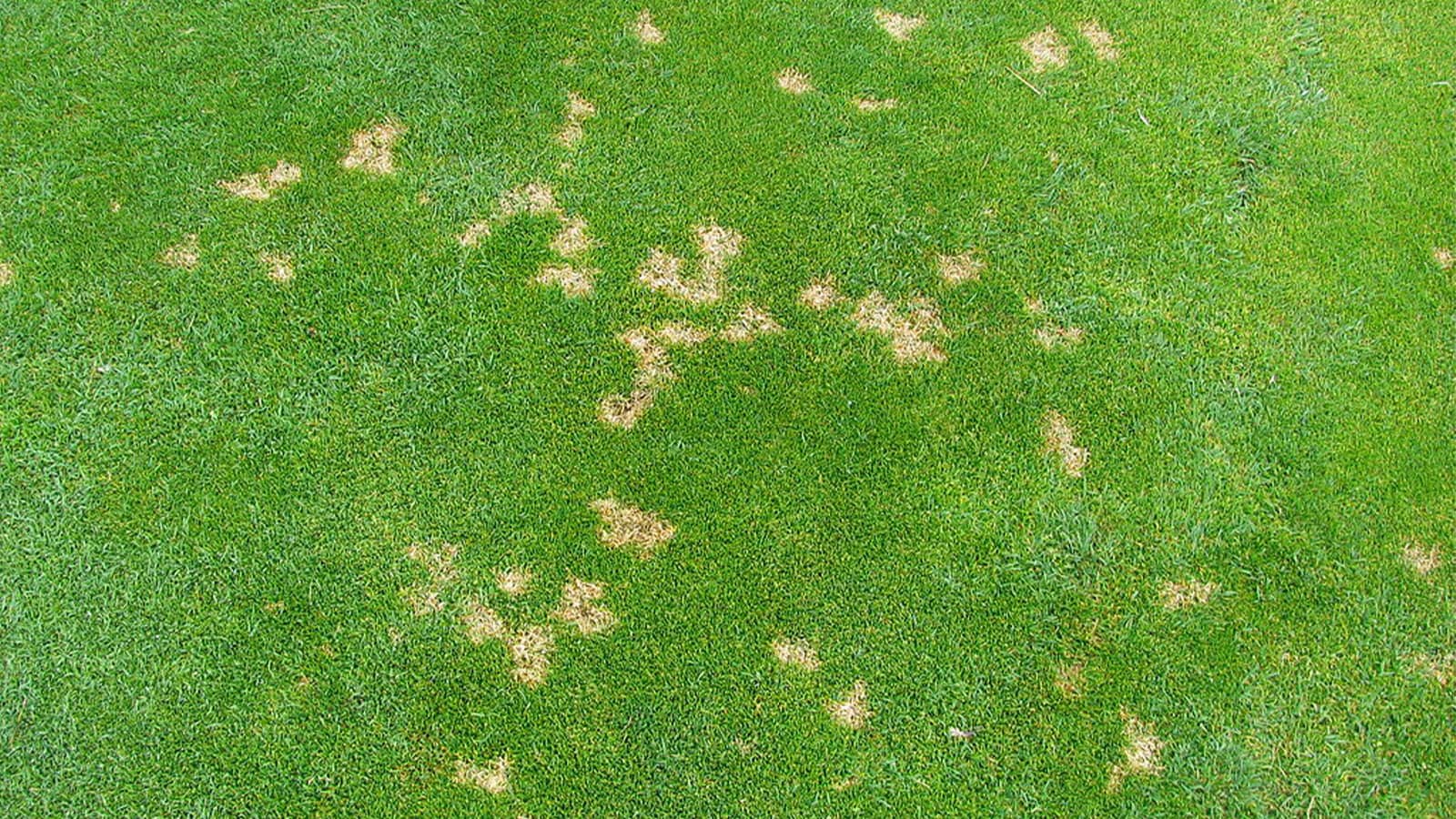
Pictured above from left to right: Large patch and dollar spot.
Can lawn fungus spread by mowing?
Yes, lawn disease can spread through mower blades when mowing. The spores can be carried from one spot to another in the lawn.
What should I put down on my lawn in the fall?
Most bags or bottles of fungicide will instruct you on how much you should be applying, but generally speaking, curative rates are 4–5 times higher than preventive rates.
Lastly, it should be noted that having a healthy lawn that is properly fertilized with the right amount of nutrients will ensure that your grass bounces back from disease or insect pressure pretty quickly. We recommend the Lawnifi fertilizer program for this reason.
Lawnifi is powered by Catalyst TechnologyTM, which nano-sizes the nutrients to make them plant available. This allows your grass and other plants to easily absorb them with the use of less product.
If you currently have an existing lawn disease or suspect one in your lawn, avoid fertilizers rich in nitrogen content as this will serve to feed the lawn disease and promote its growth.