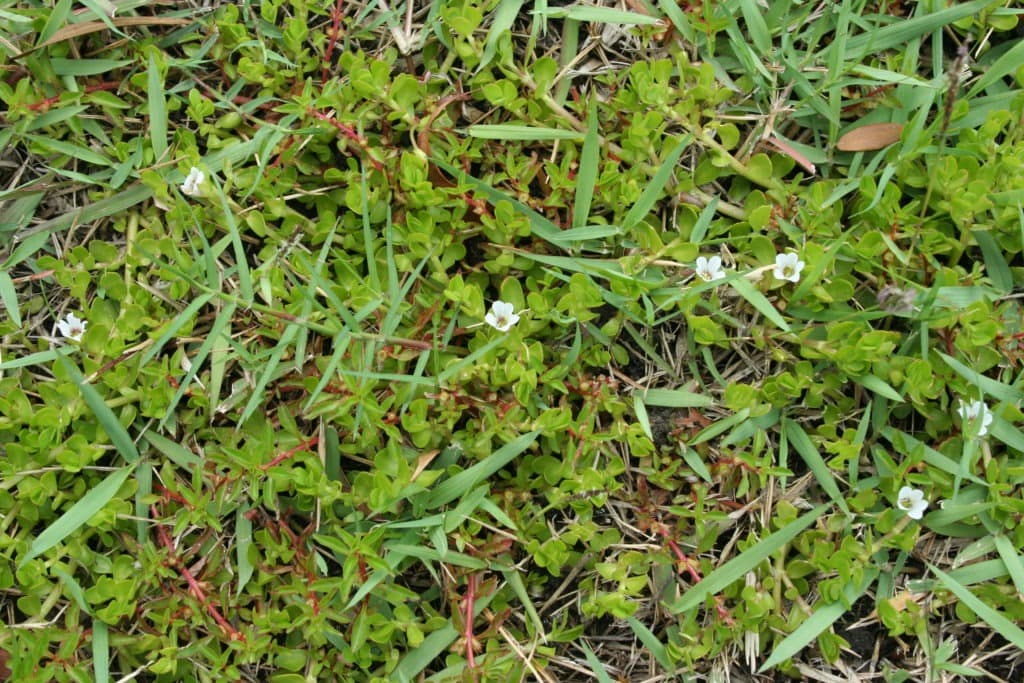
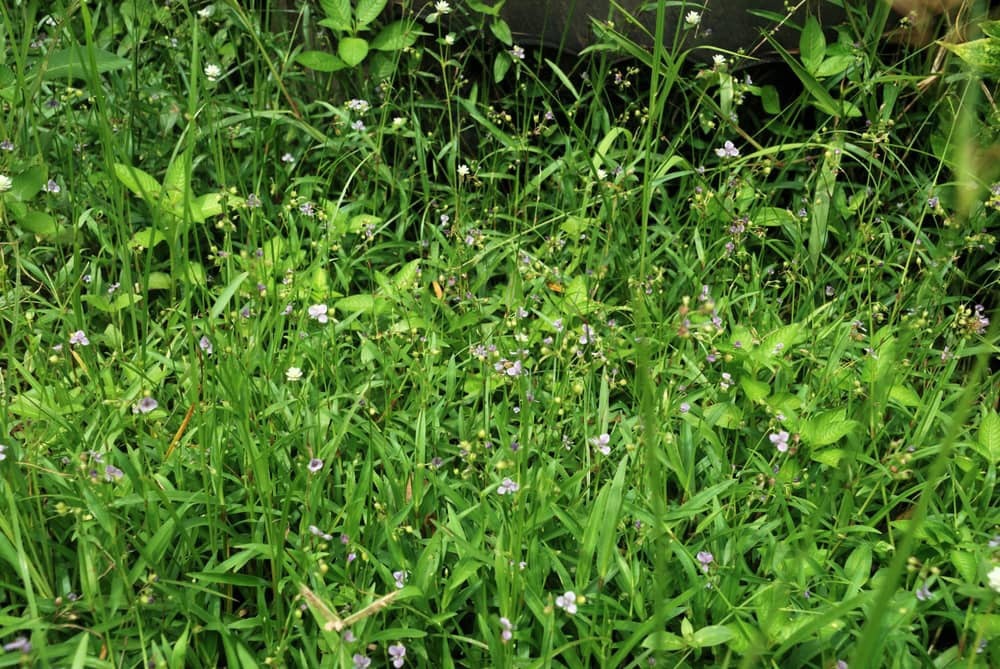
Doveweed is a notorious summer annual weed commonly found in lawns across the Southeast United States. It thrives particularly in wet or poorly drained areas. It can blend in with desirable turfgrasses like St. Augustine and centipede grass, making it difficult to detect early.
Preventing doveweed from establishing in your lawn requires a combination of cultural practices, soil health management and strategic weed control use. Specticle and Atrazine pre-emergent weed control is highly effective with prevention of doveweed.
Maintain a Healthy Lawn: Your First Defense Against Doveweed
A well-maintained lawn can be your best line of defense against doveweed. Healthy, dense grass is far less likely to allow weed seeds like doveweed to germinate and grow. Here are essential practices to implement:
Regular Mowing
Mowing your lawn at the correct height for your grass type is crucial to prevent doveweed from taking over. Doveweed spreads via stolons, which can be easily spread further by improper mowing practices.
Avoid mowing too short, as this can weaken your turf and leave it susceptible to weed invasions. Instead, follow your grass type’s recommended mowing height to promote a thick, resilient turf without room for doveweed to grow.
Managing your mowing practices carefully will help reduce the risk of spreading doveweed through your lawn.
Proper Irrigation
Overwatering is a key concern since doveweed thrives in soggy, poorly-drained soil. Adjust your irrigation practices to avoid creating wet conditions that doveweed favors.
Water deeply but infrequently to promote strong root development in your turfgrass, and focus on improving drainage in areas prone to standing water.
Improve Drainage and Aeration
Improving drainage is one of the most effective ways to prevent doveweed from thriving. Create more drainage areas or improve existing ones in your lawn to reduce standing water, which fosters doveweed growth.
This can include installing French drains, adjusting grading or incorporating drainage tiles to redirect water away from low spots.
Additionally, aerating your lawn can help reduce moisture retention by promoting better water penetration and air circulation in the soil. Regular aeration will relieve compacted areas and ensure excess water doesn't sit at the surface, making your lawn less hospitable to doveweed.
Appropriate Fertilization
Fertilizing your lawn according to the needs of your grass type will help promote vigorous, dense turf that naturally crowds out doveweed. A healthy lawn with thick grass blades makes it harder for doveweed seeds to germinate and grow.
Use specialized specialized fertilizers like Lawnifi® to strengthen your turf without encouraging weed growth. Lawnifi provides slow-release nutrients that support grass growth without promoting excess moisture, which is ideal for preventing doveweed.
Conduct a Soil Test: Optimize Soil Health for Doveweed Prevention
Healthy soil is crucial in preventing doveweed. Conducting a soil test helps you understand the pH and nutrient levels in your lawn, allowing you to adjust fertilization and other practices accordingly.
pH Adjustment
Doveweed can flourish in poorly managed soil. Adjusting the pH to suit your turfgrass will help create an environment that is less favorable to weeds like doveweed.
Nutrient Management
Based on your soil test results, apply soil amendments to correct any deficiencies. A well-fed lawn will grow more densely and be better equipped to outcompete weeds.
Choke Out Doveweed with Dense Turfgrasses
Growing grass varieties that form thick, dense turf is an effective way to prevent doveweed from establishing. Thicker grass helps shade the soil and reduces the space available for weeds to germinate.
Recommended Varieties
Consider dense turf varieties like Empire or Innovation Zoysia or St. Augustines like CitraBlue or Palmetto. These grasses are less susceptible to weed invasions, and their density helps crowd out unwanted weeds like doveweed.
Use Pre-Emergent Weed Control for Doveweed Prevention
For the best results in preventing doveweed, apply pre-emergent weed controls that create a barrier to stop weed seeds from germinating. Timing is essential for pre-emergent applications to maximize effectiveness.
Specticle G
This granular pre-emergent weed control (active ingredient: Indaziflam) is highly effective against doveweed. Apply in late spring, just before soil temperatures reach 60–70°F, as doveweed seeds begin to germinate. Atrazine is best for St. Augustine and centipede grass lawns.
Application Timing
Follow the product label instructions to apply pre-emergent herbicides immediately, ideally before doveweed appears. Applying at the right time helps ensure maximum efficacy.
Manage Shade
Doveweed loves wet, shaded areas. Proper shade and drainage management can reduce the risk of weed invasions in your lawn.
Improve Drainage
Aerating your lawn and addressing drainage issues will help prevent excess moisture on which doveweed thrives. Regularly aerate compacted areas to allow better water penetration and air circulation.
Common Mistakes to Avoid When Preventing Doveweed
Improper Mowing Practices
Mowing too short or too frequently can weaken your grass and spread doveweed vegetatively. Always mow at the recommended height to promote thick, healthy grass.
Incorrect Weed Control Application
Applying pre-emergents at the wrong time or using the wrong product can lead to ineffective control. Be sure to apply weed controls according to label instructions for the best results.
Overwatering
Excessive watering encourages wet conditions in doveweed thrives. Be sure to manage your lawn’s moisture levels by avoiding overwatering and improving drainage.
How can I prevent doveweed? - Answered
By following these preventive measures and maintaining a healthy lawn, you can effectively reduce the risk of doveweed becoming a persistent problem. Stay proactive with cultural practices, use appropriate pre-emergent weed control products and regularly monitor your lawn for early signs of infestation to keep doveweed at bay.