Dandelions are one of the most easily recognizable weeds found in lawns and gardens across the United States. While many view dandelions as invasive weeds, others appreciate their vibrant yellow flowers and potential medicinal uses.
Whether you want to admire or get rid f dandelions, accurate identification is essential for effective lawn management. This guide will help you recognize dandelions at all stages of their lifecycle, distinguish them from look-alike plants, and understand their growth habits.
What Does a Dandelion Look Like?
Dandelions are distinctive due to their bright flowers, rosette growth pattern and unique seed heads. Here's how to identify them:
Dandelion Leaves
Shape
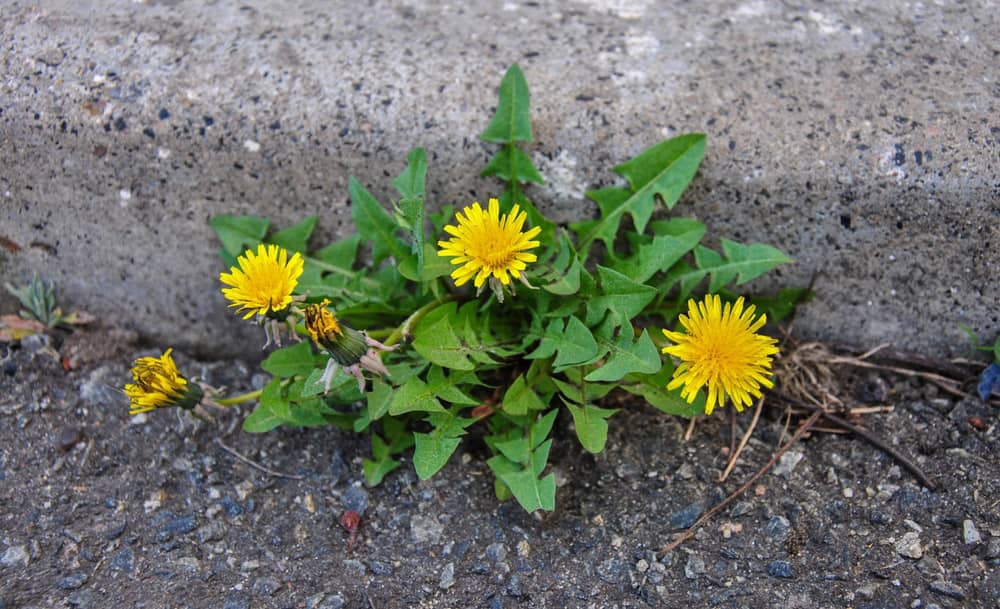
Dandelion leaves are deeply serrated with jagged edges, resembling the teeth of a lion (hence their name, derived from the French dent de lion, meaning "lion's tooth"). The leaves grow in a basal rosette, meaning they radiate from a central point at ground level.
Color
The leaves are usually dark green, though they may have a slightly lighter hue depending on growing conditions.
Size
Dandelion leaves can vary in size, typically ranging from 3 to 10 inches long, depending on environmental factors like soil fertility and moisture.
Dandelion Flowers
Color
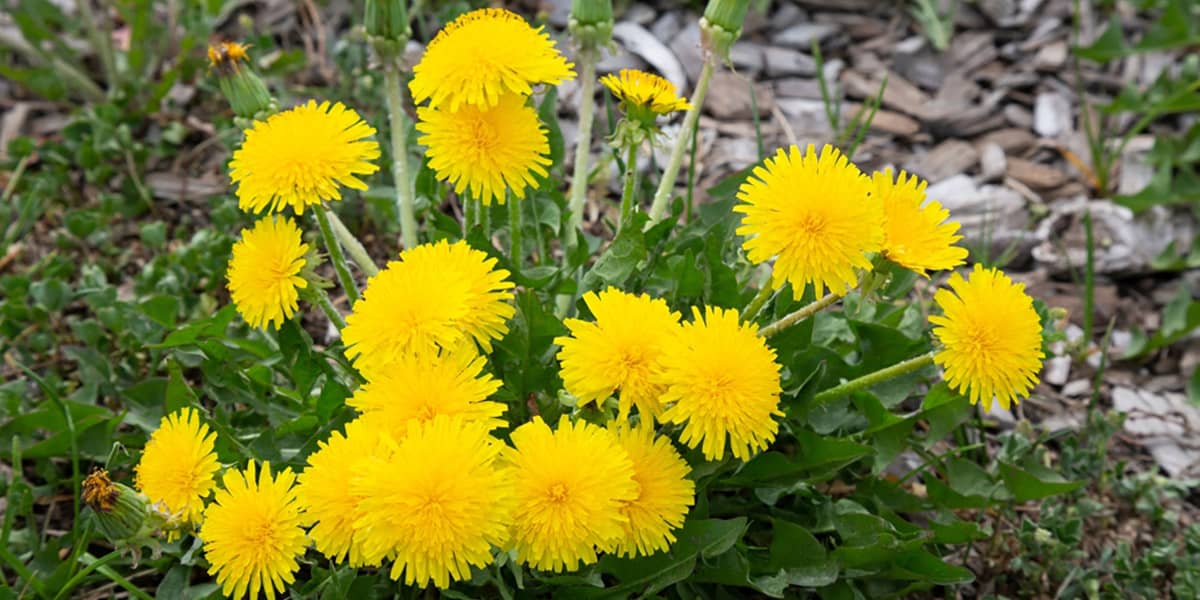
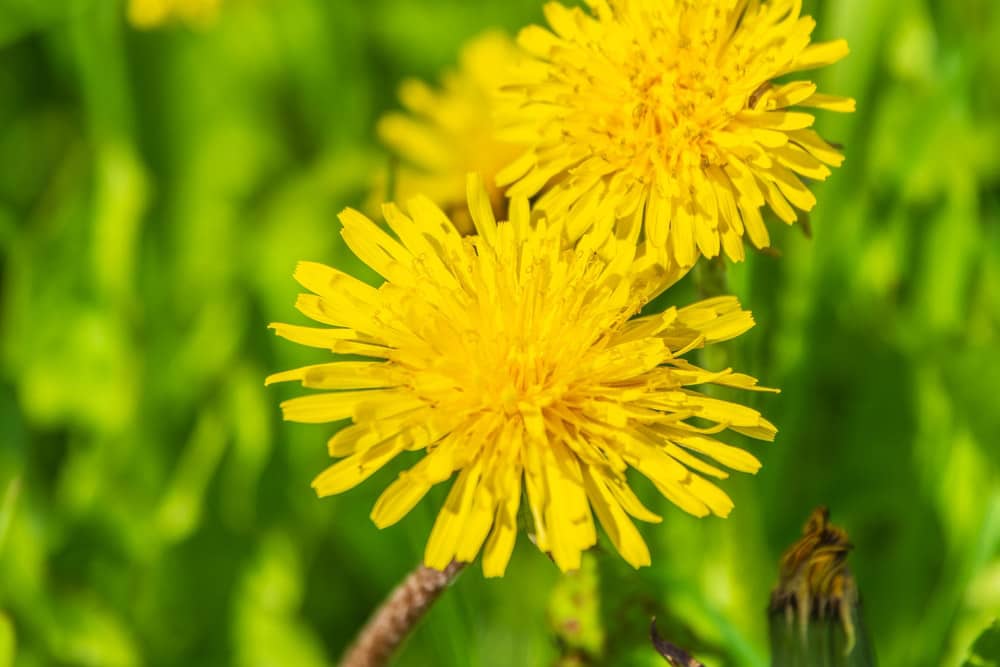
The dandelion's most iconic feature is its bright yellow flower, which is made up of numerous tiny florets clustered together to form a single composite flowerhead.
Size
Dandelion flowers are generally about 1 to 2 inches in diameter and bloom on long, hollow stalks that can reach up to 12 inches in height.
Blooming Time
Dandelions can flower from early spring through fall, depending on the climate. They often continue blooming sporadically throughout the year in mild regions.
Dandelion Seed Heads
After the flowering phase, dandelions produce their famous seed heads, which are fluffy, white spherical clusters that contain the seeds.
Structure
Each seed head is made up of tiny, feather-like seeds attached to a parachute-like structure, allowing the seeds to be dispersed by the wind. Children often blow on these seed heads, creating a "dandelion puff" and helping the plant spread.
Timing
The seed heads appear shortly after the flower has bloomed and wilted, typically within a week. This is one of the easiest stages to spot, especially during late spring and early summer.
Roots
Type
Dandelions have a strong taproot that can extend deep into the soil, sometimes reaching up to 10 inches long. The taproot allows the plant to survive droughts and regrow if the top is cut or pulled.
Appearance
The roots are thick, long and fleshy, with a whitish or pale brown color.
Regeneration
Even if you remove part of the root, the remaining portion can regenerate the plant, making dandelion control challenging.
Dandelion Growth Habits
Dandelions are hardy and adaptable, able to thrive in a wide variety of conditions. They are particularly successful in areas with compacted or nutrient-poor soil, but they can also take root in fertile, well-maintained lawns.
Understanding their growth habits can help you identify and manage them more effectively.
Lifecycle
Perennial
Unlike many common lawn weeds, dandelions are perennials, meaning they live for multiple years. They often appear year after year in the same locations.
Germination
Dandelion seeds can germinate throughout the year, but they typically start in the spring when soil temperatures rise. Seeds can remain viable in the soil for many years.
Flowering
Once established, dandelions flower repeatedly from early spring through the summer and fall. Even a single plant can produce multiple flower heads during the growing season.
Seed Dispersal
Dandelions are prolific seed producers, with each flower capable of generating up to 200 seeds. The seeds are lightweight and easily carried by the wind, allowing them to spread far and wide. This airborne dispersal makes it easy for dandelions to colonize new areas.
Signs of a Dandelion Infestation
Detecting dandelions early in their lifecycle can help prevent widespread infestation. Look for these key indicators in your yard:
Rosettes of Serrated Leaves
Before dandelions produce flowers, they form low-lying rosettes of deeply notched leaves. These leaf clusters spread flat on the ground, often blending into the surrounding grass.
Yellow Flowers
The bright yellow dandelion flowers are hard to miss, especially when they dot a green lawn. If you see a yellow flower on a long, hollow stalk, it's likely a dandelion.
Puffball Seed Heads
If you notice fluffy white seed heads scattered across your lawn, dandelions are already reproducing. These puffballs are a sure sign that the weed is dispersing seeds and could become more widespread.
Deep Taproots
If you attempt to pull up a dandelion by hand and find a long, thick taproot, you've encountered a well-established plant. This taproot is key to the dandelion's survival and resilience.
Dandelion Look-Alikes
Several plants may resemble dandelions at first glance, but subtle differences can help you distinguish them:
Catsear (False Dandelion)
Appearance
Catsear looks very similar to dandelions, but its leaves are more lobed and hairy. Its flowerheads also grow on branched stems, whereas dandelion flowers grow on a single, unbranched stem.
Key Difference
Catsear leaves are fuzzy and not as deeply serrated as dandelion leaves.
Sow Thistle
Appearance
Sow thistle also has yellow flowers, but its leaves are spikier and grow along a branching stem. Its flowers are smaller and more numerous than dandelions.
Key Difference
Sow thistles grow taller and bushier than dandelions.
How to Identify Dandelions in Your Yard - Answered
To accurately identify dandelions in your lawn, look for the following distinguishing features:
- Deeply serrated leaves that grow in a rosette pattern close to the ground.
- Bright yellow flowers on long, hollow stalks that bloom throughout the growing season.
- Fluffy white seed heads that form spherical puffs, signaling the plant's reproduction phase.
- Thick taproots that make the plant difficult to remove by hand.
Dandelions are hardy perennials that thrive in compacted soils and spread easily due to their prolific seed production. Early identification and control can help prevent these weeds from overtaking your yard, ensuring your lawn stays healthy and dandelion-free.