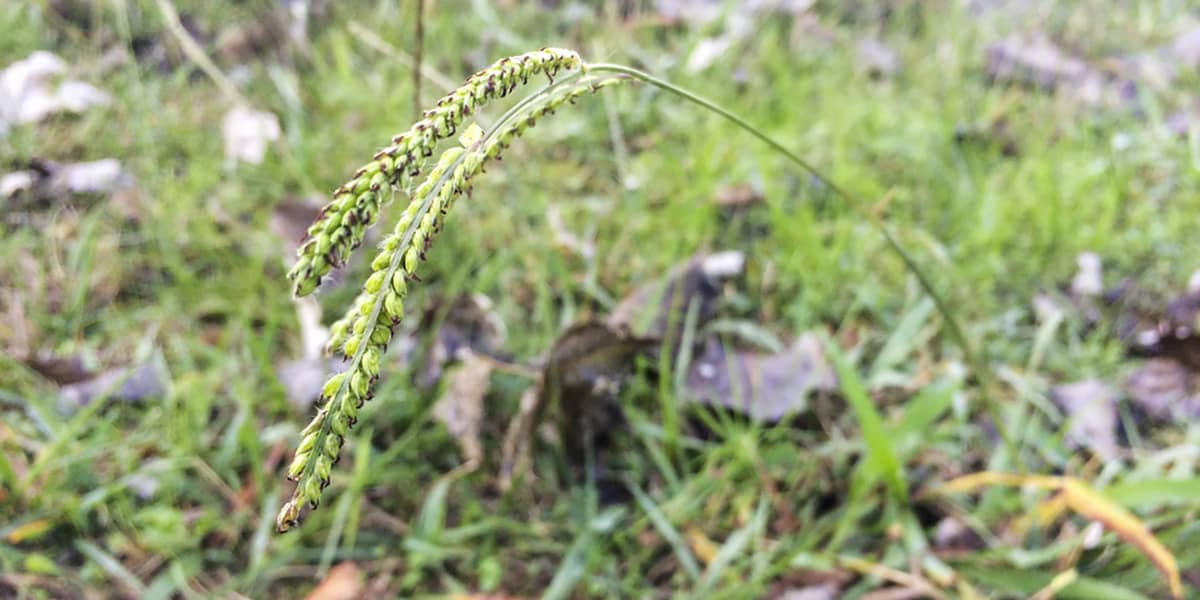
Dallisgrass is a tough, perennial grassy weed found primarily in the southern United States. Its unattractive clumping habit, rapid growth and aggressive spread can make it a nuisance for homeowners striving for a uniform, green lawn.
Fortunately, there are several preventative measures that can help homeowners manage and prevent dallisgrass in their lawns. These methods range from promoting healthy grass growth to applying targeted herbicides at the right time. Below is a detailed guide to preventing dallisgrass and maintaining a healthy lawn.
Weed Prevention Strategies
1. Maintain a Healthy Lawn
A well-maintained lawn is the first line of defense against dallisgrass and other weeds. Implementing strong cultural practices, such as regular mowing, proper irrigation and appropriate fertilization, can create an environment that discourages weed growth.
Here's how to keep your lawn healthy and less susceptible to dallisgrass:
- Mowing: Regularly mow your lawn at the recommended height for your grass type. Taller grass can outcompete dallisgrass and reduce the amount of sunlight reaching the weed’s seeds.
- Irrigation: Water your lawn deeply but infrequently to encourage deep root growth in your turfgrass. Dallisgrass thrives in moist conditions, so avoid overwatering, which can encourage its growth.
- Fertilization: Fertilize your lawn with a balanced nutrient formula to promote healthy, dense grass that outcompetes weeds. Avoid fertilizers that are high in nitrogen, as dallisgrass thrives on excess nitrogen, allowing it to spread more rapidly.
2. Conduct a Soil Test
A critical component of lawn health is maintaining the right soil conditions. Conducting a soil test helps homeowners determine the pH and nutrient levels of their soil, allowing them to adjust fertilization practices accordingly.
Dallisgrass thrives in poor-quality soils, so ensuring your soil has the proper balance of nutrients is essential for a healthy lawn that resists weeds.
- Soil pH: Dallisgrass often prefers compacted or clay-heavy soils. Adjusting the pH to favor turfgrass species (typically 6.0–7.0) can help turfgrass thrive while discouraging dallisgrass growth.
- Nutrient Levels: Use a specialized fertilizer, like Lawnifi, which strengthens the turfgrass by providing essential nutrients. These fertilizers help build dense, resilient grass that can crowd out dallisgrass.
3. Specialized Fertilization
Applying a fertilizer specifically designed to enhance turfgrass health, like Lawnifi, promotes stronger grass growth while discouraging dallisgrass and other weeds. Lawnifi offers slow-release nitrogen, which is less likely to fuel the growth of nitrogen-loving weeds like dallisgrass.
4. Tools for Effective Lawn Care
Effective lawn care requires the right tools to maintain a thick, healthy lawn that naturally resists weed growth. Some of the essential tools include:
- Aerators: These help improve soil structure, reduce compaction, and increase the ability of turfgrass roots to absorb nutrients, water and oxygen. Dallisgrass often thrives in compacted soils, so aerating can help promote a healthy lawn that outcompetes the weed.
- Mowers: A reliable lawnmower that can maintain consistent cutting height is essential for preventing dallisgrass. Remember to mow areas with dallisgrass last and clean your mower afterward, as dallisgrass seeds can stick to mower blades and spread throughout your lawn.
- Protective Gloves: For isolated dallisgrass infestations, hand-pulling can be effective, especially when the plants are young. Wear gloves when removing the weeds to avoid contact with the plant's tough seed heads.
5. Dallisgrass Pre-Emergent
A key component of preventing dallisgrass is applying a pre-emergent herbicide. Pre-emergents work by preventing weed seeds from germinating and are most effective when applied before dallisgrass has the chance to take root.
- Timing: Apply pre-emergent herbicides in early spring when soil temperatures are around 60–65°F. This is the temperature at which dallisgrass seeds begin to germinate. Using a product like Dimension or Mesotrione-based herbicides can prevent dallisgrass before it becomes a problem. Just be sure you don’t apply Mesotrione if you have a zoysia, bentgrass, paspalum or bermudagrass lawn.
- Effectiveness: Pre-emergent herbicides are ideal for areas with a history of dallisgrass issues. These treatments can drastically reduce the amount of dallisgrass appearing in your lawn by stopping the seeds from taking root.
6. Introduce Thicker Grass Varieties
A sustainable way to manage dallisgrass long-term is to plant thicker grass varieties that can naturally outcompete weeds.
Grass types such as Bermuda, Zoysia,and St. Augustine are dense-growing and can form a thick, protective canopy over your lawn, preventing light and nutrients from reaching dallisgrass seeds.
- Benefits of Thick Grass: Dense lawns limit bare spots where dallisgrass seeds can germinate, thus reducing the chance of future infestations. By keeping your lawn healthy and well-established, you can create unfavorable conditions for dallisgrass to spread.
Common Mistakes to Avoid in Weed Prevention
Avoid these common mistakes to effectively prevent dallisgrass and other weeds from taking over your lawn:
1. Over-Fertilizing with Nitrogen
Excess nitrogen promotes dallisgrass growth. Use balanced or slow-release fertilizers like Lawnifi to avoid fueling weeds while nourishing your lawn.
2. Poor Timing of Pre-Emergent Herbicides
Applying pre-emergent herbicides too late, after weed seeds have germinated, makes them ineffective. Apply in early spring when soil temperatures reach 60–65°F for best results.
3. Mowing Too Short
Cutting grass too short weakens your lawn and exposes soil to sunlight, encouraging weed germination. Mow at the recommended height for your grass type to promote density and block weed growth.
4. Overwatering
Dallisgrass thrives in moist conditions. Water deeply but less frequently to discourage weed growth while promoting strong turfgrass roots.
5. Neglecting Bare Spots
Bare patches are prime spots for weeds to invade. Regularly overseed or plug bare areas to prevent weed establishment.
6. Failing to Aerate
Compacted soil limits grass growth but encourages dallisgrass. Regularly aerate your lawn to improve soil structure and promote healthy turfgrass.
7. Not Cleaning Lawn Equipment
Dallisgrass seeds can stick to mower blades and other equipment, spreading weeds. Clean tools thoroughly after use to avoid unintentional seed dispersal.
By avoiding these mistakes, you can maintain a healthier, weed-resistant lawn and reduce the likelihood of dallisgrass infestations.
How to Prevent Dallisgras in Your Lawn - Answered
Preventing dallisgrass in your home lawn involves a combination of proactive and sustainable strategies.
By maintaining a healthy lawn, conducting soil tests, applying specialized fertilizers, using effective tools and taking advantage of pre-emergent herbicides, homeowners can keep dallisgrass at bay.
Additionally, introducing thicker turfgrass varieties can provide a long-term solution to minimize weed problems in the future. When done correctly, these methods work together to create an environment where dallisgrass struggles to thrive, leaving your lawn looking green, lush and weed-free.