As more homes fill our neighborhoods, yard sizes vary widely, but the desire for a healthy, green lawn remains universal. Whether your lawn stretches wide or fits snugly into a compact space, mastering the art of lawn care is essential to achieving that vibrant, inviting green space that elevates your home's curb appeal.
Choosing the Right Grass Type
Understanding the type of grass you have or need is akin to choosing the best ingredients for a recipe. Different grass types have unique care requirements, affecting everything from how much water they need to the amount of sunlight they thrive under. Whether you're seeding a new lawn or maintaining an existing one, knowing your grass type is important for effective lawn care.
Adapting Lawn Care to Your Climate
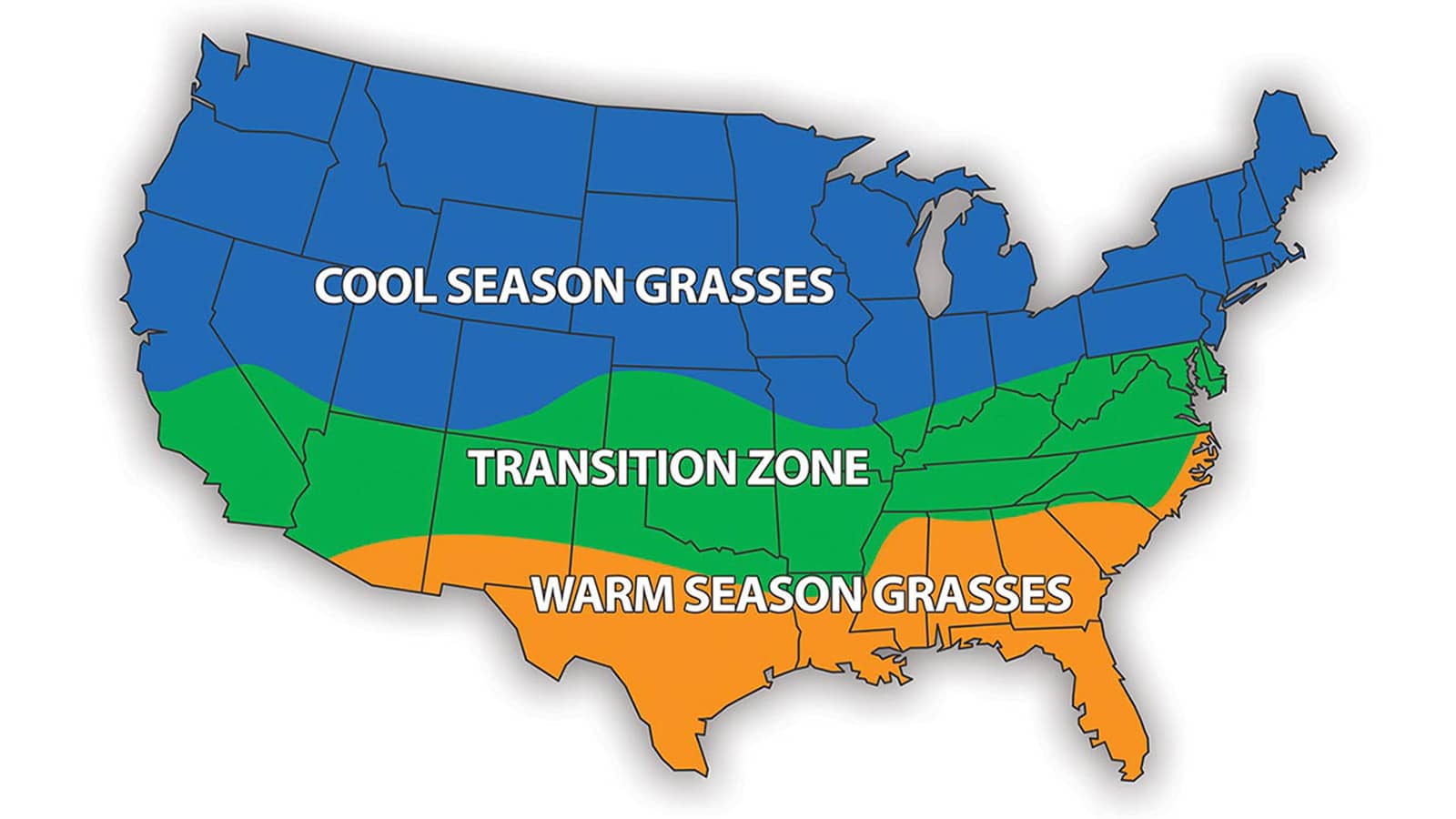
Grasses are broadly divided into categories based on the climates they best grow in. For instance, warm season grasses flourish in southern locales, while cool season grasses do well in northern climates. Matching your grass type to your local environment is key to ensuring it not only survives but thrives.
Prioritize Healthy Soil
The secret to a healthy lawn lies beneath the surface—in the soil. Healthy soil is the foundation of a thriving lawn, supporting grass growth by providing essential nutrients and a balanced pH. Regular soil testing can reveal what your lawn needs to flourish, letting you tailor your fertilization and treatment plans effectively.
Regular Maintenance is Key
Regular upkeep is essential to keep your lawn looking its best. This includes routine mowing, strategic watering and appropriate fertilization, all adjusted to suit your specific type of grass and local weather conditions. Proper maintenance helps avoid common pitfalls like overwatering, which can lead to lawn diseases or poor grass health.
Balanced Fertilization
While fertilizing is essential for lawn health, balance is crucial. Excessive fertilizer can harm your lawn, leading to lush but weak growth that’s prone to pests and diseases. Choose a fertilizer that complements your grass type and follow the recommended application rates to maintain lawn health.
Watch Out for Other Environmental Stressors
Keep a vigilant eye for signs of stress such as pest infestations, disease or heat damage. Early detection and management can prevent these issues from escalating, preserving the health and appearance of your lawn. Implementing a schedule for preventative care, including pest and disease control, is important for maintaining a strong lawn.
Adequate Sunlight and Water
Most grass types need about 4–6 hours of sunlight daily. If your lawn is shaded, consider varieties that require less light. Maintaining proper soil moisture is critical; too much or too little can hinder grass growth. Regularly check your lawn’s moisture levels and adjust your watering schedule accordingly.
Fill in Bare Spots with Grass Plugs or Seed
Bare spots can detract from your lawn's beauty and provide an opening for weeds. Promptly filling these areas with seed or sod that matches your existing lawn helps maintain an even appearance and prevents larger issues from developing.
By implementing these tips, you can cultivate a lawn that looks great and is healthier and more sustainable. Remember, consistent care and attention to detail are the key to a greener lawn. Whether your space is vast or modest, these strategies will help you achieve the healthy, green lawn you desire.