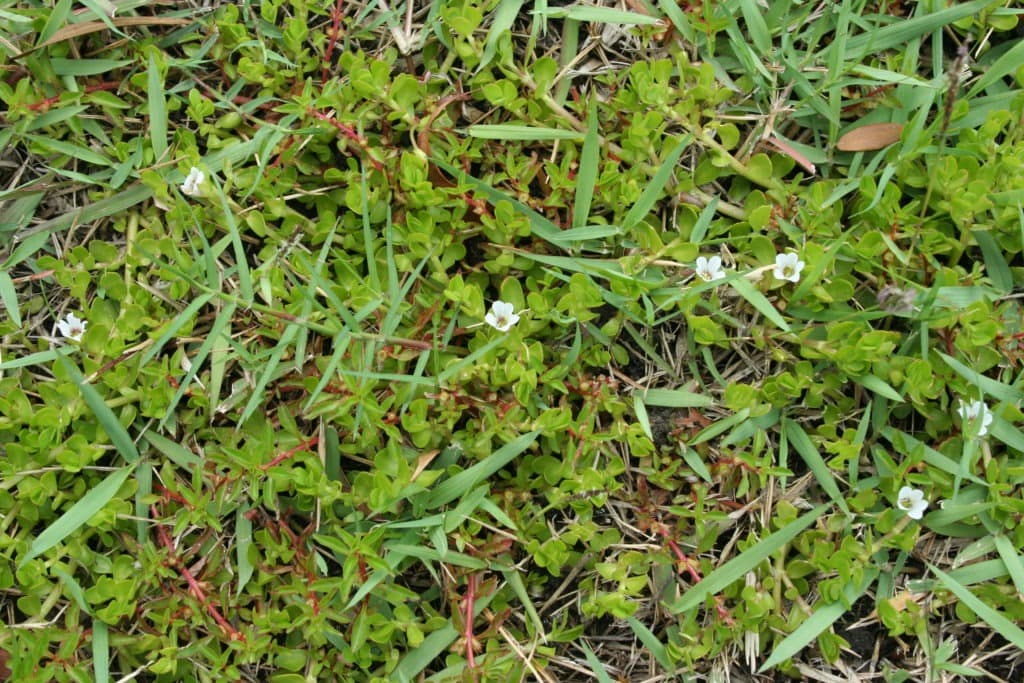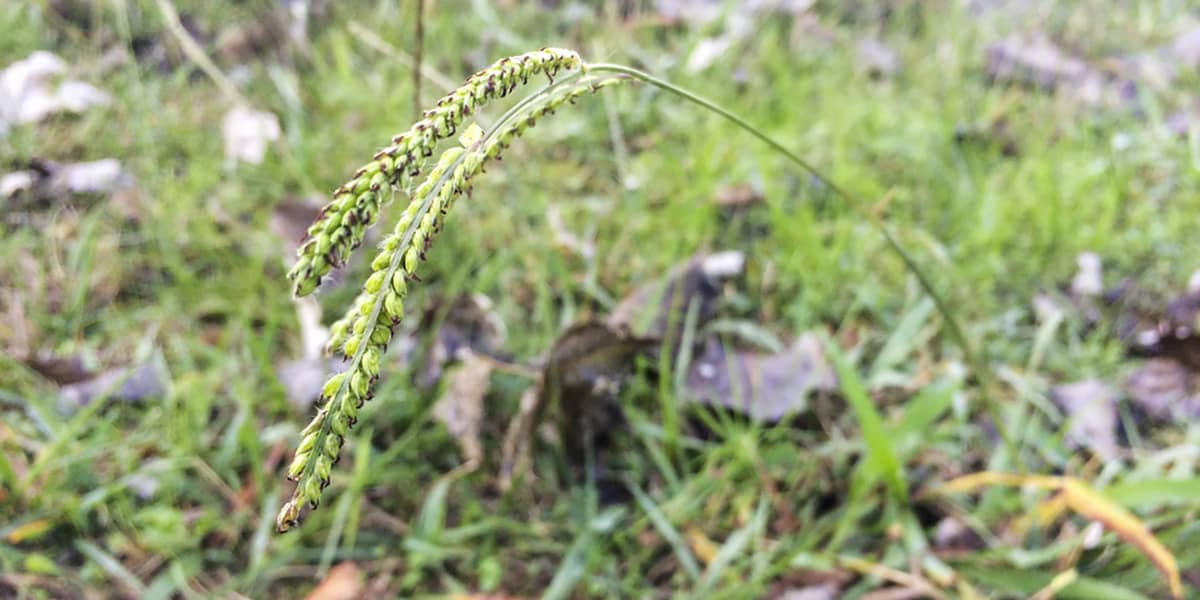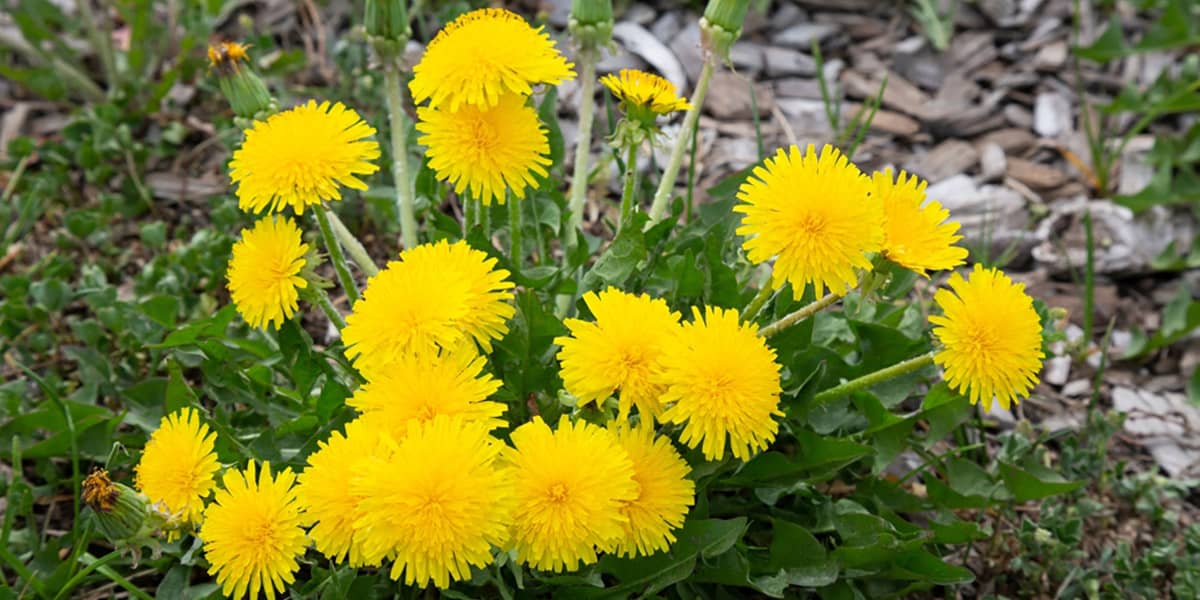
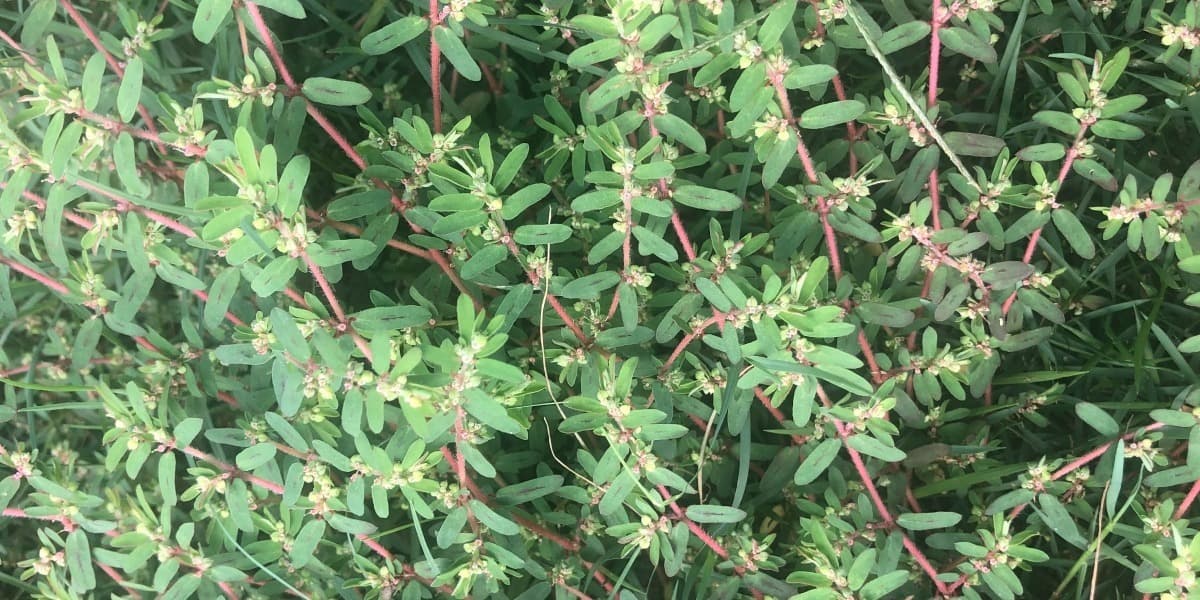
Dealing with lawn hard-to-control weeds like spurge can seem difficult. Still, effective prevention can save you from battling this invasive weed year-round. Spurge is a notorious summer annual weed that can thrive in warm, thin areas of your lawn, especially when turfgrass is weak.
To prevent spurge from taking over your lawn, focus on cultural practices, soil management, proper fertilization and strategic use of weed control products. Prodiamine weed control offers excellent prevention of spurge and other broadleaf weeds.
Maintain a Healthy Lawn: Your First Line of Defense Against Spurge
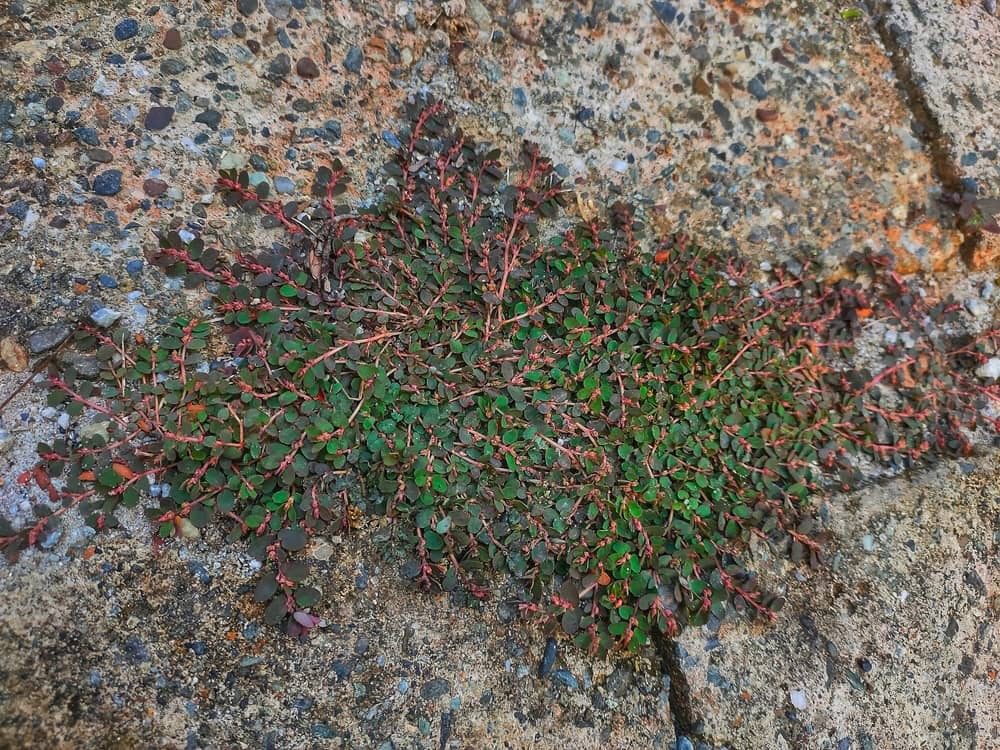
A well-maintained lawn is the most effective defense against spurge and other invasive weeds. Spurge often thrives in areas where turfgrass is thin, struggling or under-watered.
By implementing consistent lawn care practices, you can create an unfavorable environment for weed seeds to germinate and establish.
Regular Mowing
Mowing your lawn at the correct height for your grass type is crucial in preventing spurge. Spurge tends to grow close to the ground, so avoiding scalping the lawn is important, as mowing too low can stress your grass and give spurge an advantage.
Keeping your grass slightly taller can help shade emerging weeds, reducing spurge’s ability to establish.
Proper Irrigation
While overwatering isn’t a significant concern for spurge, under-watering can weaken your grass and allow spurge to take over in hot, dry areas. Spurge thrives in such conditions, particularly when the turf is stressed by drought or insufficient watering.
Therefore, watering deeply and infrequently is essential to encourage strong root growth in your turfgrass. This deep watering helps keep your lawn robust during dry seasons, reducing spurge’s chances of outcompeting your grass.
Appropriate Fertilization
Fertilize according to your grass type and seasonal needs to ensure your lawn remains dense and healthy. A well-fertilized lawn is more resilient and less likely to allow spurge to establish.
A balanced fertilization schedule, such as using Lawnifi®, can give your grass the nutrients it needs to outcompete weeds like spurge. Avoid over-fertilizing, as it can lead to excessive growth of weeds instead of strengthening your grass.
Do a Soil Test to Keep Spurge Away
Soil health plays a crucial role in preventing spurge. Conducting a soil test allows you to understand the pH and nutrient levels of your lawn, which can be adjusted to promote optimal grass growth and suppress weed development. Spurge tends to thrive in overly acidic or nutrient-poor soils.
Adjust pH Levels
Spurge can thrive in poor soil conditions. Adjusting the pH to suit your grass type creates an environment less conducive to spurge and other weeds.
Nutrient Management
Apply soil amendments based on your test results to correct nutrient deficiencies, ensuring your lawn is healthy and robust enough to resist spurge.
Strengthen Your Turf, Stop Spurge: Use Specialized Fertilizers
Specialized fertilizers, like Lawnifi, provide the proper nutrients to your lawn with minimal product use, helping your turf grow thicker and healthier. A dense lawn is a powerful deterrent against weed seeds like spurge that need light and space to germinate.
Benefits of Lawnifi
Lawnifi offers slow-release nutrients that support grass growth without encouraging weed development. Consistent use can help your lawn withstand environmental stresses and minimize bare spots where spurge can establish.
Use Thicker Grass to Choke Out Spurge
Another effective preventive measure is to grow grass varieties that naturally crowd out spurge. Dense turf varieties can provide long-term, sustainable weed control by filling in gaps and reducing the space for spurge to grow.
Recommended Varieties to Prevent Spurge
Opt for dense turfgrasses such as Innovation or Empire Zoysia or thick-bladed CitraBlue or Palmetto St. Augustine, which are less susceptible to weed infestations and help maintain a healthy, full lawn.
Prevent Spurge with Pre-Emergent Weed Control
Pre-emergent weed controls are highly effective in preventing spurge before it even appears. These herbicides create a barrier that prevents weed seeds from germinating, making them an essential tool for spurge prevention.
Prodiamine 65 WDG
Prodiamine weed control offers excellent prevention of spurge and other broadleaf weeds. Apply early spring for best results when soil temperatures approach 60 degrees Fahrenheit. Learn more.
Application Timing
Timing is crucial; apply pre-emergents before the spurge germination window to maximize effectiveness. Following the product label instructions will ensure you use the correct amount and prevent damage to your lawn.
Shade Management and Mulching
Spurge thrives in sunny, bare spots. Managing the light that reaches the soil can help prevent weed growth.
Mulching Borders and Edges
Mulch around the edges of your lawn and in garden beds to suppress weed growth. Mulching is a physical barrier, reducing light and moisture access to spurge seeds.
Plant Shade-Tolerant Grasses
In areas where spurge tends to dominate, consider planting shade-tolerant grasses like St. Augustines or finer-bladed zoysias that can help create a less favorable environment for spurge.
Common Mistakes to Avoid to Prevent Spurge
Preventing spurge requires careful attention to lawn care practices. Avoiding common mistakes can improve your lawn’s resistance to this persistent weed.
Incorrect Weed Control Application
Applying pre-emergents at the wrong time or using the wrong product can lead to ineffective suppression. Always read the label and follow application instructions.
Neglecting Lawn Care Basics
Skipping basic maintenance like fertilization, aeration or proper mowing can create weak spots where spurge can easily establish.
Scalping the Lawn
Mowing too short or allowing the grass to thin out weakens the lawn and gives spurge the upper hand. Maintain proper mowing heights to ensure your turf remains strong and weed-resistant.
How do I prevent spurge in my yard? - Answered
Preventing spurge starts with proactive lawn care and strategic use of resources to create healthy, dense turf that outcompetes weeds.
By maintaining your lawn through regular mowing at the appropriate height, watering deeply and infrequently, and fertilizing according to your lawn’s needs, you can reduce spurge’s ability to establish. Apply pre-emergent weed control at the correct times to prevent spurge seeds from germinating. Finally, consider mulching bare spots and planting shade-tolerant grasses to reduce sunlight exposure, which spurge needs to thrive.