Poa annua, commonly known as annual bluegrass, is a ubiquitous lawn weed that disrupts the uniformity and aesthetics of turfgrass across the United States. Accurate identification of this weed is crucial for timely and effective management, especially given its ability to blend in with desirable grass types like Kentucky bluegrass or fine fescue.
This guide provides a detailed description of Poa annua's appearance, its growth habits and lifecycle to aid homeowners in accurate identification and management.
Identifying Poa Annua
Light Green Color
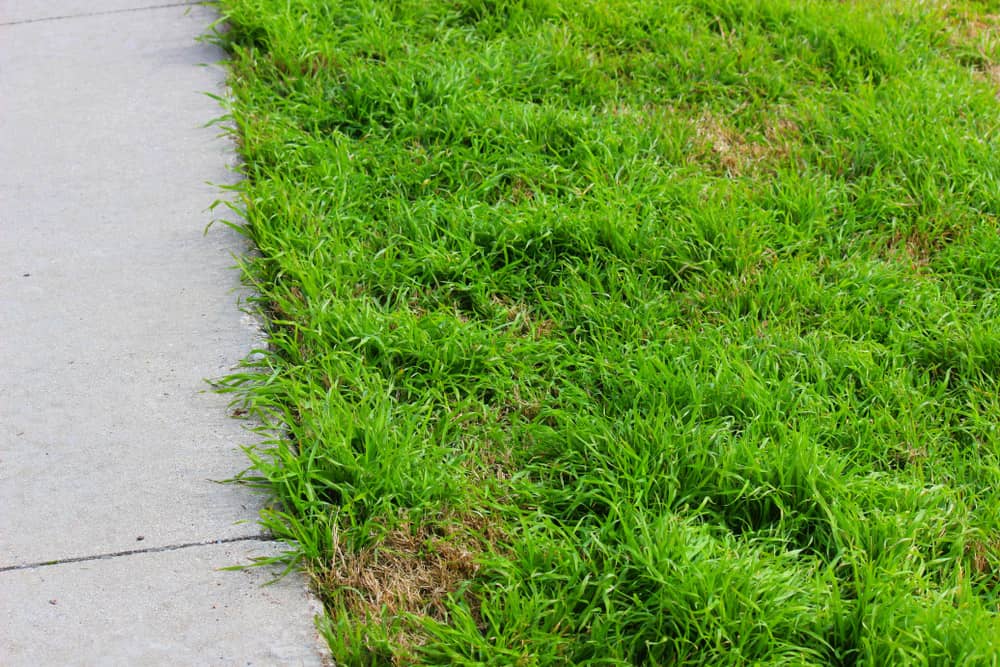
One of the most noticeable features of Poa annua is its vivid, light green color, which stands out compared to darker green turfgrasses like Kentucky bluegrass or tall fescue.
Boat-Shaped Leaf Tips
Another key characteristic is its boat-shaped leaf tip. This unique visual marker helps distinguish Poa annua from other grasses.
Fine-textured blades
Poa annua has fine-textured grass blades that typically grow in clumps, making it relatively easy to spot compared to turfgrass's more uniform growth.
Seed heads
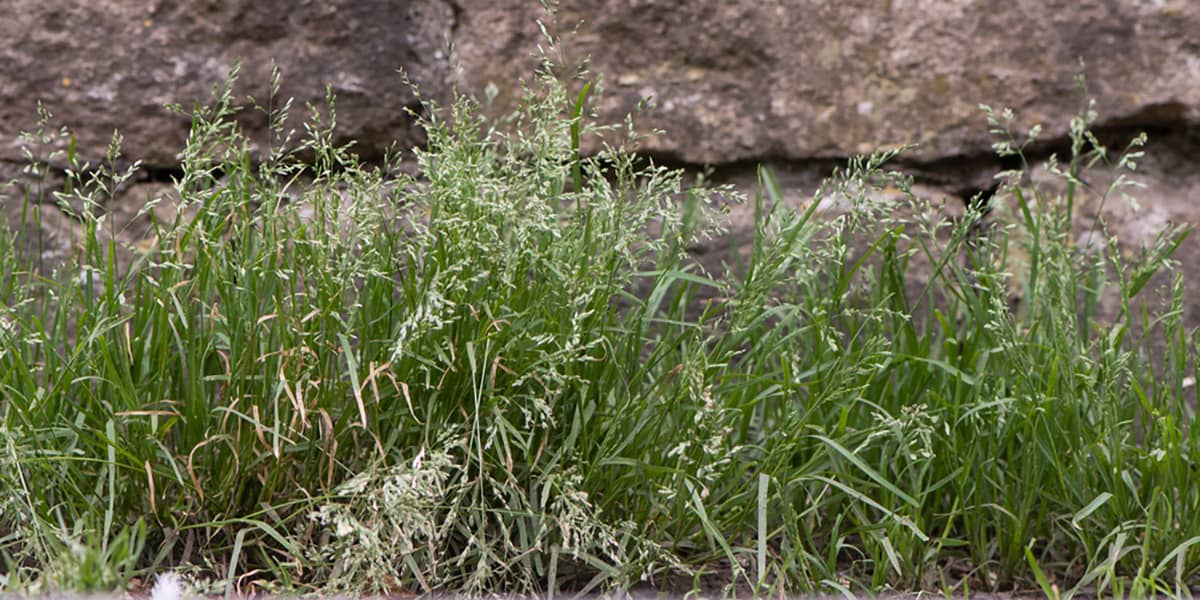
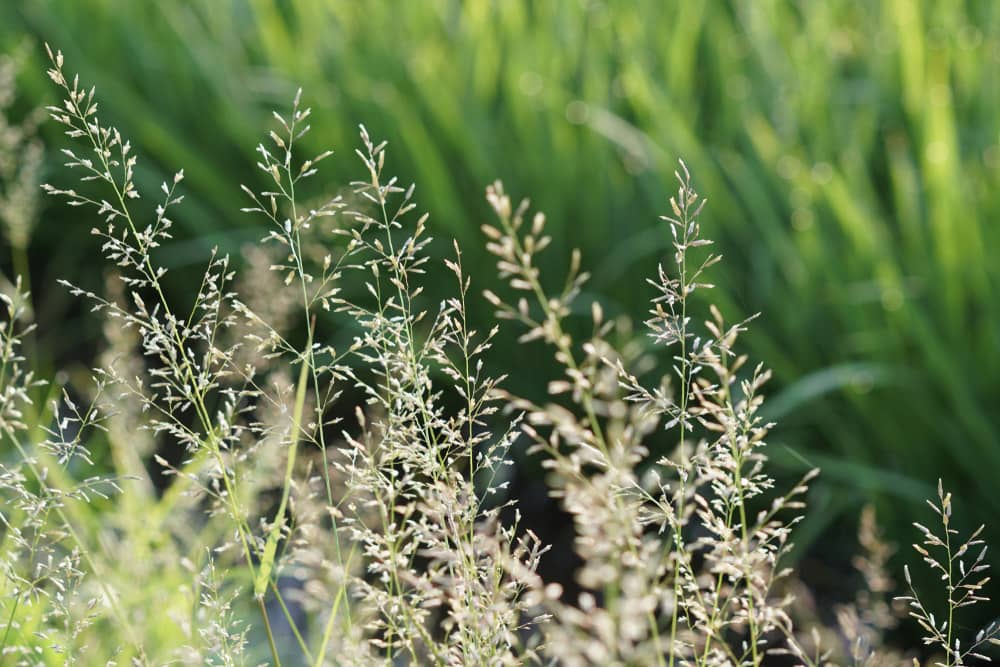
The most distinctive feature is its tall seed heads, which rise above the grass canopy. These tassel-like seed heads are most visible during the flowering stage in early spring. They are a crucial indicator of a Poa annua infestation.
Description of Appearance
Seedling Stage
In its early stages, Poa annua exhibits small, rounded leaf tips. The light green color becomes more prominent as it matures, and the clumpy growth pattern emerges.
Mature Stage
When fully mature, Poa annua produces tall stalks with tassel-like seed heads that rise above the grass. These seed heads are easy to spot and are a significant identifying feature, particularly in spring.
Poa Annua vs. Kentucky Bluegrass
Poa annua can easily be confused with other cool-season grasses like Kentucky bluegrass. However, Poa annua’s lighter green color and clumpy growth pattern set it apart from the darker and more uniform Kentucky bluegrass.
Poa Annua Growth Habits
Poa annua's growth can vary significantly across different regions:
Northern States
It tends to grow more vigorously in the cooler, moist conditions of the north, often growing densely and thriving in shaded, overwatered lawns.
Southern States
Poa annua might appear more sporadically in warmer regions, often in areas with poor drainage or where other factors stress turf.
Poa Annua Lifecycle
When does Poa Annua Germinate?
Poa annua typically germinates in the fall when soil temperatures drop below 70 degrees Fahrenheit. It can also have a secondary germination in early spring.
Seed Production
It flowers in early spring, and each plant can produce thousands of seeds that can remain viable in the soil for several years, complicating control efforts.
Annual Pattern
This weed completes its lifecycle within a single year, germinating, growing, flowering, and dying within a few months.
Signs of Infestation
Identifying the signs of a Poa annua infestation early is critical for management:
Light Green Patches
Poa annua often appears as light green patches in your lawn, particularly in cool, moist areas. These patches can expand quickly due to the weed’s rapid seed production.
Seed Heads
Suppose you notice tall seed heads rising above the grass canopy, especially in early spring. In that case, you likely have a Poa annua infestation. These seed heads are more noticeable than the surrounding grass and are a key indicator of the weed.
How do I identify Poa annua in my lawn? - Answered
To identify Poa annua in your lawn, look for the following key characteristics:
- Light green, fine-textured grass blades that grow in clumps.
- Boat-shaped leaf tips that differentiate it from other grasses.
- Tall seed heads with tassel-like seeds that rise above the grass canopy during its flowering stage in early spring.
Poa annua thrives in cool, moist areas of your lawn, often appearing more vigorously in shaded or overwatered patches. Early identification is crucial to managing this weed effectively, especially given its significant seed production and ability to germinate in the fall and flower in the spring.
By understanding these specific characteristics and monitoring your lawn regularly, you can quickly identify Poa annua and take steps to control it before it becomes a larger problem, helping to maintain the health and appearance of your lawn.