Doveweed is an aggressive summer annual commonly found in lawns across the Southeast United States. It thrives in moist environments and often blends in with popular turfgrasses like St. Augustine and centipede grass, making it difficult to spot early.
Proper identification is critical to managing doveweed before it spreads uncontrollably and overtakes your lawn.
This guide will help you recognize dove weed by detailing its appearance, growth habits and lifecycle. Additionally, you’ll learn how to distinguish dove weed from other look-alike weeds, ensuring accurate identification for timely management.
What does doveweed look like?
Shiny, Waxy Leaves
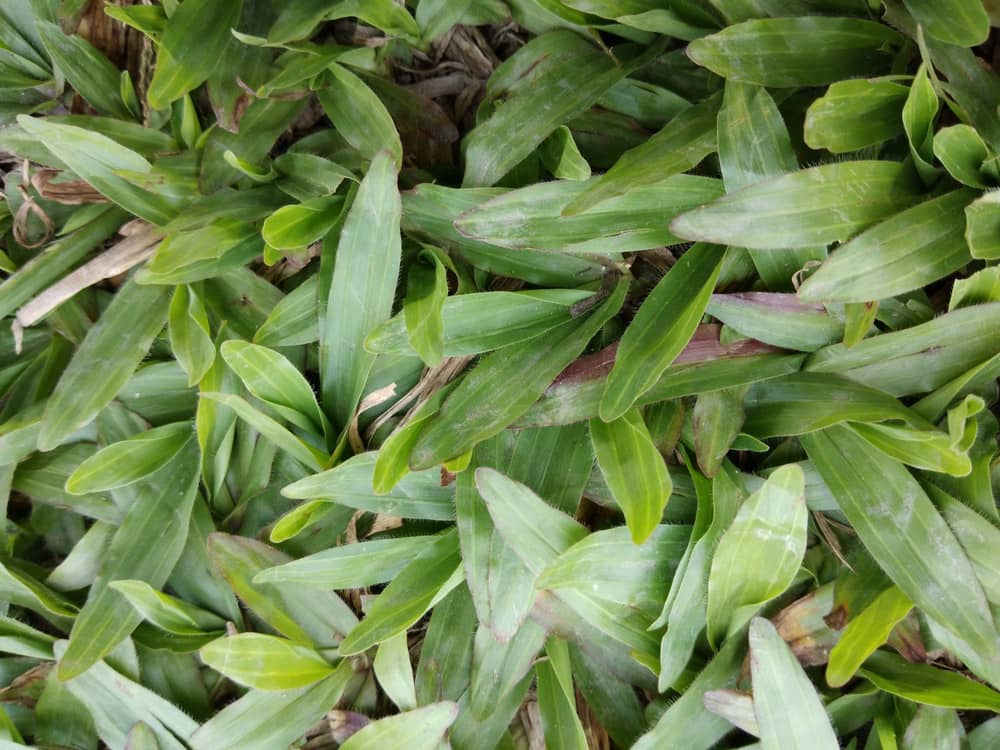
Doveweed’s shiny, waxy texture on the leaves makes it stand out from turfgrasses like St. Augustine. The leaves have a rubbery feel, which helps differentiate doveweed from other grass-like plants.
This waxy sheen is one of the most noticeable features of doveweed, particularly when the sun catches its leaves.
Blue-Purple Flowers
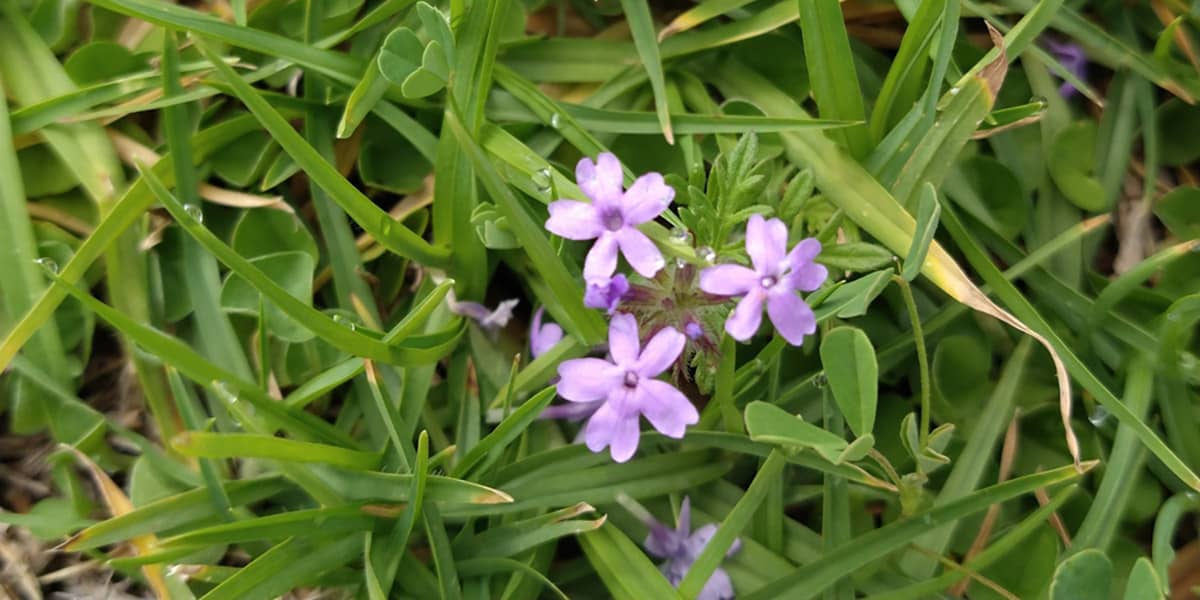
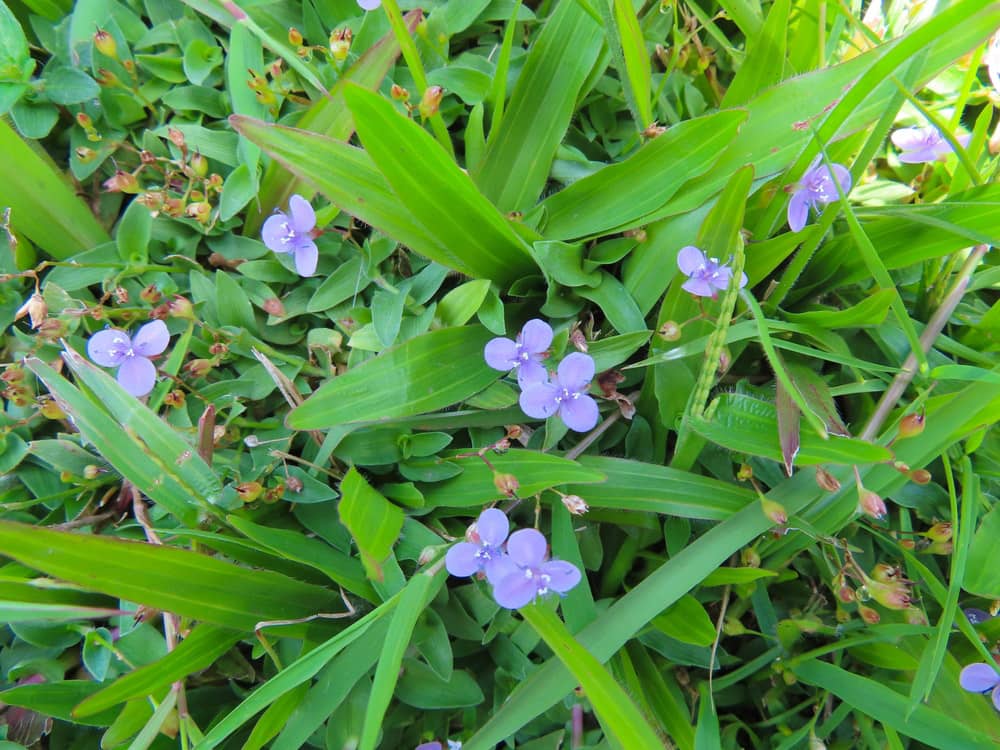
Doveweed produces distinct blue-purple flowers in the summer, making it unique among weeds. No other weed in your articles, including spurge or Poa annua, has this floral display.
These small, three-petaled flowers typically appear in clusters and serve as a key identification feature during summer.
What is Doveweed?
Doveweed is a moisture-loving weed that thrives in areas with high humidity and poor drainage. It spreads rapidly via seeds and stolons (creeping stems), making early identification crucial to controlling it before it overtakes your lawn.
Stolons
Doveweed spreads through creeping stolons, which root at the nodes as they grow. This allows doveweed to spread rapidly, forming dense mats across your lawn. When mowed, small fragments of stolons can root and grow new plants, causing the weed to spread even further.
Moisture
Doveweed’s preference for wet soil often makes it problematic in over-irrigated lawns or areas with poor drainage.
Appearance: How to Identify Doveweed
Doveweed can easily be confused with desirable turfgrasses like St. Augustine because of its similar appearance. However, the following key characteristics will help you distinguish doveweed from your lawn grass:
Leaves
Doveweed has narrow, elongated leaves with parallel veins that resemble thicker-leafed grasses. The leaves are waxy, shiny and have a rubbery texture, setting them apart from the softer, matte leaves of turfgrass.
Flowers
Doveweed produces small, three-petaled flowers ranging from purple to blue. These flowers typically appear in clusters during summer, making doveweed easier to identify when in bloom.
Stems and Stolons
Doveweed grows creeping along the ground via stolons (horizontal stems), which root at the nodes. This creeping growth pattern allows it to spread quickly across your lawn.
Growth Habits: How Doveweed Behaves in Different Climates
Doveweed thrives in warm, moist environments, particularly in the Southern United States, but it can appear in other regions with the right conditions. Here's how it behaves in different climates:
Southern States
Doveweed is most problematic in the Southeast, where humidity and rainfall create ideal conditions for its growth. Lawns with poor drainage or over-irrigation are particularly vulnerable to doveweed infestations.
Northern States
Doveweed is less common in cooler regions but can still appear in hot, humid summers. It is typically found in poorly drained or overwatered areas in northern lawns.
Lifecycle: Understanding Doveweed’s Growth Cycle
Knowing doveweed’s lifecycle will help you identify and manage it before it spreads too far:
Germination
Doveweed seeds germinate in late spring or early summer when soil temperatures reach around 60–70°F. It continues growing throughout the hot summer months, thriving in areas with heavy moisture.
Seed Production
Doveweed flowers in summer and produce seeds that fall to the ground. These seeds can remain dormant through the winter and germinate the following year, making dove weed a recurring problem if not properly controlled.
Vegetative Propagation
In addition to seed production, doveweed can also spread vegetatively through stolons. When these stolons are cut by a mower, small fragments can root and grow into new plants, accelerating the spread of doveweed.
Signs of Doveweed Infestation
Detecting doveweed early is critical for stopping its spread. Here are the key signs to watch for:
Shiny Patches
Doveweed’s waxy, rubbery leaves create shiny patches in your lawn that can subtly differ from your turfgrass. These patches are more noticeable in areas with high moisture.
Clusters of Blue-Purple Flowers
If you notice small blue-purple flowers scattered across your lawn during summer, doveweed is likely present.
Creeping Growth
Doveweed’s stolons creep along the soil surface, allowing it to spread outward in dense mats. This creeping growth pattern is a telltale sign of a doveweed infestation.
Visual Identification: Distinguishing Doveweed from Similar Weeds
Doveweed is easily mistaken for other lawn weeds due to its grass-like appearance. Here’s how to distinguish it from look-alikes:
St. Augustine Grass
Doveweed often resembles St. Augustine grass because of its similar leaf shape. However, doveweed’s leaves are shinier and more rubbery than the softer leaves of St. Augustine. Additionally, doveweed produces small purple-blue flowers, while St. Augustine grass does not flower in the same way.
Virginia Buttonweed
While both weeds can spread across lawns, Virginia buttonweed has white flowers with purple veins, unlike doveweed’s blue-purple blooms. Virginia buttonweed’s leaves are also broader and more textured compared to doveweed’s narrow, waxy leaves.
Types of Doveweed
Common Doveweed
Common doveweed has narrow, grass-like leaves, producing small blue or purple flowers. It thrives in warm, moist conditions, especially in lawns and gardens with poor drainage.
This weed spreads rapidly through creeping stems (stolons) and seeds, often forming dense patches that crowd out desirable turfgrass.
Asian Doveweed
Asian doveweed is similar in appearance to common doveweed but tends to have broader leaves and a more upright growth habit. It produces small, pale blue or violet flowers and spreads primarily in tropical and subtropical regions.
It thrives in moist soils and is often found in disturbed areas such as roadsides and gardens.
Marsh Dayflower/Doveweed
This variety is found in wet, marshy areas and can even tolerate temporary flooding. It has slightly thicker, fleshy leaves compared to common doveweed, with small, bright blue flowers.
Marsh doveweed is highly invasive in wetlands, spreading aggressively through both seeds and stems.
How to Identify Doveweed in Your Lawn - Answered
To identify doveweed in your lawn, look for these key characteristics:
- Shiny, rubbery leaves: Doveweed’s leaves resemble thicker grass blades and have a distinct waxy texture.
- Purple-blue flowers: Doveweed produces small blue-purple flowers in clusters during the summer.
- Creeping growth: Doveweed spreads via stolons, which allow it to grow outward in dense mats. Mowing can inadvertently spread doveweed by cutting and distributing its stolons, which can quickly root and establish new plants.
Doveweed thrives in moist areas and can spread rapidly through both seeds and vegetative propagation. Early detection, paired with proper lawn care, will help you control doveweed before it overtakes your lawn and becomes a recurring issue.