
Bermuda grass is a favorite choice for lawns in warm climates, offering a durable, drought-tolerant turf with a lush, dense appearance. Growing bermuda grass from seed is a cost-effective way to establish a thick lawn, whether you’re covering a large area or patching bare spots.
This guide walks you through every step of the process, from preparation to maintenance.
Why Choose Bermuda Grass for Your Lawn?
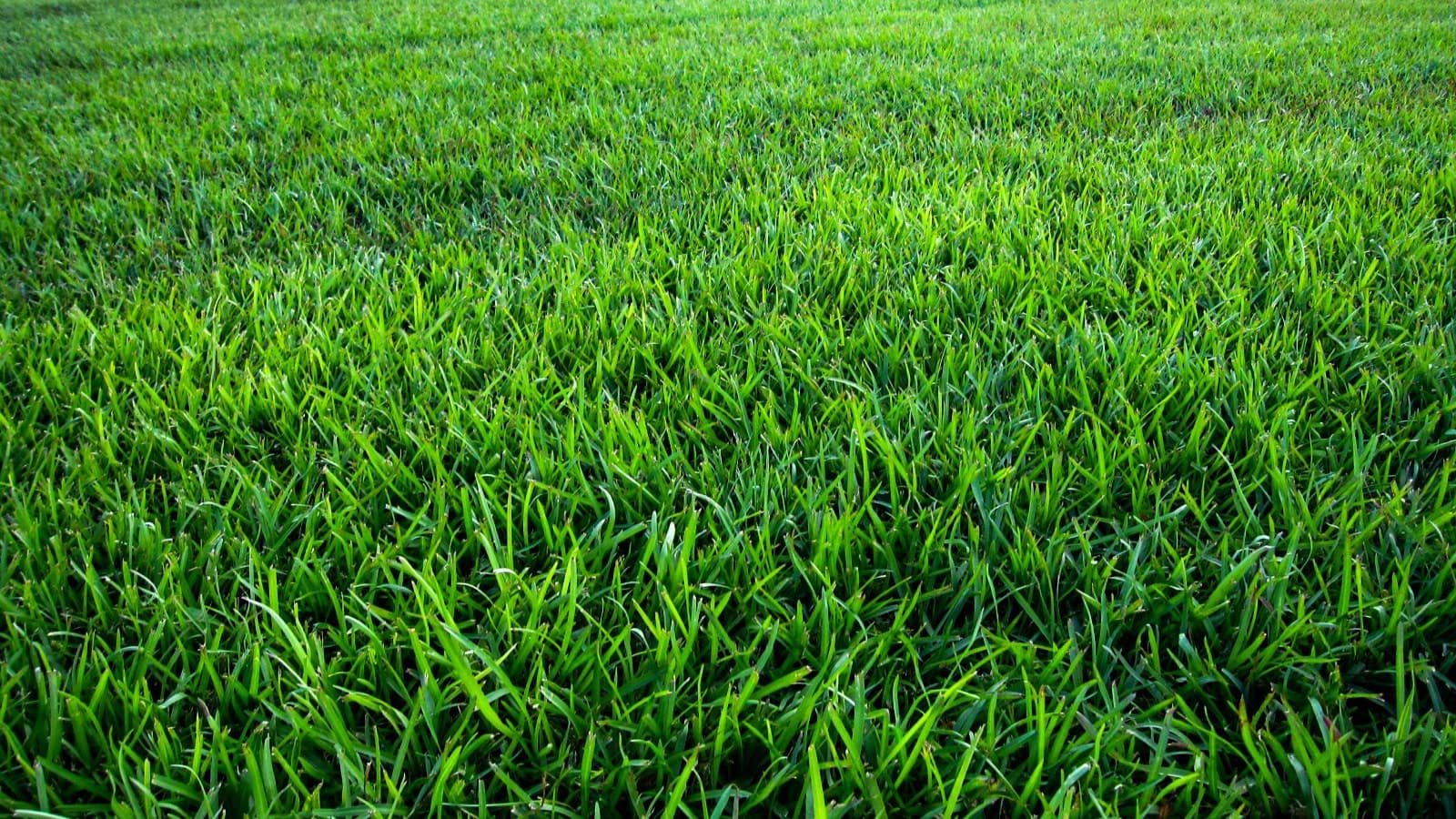
Bermuda grass thrives in warm climates, providing a dense, fast-growing lawn. It is resilient, recovers quickly from damage and outcompetes weeds with its dense growth habit. Lawnifi Bermudagrass Seed is an excellent choice for its quick germination and enhanced drought tolerance.
Step 1: Test the Soil
Testing your soil before planting bermuda grass seed is essential. The health of your soil determines the overall success of your grass. Conduct a soil analysis to check pH levels and nutrient content.
Take your soil test before applying herbicides or clearing the lawn, as chemicals can temporarily alter the pH. Balanced soil ensures the nutrients in fertilizers are absorbed effectively, maximizing growth.
Step 2: Buy Bermuda Grass Seed
Bermuda grass is ideal for warm season regions in the southern United States. For high-performance options, Lawnifi Bermudagrass Seed stands out with its fertilizer coating that promotes quick establishment. Make sure to research the maintenance requirements for bermuda grass to ensure it aligns with your available time and resources.
Step 3: Measure Your Planting Area
Before buying seed, measure your planting area to calculate how much seed you’ll need. Use tools like an online area calculator to draw an overlay shape of your lawn. This measurement helps you determine the appropriate amount of seed to purchase and avoids waste.
Step 4: Prepare Your Soil
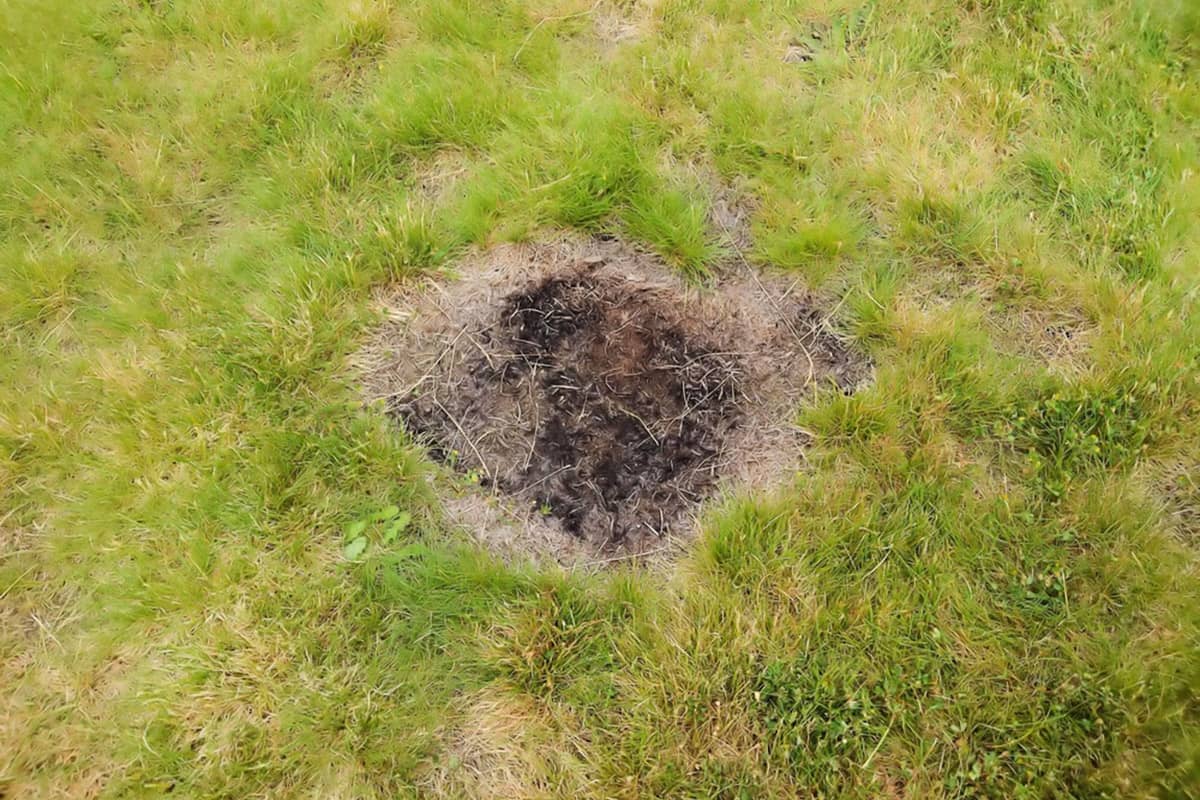
Proper soil preparation is key to the successful establishment of bermuda grass seed. Start by clearing the area of existing grass, weed, and debris. For bare patches, remove weeds and treat problem areas with weed, insect or disease control as necessary.
Aerate the soil to loosen compacted areas, then level it to ensure even seed coverage. Apply organic compost or soil amendments to enrich the soil with essential nutrients. If necessary, wait 10–14 days after applying weed control before planting the seed.
Step 5: Plant the Seed and Cover
For best results, plant bermuda grass seed in late spring or early summer when soil temperatures are consistently above 65°F. Spread the seed evenly at a rate of 1 pound per 1,000 square feet using a broadcast or drop spreader.
After seeding, lightly rake the soil to ensure good seed-to-soil contact or cover the area with a thin layer of straw or mulch to protect the seeds from wind and birds.
Step 6: Water and Fertilize
During the first few weeks, water the seed lightly every morning to keep the soil consistently moist but not waterlogged. Consistent moisture is crucial for germination and early root development. Gradually reduce watering as the grass begins to establish.
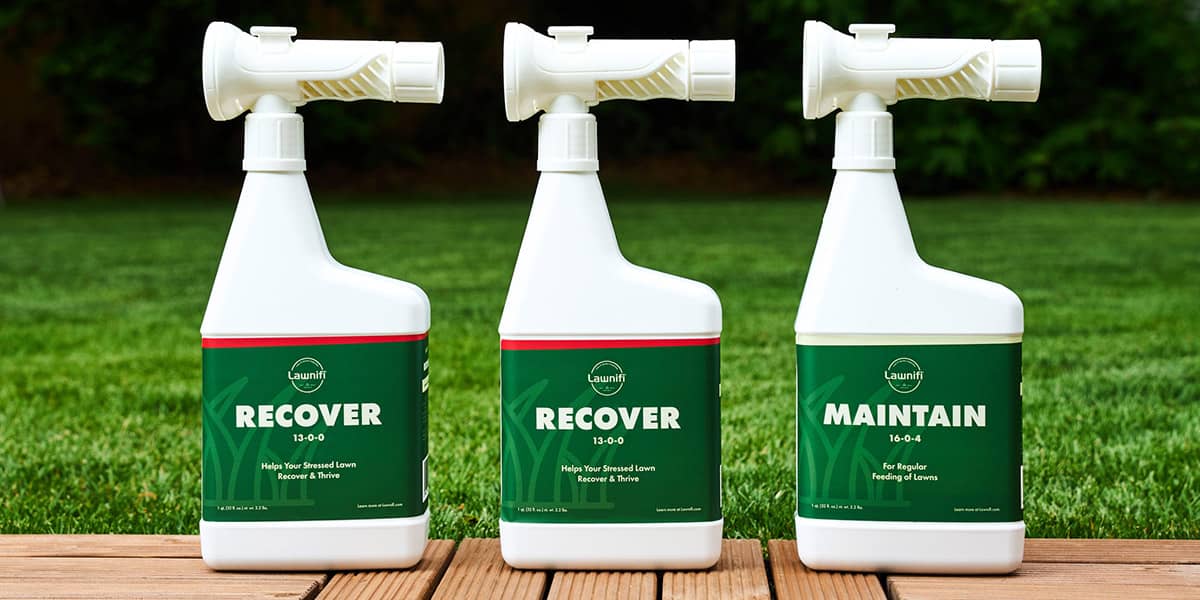
Lawnifi Bermudagrass Seed comes pre-coated with fertilizer to boost germination success. For even better results, use the Lawnifi New Lawn Starter Box, which contains essential nutrients to encourage healthy root growth and a vibrant lawn.
Step 7: Post-Planting Care
Continue keeping the soil moist while the grass establishes. Over time, transition to watering about 1 inch per week, including rainfall. Monitor your lawn for weeds, pests or diseases, and address any issues promptly.
Begin mowing once the bermuda grass reaches a height of 2 to 3 inches. Maintain it at a height of 0.5 to 1.5 inches for optimal health. Use pre-emergent weed control to reduce weed competition and pest control products as needed.
How to Grow a Bermuda Grass Lawn From Seed - Answered
By following these steps, you can grow a vibrant bermuda grass lawn that is both resilient and beautiful. With proper preparation, care and the right products, your lawn can become the highlight of your outdoor space.