
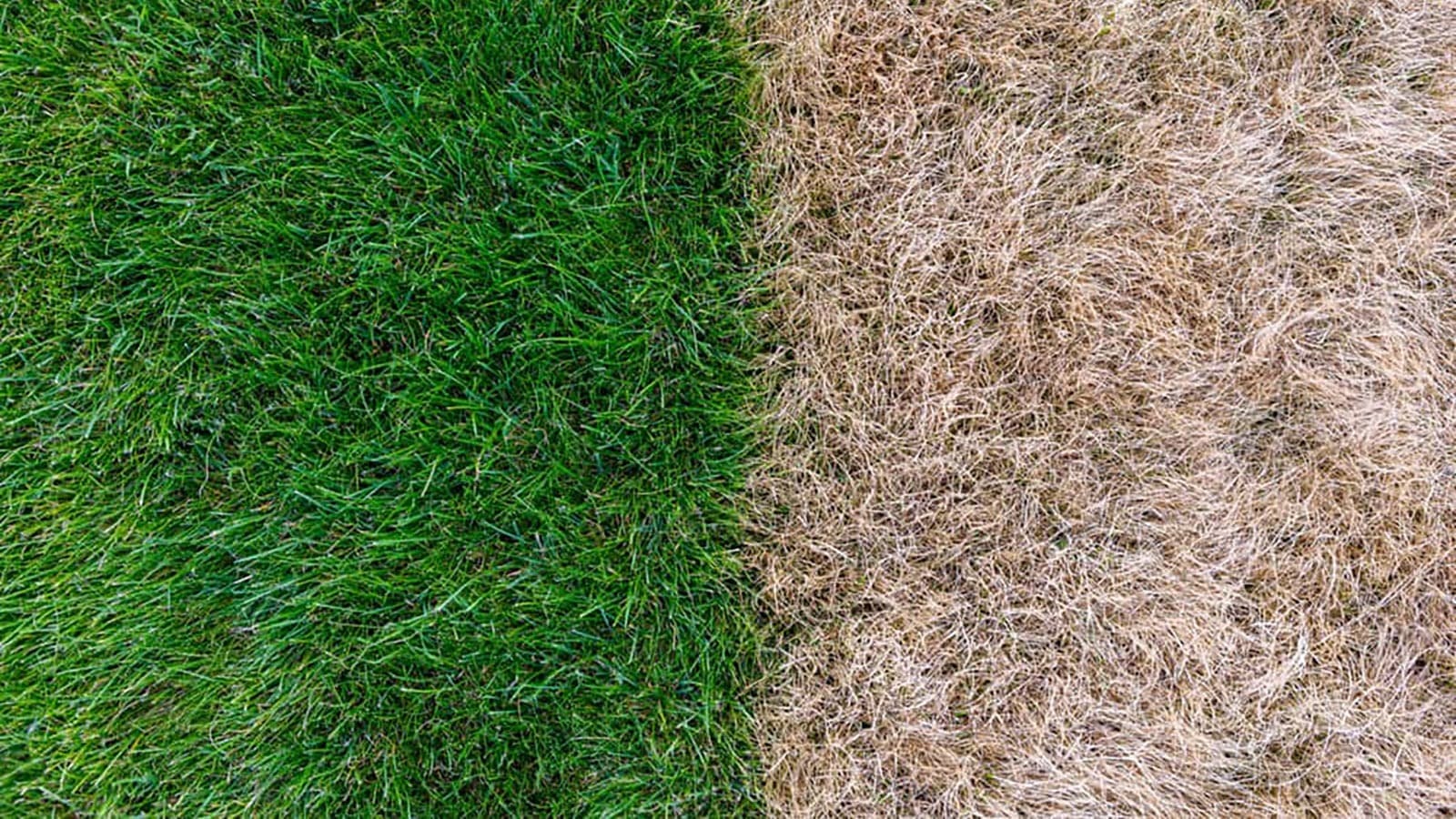
After a long winter, it’s normal for your lawn to look tired, thin, or dull. Spring is when turfgrass wakes up from dormancy—but that green-up doesn’t always happen on its own. Sometimes, your lawn needs a little help to shake off winter and get growing again.
Both warm and cool season grasses lose much of their color during winter dormancy. The goal in spring isn’t to force growth, but to create the right conditions so your lawn can green up naturally and evenly. With a few smart steps, you can set your lawn up for a strong start to the growing season.
Here’s how to do it.
1. Clean the Debris
Why It Matters
Leaves, sticks and dead plant material can smother turf, blocking sunlight and trapping moisture that encourages disease. Clearing debris not only improves appearance—it allows your lawn to breathe.
What to Do
- Walk your lawn and remove visible debris
- Use a rake or leaf blower for efficiency
- Compost organic material when possible
A clean lawn warms up faster and greens up sooner.
2. Test Your Soil Before You Treat It
Understanding What Your Lawn Actually Needs
Healthy grass starts with healthy soil. A soil test tells you which nutrients are lacking—and just as importantly, which ones aren’t.
How to Get Started:
- Use a reliable soil test kit (we recommend the SoilKit for accuracy and ease)
- Collect and submit a soil sample according to instructions
- Adjust nutrients based on results instead of guessing
Testing first prevents over-fertilization and helps your lawn green up more efficiently.
3. Mow the Right Way (Especially the First Time)
Why the First Mow Matters
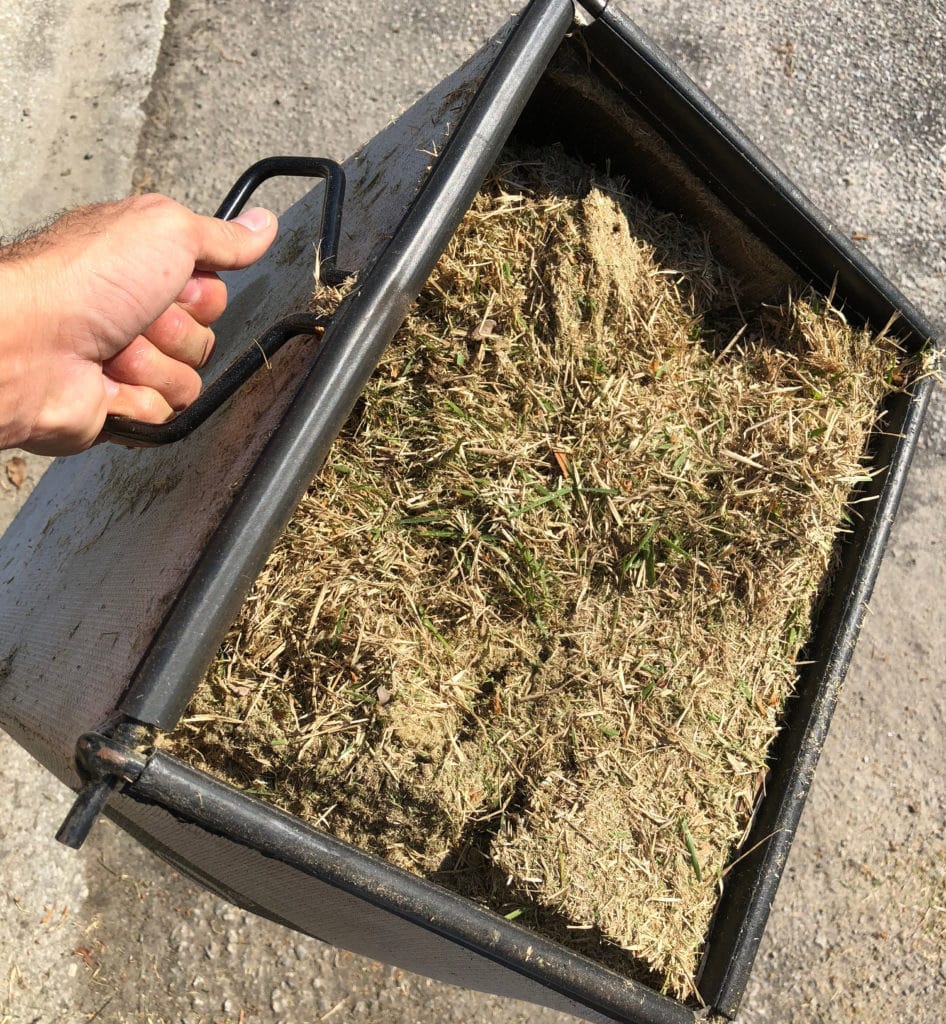
Your first mow of the season sets the tone for the year. Done correctly, it removes dormant material and encourages new growth. Done too aggressively, it can stress the lawn.
Best Practices:
- Begin mowing in mid-March, depending on climate and grass type
- For bermuda and zoysia, mow just over 1 inch to remove dead tissue
- Expect the lawn to look sparse at first—this is temporary
Mowing this low can expose uneven areas. Take advantage of this by topdressing low spots with sand to improve leveling.
If there’s a lot of material to remove, mow twice:
- First pass slightly higher
- Second pass lower
This makes the process easier on both you and the lawn.
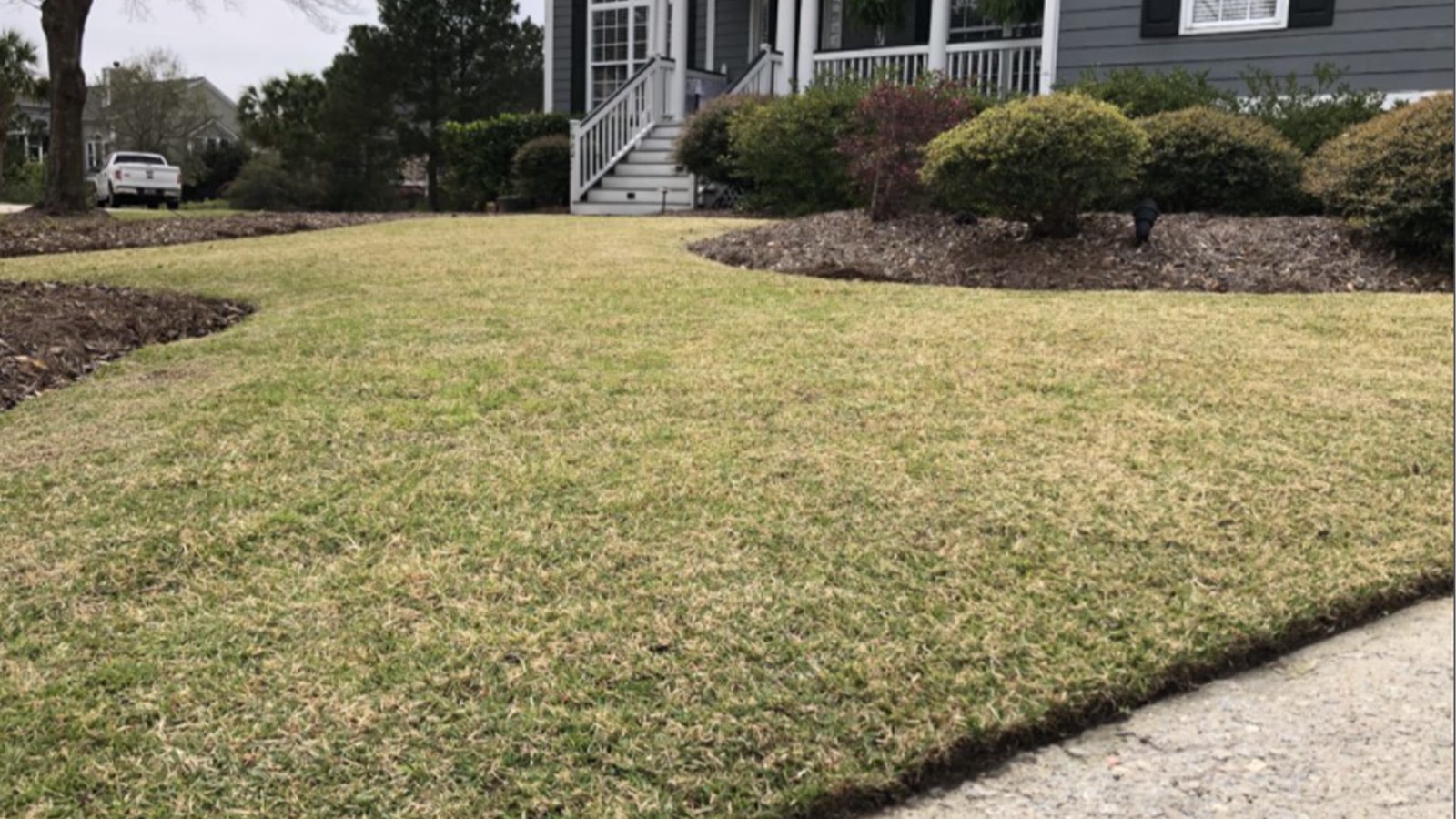
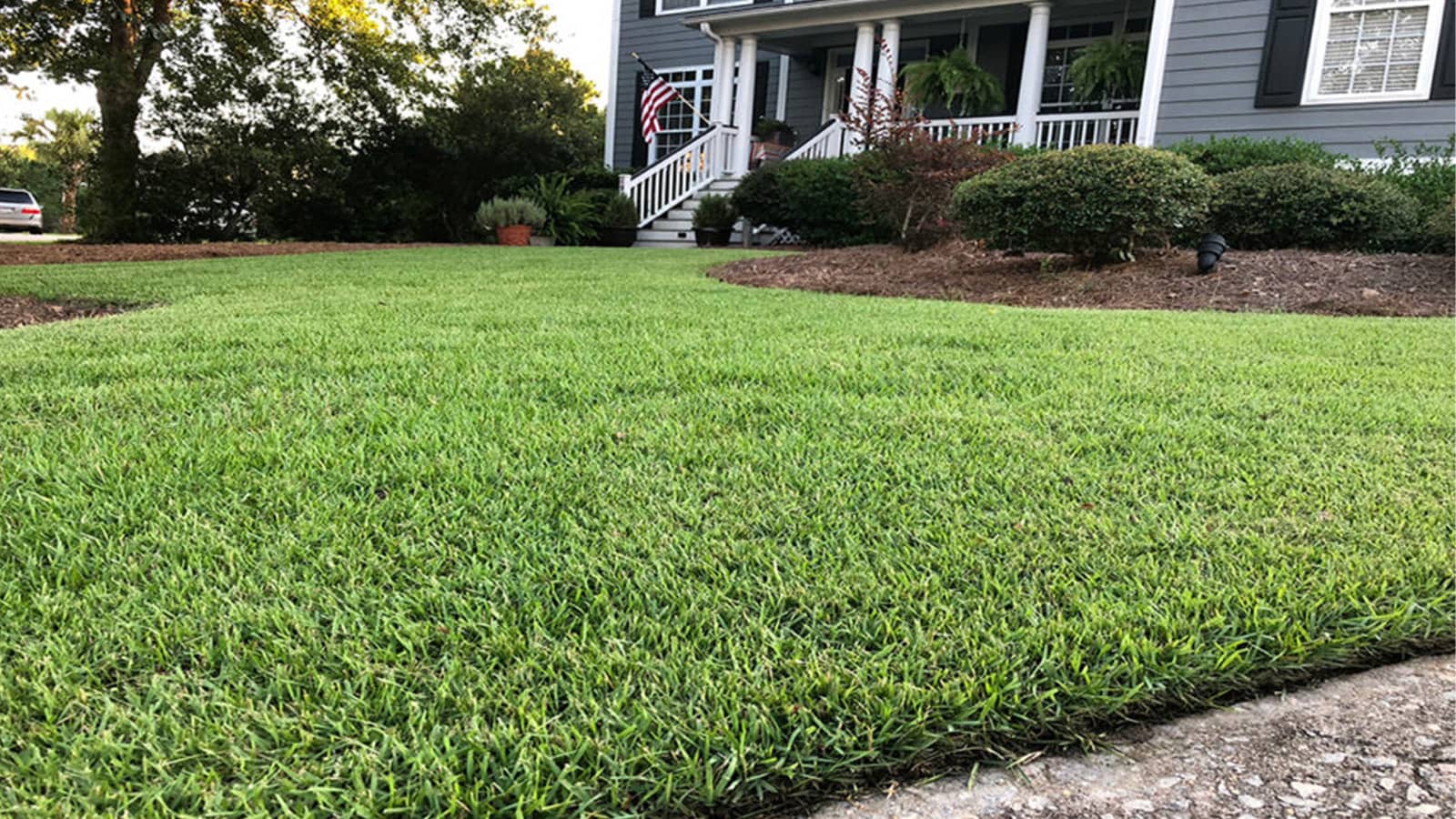
Pictured from left to right: An EMPIRE® Zoysia lawn mowed at about 1 inch in height on March 15th and a thriving EMPIRE lawn in the summer.
A Tip for Next Year
Mow your lawn at the correct height during the last mow of fall. That way, you won’t have to remove as much material come spring.
Be sure to bag clippings during the first mowing of spring. Later in the season, clippings can be left to return nutrients—but early on, access to sunlight is more important.
St. Augustine and centipede grass should not be scalped. Mow these grasses at their normal heights and begin mowing once growth resumes.
4. Fertilize Intelligently
Feed Growth—Don’t Force It
Fertilizer should support growth, not rush it. Applying nutrients too early can waste product and damage grass.
Smart Fertilizing Tips:
- Wait until your lawn begins to green naturally
- Use slow-release fertilizer to provide steady nutrition
- Never fertilize before the last frost
Products like the Lawnifi Spring Fertilizer Box are designed to support gradual green-up without overloading your lawn.
5. Water With Purpose
Hydration Without Excess
Watering plays a key role in spring green-up, but more isn’t better.
Watering Guidelines:
- Resume watering as temperatures warm and growth begins
- Water deeply and infrequently
- Avoid overwatering, which can encourage disease
If you rely on irrigation, now is a great time to check your coverage and ensure that water is being applied evenly.
Helping your lawn green up in spring doesn’t require guesswork or extreme measures. Focus on cleaning up winter debris, mowing correctly, feeding at the right time and watering wisely.
Spring success is about setting the stage—not forcing results. Follow these steps, and your lawn will reward you with healthier growth, better color and a stronger season ahead.