Drought can leave your lawn looking brown and brittle, but with the right care, you can bring it back to life. Here's how to revive your drought-stressed lawn without causing further damage.
1. What are signs of drought stress?
Before you begin the recovery process, it's important to understand the signs of drought stress, which differ between warm and cool season grasses.
Drought Stress in Warm Season Grass
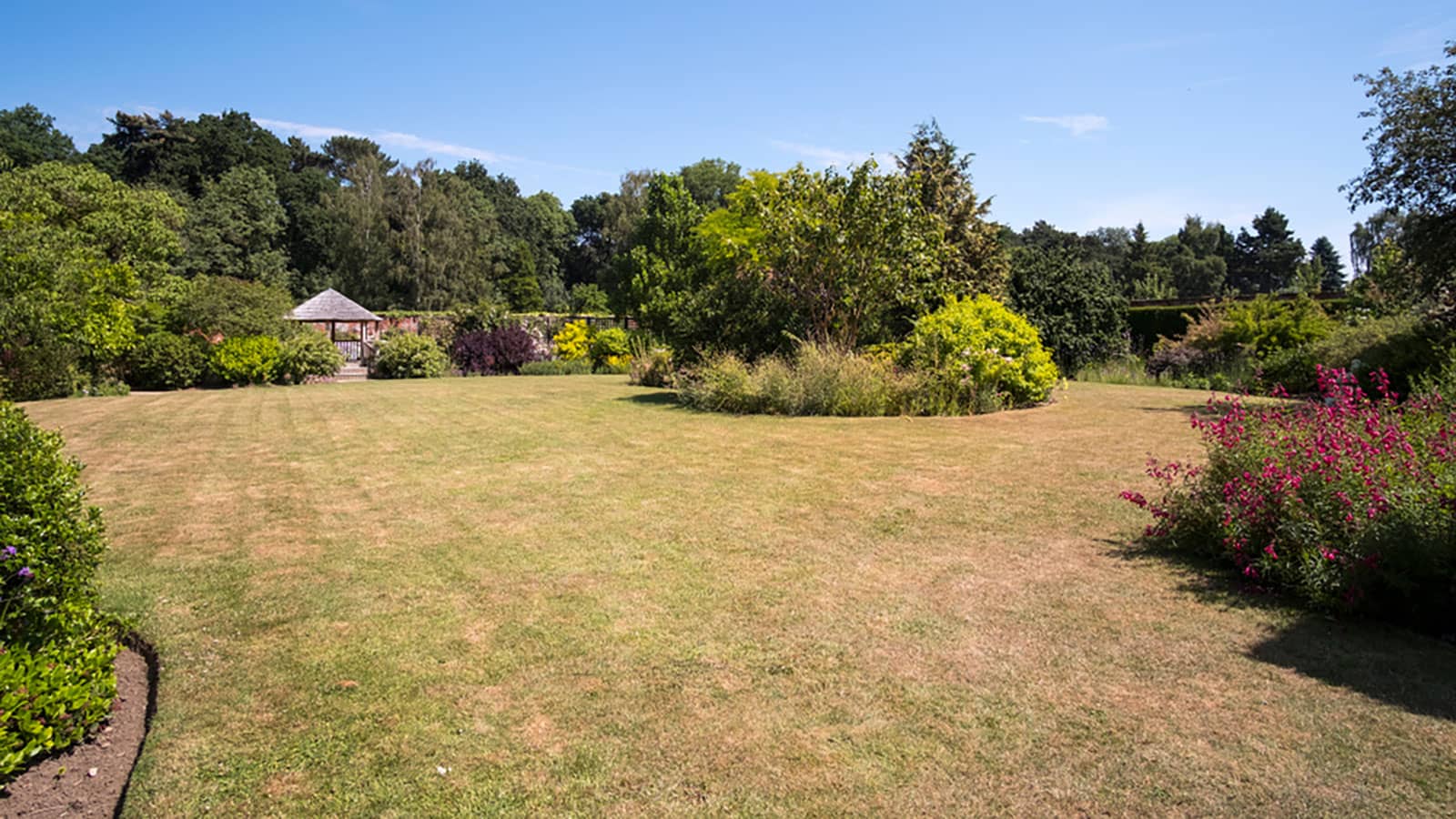
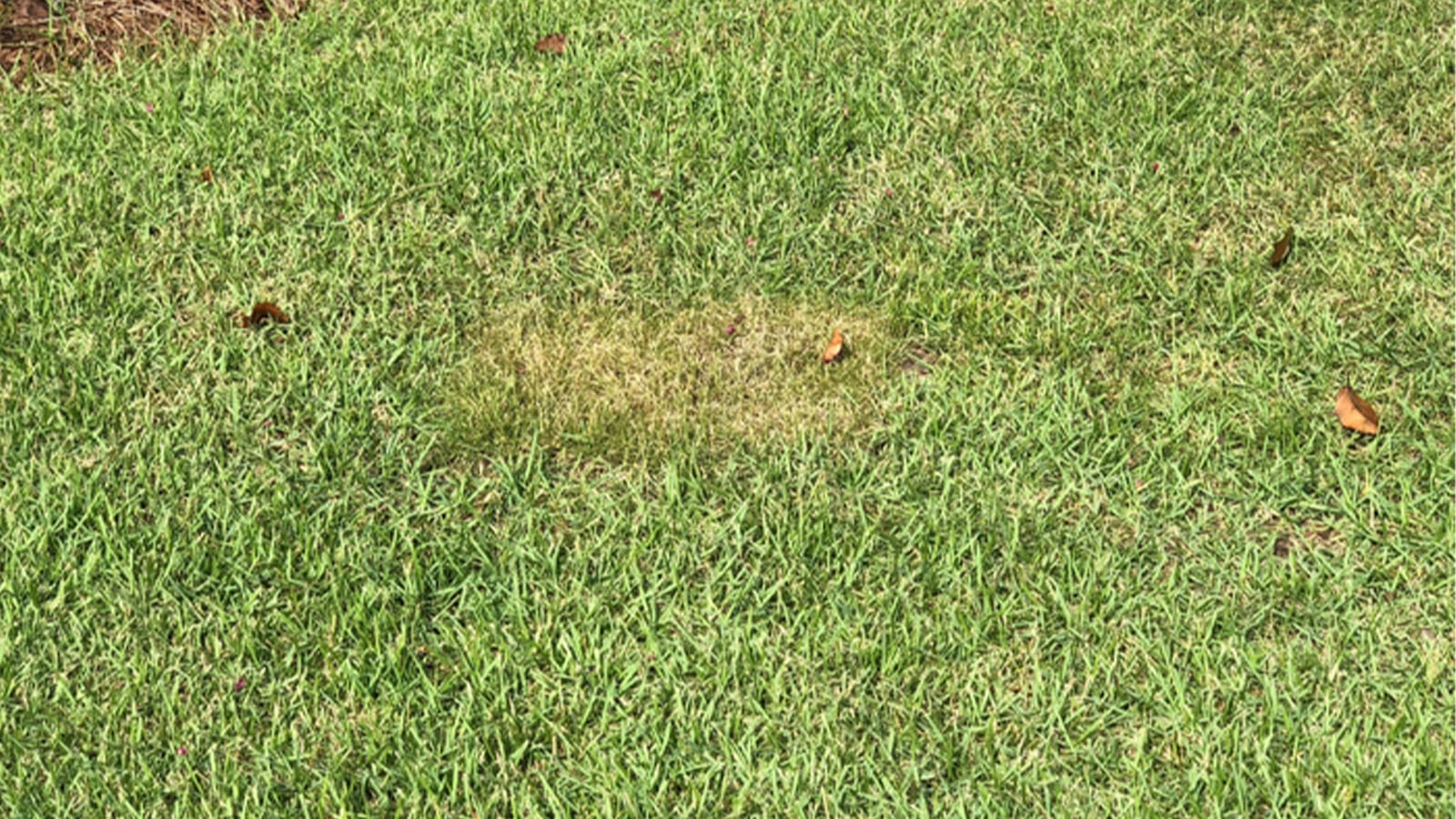
Warm season grasses, such as zoysia and bermuda, will often turn brown or yellow when experiencing drought stress. These grasses may go dormant as a defense mechanism, making them look like they do during winter dormancy.
You have a limited window to revive them before permanent damage occurs, though the timeframe varies depending on the grass cultivar.
For St. Augustine, drought stress is especially critical—when it turns brown or yellow, it’s nearing death. Act quickly to water it, as you have very little time to bring it back before it’s beyond saving.
Drought Stress in Cool Season Grass
Cool season grasses, like fescue and bluegrass, also turn brown and brittle during drought. Blended grass lawns can appear patchy, as some grass types in the blend may brown faster than others.
Unlike warm season grasses, most cool season grasses do not go dormant during drought, meaning that when they begin to yellow, they’re close to dying. However, Kentucky bluegrass is an exception—it can go dormant as a survival strategy during drought.
Hot Spots
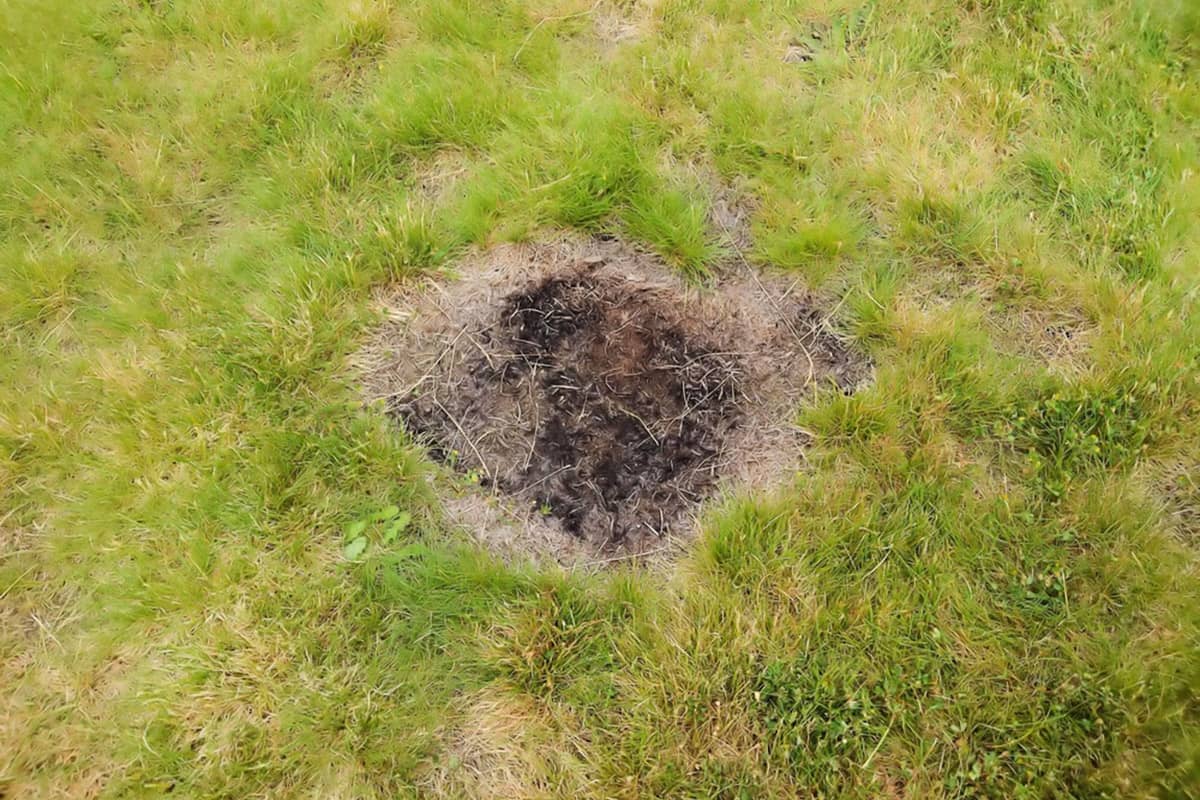
It should be noted that hot spots are smaller areas of grass that experience drought stress, i.e. the leaf blades start to curl and look dry while all around that area the grass looks healthy, lush and normal. Learn how to prevent and cure these here.
2. Asses the Damage: Is It Dead or Dormant?
Once you identify signs of drought stress, it's important to check if your grass is dormant or dead before moving forward. Dormant grass can be revived, but dead grass will need reseeding or plugging.
- Tug Test: If the grass pulls up easily with no resistance, it’s dead. If there’s some resistance, there’s hope it can be revived.
- Crown Inspection: The crown, found at the base of the grass blade, should still have some green if the grass is alive. If it’s brown, the grass is likely dead.
3. Water Deeply and Infrequently
Once you know the grass is still alive, the first step in recovery is watering deeply to rehydrate the roots and encourage them to grow deeper.
- Early Morning Watering: Water early in the morning, between 4 a.m. and 10 a.m., to reduce evaporation.
- Deep Watering: Water less often but for longer durations to encourage root growth. Aim to provide 1–1.5 inches of water per week, including rainfall.
- Use Rain Gauges: Place rain gauges around your lawn to monitor how much water it’s receiving and ensure even coverage.
4. Be Cautious with Aeration
Aerating your lawn can be beneficial for reducing soil compaction and allowing water, nutrients and oxygen to reach the roots. However, aerating a drought-stressed lawn can sometimes cause further stress if the grass is already fragile.
- Consider Timing: If you decide to aerate, choose a time when the grass is beginning to recover and follow up with watering to help the lawn absorb moisture.
- Assess the Soil Condition: If your soil is severely compacted, aeration can help recovery, but it should only be done once the grass has started to regain some strength. Aerating when the grass is still severely stressed could damage the roots further and make it harder for the lawn to bounce back.
5. Adjust Mowing Practices
Mowing drought-stressed grass requires careful attention. Incorrect mowing can worsen the stress on your lawn, delaying its recovery.
- Raise the Mower Height: Keep your grass longer to reduce evaporation and promote deeper root growth. Set your mower to leave the grass about 0.5–1 inch higher than usual.
- Mow Less Frequently: Don’t mow until the lawn has had time to recover. When you do mow, avoid cutting more than ⅓ of the blade length at once.
- Use Sharp Blades: Dull blades tear grass, which can stress it further. Always keep mower blades sharp for clean cuts.
6. Hold Off on Fertilizer
It’s common to think fertilizer will speed up the recovery process, but applying it too soon can harm drought-stressed grass. Fertilizer encourages growth, which increases water needs when the grass is already struggling to survive.
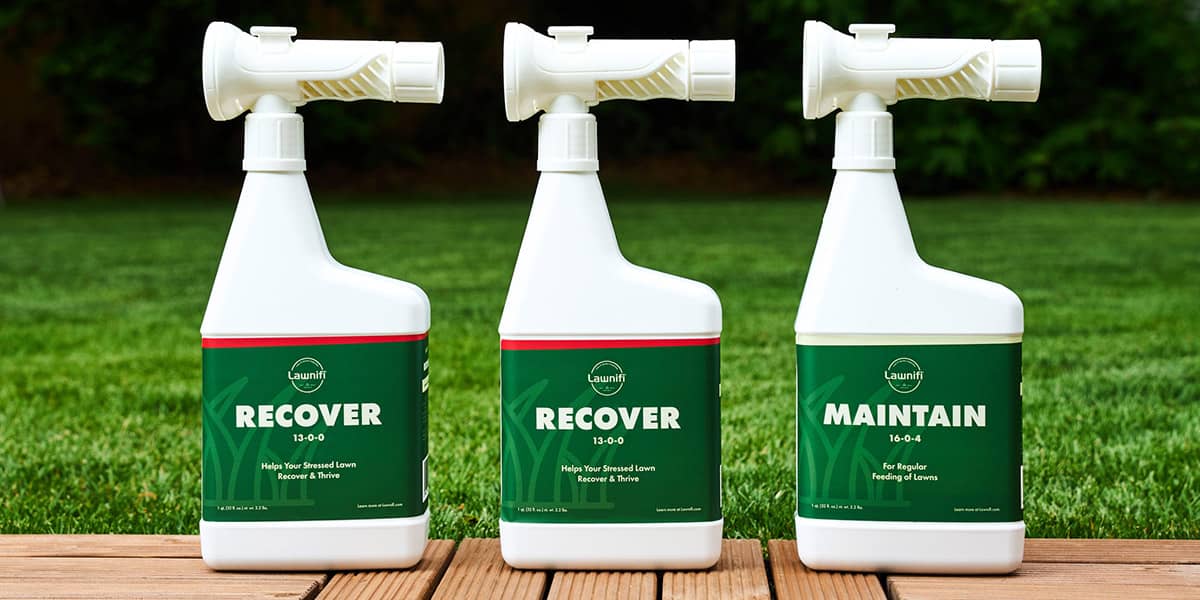
- Slow-Release Fertilizers: When it’s time to fertilize, use a slow-release fertilizer like Lawnifi® Foundation to promote steady, healthy growth without overwhelming the grass.
- Wait Until Recovery Begins: Hold off on applying fertilizer until the grass has shown signs of recovery and has begun to grow again.
7. Reseed or Use Grass Plugs for Bare Patches
If your lawn is starting to recover but there are still bare spots, consider reseeding or using grass plugs to fill in those areas.
- Reseed with Drought-Tolerant Grasses: Choose a drought-resistant grass seed variety that matches your existing lawn, such as centipede or bermuda. Water regularly after seeding to promote germination.
- Plant Grass Plugs: Plugs are a quicker way to repair bare spots, and they establish roots faster than seed. EMPIRE Zoysia, Cobalt St. Augustine, or Celebration Bermuda plugs are excellent options for drought recovery.
8. Reduce Foot Traffic
As your lawn recovers, it’s important to minimize foot traffic to avoid further stressing the grass. Walking on drought-stressed lawns compacts the soil and can slow down the recovery process.
- Create Temporary Pathways: Use stepping stones or mulch to create temporary pathways if necessary, redirecting traffic away from delicate areas.
9. Continue Monitoring and Adjust Watering
Monitor your lawn's recovery and adjust your watering practices as needed. Too much water can lead to disease, while too little can further stress the grass.
- Use Soil Moisture Meters: To make sure your lawn is receiving the right amount of water, use a soil moisture meter to monitor the moisture levels in the root zone.
- Reduce Watering as Conditions Improve: Once your lawn shows signs of recovery, gradually reduce watering to avoid overwatering. Keep an eye on rainfall levels and adjust your irrigation accordingly.
10. Consider Installing a New Lawn with Drought-Tolerant Grass
If parts of your lawn are permanently damaged from drought and recovery isn’t possible, it might be time to install a new lawn with a more drought-tolerant grass variety. Doing so can prevent future drought-related issues and help your lawn thrive even during dry spells.
To learn more about the most drought-resistant turfgrass varieties, check out a study performed by the San Antonio Water System, Texas A&M, and Turf Producers of Texas. The study lists the best-performing grass varieties in terms of drought tolerance, with the results starting on page 23. Click here to read.
How to Care for New Sod in Drought Conditions
Install Sod Immediately
Once your new sod is delivered, it’s crucial to install it as soon as possible. Sod left out in the sun can quickly overheat, causing the grass to dry out and die before it ever takes root. The heat builds up inside the rolls, especially during warm weather, and can kill the grass within just a few hours. Prompt installation ensures the roots make contact with the soil, allowing the sod to begin absorbing moisture and nutrients right away.
Watering New Sod
After installation, water the sod immediately and thoroughly. The goal is to keep both the sod and the underlying soil consistently moist (but not soggy) during the first two weeks. Water daily, preferably in the early morning, to reduce evaporation and help the roots establish. In times of drought, you may need to water twice a day—morning and late afternoon—especially if temperatures are high and rainfall is scarce.
Topdressing for Sod Health
Topdressing involves spreading a thin layer of compost or high-quality soil over the newly installed sod. This practice helps retain soil moisture, improve soil structure and provide essential nutrients, all of which are especially important during drought conditions. Topdressing also encourages root growth into the native soil, helping the sod establish more quickly and become more resilient to dry spells.
Additional Tips for New Sod in Drought
- Minimize Foot Traffic: Avoid walking on the new sod until it has rooted firmly into the soil, usually after two to three weeks.
- Monitor Moisture: Use a soil moisture meter to ensure the soil beneath the sod remains damp, but not waterlogged.
- Mow Carefully: Wait until the new sod has grown to at least 3–4 inches before mowing for the first time, and use sharp blades to avoid stressing the grass.
- Delay Fertilization: Hold off on applying fertilizer until the sod shows signs of new growth, indicating that roots are established.
By installing new sod promptly, keeping it well-watered, using topdressing and minimizing stress, you give your lawn the best chance to thrive, even under drought conditions.
How to Bring Your Lawn Back From Drought Stress - Answered
To bring your lawn back from drought stress, start by identifying whether the grass is dormant or dead through a tug test or crown inspection. Water deeply and infrequently in the early morning, providing about 1–1.5 inches of water per week.
Be cautious with aeration, as it can stress drought-affected lawns further if done too early. Raise your mower height to promote deeper roots and reduce mowing frequency. Hold off on fertilizing until the lawn shows signs of recovery, then use slow-release fertilizers.
Finally, reseed or use grass plugs to repair any bare patches, minimize foot traffic, and adjust your watering as the lawn begins to recover.
By following these steps and paying close attention to your lawn’s needs, you can successfully restore it after a drought and build a more resilient landscape for the future.
Bonus: We were selected by Redfin as a top climate expert! See the article we were featured in: How to Prepare Your Home for Drought.