Got patchy grass or weird brown spots popping up in your yard? You might have grub worms. These little white pests love to lurk underground and munch on your grass roots—causing serious damage before you even know they’re there.
In this guide, we’ll break down what grub worms are, how to spot them and most importantly, how to get rid of them and keep them from coming back.
✅ Quick Answer:
To get rid of grub worms fast, apply a curative insecticide like Dylox 6.2 during late summer or early fall when grubs are actively feeding. For long-term prevention, keep your lawn healthy year-round with proper mowing, watering and seasonal fertilization. Imidacloprid products can also be applied in mid-April through early June to help prevent grub worm infestations.
What Are Grub Worms and Why Are They a Problem?
Ever caught yourself wondering, “What exactly is a grub worm?” You’re not alone!
Grub worms (aka white grubs) are actually the larvae of scarab beetles, and they love hanging out in lawns and gardens across North America.
If you’re in Florida, you’ve probably got more of these little guys than you’d like—thanks to the state’s warm, humid climate that lets them thrive year-round (no brutal winters to slow them down!).
What should I know about grubs?
So, what makes grubs such a big deal?
- They live underground and munch away at your lawn’s roots and thatch, causing major turf damage.
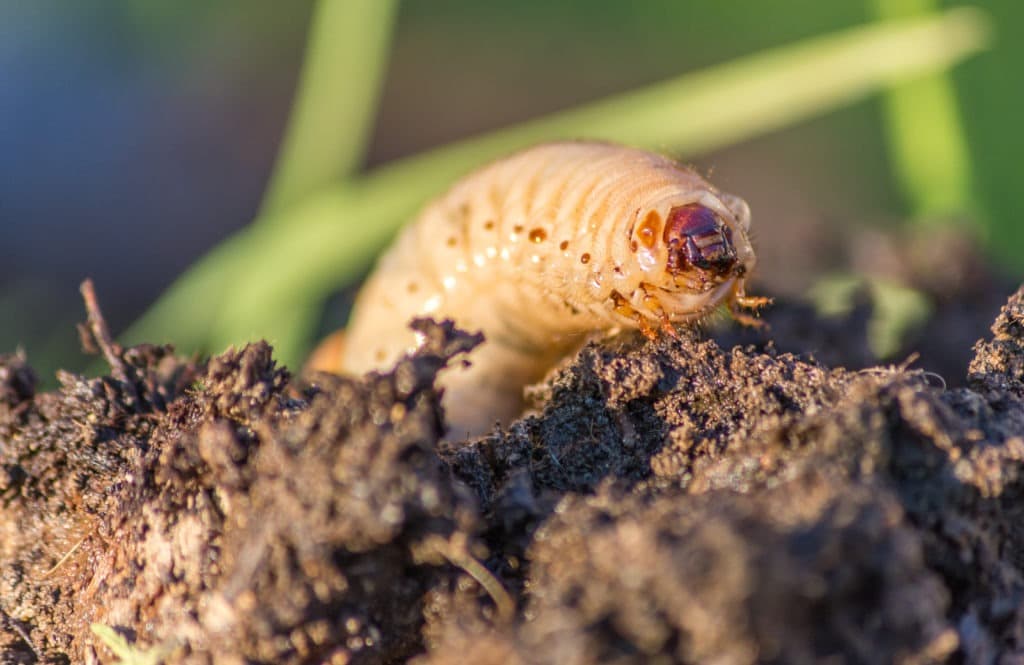
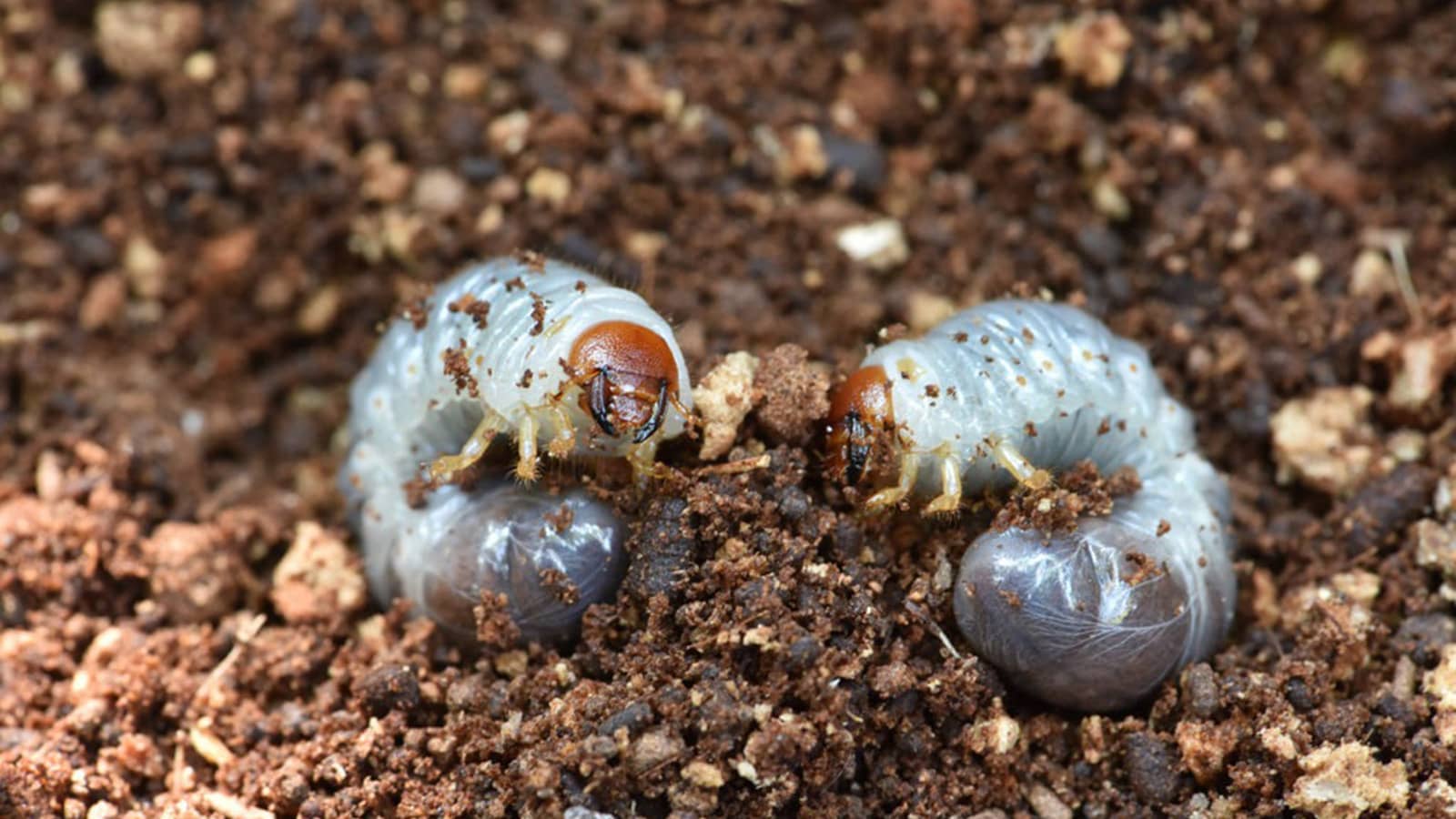
- Despite the name “worm,” grubs are actually insects with six tiny legs near their heads.
- Their C-shaped, cream-colored bodies are pretty easy to spot if you dig around your soil.
- Depending on the species, some grubs stay in their larval stage for 1 to 3 years before transforming into beetles.
👉 Bottom line: These sneaky soil dwellers might be out of sight, but they shouldn’t be out of mind.
What do grub worms turn into?
Did you know those pesky grub worms don’t stay grubs forever? Once they’ve had their time in the soil, they emerge as beetles—and not the friendly kind your lawn wants.
The type of beetle they become depends on the grub species, but here’s the kicker: once they grow up, they start snacking on the leaves of your grass and garden plants. So the damage doesn’t stop underground—it just moves above the surface!
Here’s the life cycle in a nutshell:
- Grubs transform into beetles and emerge from the soil.
- Some, like May or June beetles, live underground as grubs for 2–3 years.
- Others only hang out in grub form for about a year before maturing.
Common culprits you might spot as adults:
- Japanese Beetles
- June Beetles
- May Beetles
- Masked Chafers
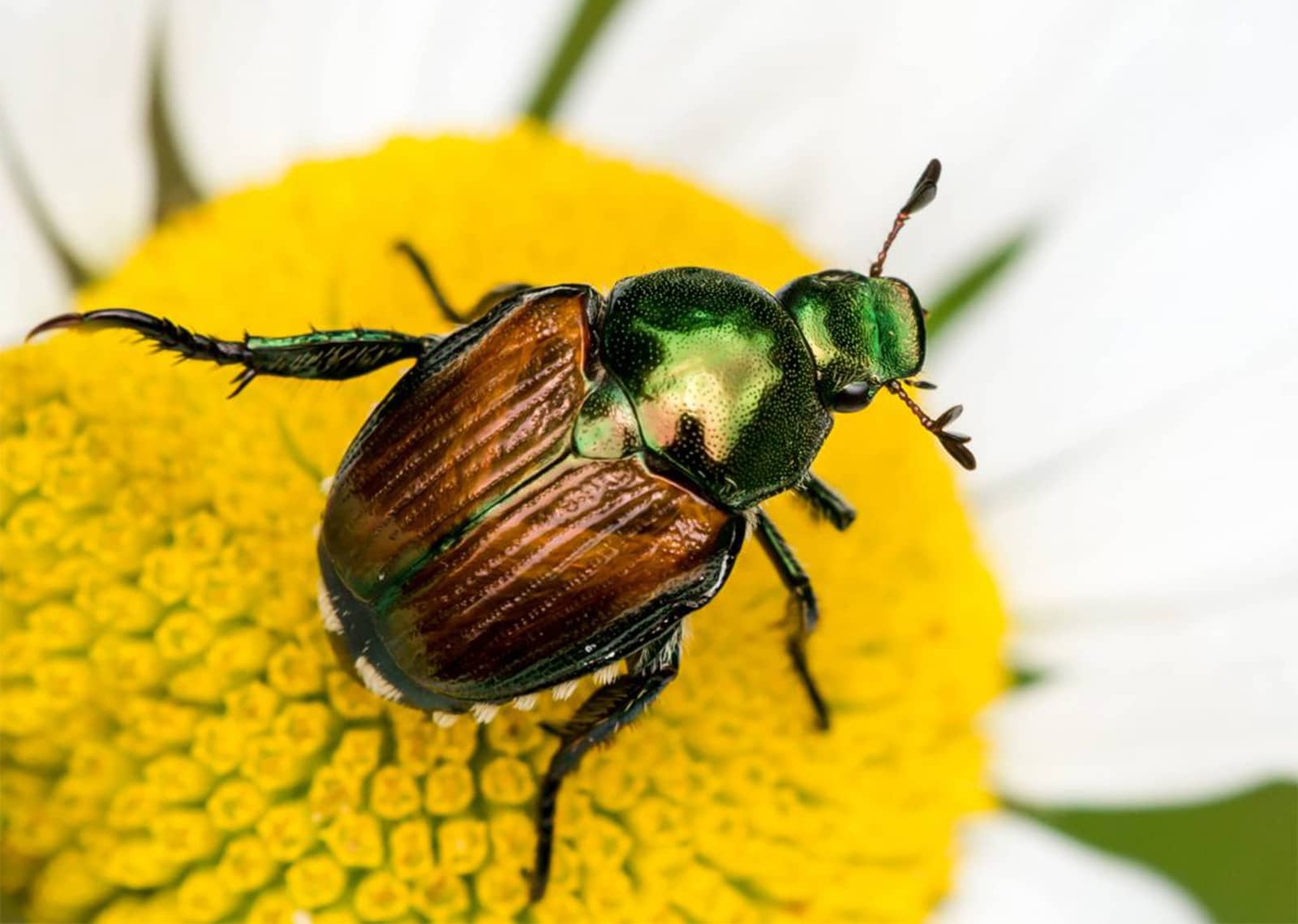
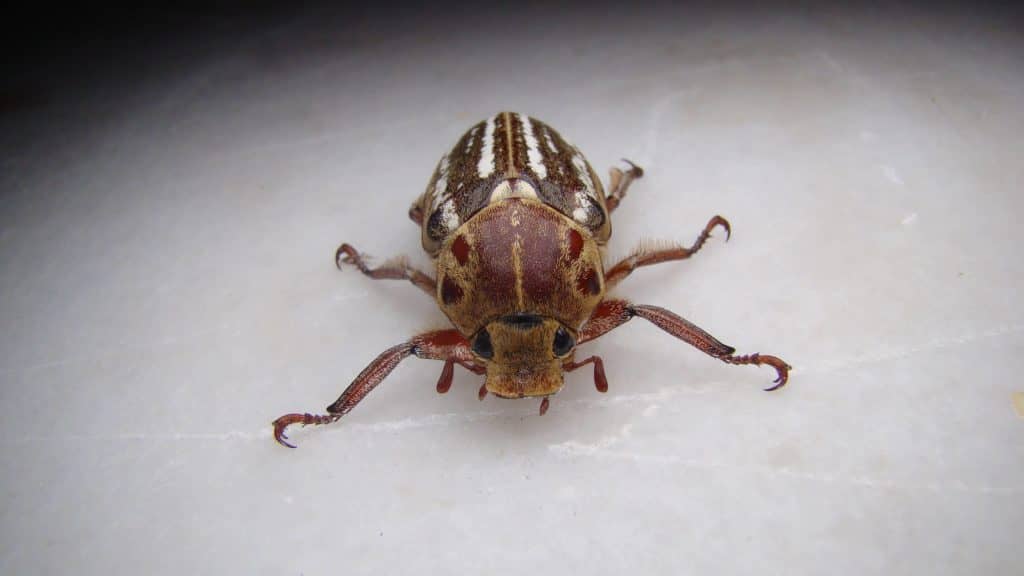
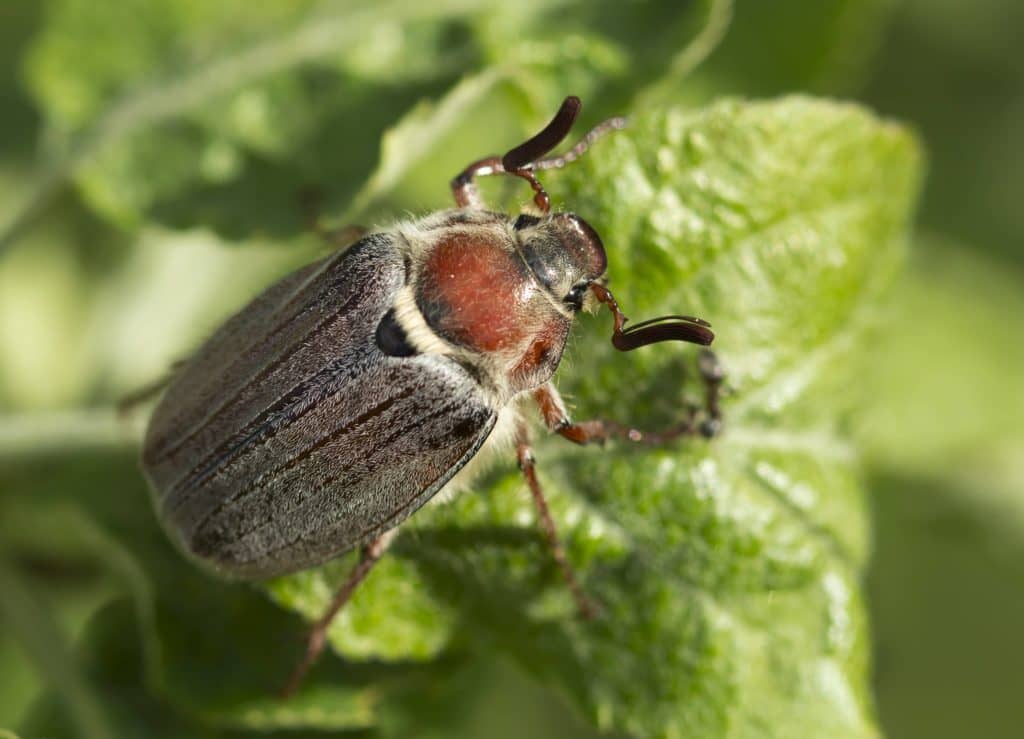
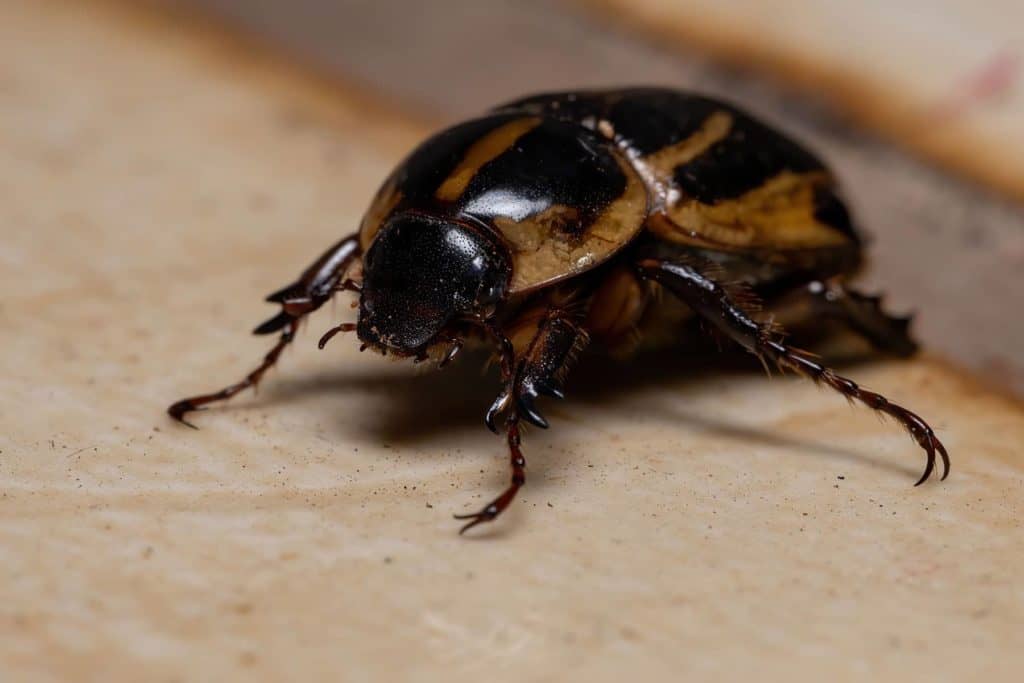
What do grub worms look like?
- All grubs have C-shaped, curved bodies.
- They have yellow-brown heads.
- Six legs are located near the front of their bodies.
- Their abdomens appear dark due to soil particles visible through their exoskeleton.
- Grub worms typically range from ¼ inch to 2 inches in length, depending on the species.
- They are easily identified by their cream-colored bodies.
What do grub worms eat?
White grubs are root feeders—and they’re not too selective about which grass they go after. Whether you have a warm season or cool season lawn, grubs can do serious damage by feeding on the roots, which weakens the grass and, in some cases, can kill it entirely.
They don’t really favor one type of turf over another. Some of the common grasses they feed on include:
- Bermuda grass
- Zoysia grass
- Bahia grass
- Centipede grass
- Kentucky bluegrass
- Tall fescue
- St. Augustine grass
👉 Bottom line: No living turfgrass is naturally resistant to grub worms—they can show up in any lawn.
Keeping an eye on your lawn’s health and sticking to a solid maintenance plan is key to preventing serious grub damage
How do grub worms kill grass (and what to watch for)
During the larval stage of their lifecycle, grubs live underneath the soil’s surface and feed on the roots of turfgrass. The roots are the primary way for turfgrass to obtain water and other nutrients.
Without roots, grass will die. Grubs will damage grass but in severe cases, they can completely kill an entire lawn.
When do grubs damage lawns most?
You can spot grub worms just about any time of year, but their activity—and the damage they cause—often depends on where you live. In general, the signs of damage tend to show up:
- Early in the year (spring), when your grass may be slow to green up—a potential clue that grubs have been feeding underground.
- Later in the fall, when you might see entire patches of dead grass, especially if the infestation has been severe.
These symptoms are important red flags. If you’re seeing delayed growth in spring or dying areas in fall, it could very well be grub worms beneath the surface.
How to tell if you have a grub infestation?
Figuring out if grub worms are to blame can be tricky—mostly because they live underground and out of sight. Without physically spotting one, it’s easy to confuse their damage with other lawn issues.
Common signs of a grub infestation include:
- Thinning or yellowing turf, which can also look like damage from drought, chinch bugs or nematodes.
- A spongy or bouncy feel when you walk on the grass, especially in spring.
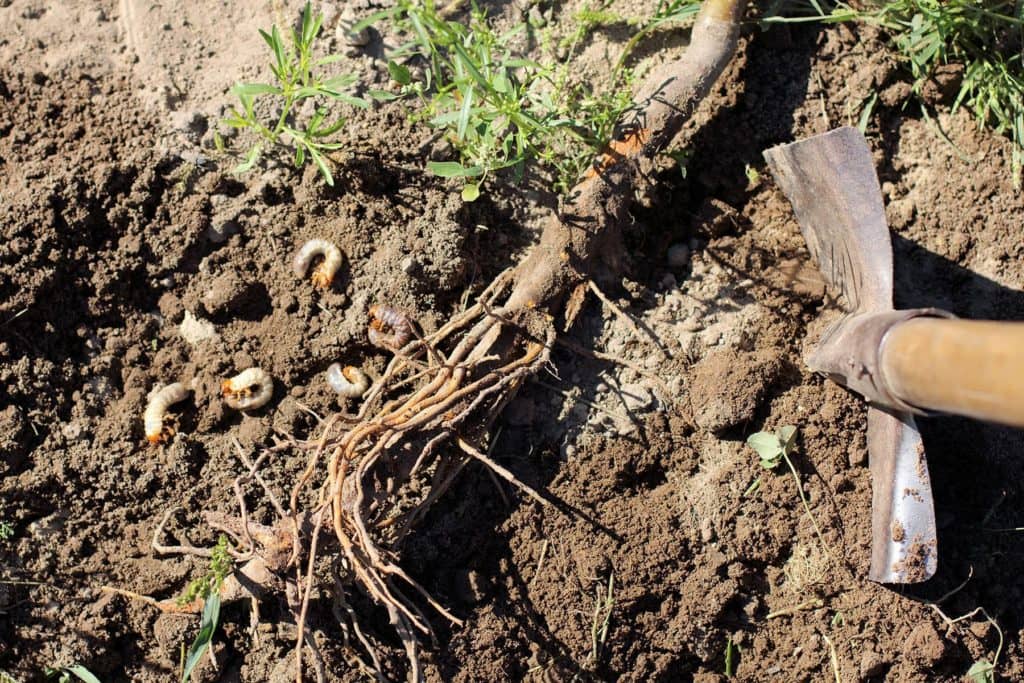
- Sod that lifts up easily like a loose carpet—this often means the roots have been eaten away.
👉 The most reliable way to check?
Grab a shovel, dig beneath the surface and look for grubs. If you see several in a small area, it’s a strong sign that you’ve got an infestation on your hands.
How to get rid of grub worms: 3 proven methods
1. Natural Lawn Care Tips to Prevent Grub Damage
The best defense against white grubs is a healthy, well-maintained lawn. While chemical treatments are an option, many homeowners prefer a more natural, long-term approach—and it starts with good lawn care habits.
Here’s what that looks like:
- Follow a seasonal maintenance schedule based on your grass type.
- Make sure your grass is growing in healthy, nutrient-rich soil.
- Install new sod properly and choose a grass variety suited to your region.
- Aerate and dethatch to improve soil and root health.
- Mow and water appropriately—not too short, not too often.
Why it works:
A dense, healthy lawn is much stronger against stress from pests like grub worms. One of the best ways to support your lawn’s strength is by giving it the nutrients it needs.
Consider a Fertility Program Like Lawnifi
- Lawnifi is a smart fertilizer program designed to deliver the right nutrients at the right time throughout the year.
- You can subscribe to seasonal Lawnifi boxes or purchase them individually.
- Prefer granular fertilizer? Check out Lawnifi Foundation, our granular option.
2. Chemical Treatments to Kill Grubs Fast
If your lawn has sustained serious damage and cultural practices aren’t cutting it, chemical treatment may be necessary. Fortunately, there are effective products available to homeowners that can help eliminate grub worms.
Recommended Active Ingredients for Grub Control
- Imidacloprid – Offers both preventative and curative control.
- Acelepryn – Also suitable for both preventative and curative applications.
- Triclorfon – Commonly used in curative treatments for active infestations.
For Severe Infestations
One highly recommended option is Dylox 6.2:
- Works on contact to kill second and third instar grub worms (the more mature and damaging stages).
- Effective regardless of where the grubs are in their lifecycle.
- A strong choice when other products fall short, especially for long-living grub species.
Keep in Mind
- Some grub species, like May and June beetles, remain in their larval stage for 2–3 years.
- Others complete their life cycle in just one year.
- Products designed for annual grubs may not be effective against longer-living species—this is where Dylox 6.2 stands out as a reliable, broad-spectrum solution.
Chemical treatments can be an important tool when grub populations get out of hand, but they work best when paired with consistent lawn care practices.
Best Products for Grub Worm Control (Comparison Table)
Not sure what to use? Compare your options below:
| Treatment Type | Product Example | Use Time | Works |
|---|---|---|---|
| Preventative & Curative (usually better for preventative) | Imidacloprid | Late Spring / Early Summer | Before grubs take over |
| Preventative & Curative | Acelepryn | Spring | Earlier-staged grubs with long residual control |
| Curative | Dylox 6.2 | Late Summer / Fall | Larger, mature grubs (2nd and 3rd instars) |
Be sure to read and follow application instructions for each product thoroughly.
3. When to Apply Grub Worm Treatments (Timing Tips)
If you are worried about grub infestations in your lawn, apply an insecticide preventatively. This usually consists of one application a year and then you don’t have to worry about it for the rest of the year. Use the same products above and follow application instructions.
Grub Worm FAQ
A grub worm is the larval form of beetles like Japanese, June or May beetles. They feed on grass roots underground.
To naturally get rid of grub worms, maintain a thick, healthy lawn through proper mowing, watering, aeration, fertilization (such as with a seasonal Lawnifi® program) and soil care to create conditions that deter pests.
Dylox 6.2 or similar insecticides with curative action will kill grub worms on contact during peak season.
Late summer through early fall, when larvae are near the soil surface and actively feeding.
Yes — they eat the roots of your grass, which leads to yellow patches, thinning and full lawn death if untreated.
Spongey turf, slow spring green-up and sod that lifts like a carpet are signs of grub worm damage.