Spring marks the perfect time to prepare your lawn for months of enjoyment, whether you're hosting family barbecues or simply soaking up the outdoors. A thriving, green lawn doesn't happen by chance, though—it takes thoughtful care and attention to prevent and manage potential challenges like lawn diseases.
A Guide to Understanding and Managing Spring Lawn Diseases
What are lawn diseases?
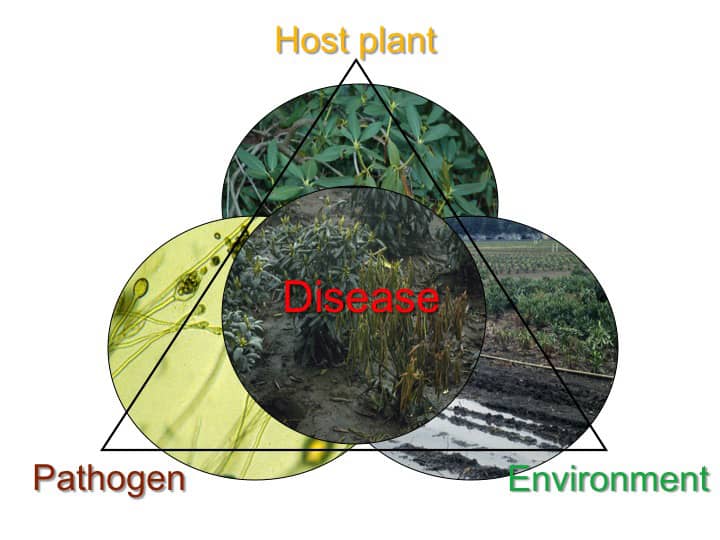
Lawn diseases are typically caused by fungi that thrive in the right environmental conditions—moisture, shade and organic matter. This trifecta forms what's known as the "disease triangle." Understanding these elements is key to effective prevention and control. Most fungi live on organic debris, so thatch or decaying leaves can be hot spots for problems to develop.
a) a host, living or dead organic matter (thatch and leaves),
b) the right environmental conditions, such as shaded, moist areas to grow in,
c) and the pathogen.
Spotting the Signs of Lawn Disease
Different diseases affect lawns in unique ways. Here’s a quick reference to some common issues and their symptoms:
- Gray Leaf Spot: Tan, oval spots with dark edges on grass blades.
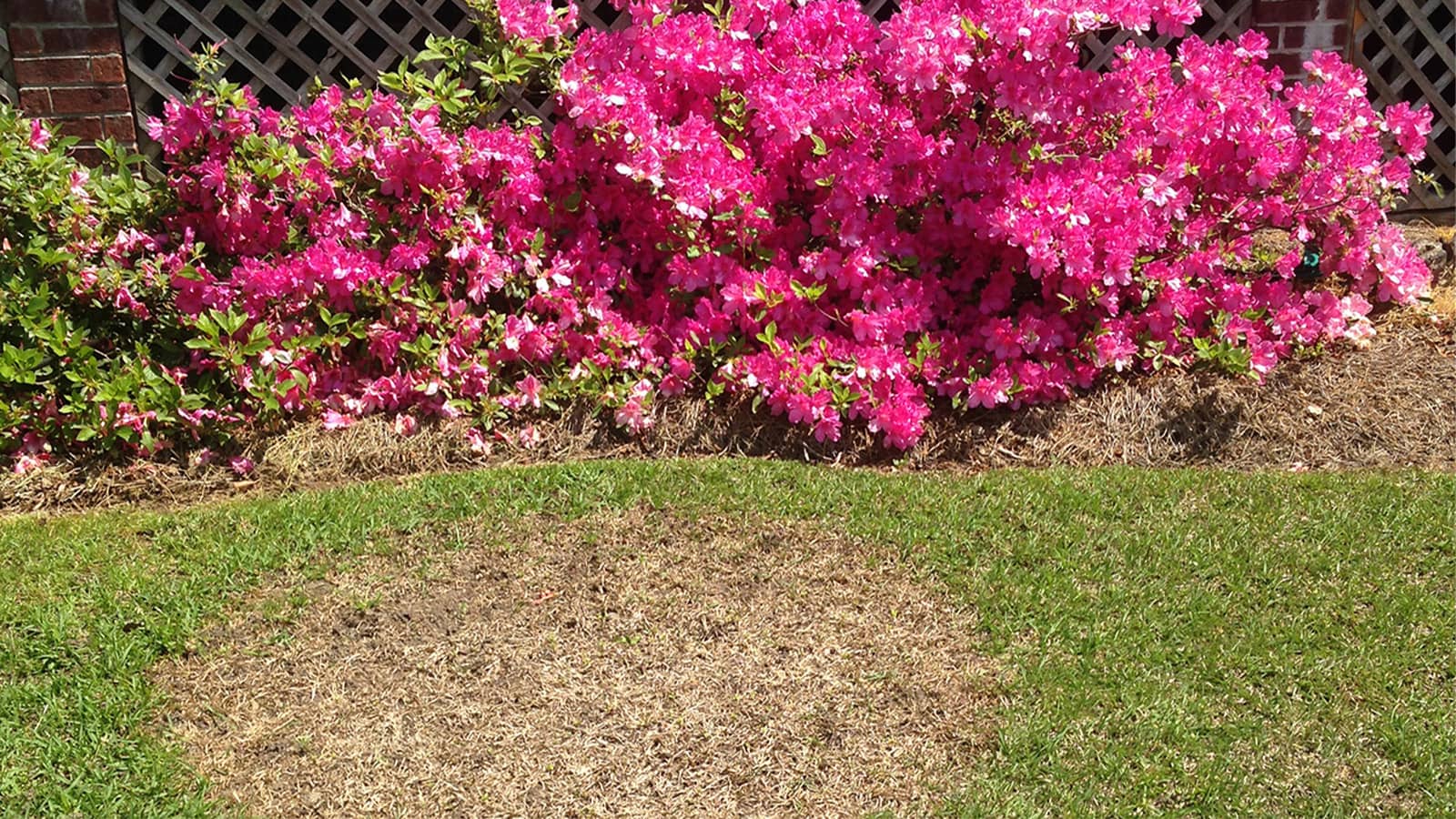
- Brown Patch/Large Patch: Circular brown or yellow patches of thinning grass.
- Dollar Spot: Straw-colored, round spots about the size of a silver dollar.
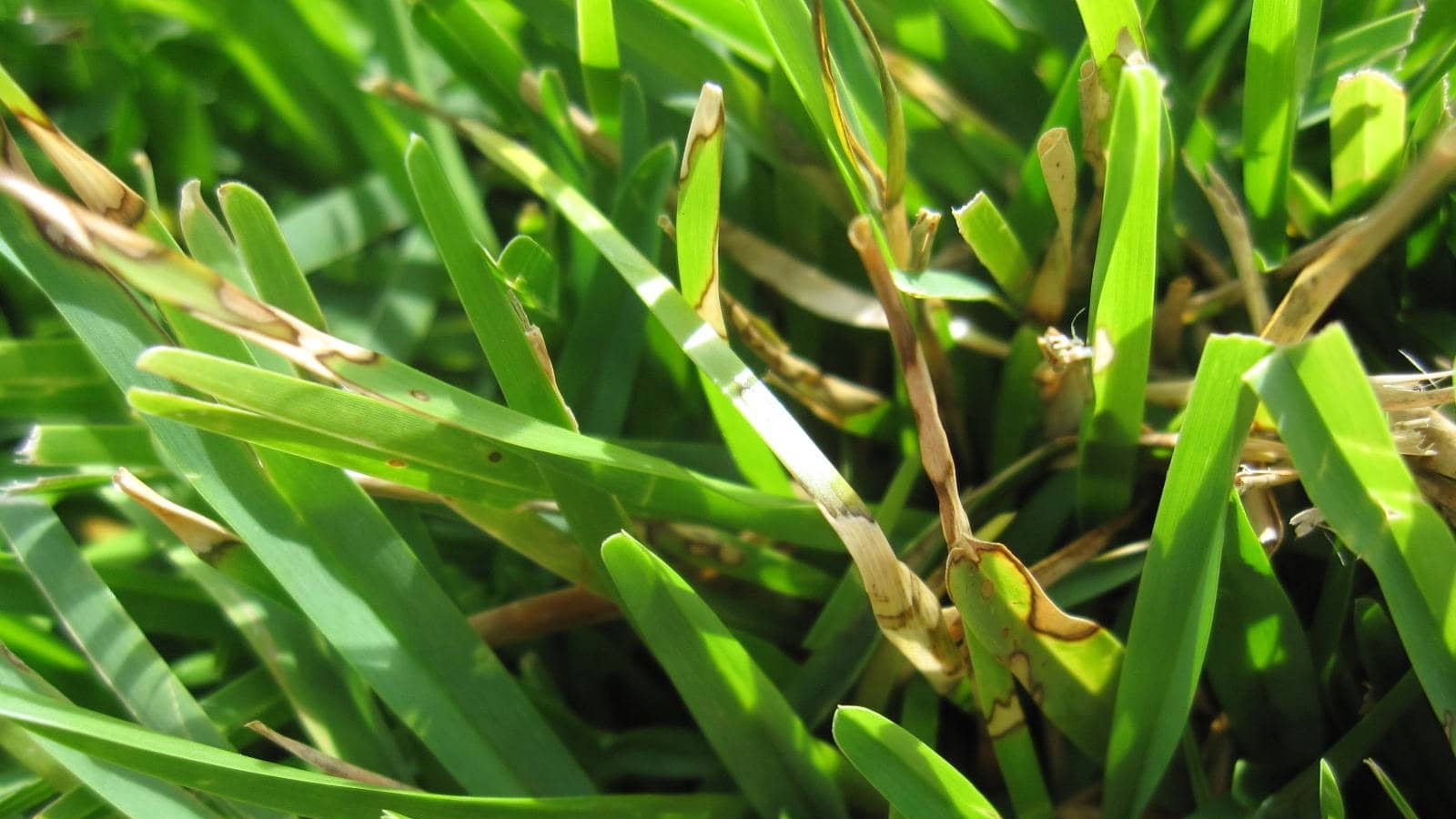
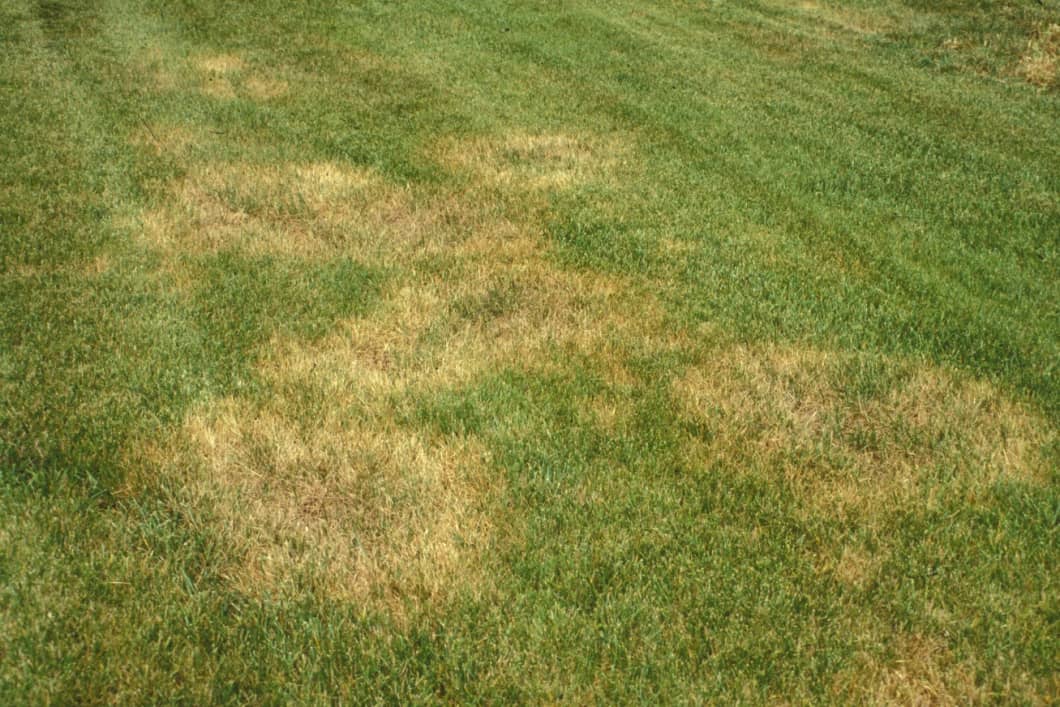
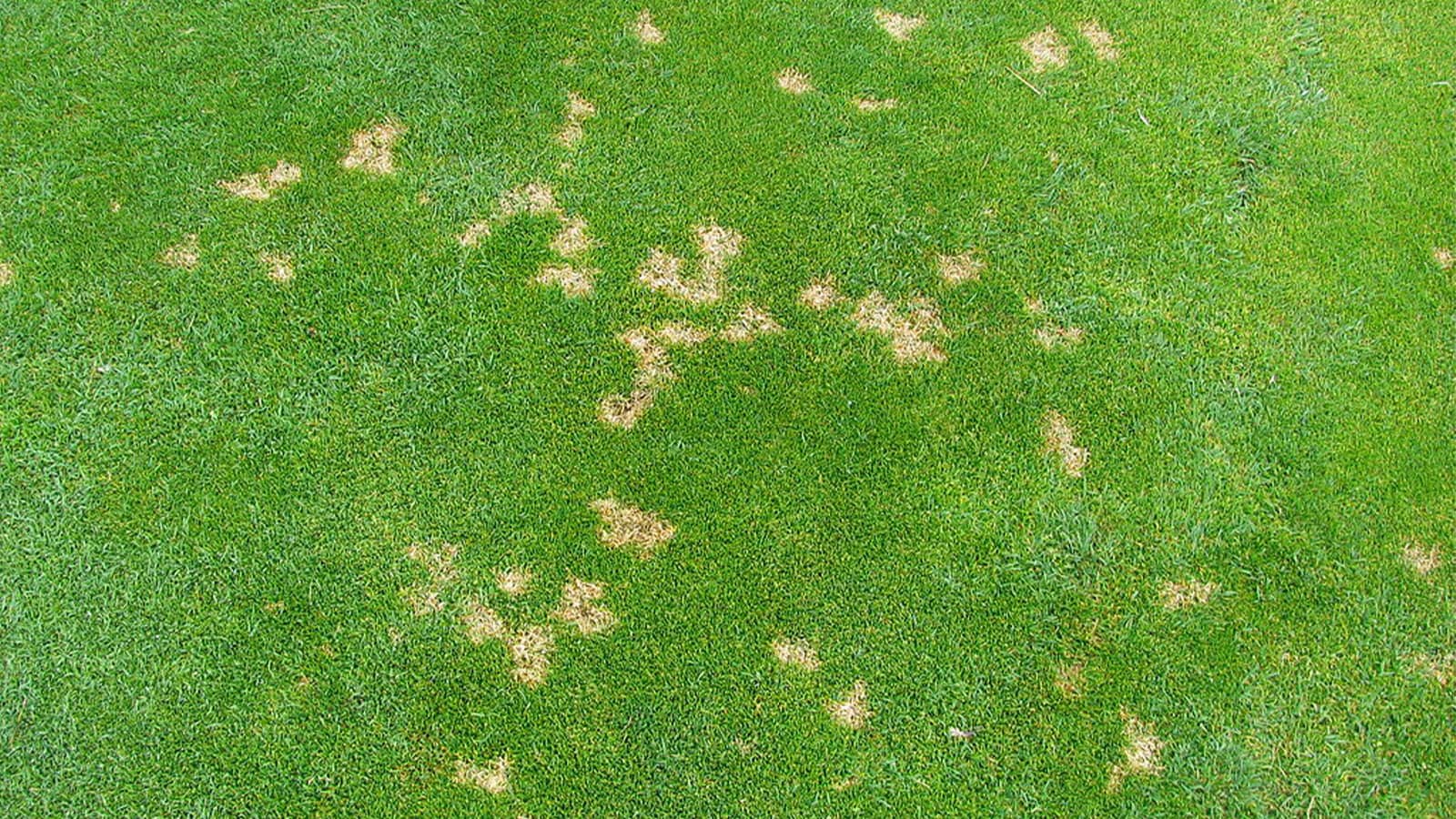
Pictured above from left to right: Gray leaf spot, brown patch and dollar spot.
Preventing Spring Lawn Disease
A healthy lawn in spring starts with thoughtful care year-round, especially in fall when preventative measures can protect your grass during dormancy. Here's how to address key elements of lawn care this spring while keeping fall preparation in mind:
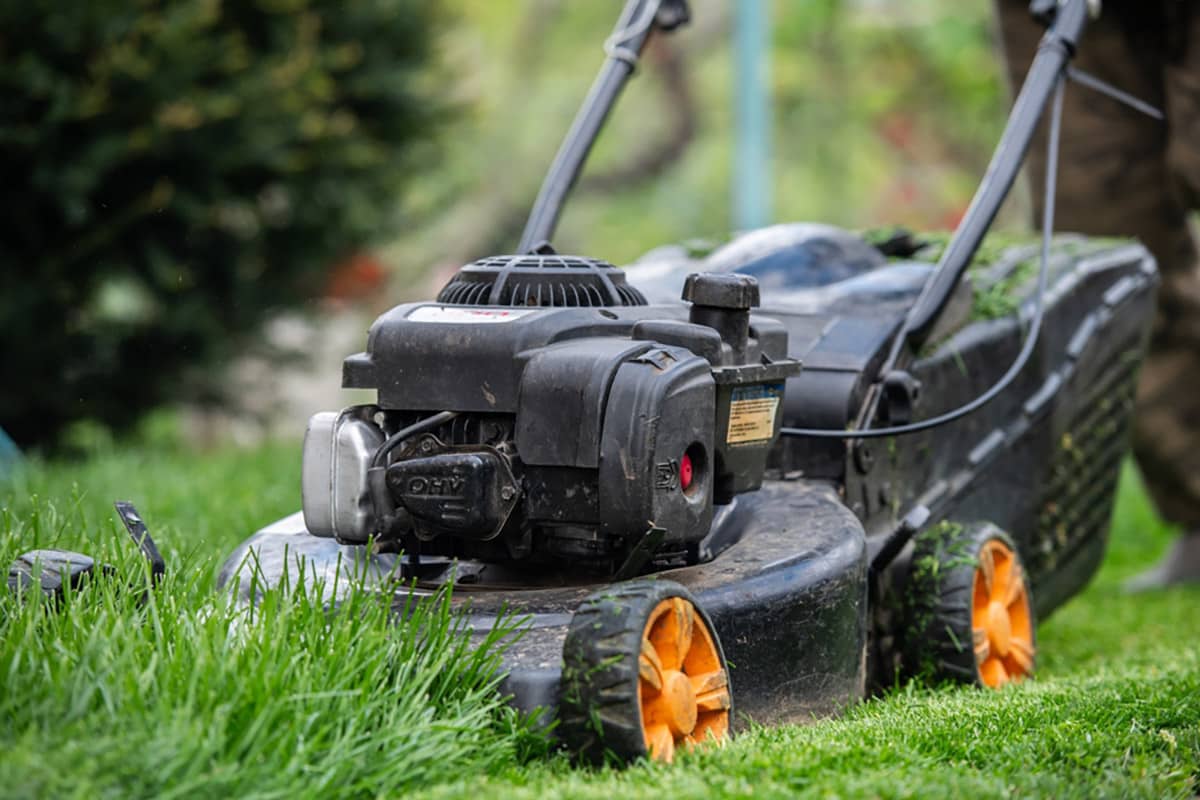
🛡️ Mind Your Mowing: As your grass begins to grow again, ensure your mower blades are sharp and clean to avoid tearing grass, which can invite disease. Refrain from mowing over any areas showing signs of damage until they recover.
🛡️ Optimize Watering: Water deeply and infrequently, aiming for about 1 inch of water weekly, including rainfall. Avoid overwatering, as damp soil encourages fungal growth.
🛡️ Reduce Shade: Take advantage of early spring to prune back trees and shrubs, improving sunlight and airflow. This is especially important if your lawn struggles with diseases like brown patch, which thrive in shady, moist conditions.
🛡️ Aerate and De-thatch: Spring is the ideal time to inspect your lawn for excessive thatch or compaction. Aerate and remove excess thatch to encourage strong root growth and minimize disease risk.
🛡️ Monitor Lawn Health: Watch for irregular patterns of discoloration or thinning grass—early indicators of lawn diseases. Keep off wet grass to prevent damage and fungal spread.
A Note on Fall Prevention
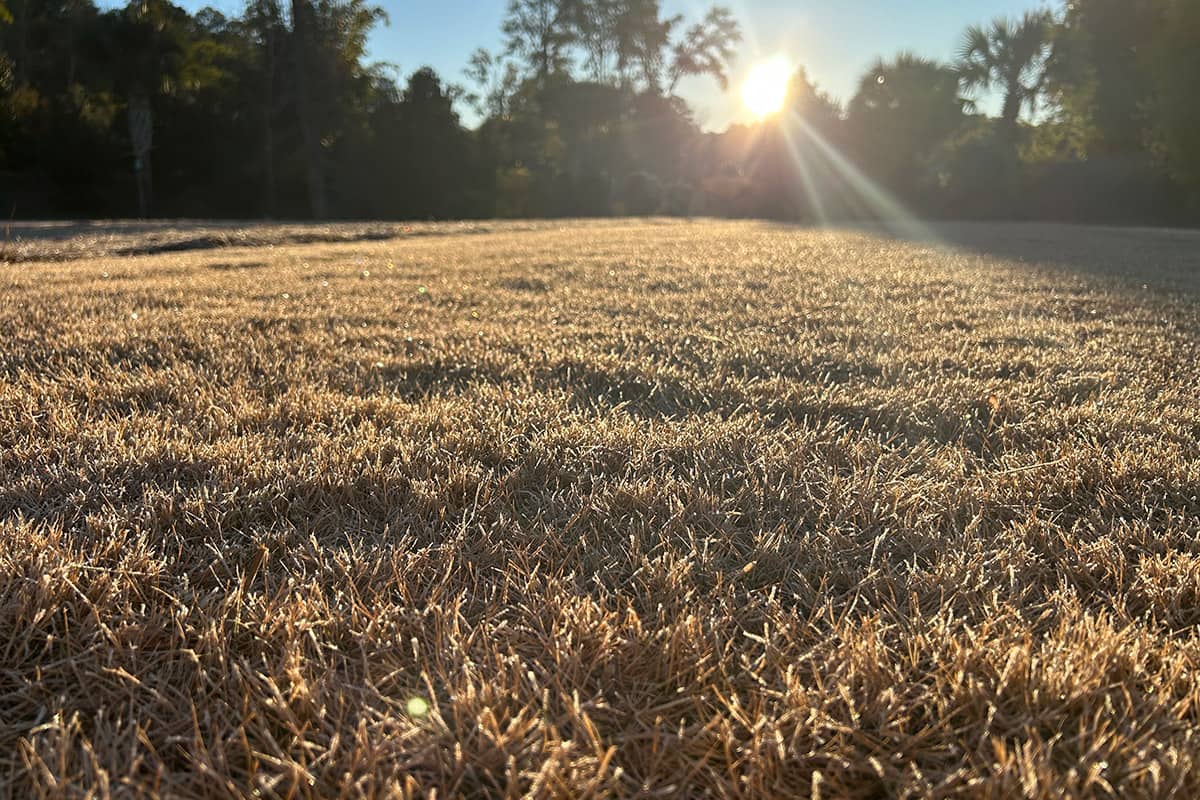
Lawn diseases often take hold in the fall when warm-season grass begins to go dormant. Since dormant grass can't effectively absorb fungicides, applying a preventative treatment in fall is crucial.
This helps protect your lawn during the winter, so issues don’t become apparent—and potentially severe—when the grass "wakes up" in spring. Without this preparation, diseases like large patch or gray leaf spot could cause extensive damage unnoticed until it's too late.
By combining proper spring care with a proactive approach in the fall, you'll give your lawn the best chance to thrive year-round.
Treating Spring Lawn Diseases
Sometimes, despite best efforts, lawn diseases can take hold. In these cases, treatment with fungicides may be necessary. For effective results:
✅ Choose the Right Product: Look for systemic fungicides that can move within the grass.
✅ Follow Application Guidelines: Always read and adhere to product instructions for safe and effective use.
✅ Use the Proper Equipment: Granular fungicides can be spread evenly with a spreader, while liquid forms are ideal for spot treatments using a sprayer.
Recommended Spring Lawn Disease Control
We recommend tried-and-tested options like:
- Armada 50 WDG Fungicide: A professional-grade solution for a variety of turf diseases.
- Heritage G Granular Fungicide: An excellent choice for broad-spectrum disease prevention.
- Propiconazole 14.3 Select Fungicide: Ideal for addressing existing fungal issues.
How to Prevent & Treat Spring Lawn Diseases - Answered
To prevent and treat spring lawn diseases, it's essential to manage moisture, shade, and organic debris which contribute to the "disease triangle" necessary for fungal growth. Start with preventive measures like keeping mower blades sharp and clean, optimizing watering to about 1 inch per week including rainfall, and reducing shade by pruning back trees and shrubs.
Aerating and de-thatching in spring can also strengthen grass roots and reduce disease risk. Despite these efforts, if diseases like gray leaf spot or large patch occur, treat them with systemic fungicides following the product's guidelines and using the correct equipment for application. Taking proactive steps in both spring and fall ensures a healthy, thriving lawn throughout the year.
Lawn Care is About Balance
By staying vigilant and taking steps to maintain a healthy lawn, you can enjoy the beauty of your yard with fewer interruptions from fungal diseases. With proper care, your lawn can thrive all season long.