A little extra care in the fall can save you hours of work next spring and ensure a healthy, green lawn. As the seasons change, it's easy to ease up on lawn care as winter dormancy approaches, but fall maintenance is key to a successful spring green-up.
While less demanding than summer upkeep, fall lawn care is crucial for a healthy lawn come spring. In this article, we'll share essential fall tips for a vibrant lawn, but first, let's discuss winter dormancy.
Uncovering the Mystery of Winter Dormancy
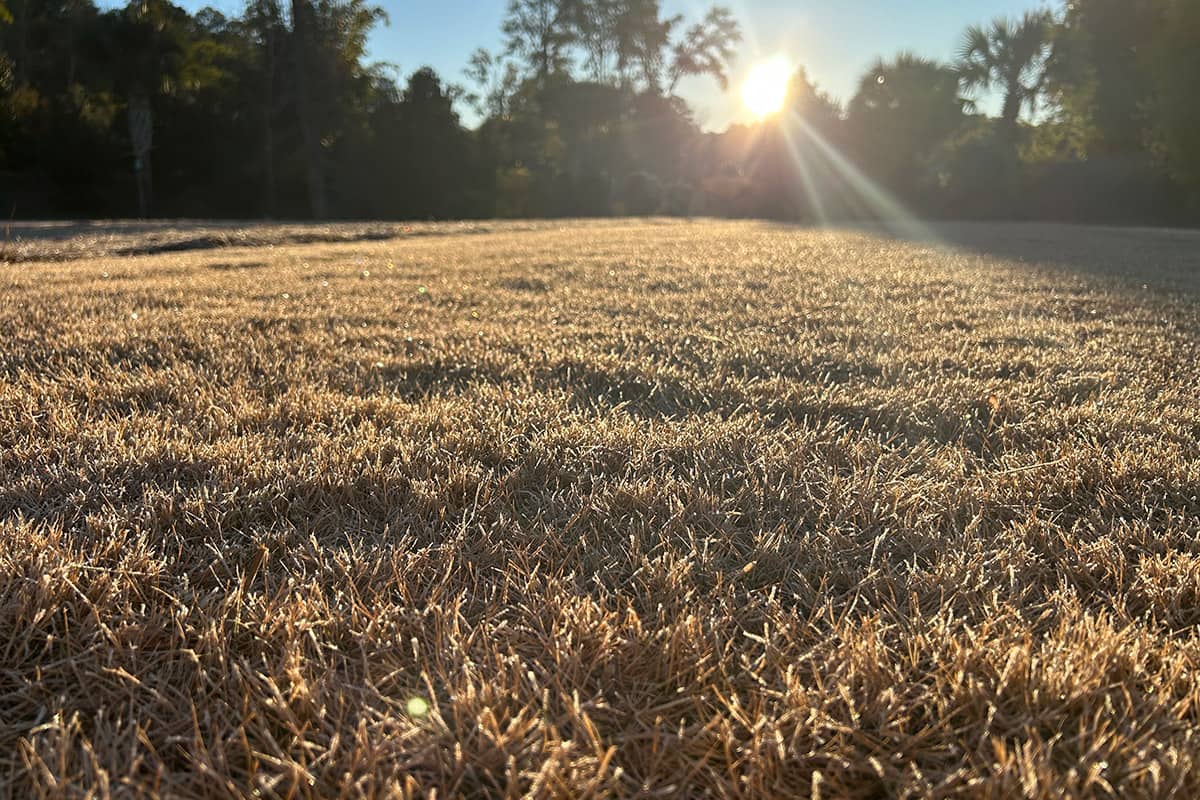
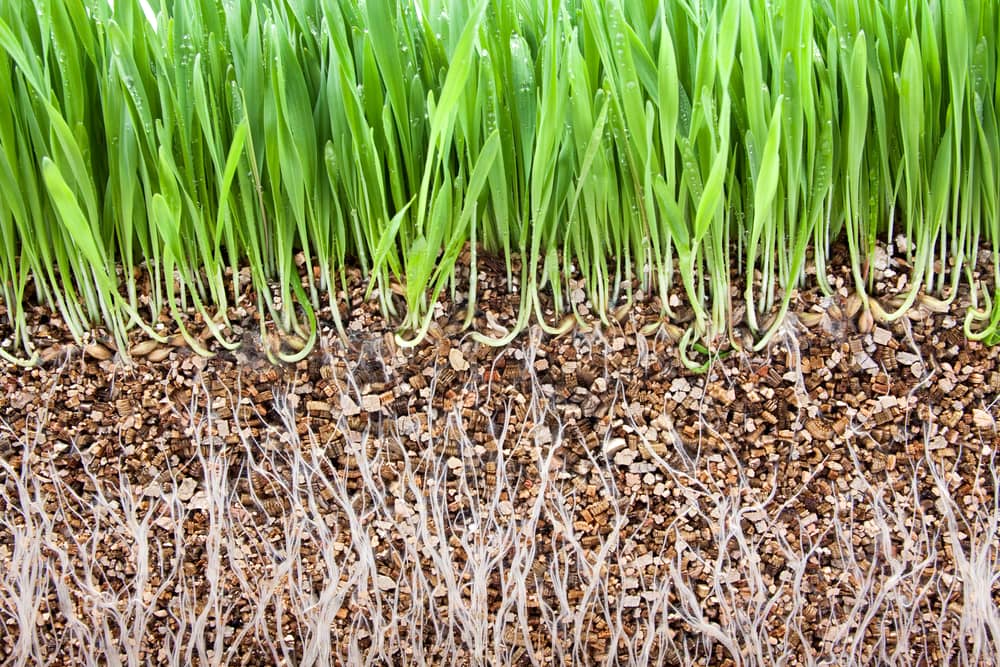
Winter dormancy is a natural process in which warm season grasses—such as zoysia, bermuda, centipede, and St. Augustine—enter a period of rest as sunlight and warmth decrease. Dormancy allows the grass to conserve nutrients and survive cold winter temperatures. During this time, the blades turn brown, but the roots remain alive, storing nutrients for spring.
Warm season grasses typically enter dormancy when soil temperatures fall below 55°F, usually after mid-September when air temperatures drop to 65°F. Every grass type has a slightly different growing period, but most warm season grasses go dormant around the same time.
Cool season grasses like bluegrass, fescue or ryegrass also enter dormancy, but they do this during the summer season. The purpose of dormancy is for the lawn to conserve its nutrients and enable it to survive the low temperatures of winter.
Why Fall Lawn Care Matters
The Hidden Power of Fall Fertilizer
Fall fertilization is critical because it ensures your lawn has the nutrients it needs to survive winter dormancy and green up quickly in the spring. Fertilizing now allows the roots to store energy while dormant, supporting strong growth when temperatures rise. We recommend using a fertilizer like Lawnifi® Fall Fertilizer Box, which includes liquid fertilizers designed to nourish your lawn throughout fall. Its carbon-based formula improves nutrient absorption and soil structure, ensuring your lawn is well-prepared for winter.
Weed Prevention’s Secret Weapon: Pre-Emergent Herbicides
Fall is the ideal time to apply pre-emergent herbicides, which prevent weed seeds from germinating as temperatures cool. Weeds like Poa annua germinate in fall but become visible in spring, making pre-emergents essential to prevent weed infestations before they appear. Herbicides like Prodiamine 65 WDG offer broad-spectrum control and help stop weeds before they take root.
Biologically, pre-emergents form a chemical barrier in the soil, preventing weed seeds from developing into mature plants. By addressing the issue before it starts, you reduce the need for labor-intensive, post-emergent treatments in spring.
Shield Your Lawn from Silent Disease Invaders
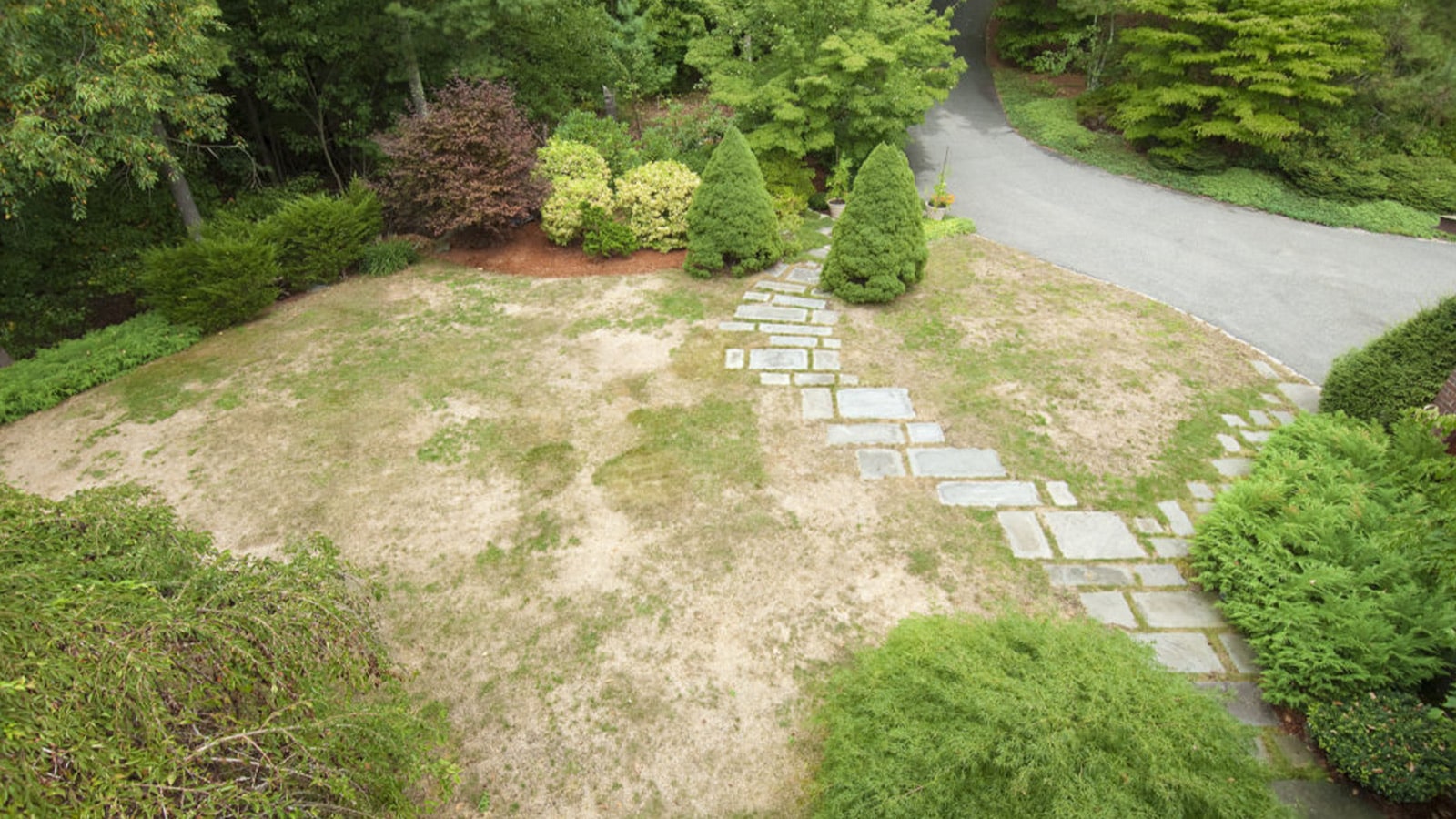
Fall is also prime time for lawn diseases like spring dead spot, which damage the lawn during colder months but aren’t visible until spring. Applying a preventative fungicide, such as Heritage G Granular Fungicide, helps protect against these diseases by halting fungal growth during fall and winter. Fungicides work by disrupting the fungal life cycle, stopping spores from infecting the lawn when it's most vulnerable.
Mowing and Watering: The Undercover Strategies
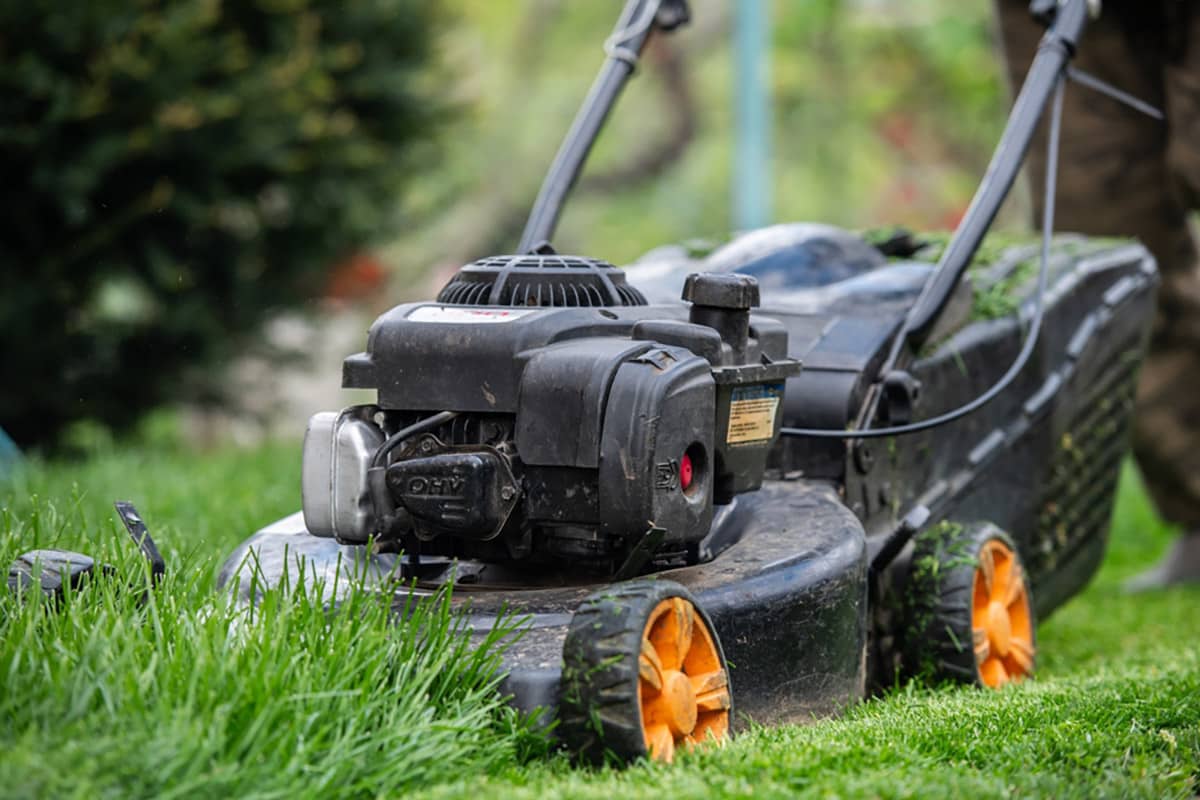
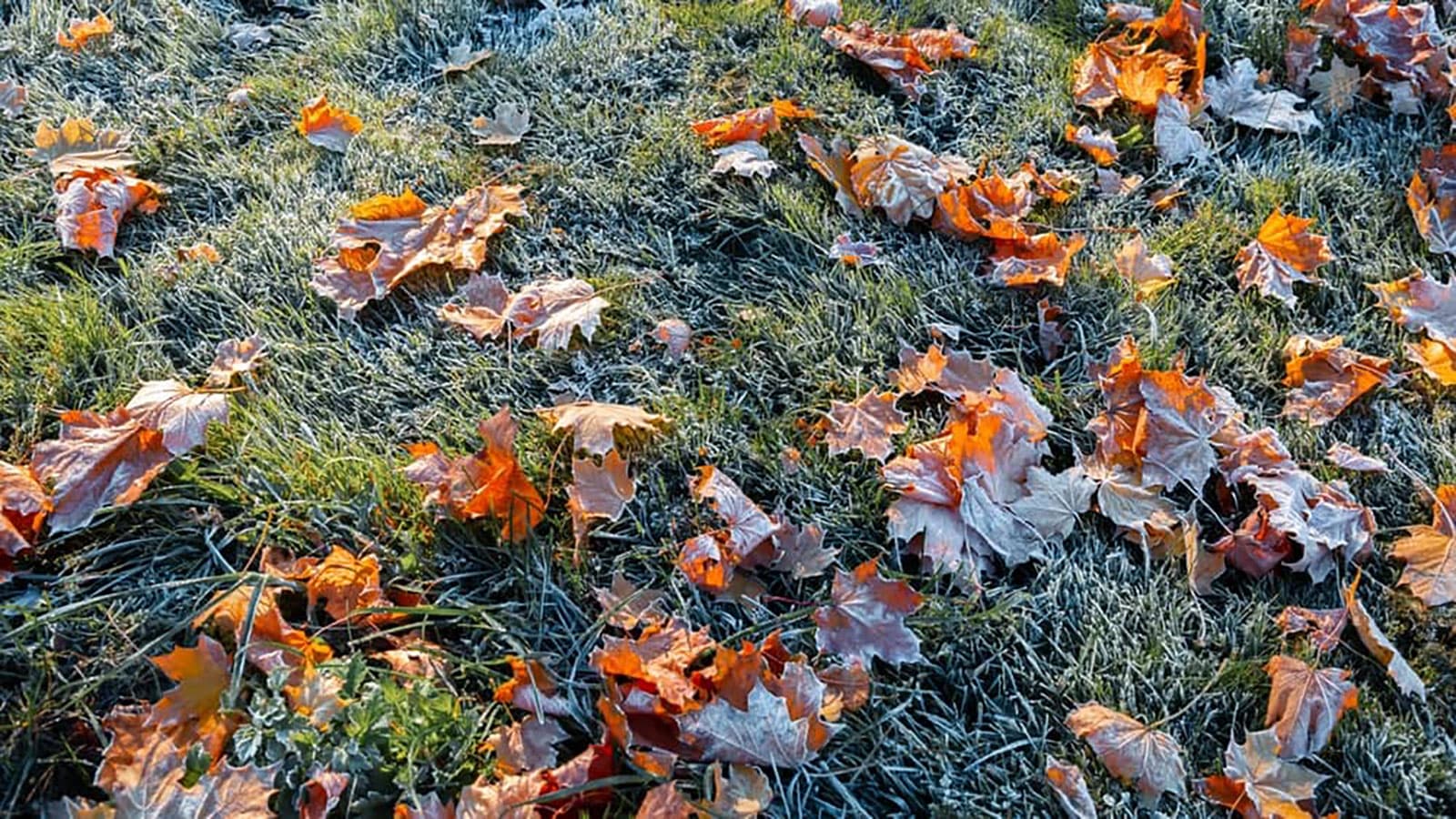
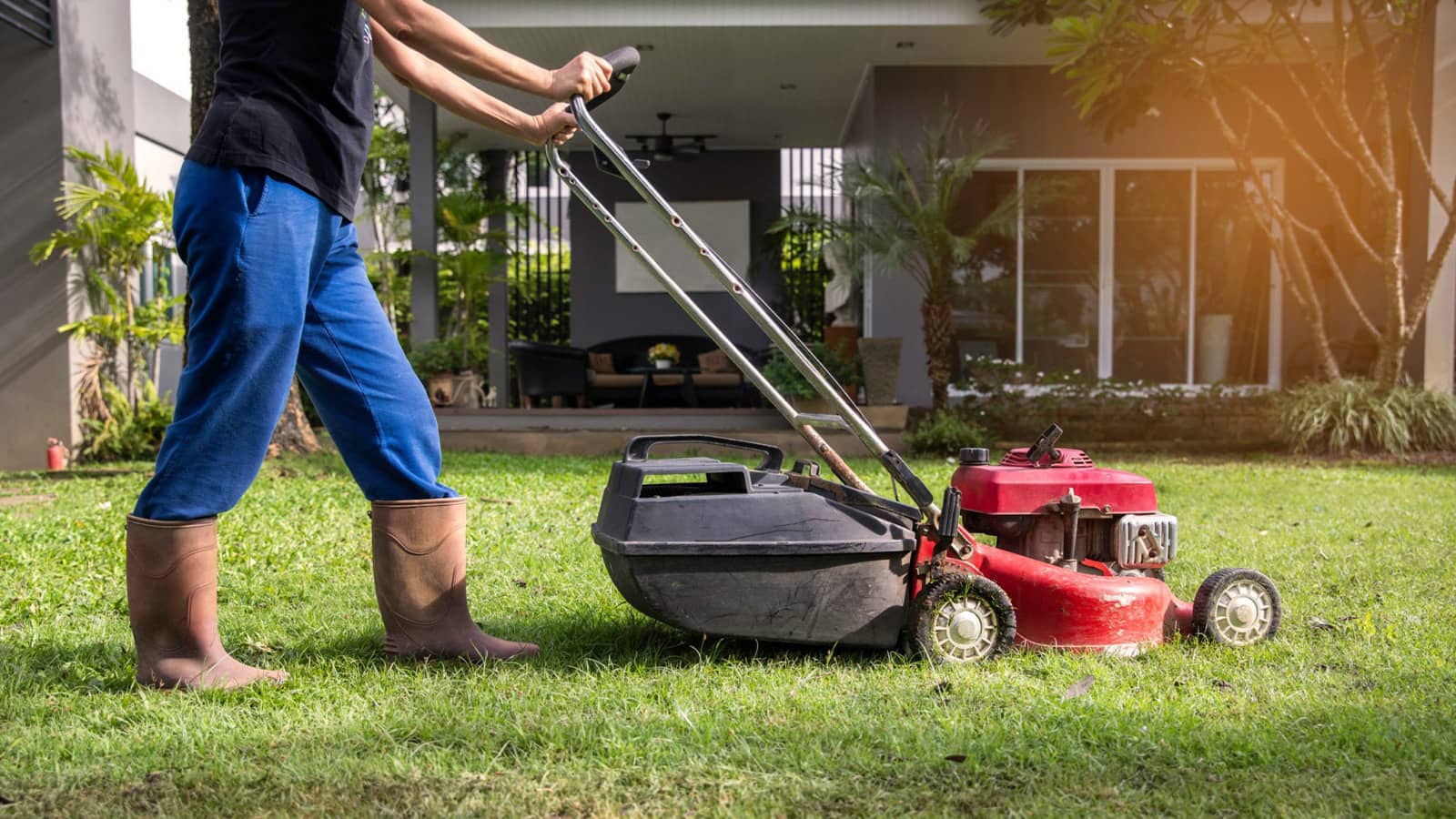
Even as growth slows, continue mowing until your lawn fully enters dormancy, generally when daytime temperatures drop below 50°F. Keep the grass slightly taller than usual to protect it from frost, which can damage the growing areas. Additionally, reduce your watering schedule, but don’t stop entirely—your lawn still needs moisture to maintain healthy roots during dormancy.
Why Fall Lawn Care is Critical
The steps outlined above are critical for maintaining a healthy, resilient lawn year-round. Fall fertilization provides essential nutrients, herbicides prevent future weed problems, and fungicides protect against diseases that would otherwise go unnoticed until spring. Skipping these tasks can lead to costly or time-intensive fixes later, as untreated issues worsen over winter and become harder to manage.
What are some fall tips to achieve a healthy spring lawn? - Answered
These fall secrets are part of a year-round strategy to keep your lawn healthy and resilient. Fertilization, weed prevention, and disease control now will prevent costly problems later. By investing in fall care, you ensure a vibrant, green lawn with less effort in spring, setting the foundation for consistent lawn health year after year.