
Stepping into homeownership comes with a myriad of decisions, from paint colors to fixtures. However, one of the most impactful choices lies right outside your front door: your lawn. For those unfamiliar with the nuances of yard care, Santee Centipede Grass presents an attractive, low-maintenance option that’s durable and forgiving of most errors.
This guide will delve into why Santee Centipede is an ideal choice for new homeowners, particularly those without prior lawn care experience.
Why Choose Santee Centipede Grass for Your New Home?
Low Maintenance Needs
Santee Centipede grass is celebrated for its minimal upkeep requirements. This grass variety thrives with less frequent mowing and minimal fertilization, freeing up time and reducing lawn care costs.
Its slow growth rate and low fertility needs mean that contrary to more demanding grasses, the less you do to Santee Centipede, the better it tends to look. Afterall, centipede grass in general is commonly known as “the lazy man’s grass”
Durability and Hardiness
Ideal for first-time homeowners, Santee Centipede offers resistance to common pests and diseases. Its ability to prosper in less fertile and acidic soils (pH 4.5–6.5) minimizes the need for chemical interventions, aligning with environmentally conscious practices.
Additionally, its excellent drought tolerance allows it to survive dry spells common in the South by going dormant, returning bright and green when conditions improve.
Good Looks & Crabapple-Green Color
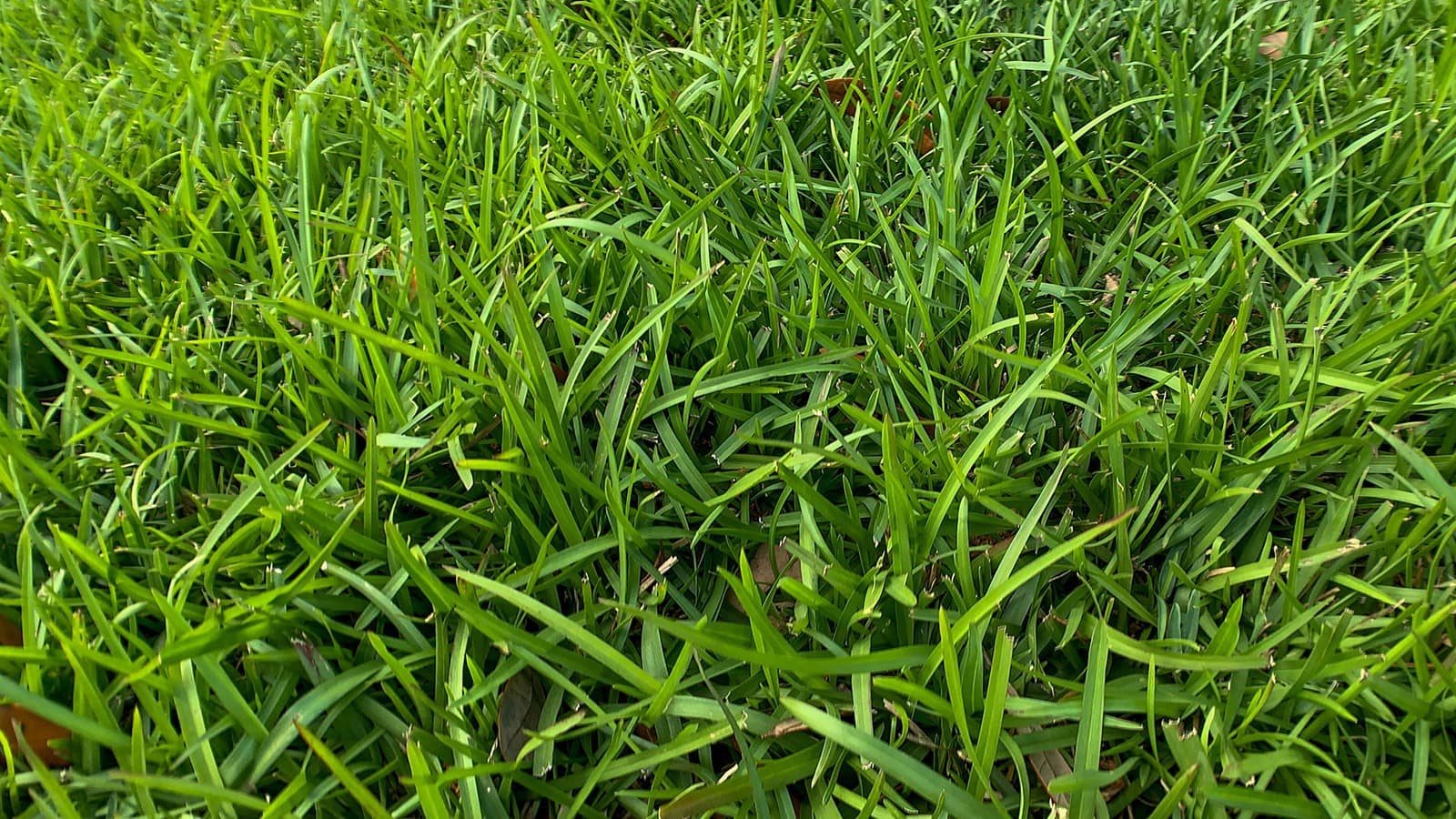
For those new to the South, centipede grass may look quite different from the deep green, fine-textured lawns found in other regions. Unlike some traditional turfgrasses, centipede has a coarser texture and a distinct crabapple-green color that stands out in the landscape.
Its blades are slightly wider than some grasses, typically measuring between 0.1 to 0.2 inches (2-4 mm) in width, with a pointed or boat-shaped tip. The grass grows laterally through above-ground stolons, creating a dense, carpet-like cover that resists weeds and fills in bare spots efficiently. Unlike other common lawn grasses, centipede does not have underground rhizomes, meaning it spreads more gently and maintains a uniform appearance without aggressive invasion.
Another distinguishing feature is its seed head—slender, singular spikes that rise just above the leaf blades, sometimes producing delicate white flowers. While it may take some getting used to for those unfamiliar with it, Santee Centipede offers a visually appealing lawn with a unique look that enhances curb appeal year-round.
Practical Benefits:
- Reduced Mowing Frequency: The slow growth rate of Santee Centipede significantly cuts down on the need for frequent mowing, which is particularly beneficial for busy homeowners.
- Strong Disease Resistance: The grass's natural resistance to diseases means less time and money spent on maintaining lawn health.
- Rapid Recovery and Growth: Thanks to its massive root system, Santee Centipede covers ground quickly and recovers from damage efficiently, making it a durable choice for active yards.
- Environmental Advantage: Its ability to thrive in lower-quality soils and under water restrictions makes it a sustainable choice for eco-friendly landscaping.
Getting Started with Your Santee Centipede Lawn
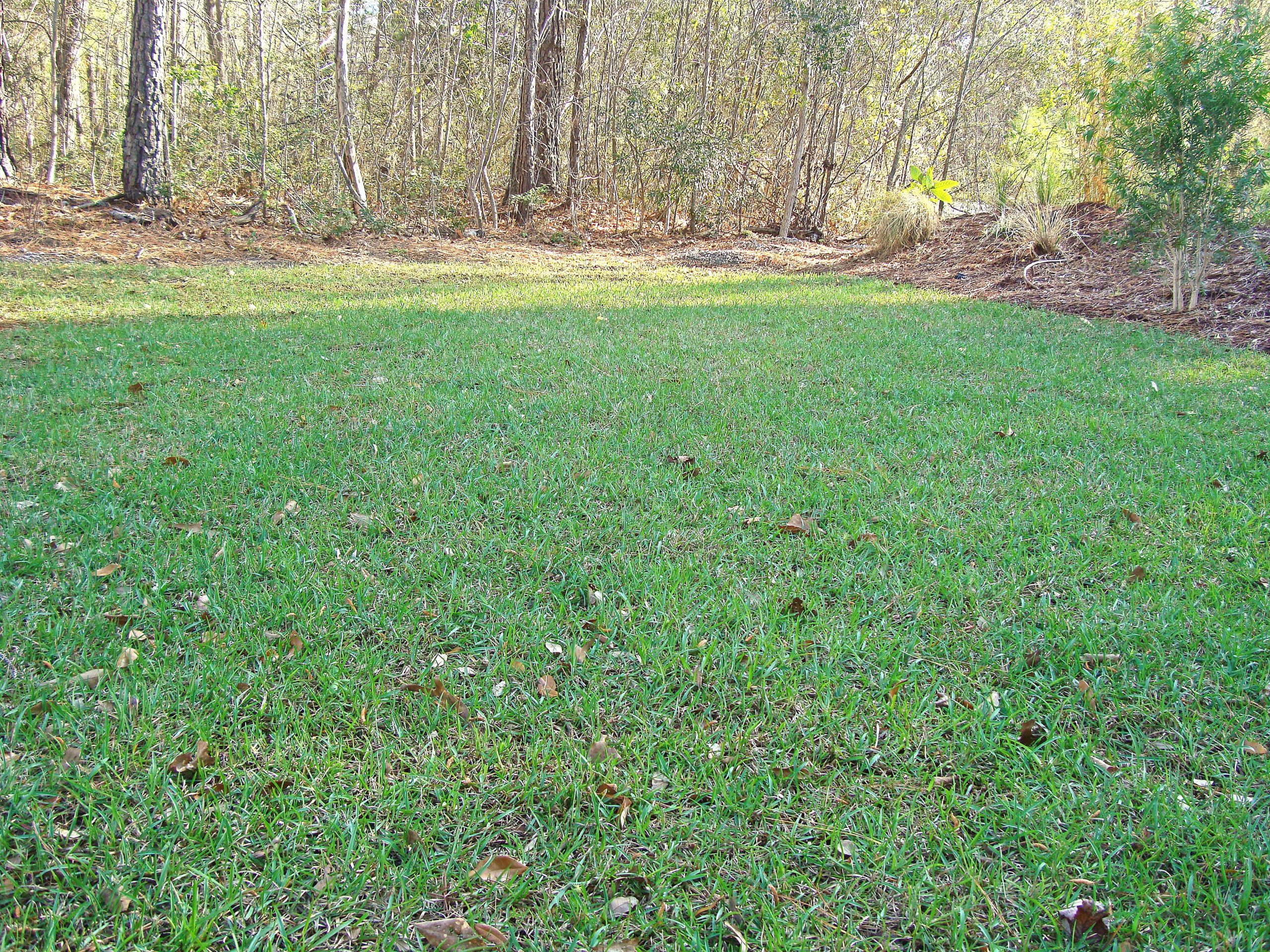
Installation: You can establish a Santee Centipede lawn through seeds, sod or plugs. The grass spreads via rhizomes above ground, allowing quick coverage and easy filling of bare spots. Seeding is particularly cost-effective and lets the grass develop a strong root system in its new setting.
Care Tips: Initially, regular watering is crucial until the grass is fully established. Once mature, it requires significantly less watering.
Mow your lawn when it reaches about 1.5 to 2 inches in height and fertilize sparingly—typically just once annually with a low-nitrogen product to avoid over-fertilization, which can lead to issues like centipede decline.
Why Choose Santee Centipede Grass for Your New Home? - Answered
For first-time homeowners, Santee Centipede Grass offers a stress-free solution to achieving a beautiful, healthy lawn. Its low-maintenance nature, coupled with its aesthetic and environmental benefits, makes it an excellent choice for those new to lawn care.
By choosing Santee Centipede, you’re not just planting grass—you’re investing in a durable, attractive landscape that enhances your new home and simplifies your life.