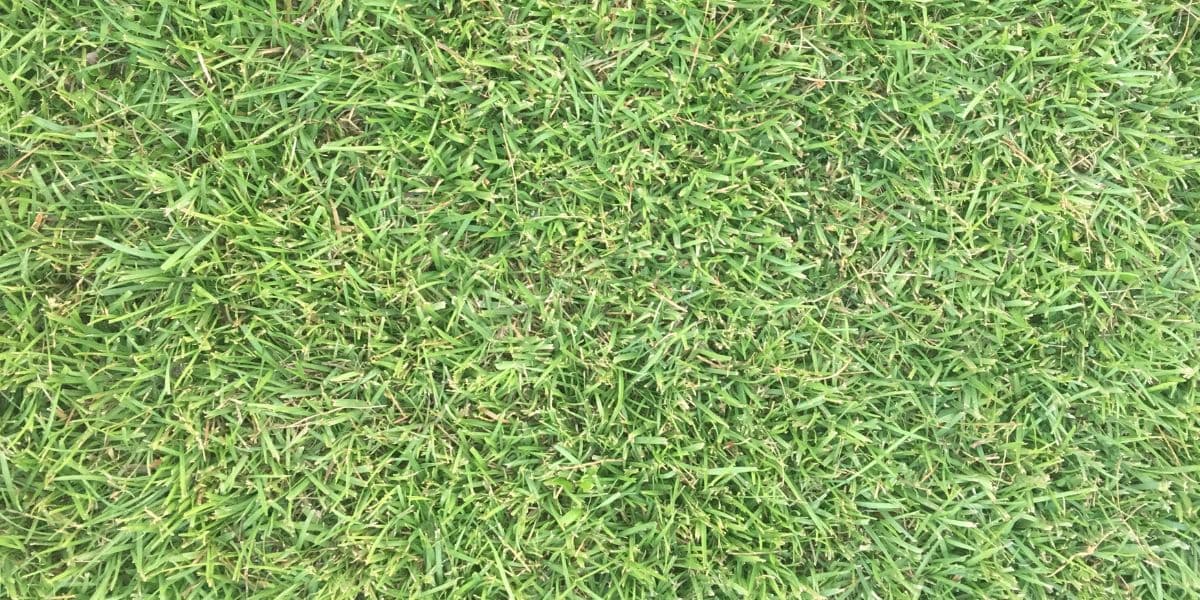
One key aspect of proper lawn care is identifying the type of grass in your landscape. By knowing your grass type, you can tailor your maintenance practices to ensure it looks and performs at its best.
Centipede grass is a popular choice for lawns in the southern United States because of its low maintenance needs and ability to thrive in warm climates. In this article, we'll guide you through the key characteristics of centipede grass, such as its blade width, growth habits and more, so you can confidently identify and care for your lawn. If you're uncertain whether you have centipede grass, this guide is here to assist you.
Where are you located? What is your climate zone?
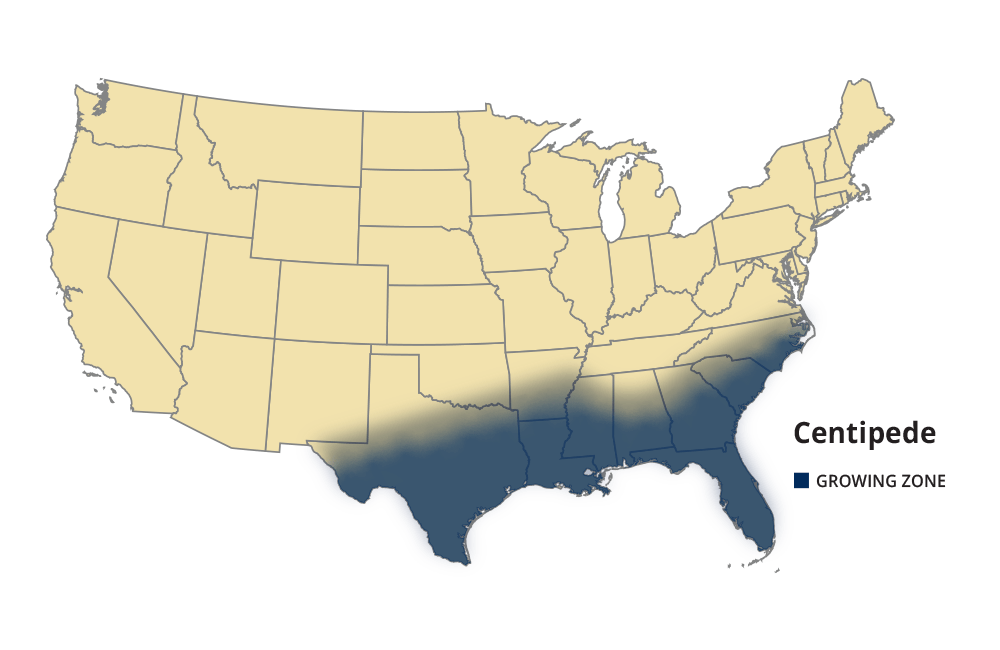
Centipede grass is a warm season grass that thrives best in the southeastern United States. Understanding your geographic location and climate zone is the first step in determining whether centipede grass grows in your lawn.
What do the grass blades look like?
The next step is to examine the blade characteristics of your grass.
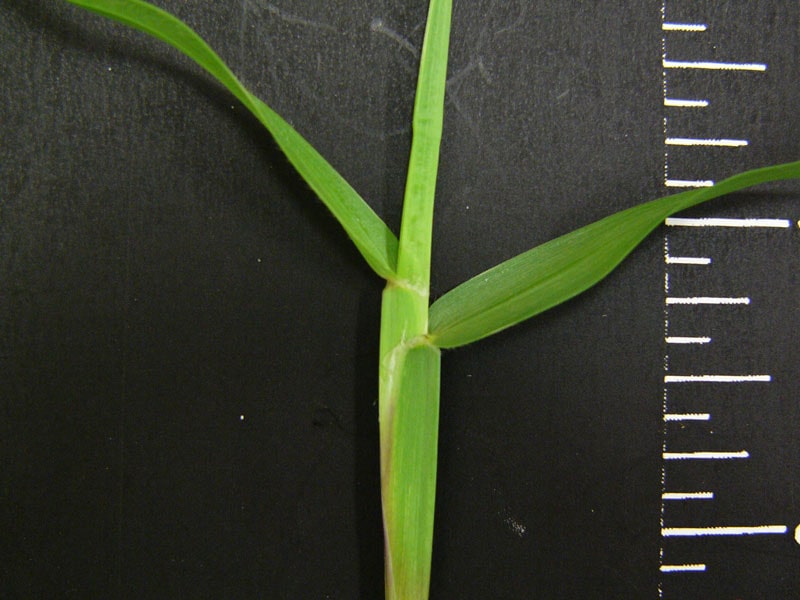
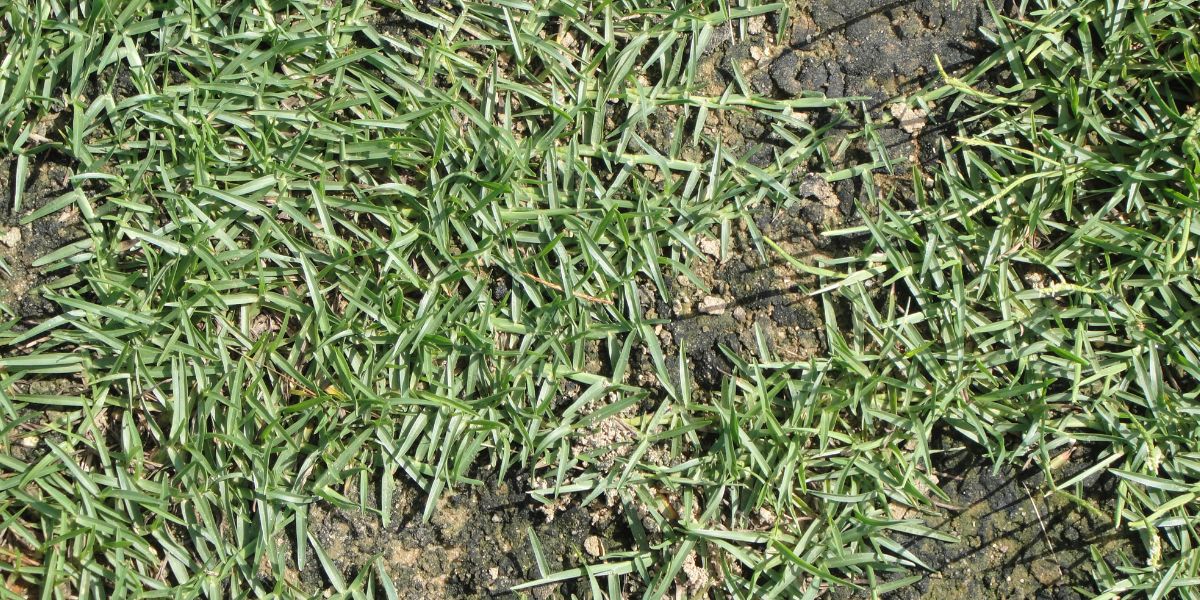
- Blade Width: Centipede grass typically has blades of 0.1 to 0.2 inches (2-4 mm) wide.
- Blade Shape: The blades have a pointed or boat-shaped tip
- Texture: The grass has a coarse texture.
These distinctive features help identify centipede grass from other types of grass.
What color is the grass?
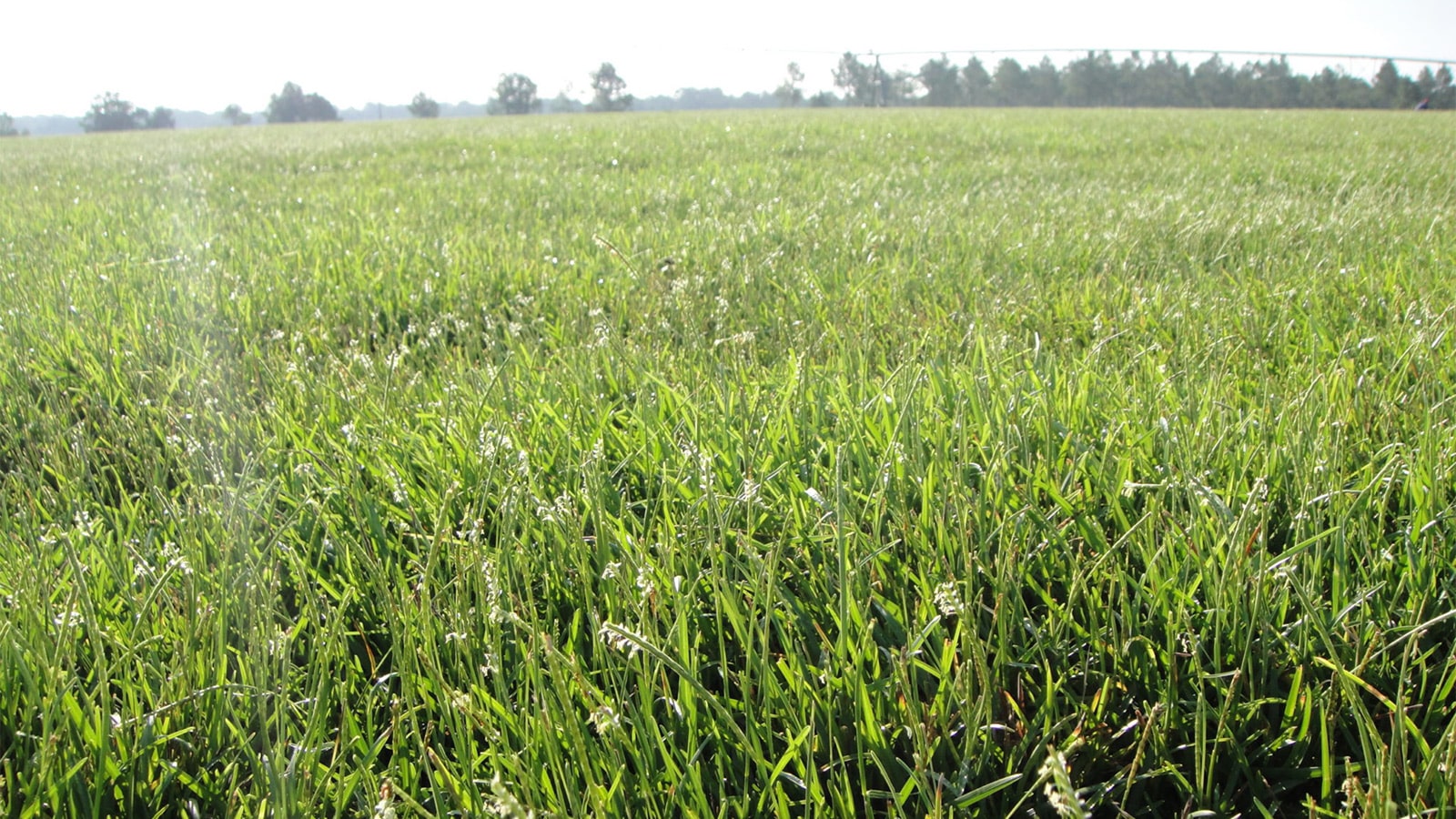
The color of your grass can also help identify it. Centipede grass typically has a lighter, brighter crabapple-green color. If your lawn is a deep, dark green, it is likely not centipede grass.
What do the seed heads look like?
Centipede grass seed heads are slender and singular, extending just above the leaf blades. They produce small white flowers, giving the seed head a delicate appearance. The seed head is a slender spike, a characteristic of centipede grass.
How does the grass grow and spread?
Centipede grass spreads via stolons, which are above-the-ground runners. Rhizomes, or below-the-ground runners, are absent. This spreading pattern allows the grass to cover the ground laterally. Observing how your grass spreads can provide significant clues about its type.
What is the vernation like?
Vernation refers to how the youngest blades are arranged within the sheath before they unfold. Centipede grass has a folded vernation. This means the blades are folded in the sheath before they fully open up.
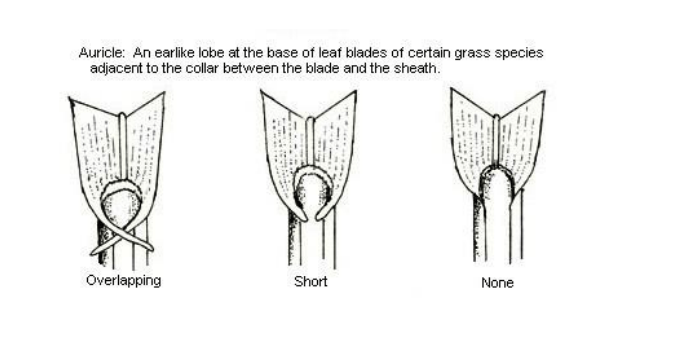
Are auricles present?
Auricles are small appendages found at the base of the grass blade. In Centipede grass, auricles are absent. Checking for the presence or absence of auricles can further help confirm your grass type.
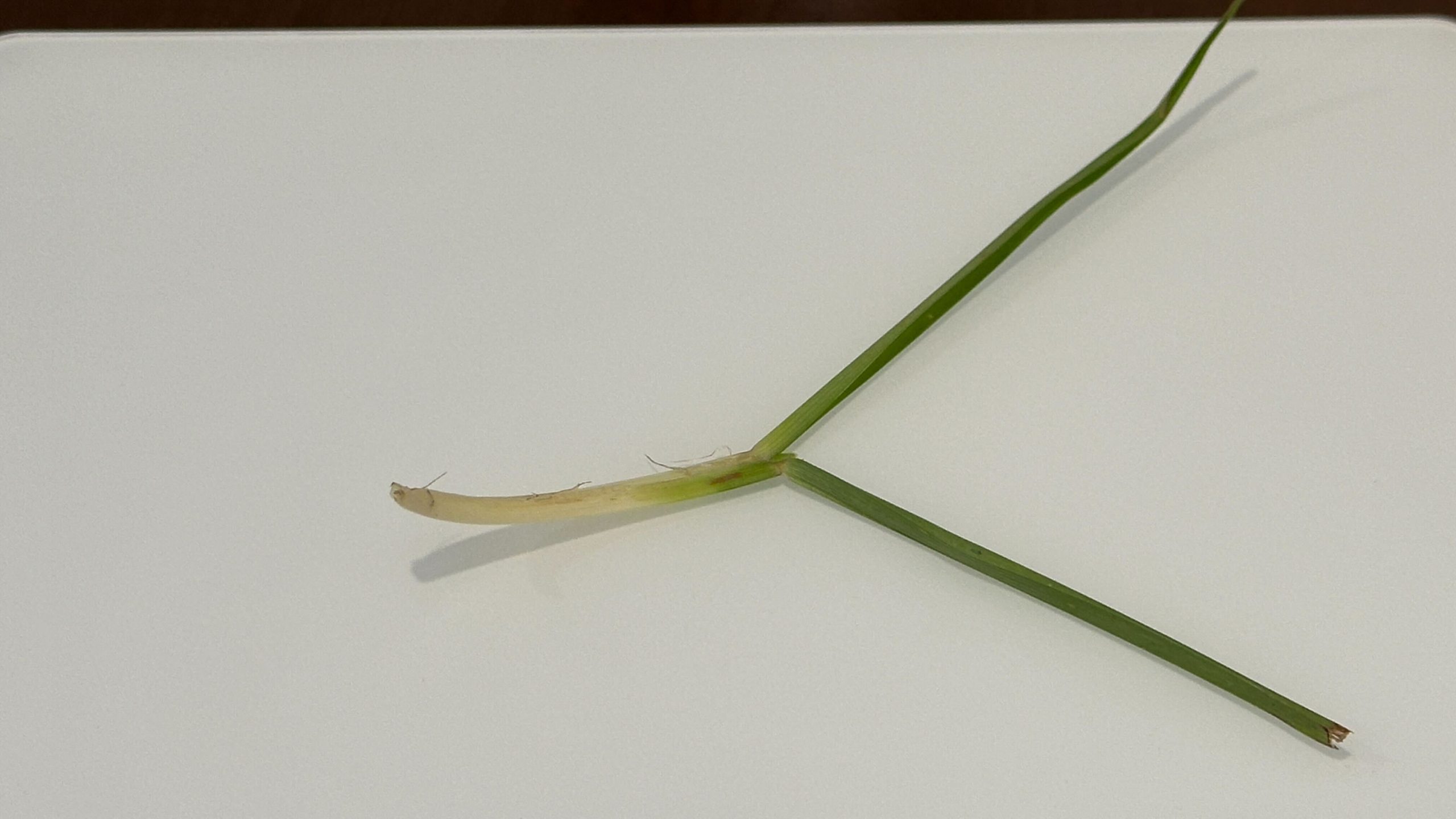
Left Photo Credit: KingAgriSeeds.com
What does centipede grass look like? - Answered
To identify centipede grass in your lawn, consider your location and climate; this warm-season grass thrives in the southeastern US. Examine the blades, which should be 0.1 to 0.2 inches wide, pointed or boat-shaped and coarse.
Look for slender, singular seed heads. Centipede grass spreads via stolons (above-ground runners) and lacks rhizomes. It also has a light, crabapple-green color.
It has a folded vernation (young blades folded in the sheath) and no auricles.
These characteristics will help you confidently identify Centipede grass and care for your lawn correctly.