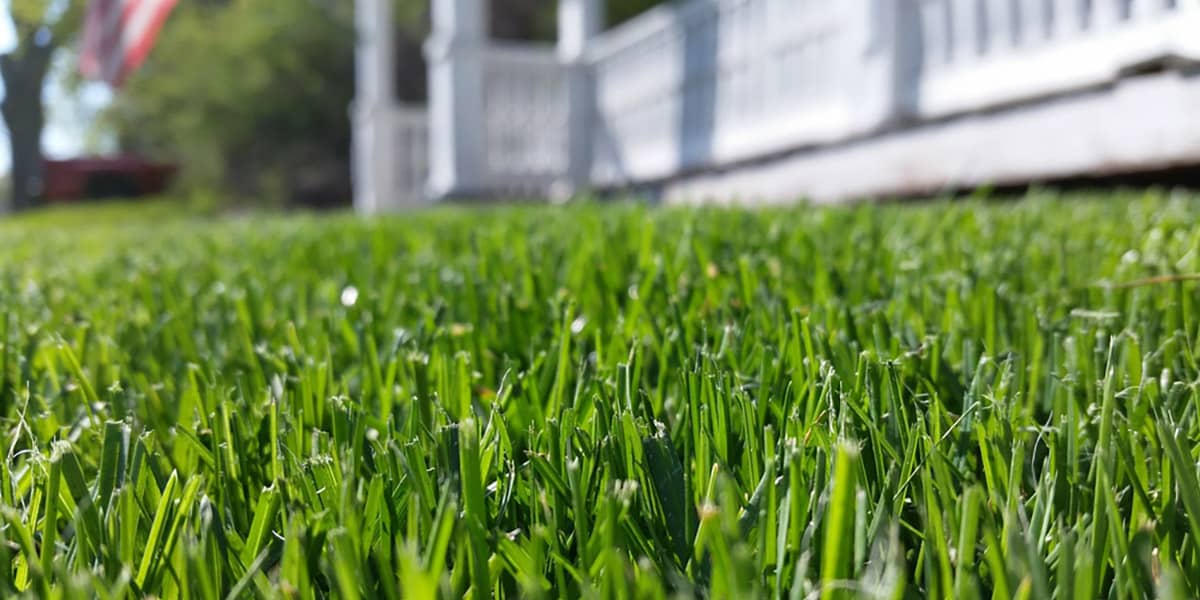
Summer can be tough on lawns, and chances are you're not the only one wondering why your grass looks a little stressed.
We've rounded up the most common lawn care questions homeowners ask during the heat and answered them with practical tips to help your yard thrive.
Watering and Irrigation
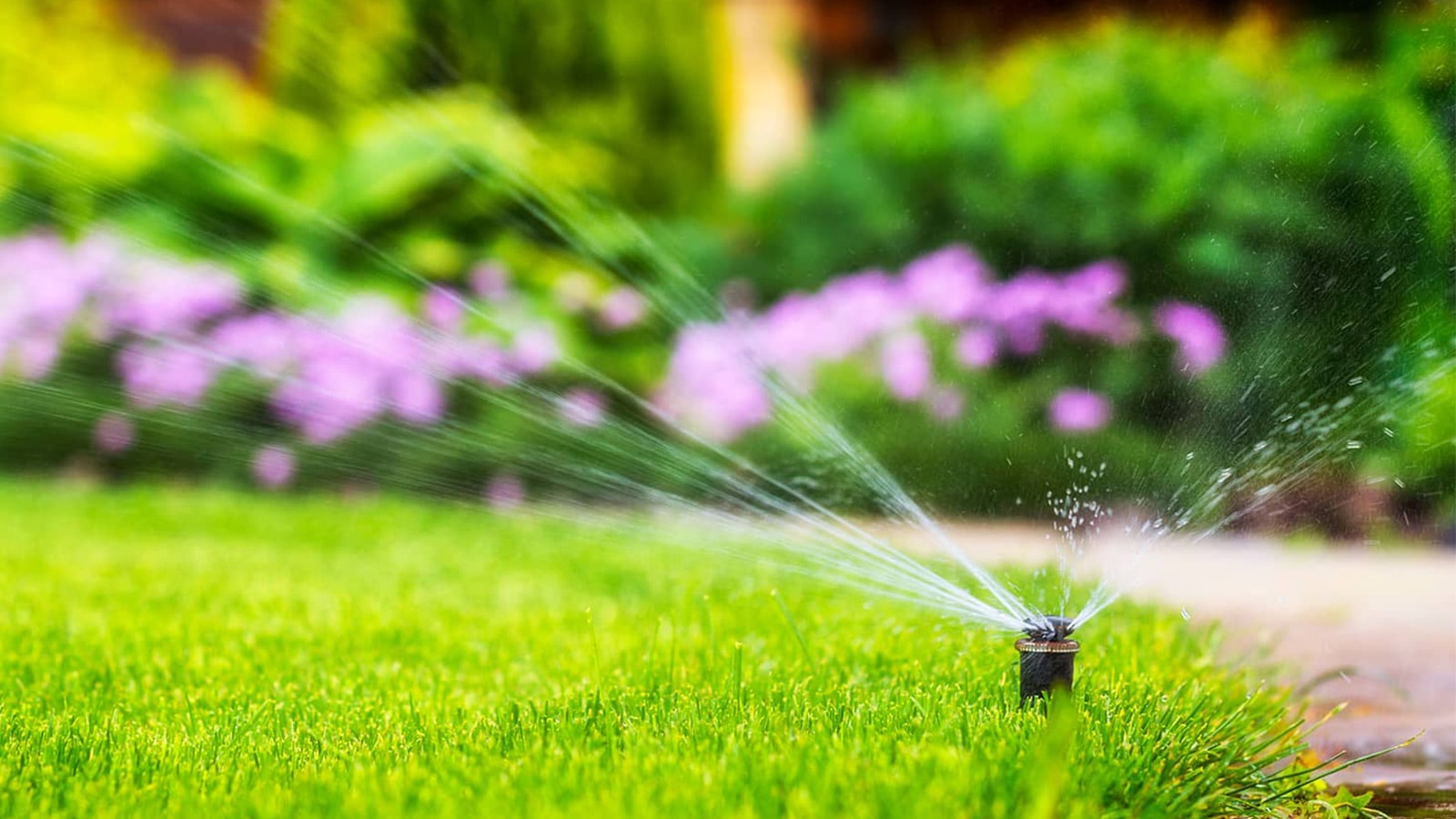
How often should I water my lawn in the summer?
During the summer, most lawns thrive with just 1–2 deep waterings each week. Aim for 25–30 minutes per session to deliver about an inch of water to soak the roots and keep your grass healthy. Just be sure to adjust based on your soil type and sprinkler setup.
Is it better to water in the morning or evening?
The early morning is prime time for watering your lawn. You'll lose less water to evaporation, and your grass will dry out during the day, reducing the risk of pesky fungal diseases that thrive on overnight moisture.
How long should my sprinkler or irrigation system run?
Run your sprinkler or irrigation system for about 25–30 minutes per session, once or twice a week. That usually adds up to the ideal 1 inch of water your grass craves. Just remember that sprinkler types vary, so adjust the timing as needed, and don’t forget to factor in any rainfall. Learn more here.
How can I tell if my lawn is getting enough water?
Try the screwdriver test. If it slides easily into the soil about 6 inches deep, you're in good shape. If not, or if your grass looks wilted or starts turning brown or blue-gray, it’s a clear sign that your lawn is thirsty.
Mowing and Lawn Maintenance
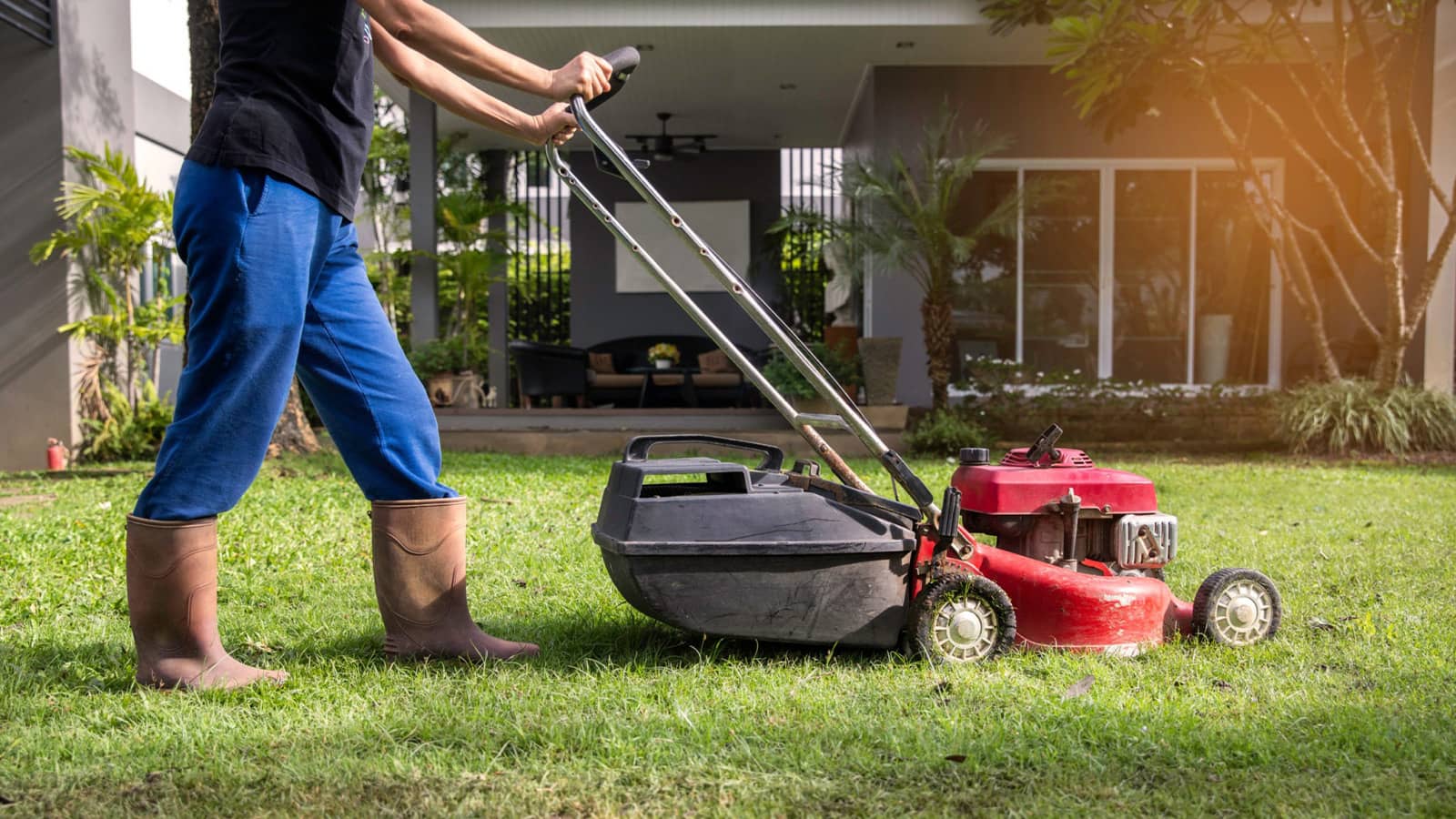
How high should I cut my grass during the summer?
Keep your mower blade high! Cutting your grass at the taller end of its recommended height helps shade the soil, lock in moisture and shield roots from the summer heat. You can check out recommended heights by selecting your grass type here.
Should I bag or mulch the clippings?
Skip the bag and let those clippings fall! Mulching returns valuable nutrients and moisture back to the soil, which is just what your lawn needs to stay strong during summer stress.
How often should I mow in hot weather?
When it’s really hot, ease up on mowing. Letting your grass grow a bit taller helps it hold onto moisture and reduces stress during those scorching summer days. Learn more here.
Should I scalp my lawn in summer?
Do not scalp your lawn during summer. Cutting grass too short can stress it, increase water loss and make it more susceptible to heat and drought.
Heat and Drought Stress
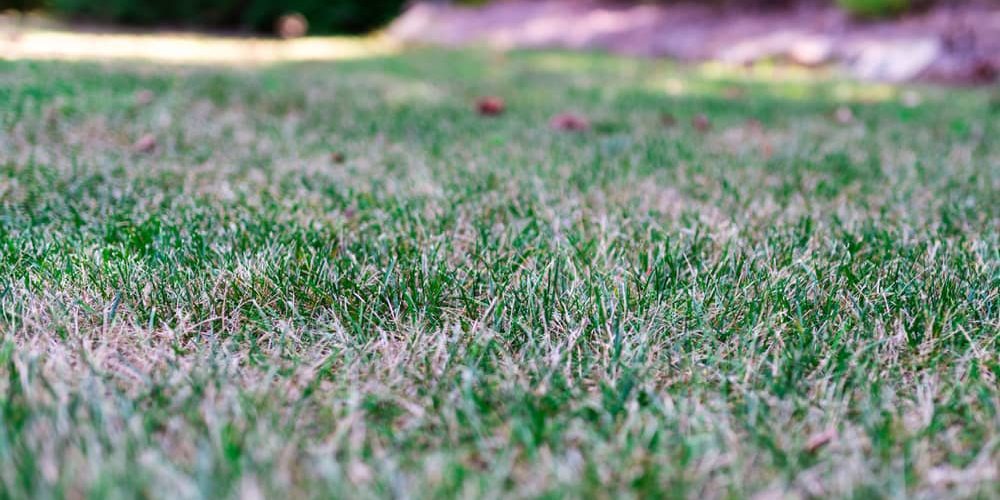
Is it normal for my lawn to go dormant in summer?
Cool season grasses (like fescue or bluegrass) often go dormant in hot, dry weather—that's their natural survival response. But warm season grasses (like bermuda, zoysia or St. Augustine) typically shouldn't go dormant in summer. If they do, it’s a sign your lawn is under serious stress.
While most grasses can bounce back when conditions improve, dormancy is a warning sign—not a free pass. Take action to revive your lawn, because if left alone, dormancy can quickly turn into permanent damage or death.
How can I prevent my lawn from drying out?
Water deeply but infrequently, mow at a higher setting and mulch clippings to help the soil retain moisture. Avoid heavy foot traffic and fertilization during extreme heat.
Should I fertilize my lawn during extreme heat?
Do not fertilize during extreme heat or drought stress. Fertilizing at this time can harm your lawn and may cause further stress.
Fertilization and Treatments
What’s the best fertilizer to use in the summer?
Use a fertilizer formulated for summer, such as the Lawnifi Summer Fertilizer Box, which is designed to support grass health during hot weather. Learn more here.
Should I fertilize my lawn during the summer?
Fertilize only if your lawn is healthy and not under drought or heat stress. If your lawn is stressed, wait until conditions improve.
How do I keep my lawn green during hot, dry spells?
The key is to work with the heat, not against it. Water deeply but infrequently, keep your mower blade high and mulch clippings to help the soil retain moisture. Skip the fertilizer and weed control during extreme heat as they can do more harm than good. Instead, focus on building soil health and conserving moisture to help your lawn stay strong and green when the temperatures are really high.
Can I still apply weed control in the summer?
Do not apply weed control products when temperatures exceed 85 degrees Fahrenheit, as this can damage your lawn. Hand-pulling is the safest option during hot periods. Learn more here.
Can I use weed and feed during the summer?
Avoid using weed and feed products in the summer, especially when temperatures are above 85 degrees Fahrenheit, as this can harm your lawn.
What temperature is too hot to fertilizer a lawn?
How often should you fertilize your grass in the summer?
Pests and Diseases
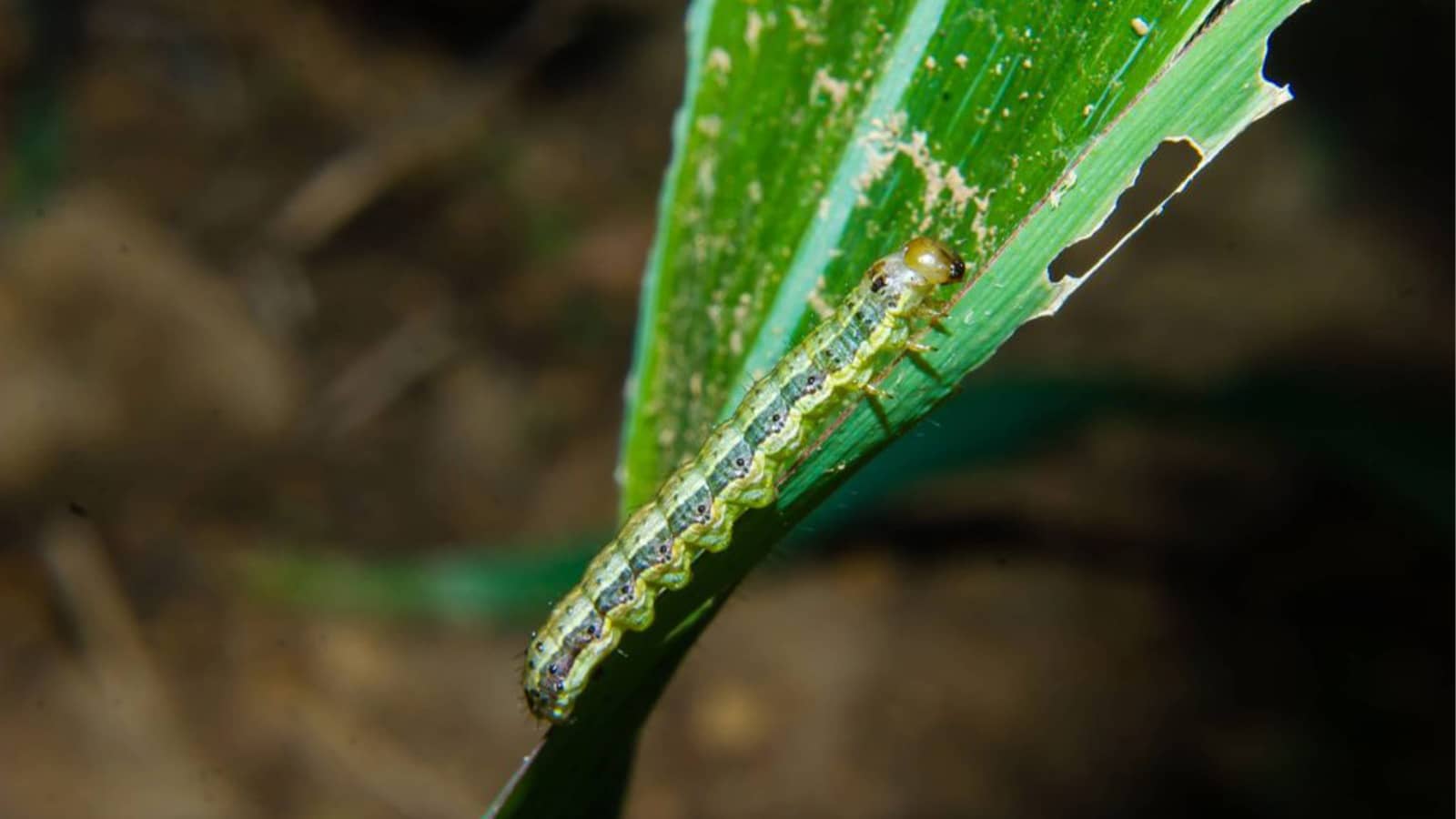
Why does my lawn have brown patches?
Brown patches can result from drought stress, disease, pests or improper watering. Learn more here.
How do I control summer lawn pests naturally?
Support your lawn’s natural defenses by attracting beneficial insects, keeping your soil healthy and using gentle, effective options like neem oil to manage pests.
What are signs of lawn stress or disease in summer?
Look for discoloration, wilting, thinning grass or irregular patches. These may indicate drought stress, disease or pest infestation.
Lawn Renovation and Upkeep
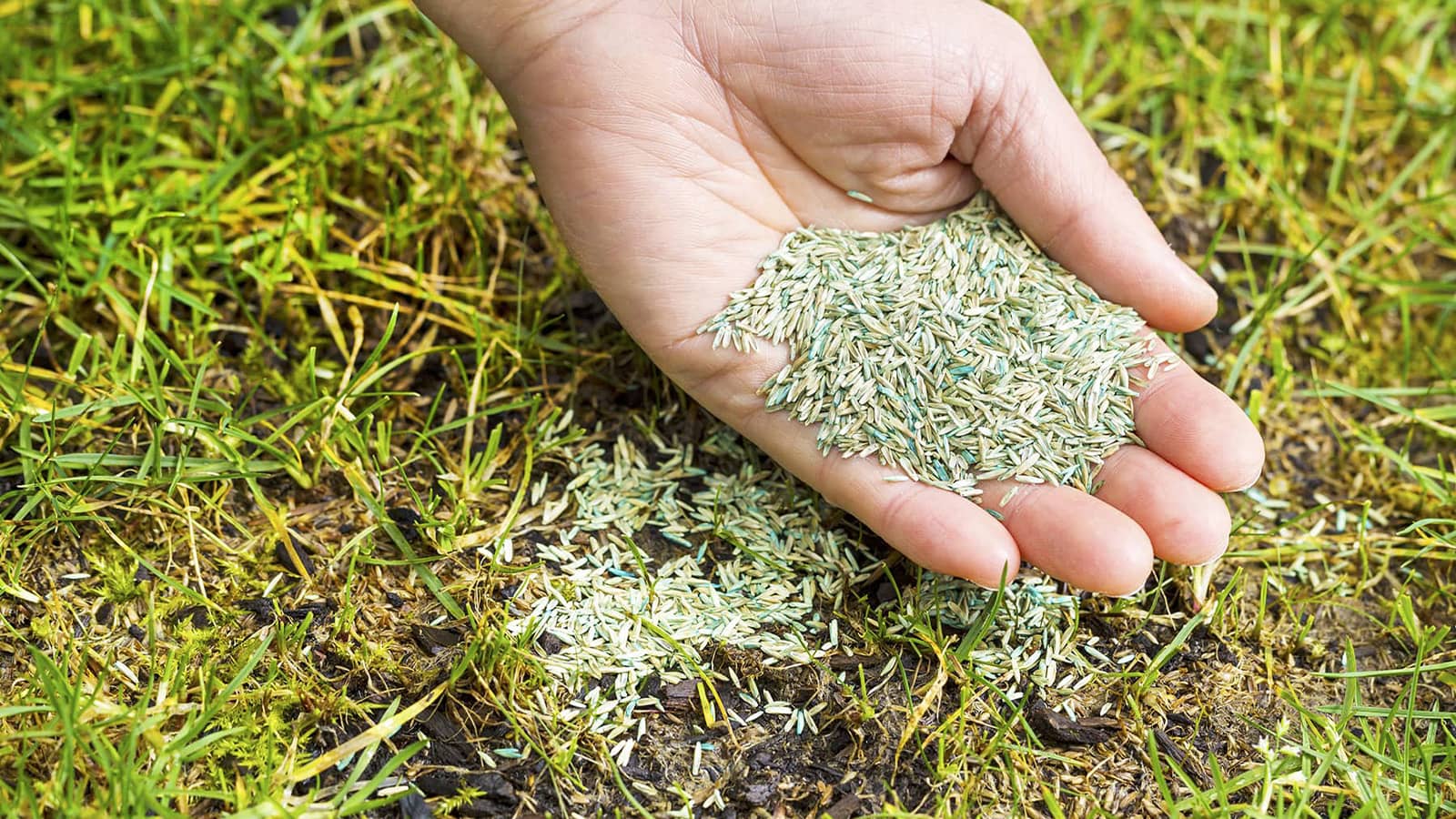
Can I plant new grass seed in the summer?
There are better times to plant new grass seed during the year; however, it’s still very much possible to plant new seed in summer. Just be sure to water and fertilize appropriately. Learn more here.
How do I repair bare spots in my yard right now?
If you repair bare spots in summer, keep the area consistently moist and use plugs and seed for better establishment.
Is summer a good time to aerate or dethatch?
Avoid aerating or dethatching during extreme heat, as this can further stress your lawn. Plan these tasks for cooler periods in spring or fall.
Taking care of your lawn in the summer doesn’t have to be overwhelming. A few smart adjustments can make a big difference. Keep these FAQs in your back pocket, and your lawn will be well on its way to staying healthy, green and stress-free all season long.