How to Repair Bare or Brown Spots in Your Lawn
One week your lawn looks great. The next, you notice a patch of brown grass or a spot where the grass has disappeared completely.
Don't panic. Most bare and brown spots are completely repairable.
It's tempting to throw down grass seed or replace the damaged area right away, but that's not always the best first step. Bare and brown spots are usually symptoms of another problem, like drought, pet damage, insects, disease or heavy foot traffic.
The good news is that once you figure out what's causing the damage, repairing the lawn is usually straightforward…and much more likely to last.
Before You Repair Anything...
One of the biggest mistakes homeowners make is replacing the grass before fixing what caused it to die.
For example, if chinch bugs killed the grass, adding new seed or sod won't solve the problem. The new grass will likely struggle for the same reason the old grass did.
Sometimes brown grass isn't even dead. It may simply be stressed from heat, drought or improper watering and can recover on its own once conditions improve.
Take a closer look before you start repairing the area.
Not sure what's causing the damage? Start here: What's Wrong with My Lawn?
Bare Spots vs. Brown Spots
Before you decide how to repair your lawn, figure out whether you're dealing with bare spots or brown spots. The difference will help you choose the right solution.
Bare Spots
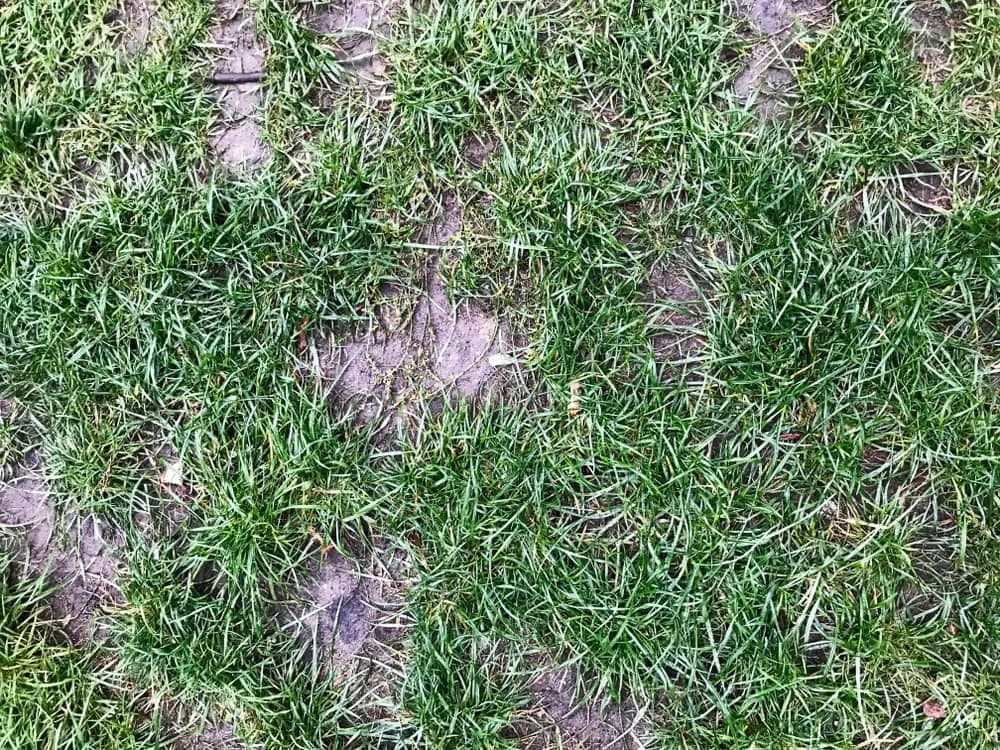
Bare spots have little to no living grass.
They're commonly caused by:
- Heavy foot traffic
- Pet damage
- Insects
- Disease
- Severe drought
- Construction or soil disturbance
Because the grass is gone, these areas usually need to be repaired with grass seed, plugs or sod.
Brown Spots
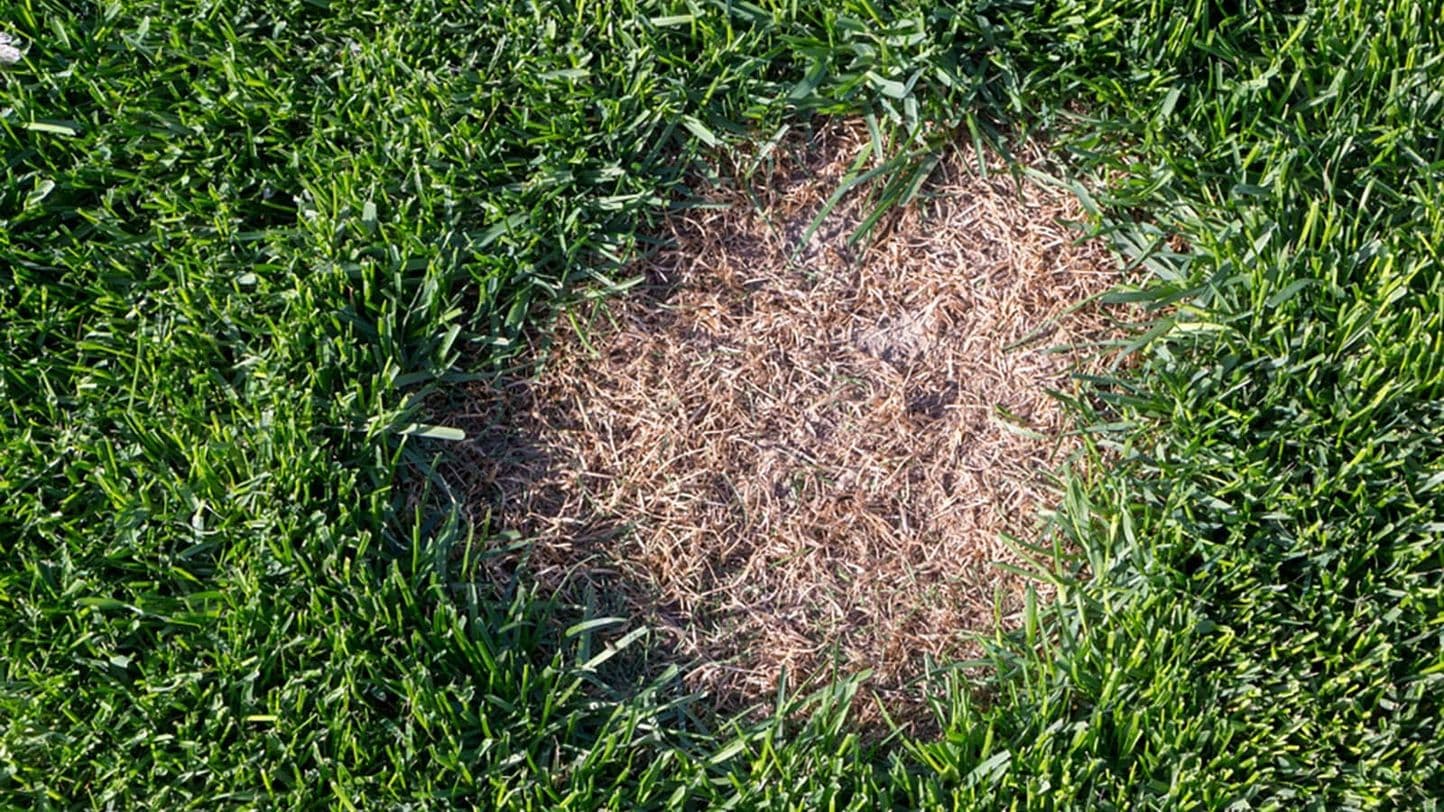
Brown spots still have grass, but it's stressed, dormant or dying.
Common causes include:
- Heat or drought stress
- Overwatering
- Nutrient deficiencies
- Fertilizer burn
- Lawn disease
If the grass is still alive, it may recover once you correct the underlying problem. Grass that's completely dead, however, will need to be replaced.
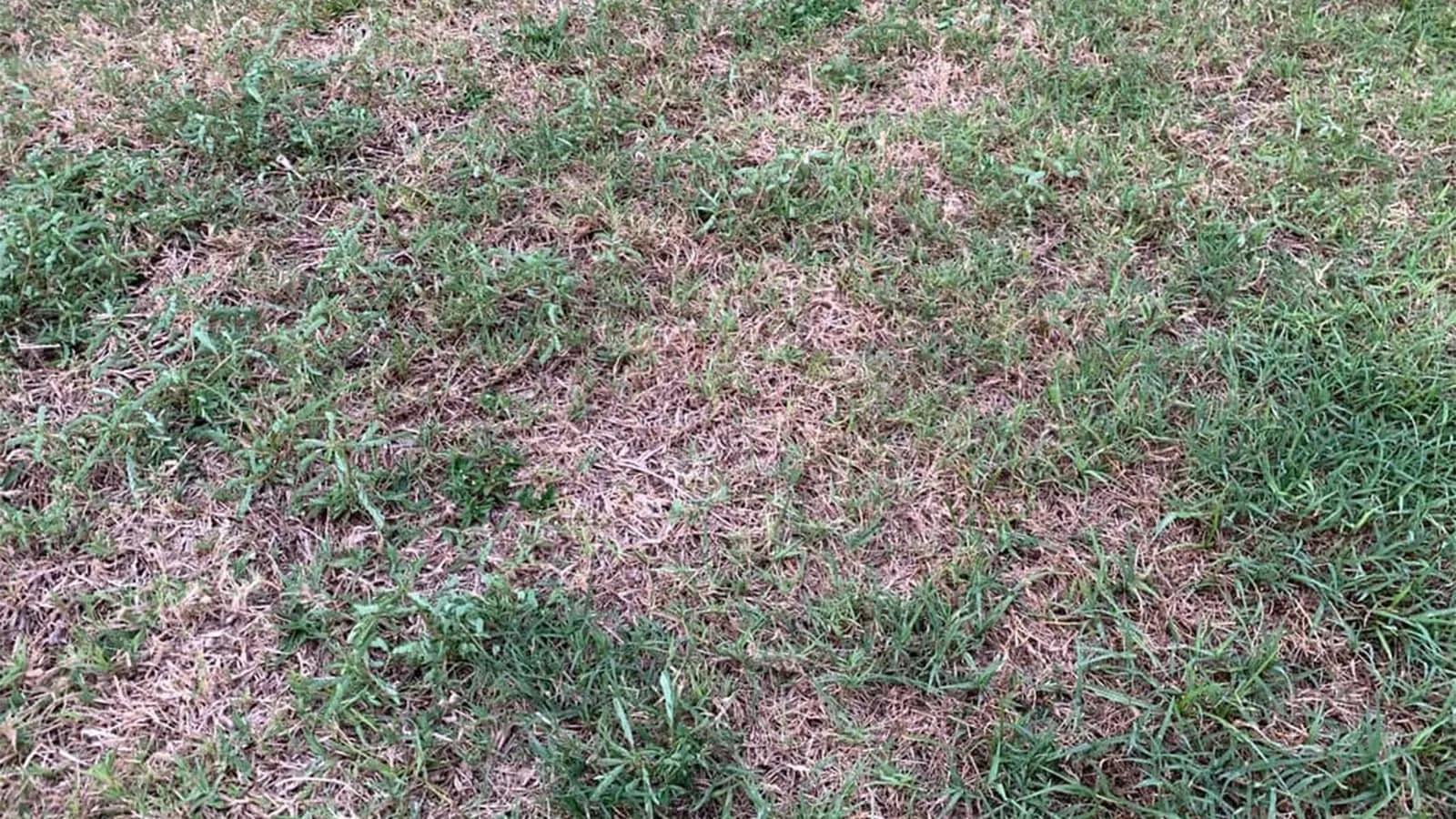
1. Identify the Cause
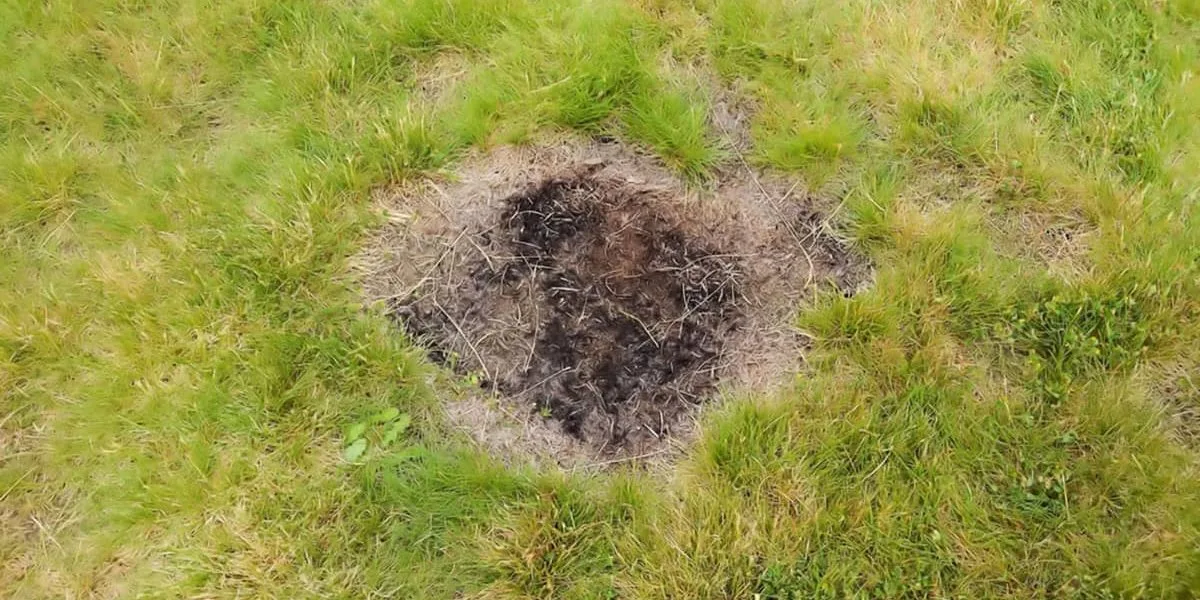
Bare or brown spots rarely appear overnight. In most cases, your lawn has been showing warning signs for days or even weeks.
That's why identifying the cause is the most important step in the entire repair process.
Repairing the grass without fixing the problem often leads to the same spots coming back a few weeks or months later.
Some of the most common causes include:
- Drought or inconsistent watering
- Fertilizer burn
- Heavy foot traffic
- Pet urine
- Lawn disease
- Insect damage
- Compacted soil
- Excessive shade
- Heat stress
Once you have an idea of what's causing the damage, the solution usually becomes much clearer.
For example:
- If the area is heavily compact, loosen the soil before planting new grass.
- If pet urine caused the damage, address the pet traffic before repairing the lawn.
- If insects or disease are responsible, treat the problem first so it doesn't return.
2. Remove Dead Grass and Debris
Once you've identified what caused the damage, it's time to prepare the area for new growth.
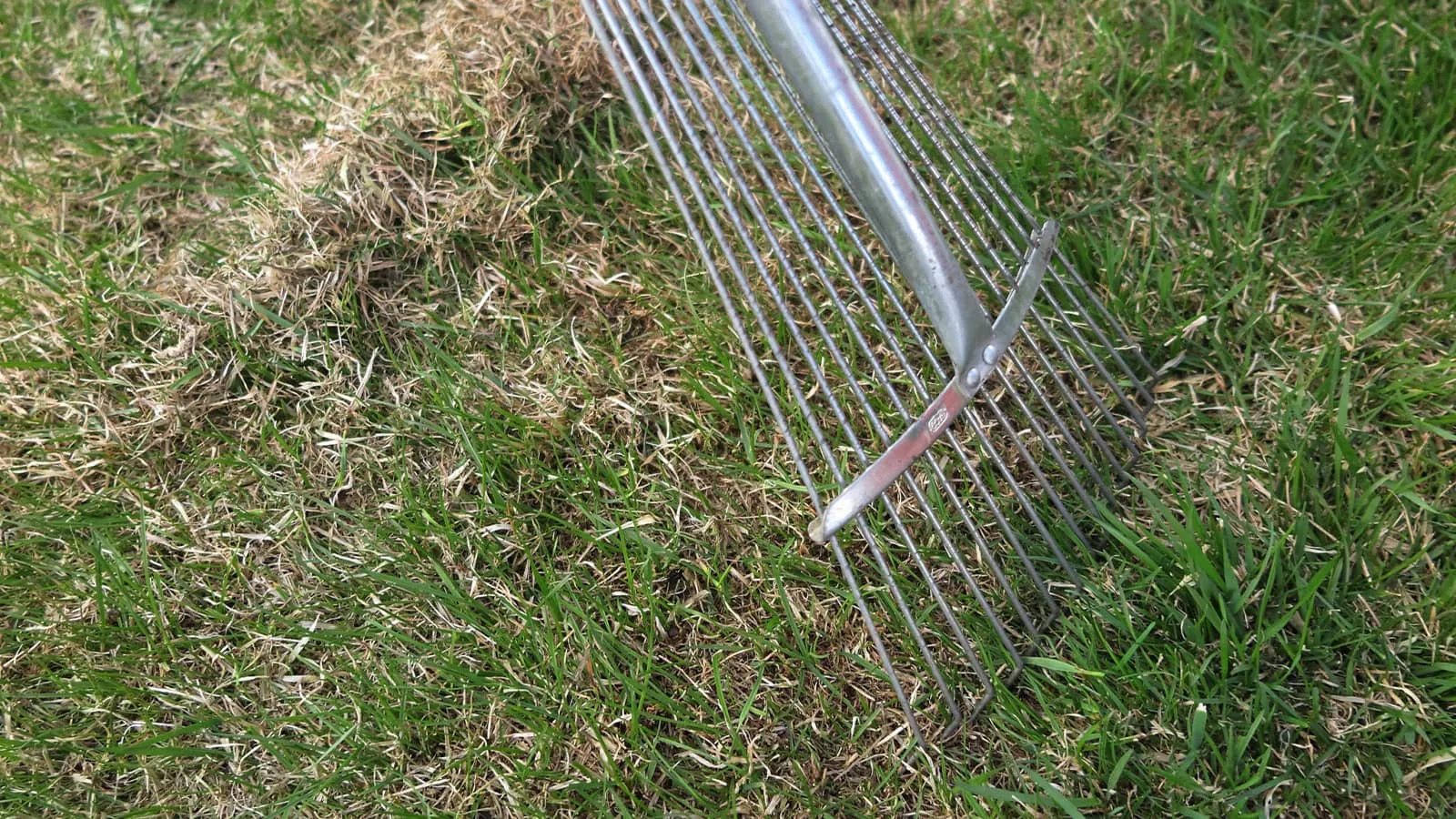
Dead grass, built-up thatch and compacted soil can all prevent new roots from reaching the soil. Spending a few extra minutes on preparation gives grass seed, plugs or sod a much better chance to establish.
Start by:
- Raking away dead grass and loose debris.
- Removing excess thatch if it's built up.
- Loosening the top inch or two of soil with a rake or hand cultivator.
- Clearing away rocks, sticks or anything else that could interfere with new growth.
Don't worry about making the area perfect. The goal is simply to create loose, clean soil where new roots can establish.
3. Improve Soil Conditions
Healthy grass starts with healthy soil. If the soil is compacted, dry or lacking nutrients, new grass will struggle no matter which repair method you choose.
Take a few minutes to improve the growing conditions before planting.
You may want to:
- Add fresh topsoil or compost if the area looks thin or dry
- Loosen compact soil so roots can spread more easily
- Consider a soil test to check nutrient levels and pH balance
A soil test can tell you whether your lawn actually needs fertilizer or if another issue is preventing healthy growth. That can save both time and money by helping you avoid unnecessary products.
If your lawn needs more nutrients, a fertilizer program like Lawnifi® grows stronger roots, speeds up recovery and encourages healthy growth.


 SaleFertilizer
Lawnifi Annual Plan for One Year - Spring, Summer and Fall Boxes
4.9 (9)Rated 4.9 out of 5 from 9 reviews$149.95$188.55
4. Repair the Area
Now that you've fixed the underlying problem and prepared the soil, it's time to replace the damaged grass. The best repair method depends on three things:
- Your grass type
- The size of the damaged area
- How quickly you want results
Fortunately, most bare spots can be repaired successfully with grass seed, plugs or sod.
Products That Help Repair Bare Spots Faster
Using the right products can help new grass establish faster and improve long-term performance.
Grass Seed
Grass seed is often the best choice for repairing larger thin or bare areas, especially in cool-season lawns.
It typically costs less than sod or plugs but requires more patience while the grass germinates and fills in.
Best for:
- Larger repair areas
- Cool season grasses
- Budget-friendly repairs
Grass Plugs
Grass plugs work especially well for warm-season grasses like bermuda grass, zoysia grass and St. Augustine grass.
Because plugs already have established roots, they're generally more forgiving than seed and gradually spread into the surrounding lawn.
Best for:
- Small to medium repairs
- Warm-season lawns
- Filling in damaged areas over time
Sod
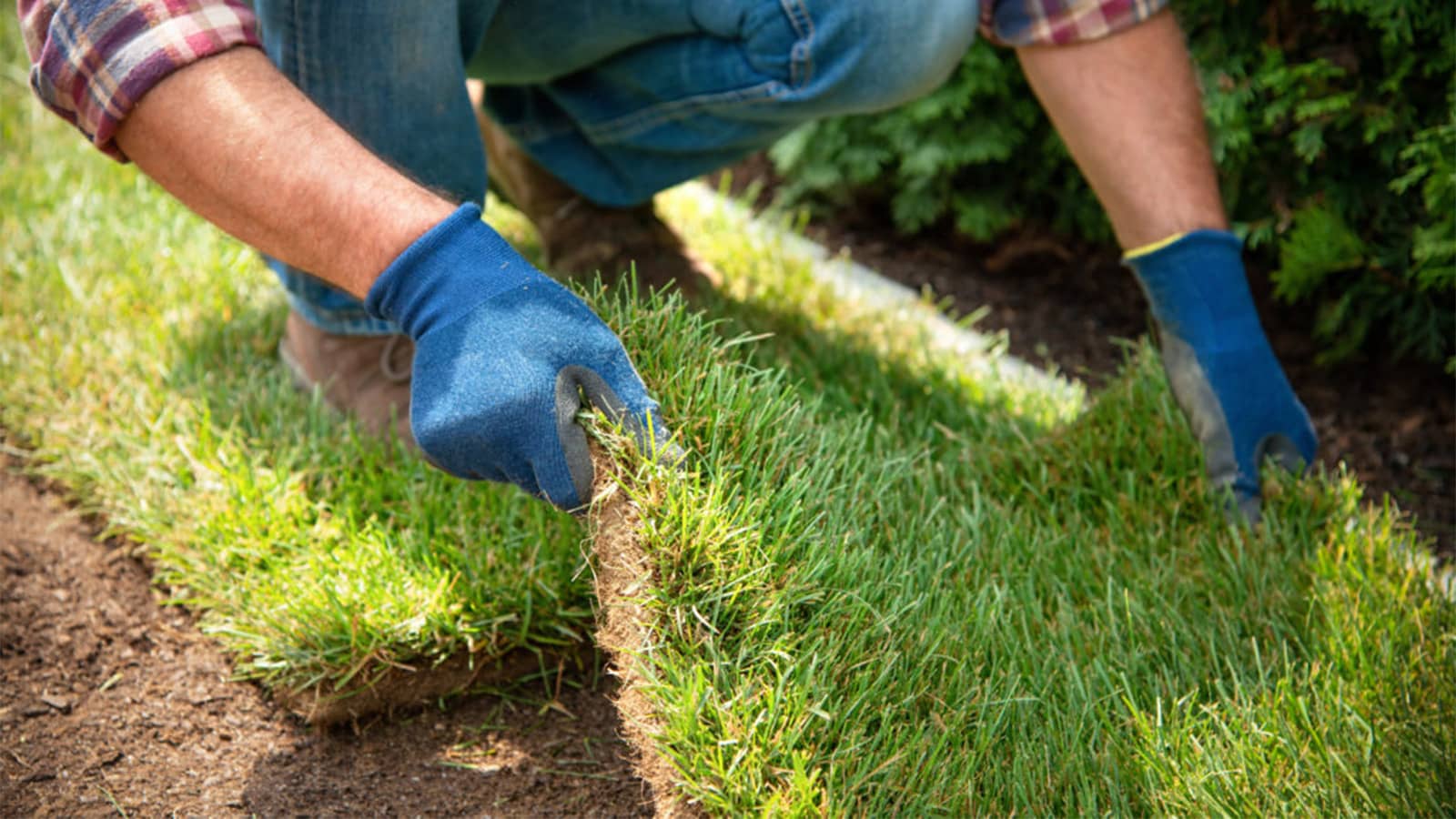
If you want the repair to disappear as quickly as possible, sod is the fastest solution.
Because it's already mature grass, sod provides an instant repair once it roots into the soil. It's often the best option for highly visible areas where appearance matters.
Best for:
- Instant results
- Larger dead patches
- High-visibility areas
Which Repair Method is Best?
| Repair Option | Best For | Repair Speed |
|---|---|---|
| Grass seed | Large or thin areas | Moderate |
| Grass plugs | Quickly filling in small spots | Faster |
| Sod | Instant repair | Fastest |
Not sure which repair method is best for your lawn? Compare sod vs. plugs vs. seed to see which option works best for you.
- SaleFertilizer
Lawnifi Annual Plan for One Year - Spring, Summer and Fall Boxes
4.9 (9)Rated 4.9 out of 5 from 9 reviews$149.95$188.55
Choose products that match both your grass type and the reason the damage occurred. For example, adding fertilizer won't solve a drainage problem, and replacing grass won't stop insect damage if the pests are still active.
5. Water and Protect the Area
Once you've repaired the damaged area, the next few weeks are when your success is determined.
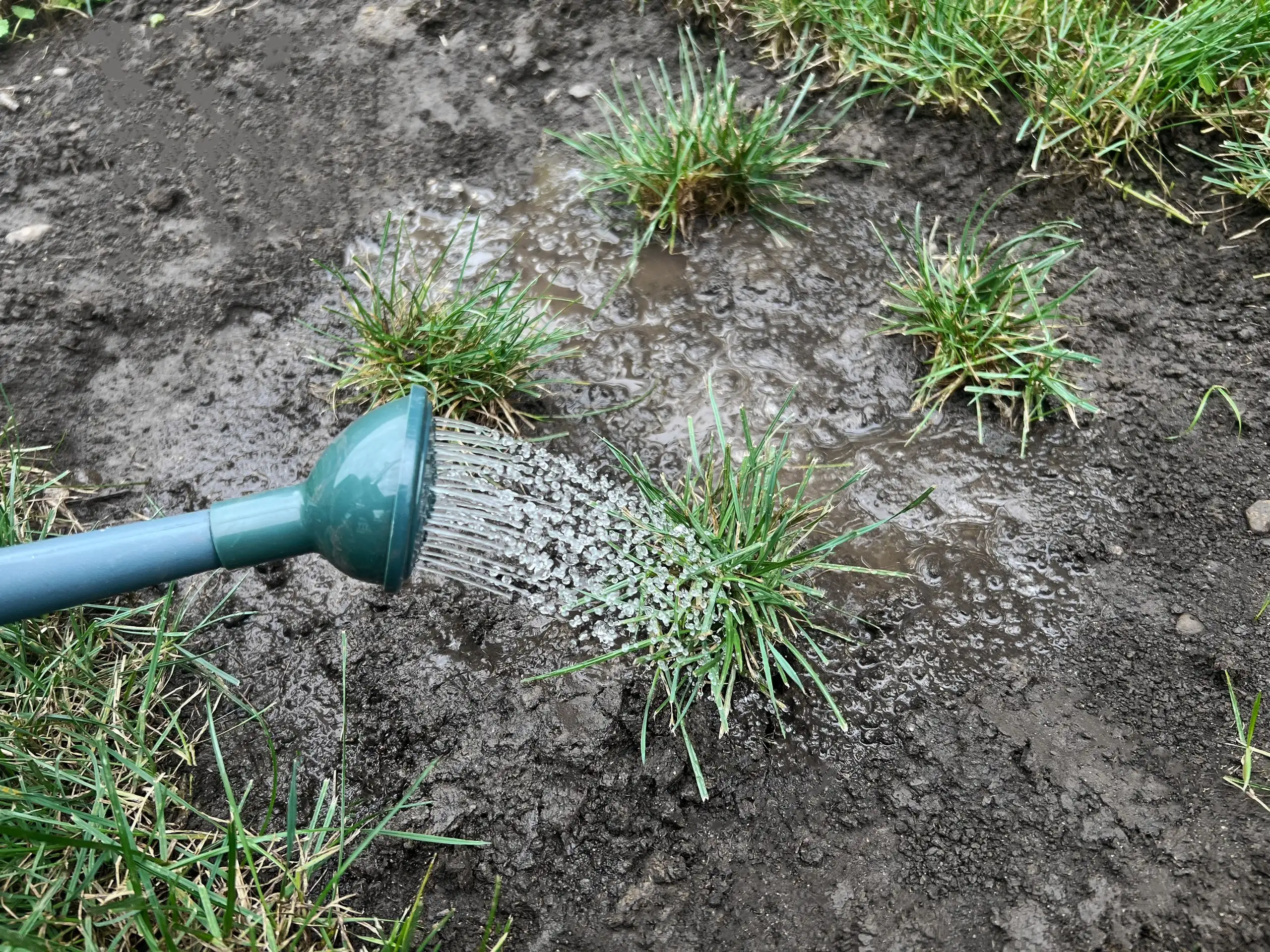
New grass needs consistent moisture while it develops roots. If it dries out too quickly—or gets stressed by foot traffic, mowing or another underlying problem—it may struggle to establish.
Help your repair succeed by:
- Keeping the soil consistently moist until the new grass establishes.
- Avoiding heavy foot traffic while the area recovers.
- Holding off on mowing until the new grass is well established.
- Checking the area regularly for signs that the original problem is returning.
Whether you repaired the area with seed, plugs or sod, a little extra attention during the first few weeks can make a big difference in how quickly it blends into the rest of your lawn.
Learn more: How to Water Your Lawn Properly
When Pests or Disease Are the Cause
Sometimes the damaged grass isn't the real problem. If insects or disease caused the damage, repairing the lawn without treating the underlying issue usually means you'll be repairing the same spot again later.
Look for clues like:
- Damage that's spreading over time
- Circular patches or unusual discoloration
- Grass that pulls up easily from the soil
- Areas that continue getting worse despite proper watering
If you suspect insects or disease, identify and treat the problem before planting new grass.
Learn more: Lawn Pest Identification Guide
Learn more: Lawn Disease Identification Guide
How to Prevent Bare or Brown Spots
The best way to repair bare spots is to keep them from coming back. A healthy, actively growing lawn is naturally better at handling heat, drought, insects and everyday wear.
To help prevent future damage:
- Water deeply, but not too often. Most lawns need about 1 inch of water per week, including rainfall.
- Mow at the recommended height for your grass type. Cutting too short places unnecessary stress on the lawn.
- Follow a regular fertilizer program to encourage healthy growth.
- Reduce soil compaction in high-traffic areas by aerating when needed.
- Address lawn problems early before small patches become larger repairs.
The healthier your lawn becomes, the better it can recover from everyday stress—and the less likely you are to see bare or brown spots in the first place.
Frequently Asked Questions
Will bare spots fill in on their own?
Sometimes. Grass may slowly fill in smaller bare areas on its own over time. However, larger or heavily damaged spots usually recover faster and more evenly with seed, plugs or sod.
Can brown grass turn green again?
Yes, if the grass is stressed rather than completely dead, it may recover with proper maintenance and care. Grass that is completely dead, however, will usually need to be repaired or replaced.
Should I use seed, plugs or sod to repair bare spots?
The best repair method depends on your grass type, how quickly you want results and the size of the damaged area. Learn more here.