Centipede grass gets a lot of attention for being “low maintenance,” but that phrase doesn’t always tell the full story.
What really makes centipede different is how it responds to care. In most cases, the less you push it, the better it looks.
If you’ve ever over-fertilized a lawn trying to make it greener or thicker, centipede grass might be exactly what you’re looking for, as long as you understand how it likes to grow.
Why Homeowners Choose Centipede Grass
If you want a lawn that fits real life, not one that needs constant attention, centipede grass makes a lot of sense.
It grows low and slow, which means you’re not out mowing every few days just to keep it under control. It also doesn’t need much fertilizer. In fact, centipede usually looks better when you don’t push a ton of fertilizer on it.
When water gets sparce, centipede grass handles it by going dormant instead of burning out. That’s a big reason it holds up well during dry stretches. And if your yard gets some shade, centipede tends to handle that better than many other warm season grasses.
Centipede grass has earned its place in so many established neighborhoods and starter homes because it’s dependable and easy to care for. It settles in, does its job and lets you focus on enjoying your yard instead of constantly working on it.
What Living with a Centipede Lawn is Actually Like
If you’re considering centipede grass, one of the most important things to understand is how it grows, and how it responds to care.
Centipede doesn’t like to be pushed. It doesn’t need constant fertilizer, and it doesn’t reward aggressive maintenance. In most cases, it looks best when it’s allowed to grow at its own pace and settle into a steady routine.
Once it’s established, most homeowners notice the same pattern. The lawn stays low, grows gradually and asks for very little in return. That slower growth naturally reduces how often you need to mow and cuts down on those weekends spent trying to catch up after a busy week.
That’s where centipede earns its reputation as the "lazy man's grass".
Compared to many other grasses, it simply needs less: less fertilizer, less mowing and less overall intervention. Instead of chasing growth, most homeowners find themselves doing just enough to keep the lawn healthy and consistent.
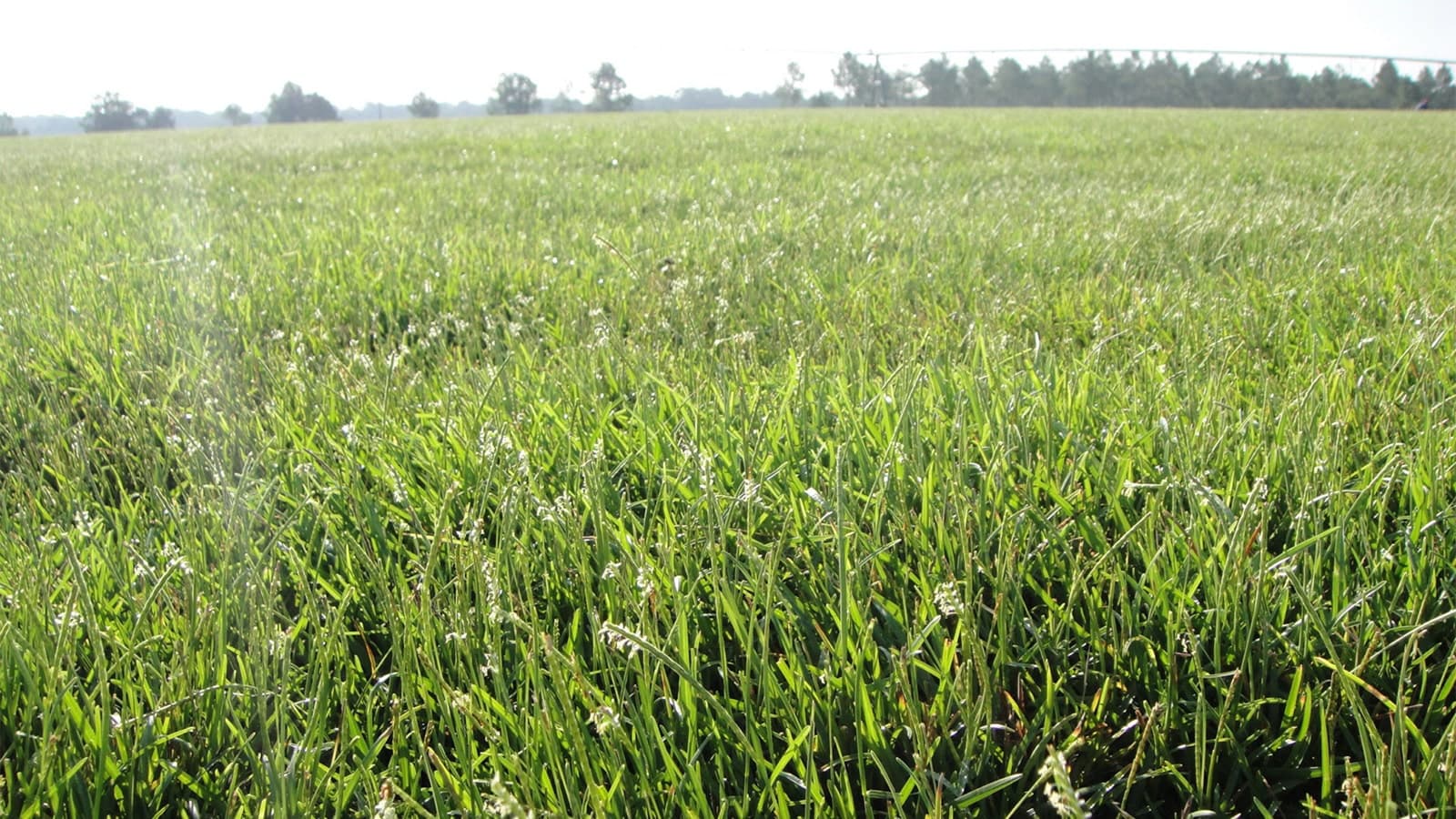
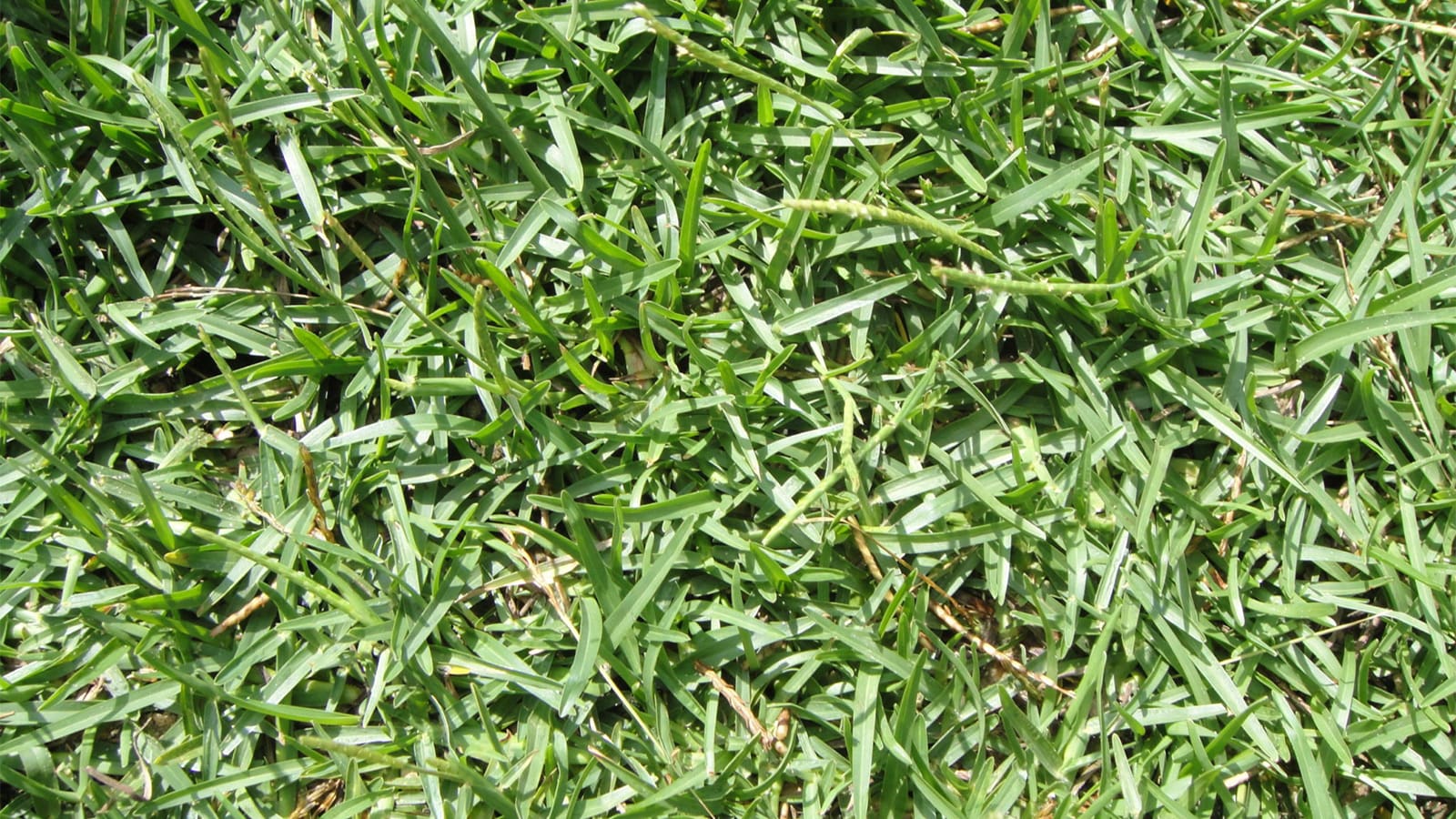
There are a few things you’ll notice along the way. Centipede has very low fertility requirements, a medium texture that feels balanced underfoot, and a naturally lighter green color that resembles a crabapple green.
How Centipede Responds to Shade, Traffic and Stress
Centipede grass tends to do well in real-world conditions, especially when water availability changes.
During dry periods, it can go dormant rather than burn out. When moisture returns, it rebounds. That built-in pause-and-recover cycle is a big reason centipede has stayed popular in areas where watering restrictions are becoming more common.
Shade is another area where expectations matter. Centipede isn’t a full-shade grass, but it handles partial shade better than many warm season options. Yards that don’t get full sun all day usually see solid results.
Where centipede draws a clearer boundary is traffic. It isn’t designed for constant wear. Heavy foot traffic can slow recovery, especially in smaller areas. Given time and space, though, it fills back in steadily through its natural spreading habit.
Why Centipede Shows Up in So Many Established Neighborhoods
Centipede grass didn’t become common by accident. It's tolerant of many different growing conditions.
It grows well in acidic, lower-fertility soils and it spreads gradually without demanding constant rework.
That makes it especially well-suited for neighborhoods where lawns are meant to last.
Once established, centipede tends to:
- Hold its ground year after year
- Fill in slowly but consistently
- Require very little intervention to stay presentable
Centipede can be installed as sod, seed or plugs, and it spreads above ground with rhizomes that slowly knit the lawn together. Over time, that steady spread creates a consistent surface without the need for aggressive intervention.
When You Want Faster Coverage: Santee Centipede
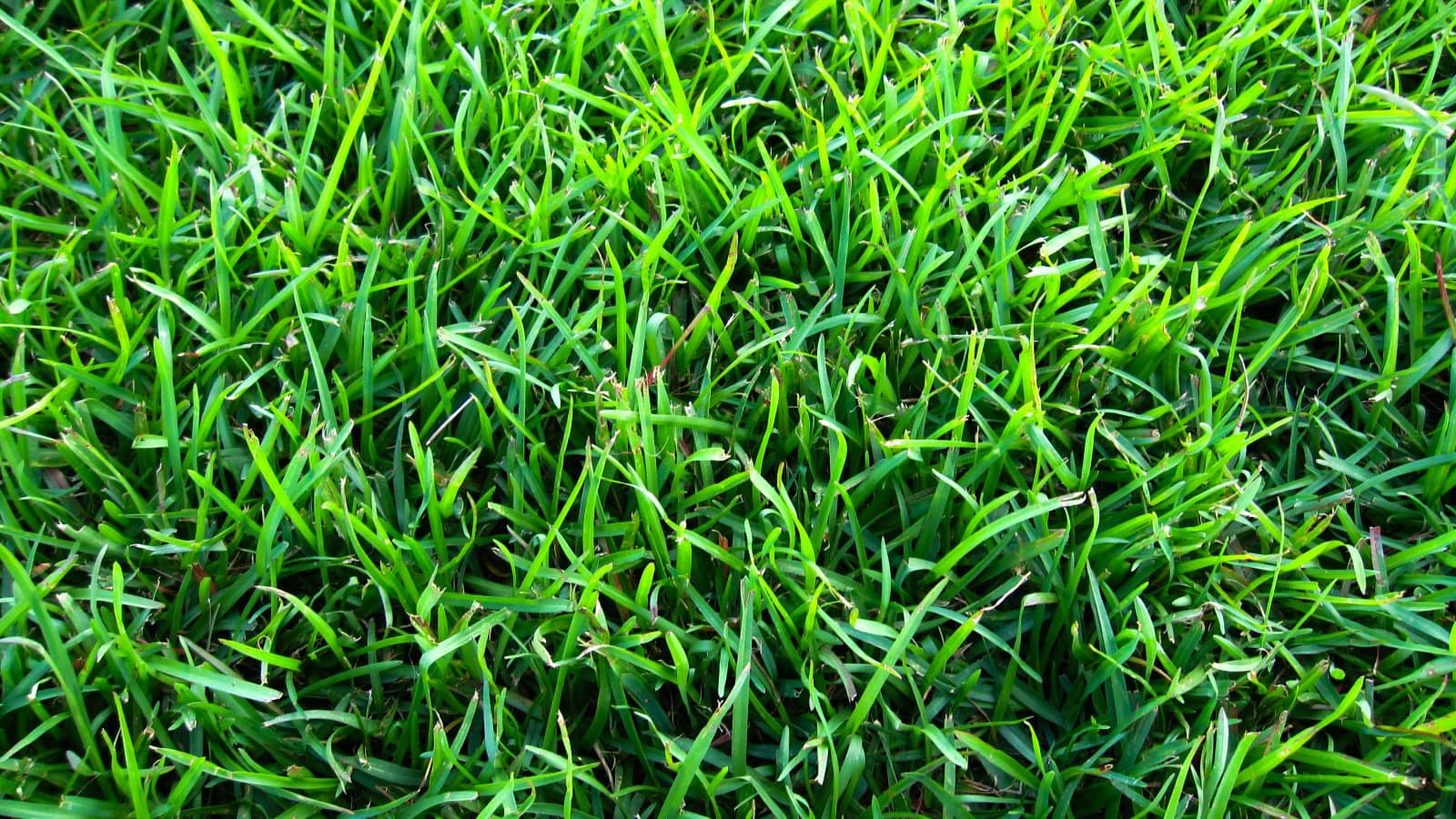
If you like the overall behavior of centipede grass but want quicker establishment and stronger recovery, Santee Centipede takes those same traits and reinforces them.
Santee develops a massive root system, which helps it establish faster and take up water and nutrients more efficiently. That root strength supports quicker lateral spread, better drought tolerance and faster recovery after stress.
You may also notice seasonal advantages. Santee tends to hold color longer into the fall and green up earlier in the spring thanks to its improved cold tolerance.
When installed as sod, that aggressive rooting helps Santee quickly cover bare areas. As seed, its high germination rate makes it especially useful for repairing thin or declining sections of an existing centipede lawn.
Sod, Seed and What to Expect After Installation
Centipede grass works well as both sod and seed depending on what you need.
A quick way to think about it:
- Sod: faster visual coverage and quicker stabilization
- Seed: ideal for filling in bare spots and repairing decline over time; also good for starting new lawns
One difference with Santee seed is the inert material. Instead of fillers like sawdust or sand, the inert matter includes fertilizer, which supports early establishment.
Because centipede lawns don’t need heavy feeding, a low-nitrogen approach works best. Programs like the Lawnifi 9 Bottle Annual Fertilizer Program support steady growth without pushing the grass beyond what it wants.
For patch repair and overseeding, Lawnifi coated seed helps improve germination and early growth, especially in stressed areas.