Planting grass plugs can be a straightforward and effective way to enhance your lawn’s appearance and health. Whether you’re looking to fill in sparse areas or establish a new lawn, here’s everything you need to know to get started:
1. Prepare Your Soil First
Preparing your soil is crucial before anything else. This includes removing weeds, loosening compacted soil, and adding compost or other amendments based on a soil test’s recommendations.
2. Choose the Right Season to Plant
Timing is everything with grass plugs. Spring offers ideal growing conditions, but you can plant year-round in warmer climates like Florida. To give your plugs the best start, avoid planting during extreme hot or cold temperatures. Learn more.
3. They're Going to Need More Water First
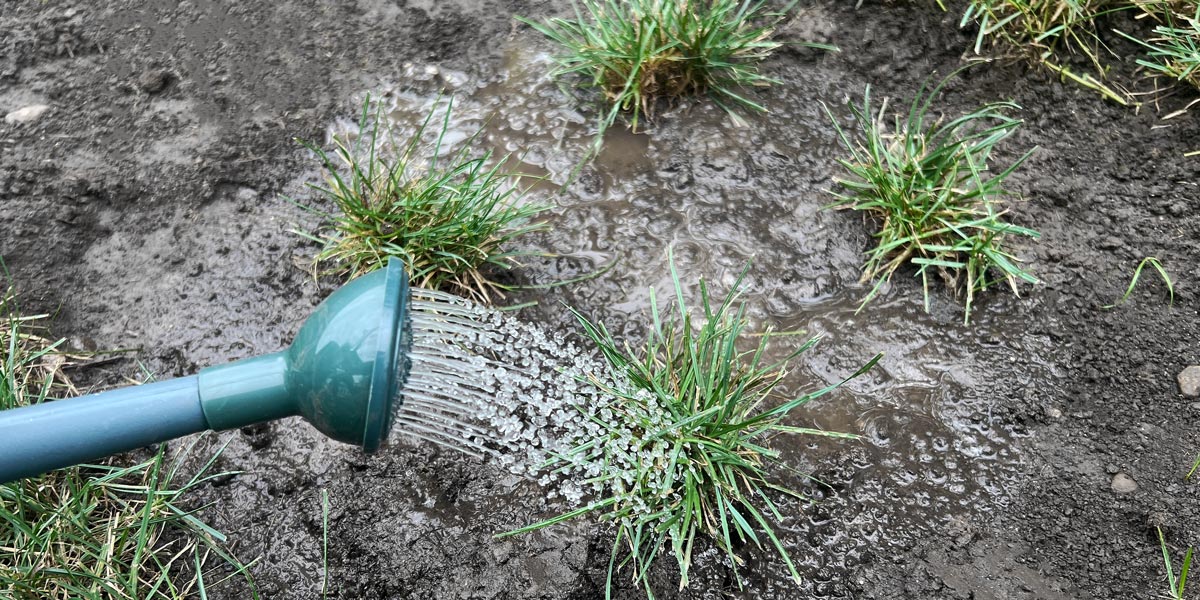
Maintain moist soil up to 3–4 inches deep to help the plugs establish. Be cautious of overwatering, particularly in shaded areas, to avoid fungal diseases.
4. Fertilize for Root Establishment
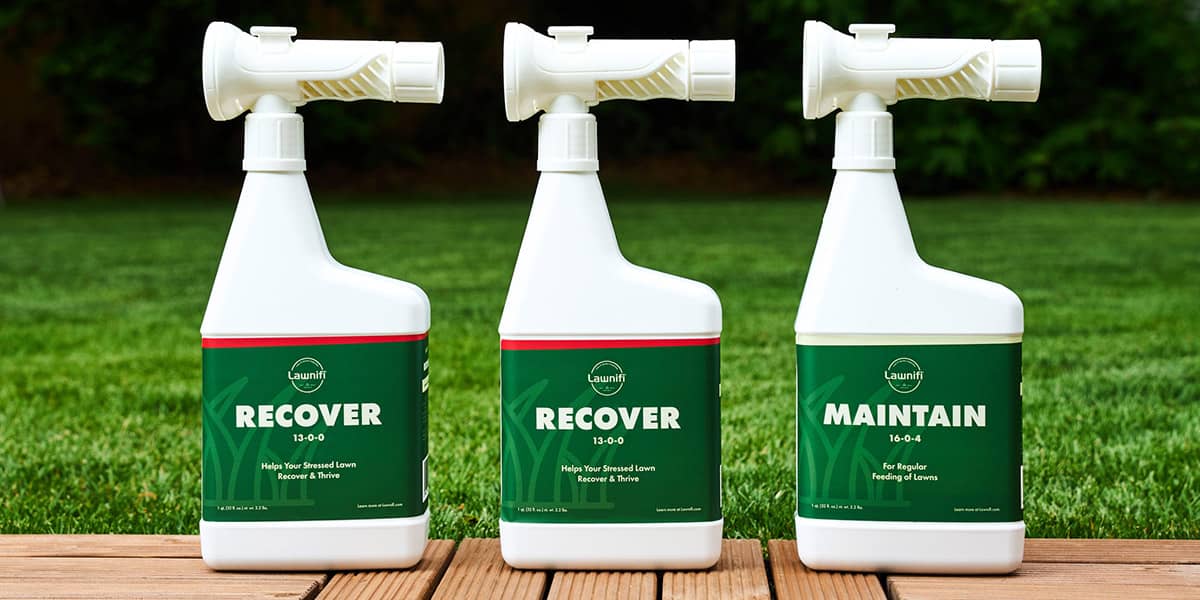
To encourage robust root development, apply a starter fertilizer specifically designed for new lawns, such as the Lawnifi New Lawn Starter Box.
5. Wait Before You Mow
Allow your grass plugs to establish for about a month before the first mow. Mow when the grass reaches 2–3 inches, cutting only one-third of the blade height to prevent stressing the new plugs. If you're concerned that the rest of your lawn will get too tall, mow it before planting the grass plugs.
6. Keep Off the Grass
Avoid walking on new plugs for the first 30 days. This allows roots to strengthen and the plugs to begin spreading without disruption.
7. Don't Plant Them if Disease or Pests are Still an Issue
Do not plant new grass plugs in areas still affected by pests or diseases. Address these issues first to avoid repeating the damage cycle.
8. Research Different Types of Grass for a Good Fit
Different grass types offer varied benefits, like drought or shade tolerance. Select a variety that matches your lawn’s environmental conditions and aesthetic goals.
9. Check Plug Quality When They're Delivered
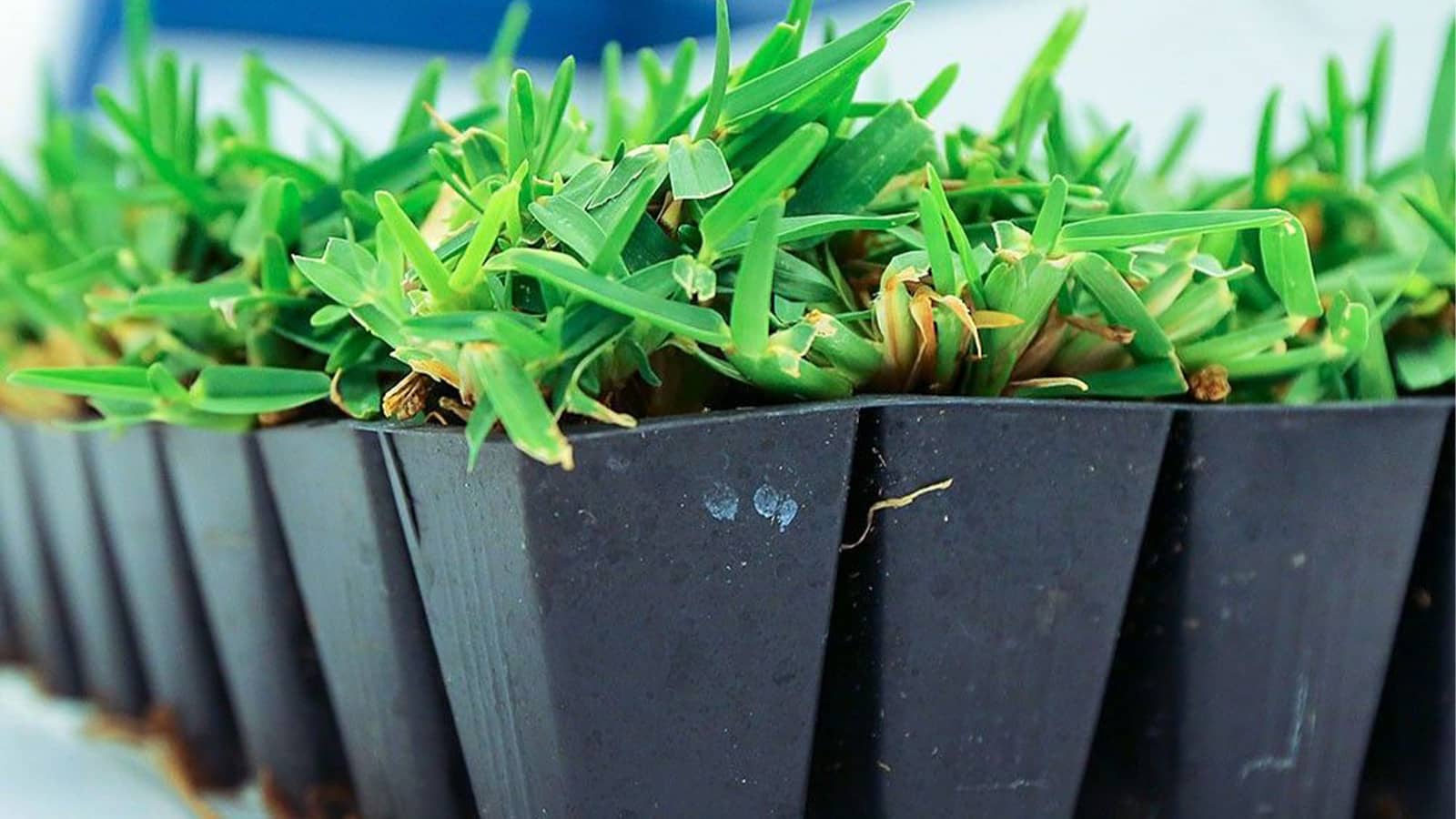
Due to dark, confined shipping conditions, grass plugs may look worn upon delivery. This is normal. Plant and water them as soon as possible, and they should return to normal within a few weeks.
10. Calculate How Many Plugs You Need
Measure your planting area and refer to the spacing guidelines for your chosen grass type to determine how many plugs you need, preventing over or under-buying.
Our 72-count plug trays can cover up to 72 square feet when spaced 6–18 inches apart in the center. For quicker ground cover, plant each plug closer together. Each plug is 1.25 inches long x 1.25 inches wide x 2 inches tall.
From preparing the soil to choosing the right season for planting, each step contributes to creating a uniform, vibrant lawn.