From Texas through Louisiana, Mississippi, Alabama and into Florida’s panhandle, Gulf Coast summers bring intense heat, suffocating humidity and sudden downpours. When summer settles in across the Carolinas, effective summer lawn care and the right summer lawn fertilizer can make all the difference in keeping your grass healthy and green.
From blazing heat to surprise thunderstorms, the season throws a little bit of everything at your yard.
Summer Lawn Care Tips
1. Mow Smarter, Not Harder
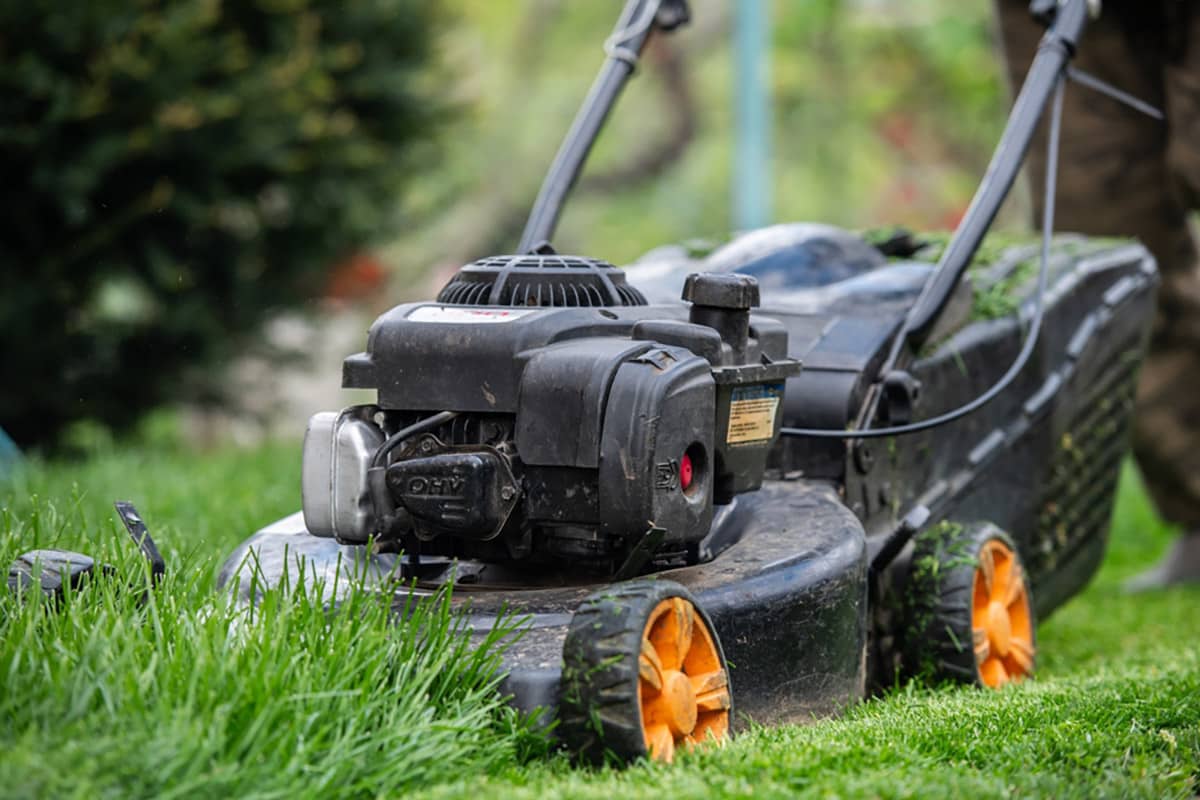
Mowing the right way protects your grass from summer stress, heat and pests.
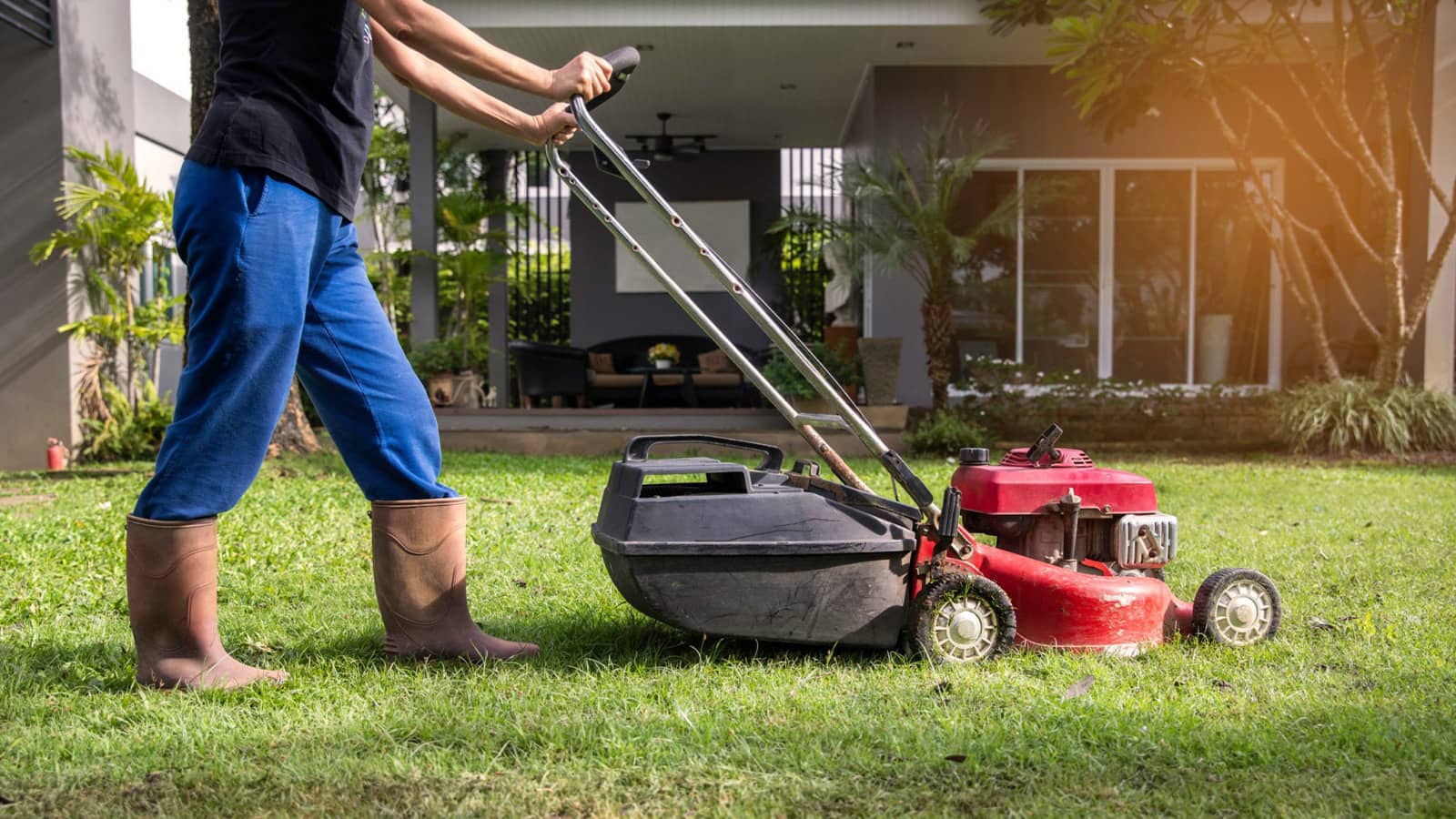
Recommended Mowing Heights:
- Bermuda: 0.5–1.5 inches
- Centipede: 1.5–2.0 inches
- St. Augustine: 2–4 inches
- Zoysia: 0.5–2 inches (based on blade type)
Quick Tips:
- Make sure your mower blades are sharp. Dull mower blades will rip the grass, damaging it.
- Never remove more than one-third of the blade at once.
- If your grass gets too tall while you’re away on vacation, raise your mower height and then lower it gradually over several mowings spaced 3–5 days apart.
- Leave grass clippings on the lawn to decompose naturally—they return valuable nutrients to the soil.
- Avoid mowing when grass is wet to prevent the spread of disease and damage to your mower and lawn.
- Shaded areas should be mowed at a higher height, which allows for less frequent mowing—about once per week. For lawns mowed at 2.5 inches, mowing every five days, or twice a week, is recommended.
2. Essential Summer Lawn Fertilizer Tips
Applying a summer lawn care fertilizer is one of the most important steps you can take to ensure your grass thrives during the heat. Whether you prefer granular or liquid options, a good summer lawn fertilizer supports root growth and reduces stress.
What We Recommend:
- Lawnifi® Summer Fertilizer Box – A liquid fertilizer system featuring Maintain and Recover formulations for steady nourishment without stress.
Why It Works:
- Easy hose-end application
- Fast-acting and efficient
- Promotes deep root growth and stress resilience
Pro Tips:
- Apply fertilizers in early summer (April–June).
- Avoid fertilizing during peak rainy months to prevent nutrient runoff.
- Consider doing a soil test to determine exactly what your lawn needs
Always clean up fertilizer from driveways and sidewalks to prevent stormwater contamination. A deflector shield or liquid fertilizer like Lawnifi can help minimize waste and runoff.
3. Water with Precision: Less is More
Smart watering is essential to surviving Gulf Coast drought spells and downpours.
- Water early in the morning—ideally before 9 a.m.—to reduce water loss from evaporation and lower the risk of fungal diseases.
- Avoid watering between 10 a.m. and 4 p.m., when the sun is strongest.
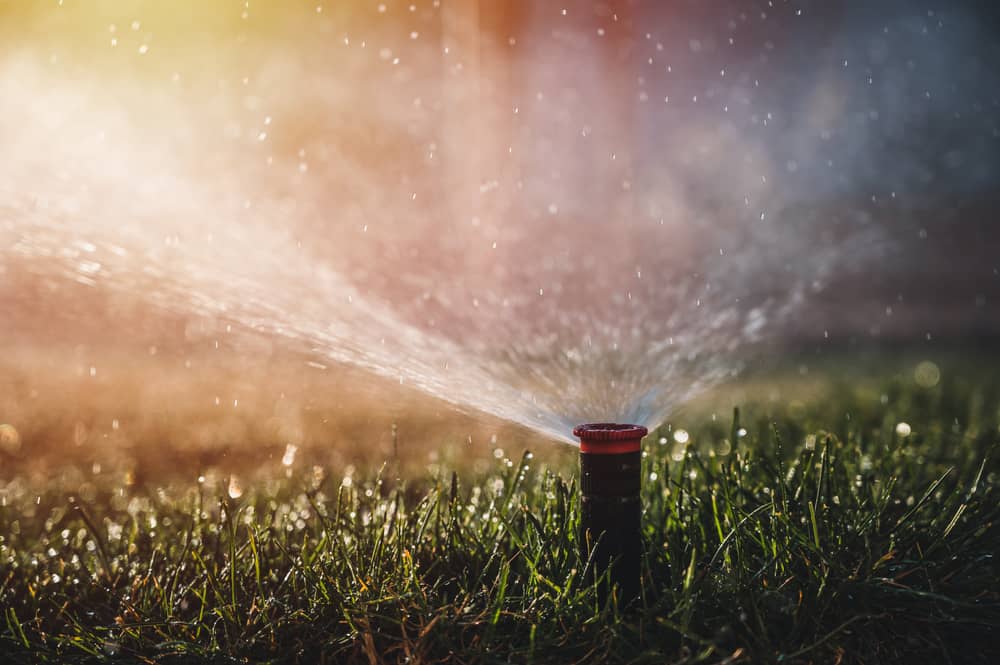
- Water deeply and infrequently: 1 inch per week, over 2–3 sessions.
- Gulf Coast summers often bring afternoon rain showers. Use these to your advantage by adjusting your irrigation schedule accordingly.
- Skip a watering session if rain is in the forecast, especially in July and August.
- Install rain barrels or extenders on downspouts to collect natural rainfall and reduce reliance on irrigation.
- Conduct an irrigation audit to ensure your system delivers consistent coverage and isn't wasting water through leaks or misaligned sprinkler heads.
Train Your Grass to Thrive:
Let your lawn signal when it’s thirsty:
- Folded or curled leaves
- A dull, bluish-gray hue
- Footprints that linger
This kind of watering trains your grass to grow deeper roots, so it can handle dry spells better, and it saves water, too.
4. Be Cautious with Weed Control
Hot temps and herbicides don’t always mix well. Blanket applications in the middle of the summer can lead to unsightly browning.
Smart Weed Control Strategies:
- Spot-treat weeds or hand-pull when possible
- Wait until fall for full-yard treatments
- Always follow product labels carefully
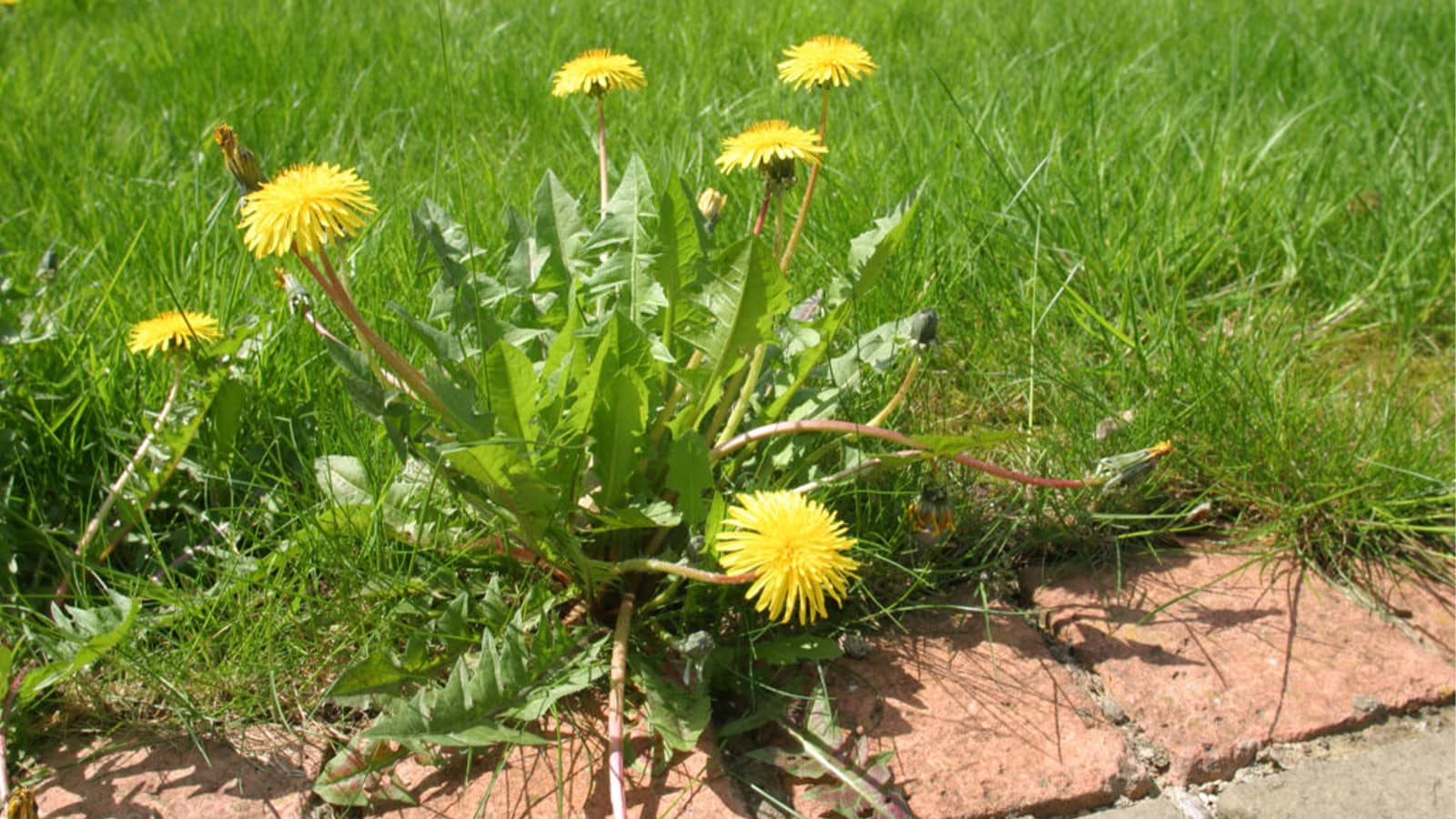
Summer Weed Control Products:
- Broadleaf Weed Control: SpeedZone Broadleaf Herbicide for Turf
- Grassy Weed Control: Drive XLR8
- Weed Control for St. Augustine & Centipede Lawns: Hi-Yield Atrazine Weed Killer
5. Protect Your Summer Lawn from Common Pests
High humidity and warm nights invite a host of destructive pests.
- Grubs – ruin roots, cause patches
- Chinch bugs – suck the greenness out of your grass and leave drought-like patches
- Sod webworms – munch the blades
- Mole crickets – create tunnels and damage roots
- Spittlebugs – yes, they spit foam… gross, right?
If you’re seeing weird damage and not sure what’s up, try a “tug test”—gently pull on the grass. If it lifts up easily, you’ve probably got grubs.
Chinch Bugs & Sod Webworms
Chinch Bugs:
Thrive in hot, dry conditions and especially target St. Augustine lawns. These tiny pests feed at the base of grass blades, draining sap and injecting toxins that cause browning.
- Solution: Bifenthrin (Bifen XTS)
Sod Webworms:
These caterpillars are most active at night. They feed on the blades and leave behind irregular brown patches. Look for tiny moths fluttering over your lawn at dusk as a sign of their presence.
- Solution: Spinosad (Natural Guard Spinosad)
6. Prepare for Storms
The Gulf Coast’s hurricane season (June–November) brings heavy rains, wind and potential flooding. Safeguard your lawn and landscape by:
- Improving drainage and addressing low spots
- Securing loose items like lawn furniture and decor
- Aerating your lawn to improve water absorption
7. Watch for Lawn Diseases
High temps + moisture = the perfect storm for fungus.
Common Summer Lawn Diseases:
Gray Leaf Spot: Appears as small, oval spots with gray centers and dark borders.
- Solution: Chlorothalonil (Daconil).
- Watch for gray leaf spot on St. Augustine grass, especially in shaded areas. Avoid overwatering and excessive fertilizer applications, as these can worsen the problem.
Root Rot: Causes thinning and yellowing due to soggy conditions and poor drainage.
- Solution: Chemical treatments are rarely effective; however, fungicides, including Azoxystrobin (Heritage G), can help prevent this disease.
Be sure to occasionally rotate any fungicides to prevent diseases from developing resistance. Prevent problems by avoiding overwatering, improving airflow and treating promptly at the first sign of disease. Also, be cautious with nitrogen—over-fertilized lawns, especially those high in nitrogen, are more susceptible to disease, as nitrogen can help it spread.
Summer lawn care in the Gulf Coast is all about balance—enough water, not too much fertilizer, and timely maintenance. With these strategies, your lawn can handle the heat and stay beautiful all season long.
Gulf Coast lawn care in summer is all about balance: watering wisely, mowing correctly, and staying ahead of pests and storms. With a bit of planning and region-specific strategies, your yard can stay lush, healthy, and hurricane-ready—even in the face of coastal challenges.