For homeowners with warm season grasses, timing your spring fertilization is essential for achieving a healthy, green lawn and ensuring the health and resilience of your turf throughout the year. What maintenance takes place in early spring often dictates how well the lawn will do throughout the rest of the growing season.
Warm season grasses, which enter dormancy during the colder months, require specific care as they green up again in spring.
Understanding Warm Season Grasses
Warm season grasses, including varieties such as bermuda, zoysia, St. Augustine and centipede, thrive in warmer climates including the southern two-thirds of the country. They have a growth peak during the late spring and summer months.
These grasses go dormant in winter and begin to green up as temperatures rise in spring. To avoid damaging the new growth, you must tailor your lawn care and fertilization schedule to these unique characteristics.
Cool season grasses, on the other hand, grow from fall through spring and often go dormant in the summer. These include ryegrasses, bluegrass, fescues and more.
Navigating the Last Frost
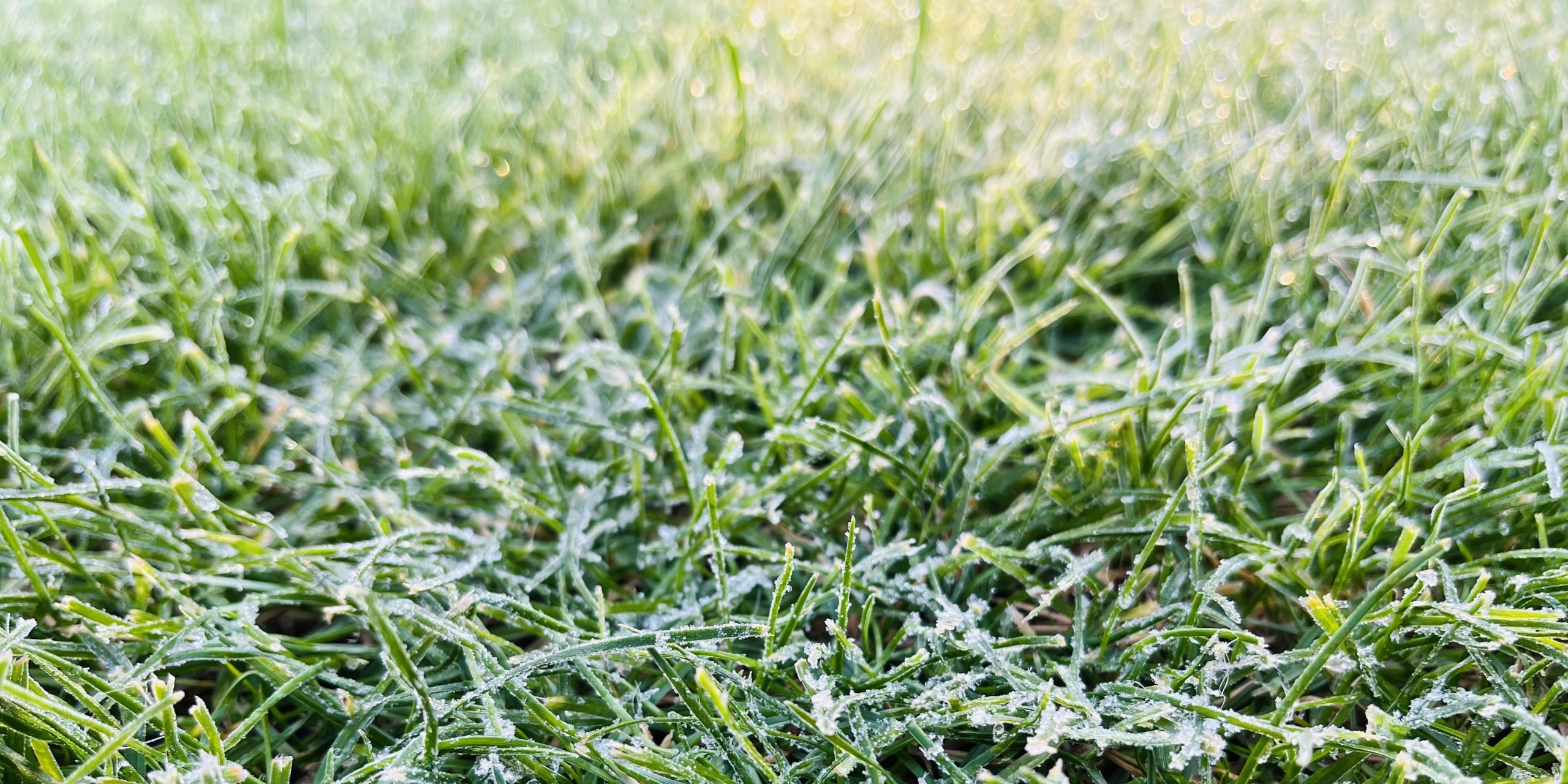
One of the most critical timing elements for fertilizing your warm season grass is the passing of the season's last frost. Fertilizing should be avoided until you are confident that no more frosty nights are expected.
Applying fertilizer too early can be detrimental because:
- Frost Damage: If a late frost occurs after fertilizing, it can damage the newly awakened grass, which is particularly vulnerable during early growth stages. This setback can significantly delay the greening process, as the grass must recover from both the frost damage and the premature push provided by the fertilizer.
Refer to the Old Farmer’s Almanac to get an idea of what the year's last frost will happen in your region.
New Growth and Mowing: Indicators for Fertilization
Wait to fertilize your lawn until you've observed at least 2–3 weeks of consistent new growth. This growth indicates the grass is actively photosynthesizing and ready to benefit from additional nutrients.
Furthermore, a good rule of thumb is to fertilize only after you have mowed your lawn 2–3 times. These mowings demonstrate that the grass is growing vigorously enough to withstand and utilize the extra nutrients provided by fertilizer.
During this period, you may mow every 5–7 days, depending on weather conditions and the specific growth rate of your grass type.
Choosing the Right Spring Fertilizer
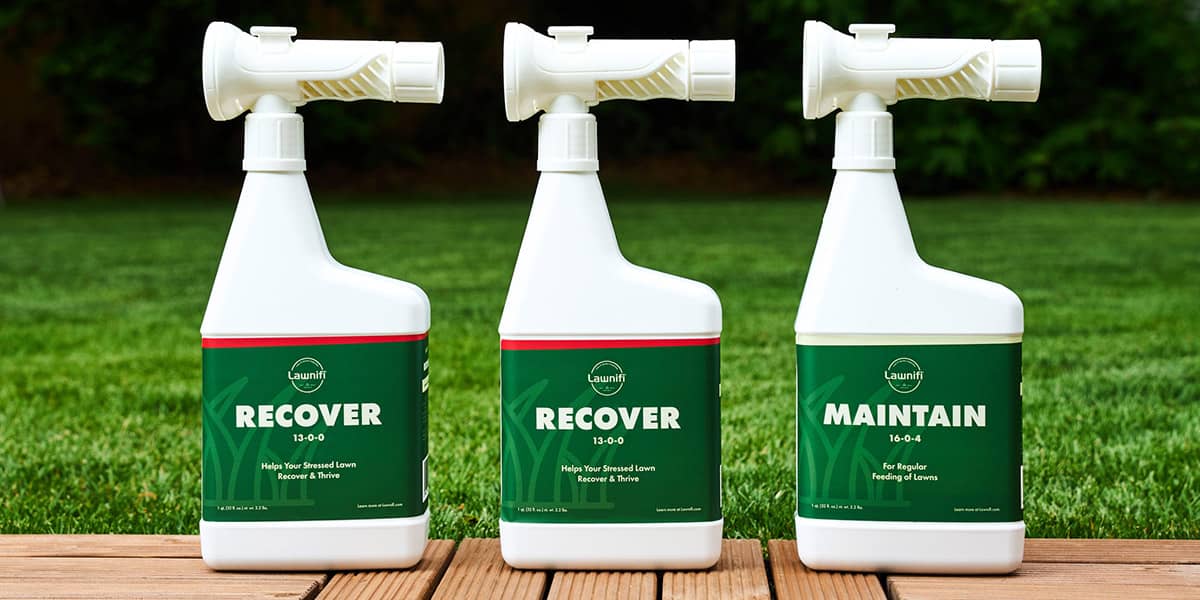
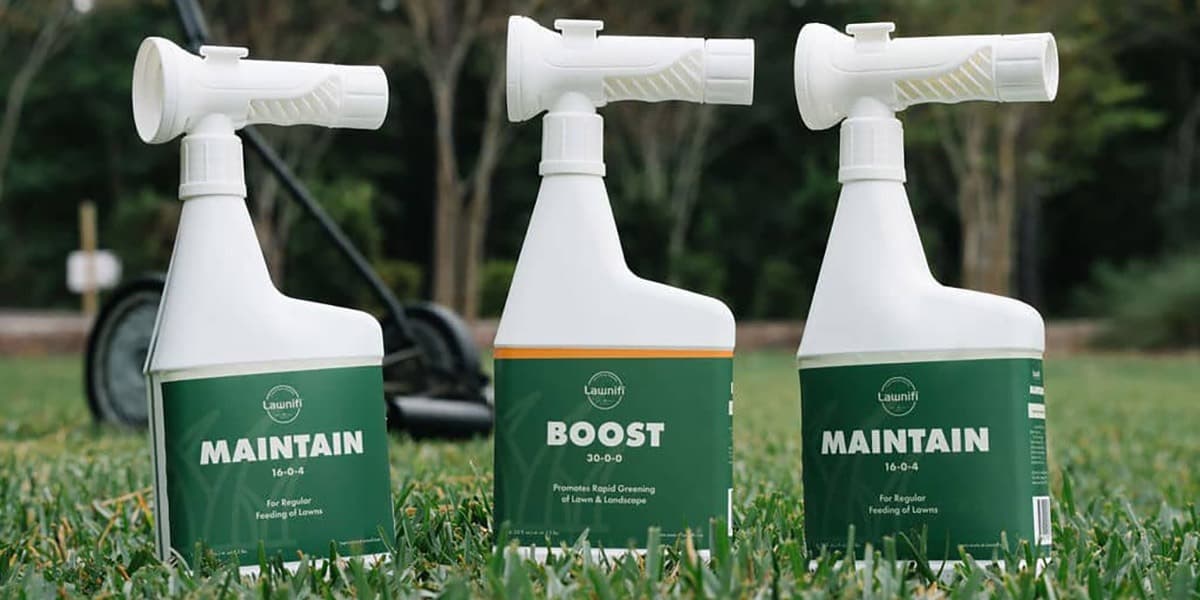
When selecting a fertilizer, opt for a product tailored to the needs of warm season grasses. The Lawnifi Spring Fertilizer Box is an excellent choice, specifically formulated to meet the needs of warm season turf during this essential growth phase.
Why Choose Lawnifi Spring Fertilizer Box?
The Lawnifi Spring Fertilizer Box contains a balanced mix of essential nutrients suited to the unique requirements of warm season grasses. It is enriched with nitrogen, phosphorus and potassium, creating the ideal balance to support robust root development and overall grass health.
What sets the Lawnifi product apart is its use of slow-release nitrogen, which ensures a steady nutrient supply without overwhelming your grass. This technology helps avoid the excessive growth spurts that can leave grass vulnerable to pests and diseases while promoting steady, substantial greening and growth.
Optimal Fertilization Without the Risks
Unlike fertilizers that are overly rich in nitrogen without other balancing elements, the Lawnifi Spring Fertilizer Box avoids the pitfall of pushing the lawn towards abundant yet fragile growth.
By providing a comprehensive nutrient mix, it ensures your warm season grass develops strength and resilience, preparing it to thrive throughout the growing season.
Why Not Fertilize During Dormancy?
Fertilizing warm season grasses during dormancy is ineffective and can be harmful. Dormant grass is not actively growing and, thus, cannot absorb and utilize the nutrients provided by fertilizer.

This can lead to nutrient runoff into local water systems, which is environmentally harmful. The buildup of nutrients can also cause grass burn once the growing season starts.
By following these guidelines and understanding the specific needs of warm season grasses, you can ensure that your lawn survives and thrives throughout the growing season. Proper timing and choice of fertilizer are key to building a robust, green lawn that is a joy to behold and a pleasure to use.