What is a grass plug?
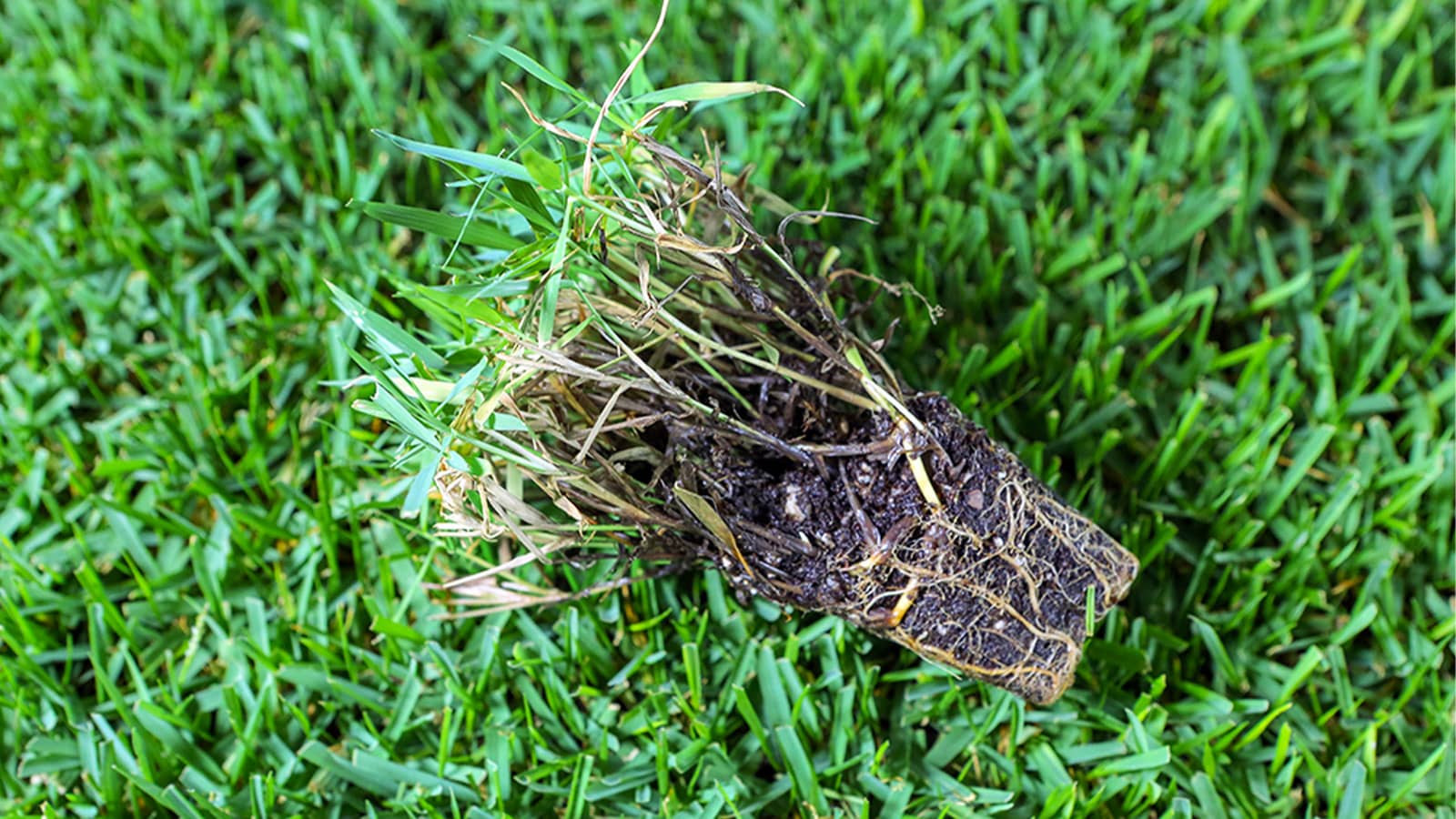
A grass plug is a turf plant grown in trays, typically measuring 1.5–3 inches. When planted 6–18 inches apart, these plugs spread over time, forming a dense ground cover of your chosen grass type.
When are grass plugs used?
Grass plugs are primarily used to repair lawn damage or establish a lawn when sod or seed is impractical. They can also test how a grass type performs in different yard conditions, such as shade, full sun or excessive rainfall.
Similar to how a bag of seed suits cool season grass, a tray of grass plugs suits warm season grass, although Sod Solutions also provides cool season grass plug varieties.
1. To repair damaged areas of an existing lawn:
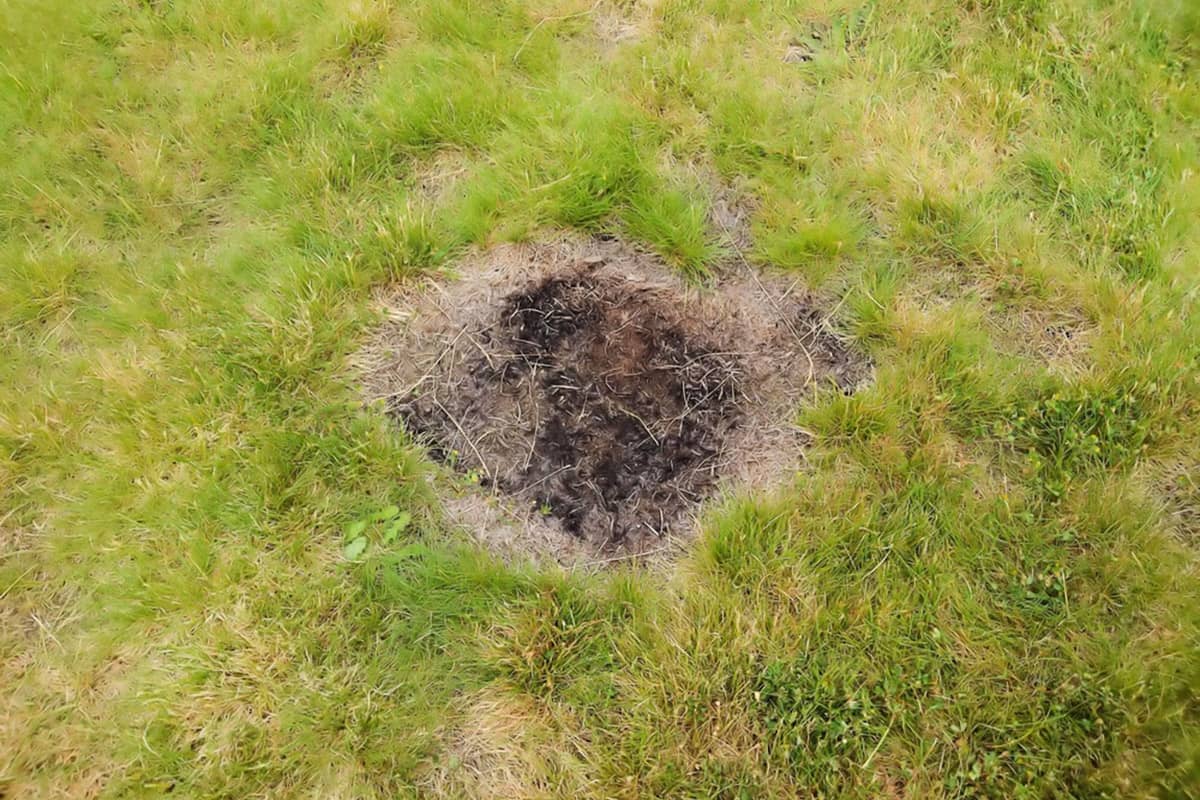
Grass plugs are excellent for repairing minor lawn damage from insects, disease or pet urine. First, resolve the underlying issue by using appropriate treatments. After addressing the cause, installing plugs in the damaged areas helps your lawn quickly regain its lush appearance.
How far apart you space the plugs will determine the rate that the plugs fill in to create a solid ground cover.
2. To establish a lawn when sod or seed is not readily available or practical
Grass plugs are a practical alternative when sodding or seeding a lawn isn't feasible. This might be because:
- The desired grass variety isn't available at local sod farms.
- The required amount of grass is much less than a full pallet, and individual sod pieces aren't sold nearby.
- Transporting pallets of sod to the site is impractical.
- The grass type, like St. Augustine, isn’t available as seed, making plugs the best option.
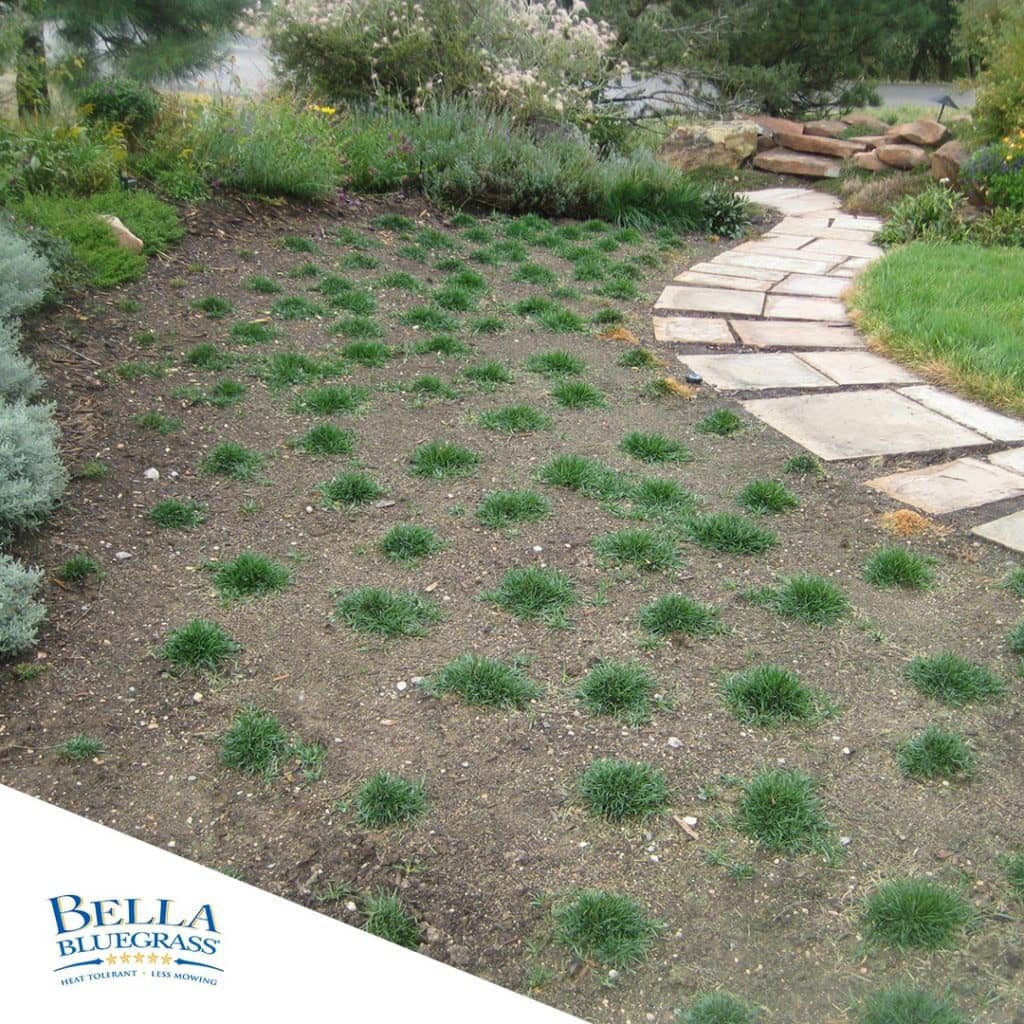
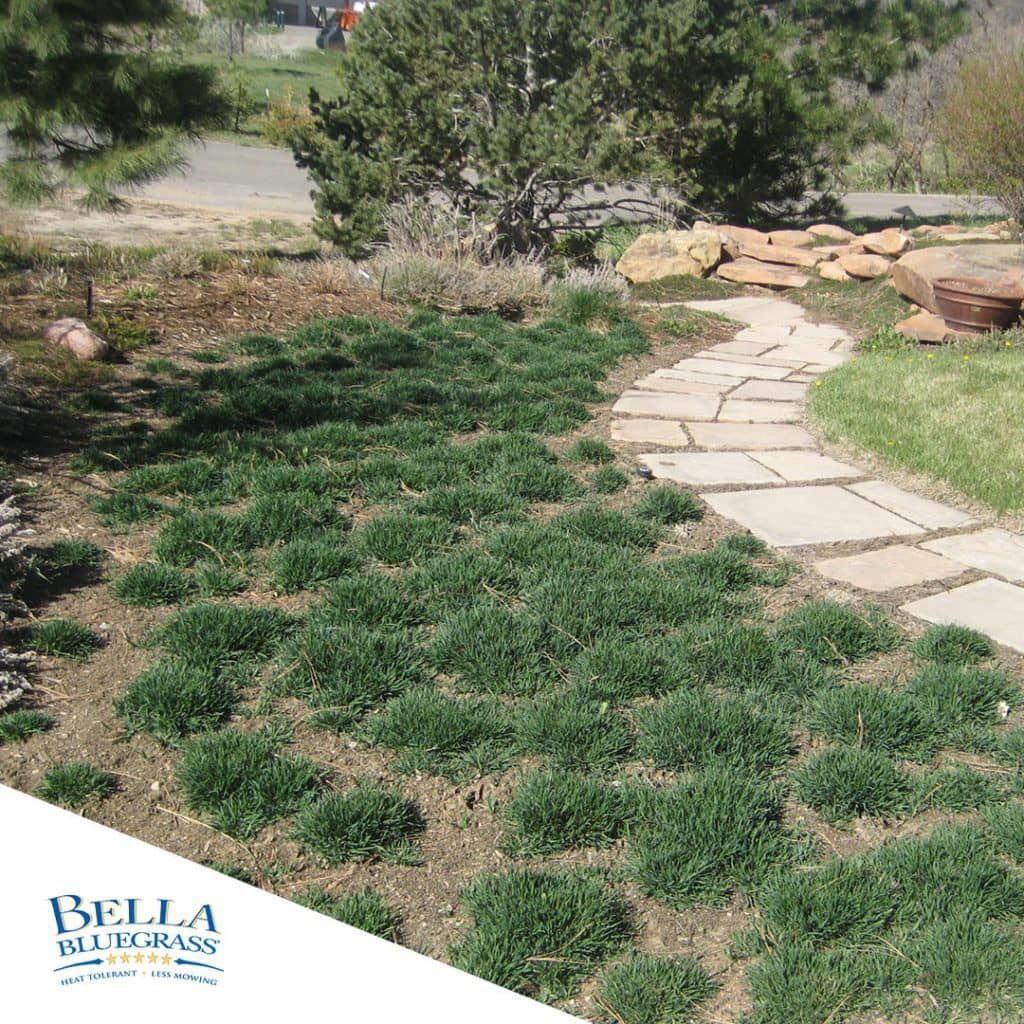
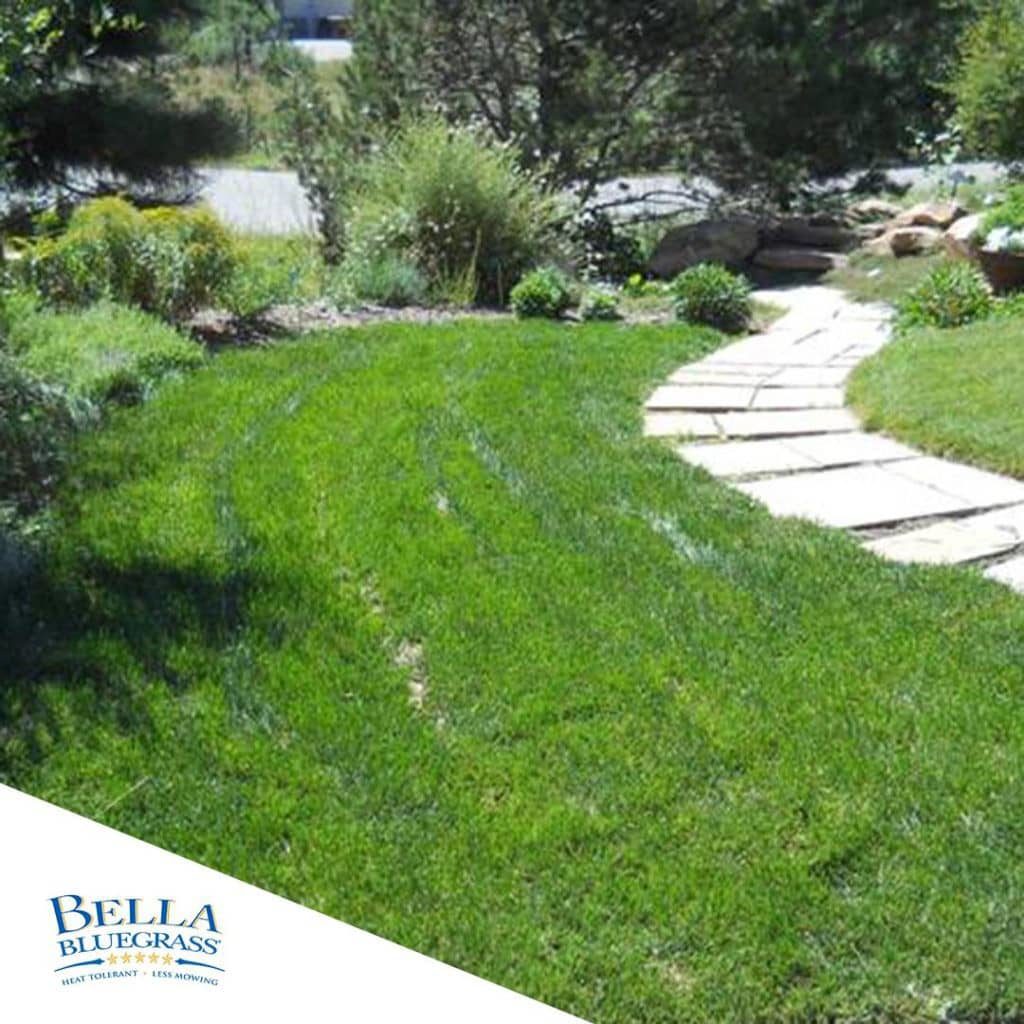
For instance, Bella® Bluegrass, an improved variety that doesn’t come as sod but only as plugs, requires minimal mowing and suits small yards or those seeking low-maintenance lawns. Below are photos illustrating Bella Bluegrass gradually filling in a small lawn area.
How to Plant Grass Plugs
Step 1:
Make sure the area is clear and rake out any debris. Then, create a grid spacing for each plug 12 inches apart and mark each planting spot with spray paint.
Step 2:
At each marked spot, use a drill with a three-inch auger bit to create holes for the plugs.
Step 3:
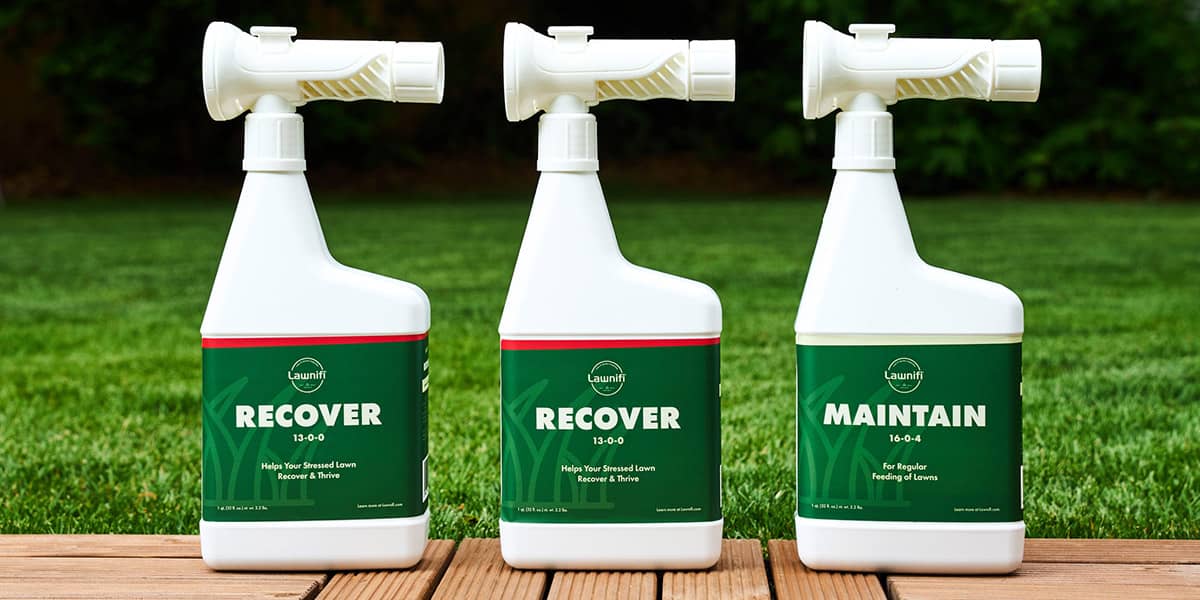
Plant each plug in its hole and fill any gaps with soil. Soak the soil thoroughly and fertilize with Lawnifi Grow, which is rich in phosphorus and essential for root growth.
Step 4:
Water the plugs every morning for the first two weeks unless it rains. Then, reduce watering to twice weekly for the next two weeks. Four weeks after planting, apply Grow again. At eight weeks, switch to Lawnifi Maintain.
This fertilization sequence is part of the New Lawn Starter Box, which is ideal for new sod or grass plugs. After eight weeks, the plugs should start to grow and spread vigorously.
Note: Managing weeds will be necessary as your new lawn develops. However, weed control products should not be used on newly planted plugs. It’s recommended to wait until you’ve mowed at least 3–4 times before applying any weed control products.
You should wait until the grass plugs have established and grown to at least 3-4 inches in height before mowing. This typically takes about 3-4 weeks, but the exact time can vary based on your specific grass type and growing conditions. When you do mow, ensure your mower blades are sharp to avoid damaging the young grass and mow at the highest setting for the first mow. Once the first 30 days after installation have passed, begin mowing at your grass type’s ideal height. Find your grass type’s ideal height in our Homeowner Maintenance Guides located here.
This waiting period allows the plugs to establish roots and reduces the risk of stress from chemical applications. Always follow the label instructions for any products you use to ensure the safety and health of your new grass.
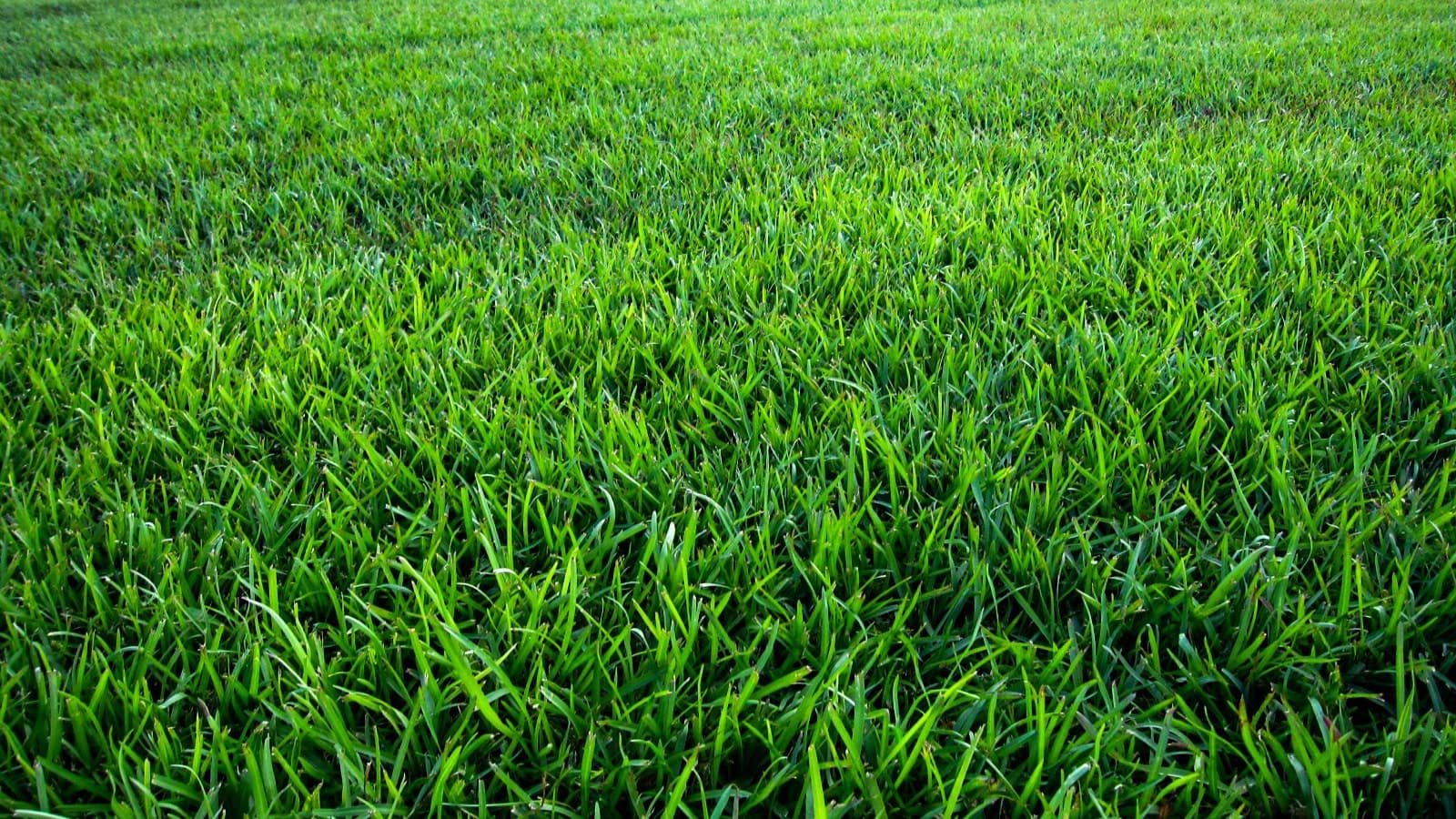
Grass plugs are a versatile and effective solution for various lawn care challenges, from repairing damaged areas to establishing new lawns where sod or seed isn't feasible. By understanding their benefits and following the correct planting process, these plugs can help you create a thick, uniform lawn.