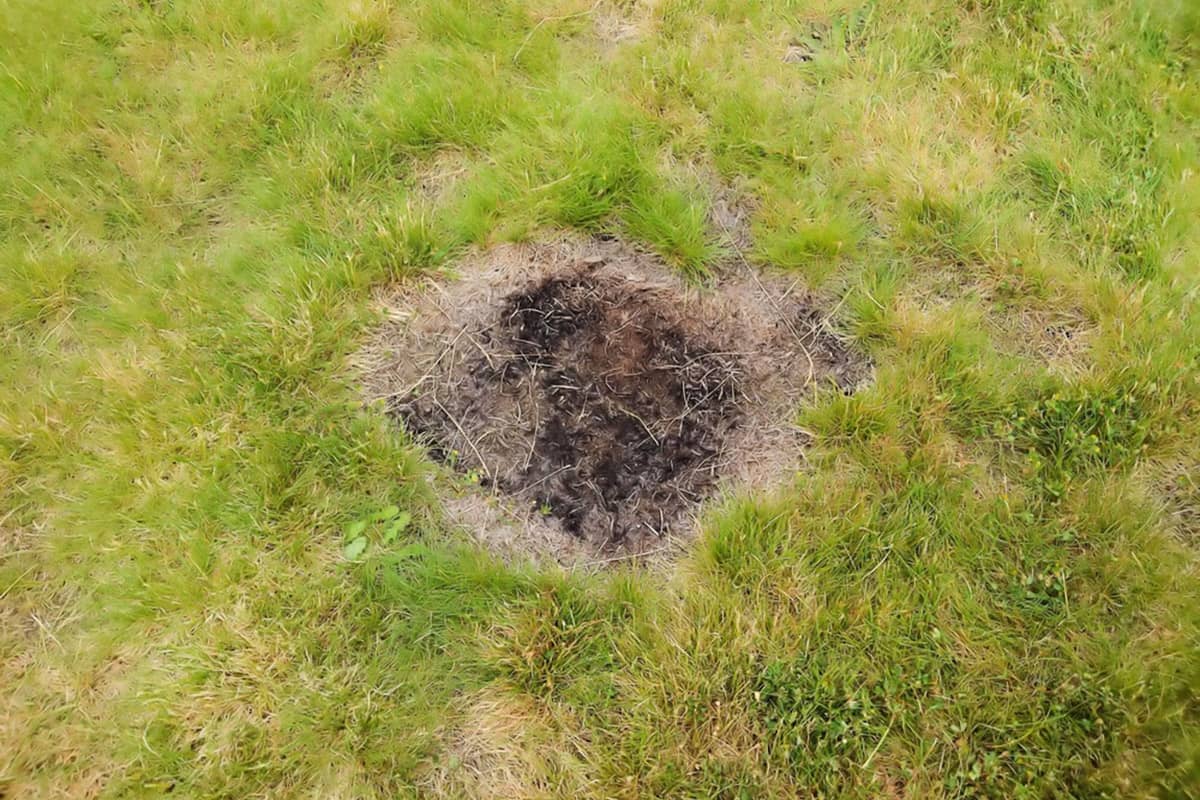

Storms can be tough on our lawns, leaving behind debris, eroded areas and damaged grass. While dealing with storm aftermath is never fun, it does present a unique opportunity to turn setbacks into gains.
By approaching recovery strategically, you can use the disruption as a catalyst for improving your lawn's overall health, appearance, and resilience.
1. Take a Soil Test
Storms can throw your soil out of balance, often bringing in salts that make the soil saline. This extra salt can be tough on your grass and plants, making it harder for them to soak up water and nutrients.
A great first step in turning storm damage into an opportunity is to take a soil test. This will help you see exactly what your lawn needs and spot any salt-related issues so you can create a fertilizer plan that’s perfectly suited to help your lawn recover and thrive.
2. Revise Your Fertilizer Strategy
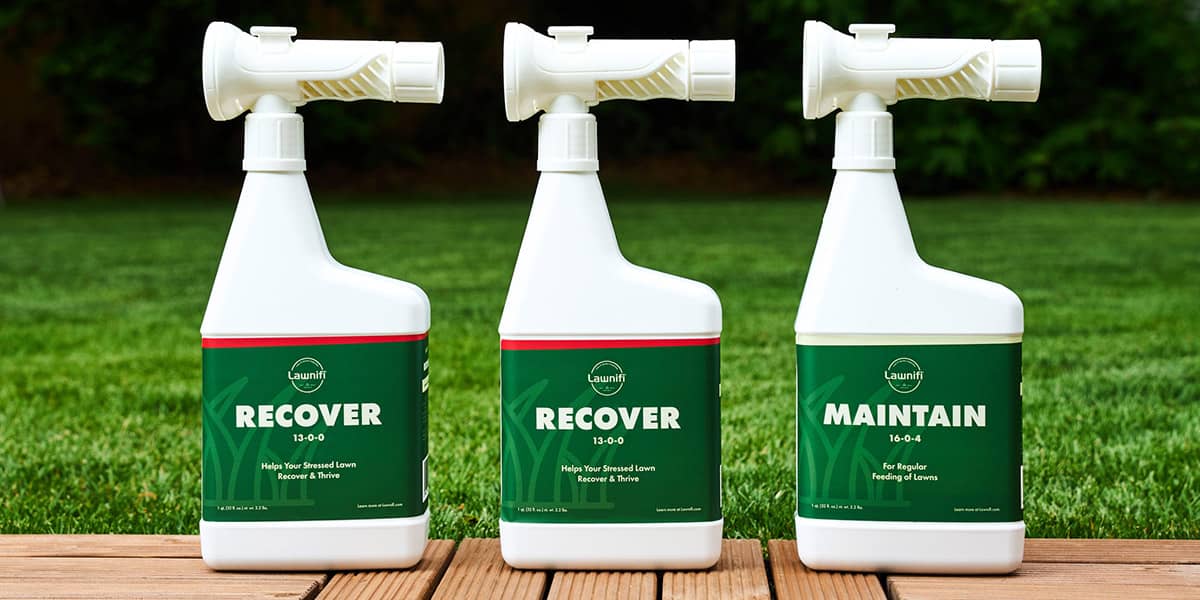
With your soil test results in hand, now’s a great time to rethink how you fertilize your lawn. This information helps you create a plan that targets any problem areas, including those caused by extra salt.
To counteract the saltiness, try adding gypsum to your lawn care routine—it can help wash away the salt and improve your soil, making it easier for your grass to get the water it needs. Adjusting your fertilizer approach after a storm can help your lawn recover faster, become tougher against future weather, and grow stronger and greener.
3. Overseed or Use Grass Plugs
Storms can leave bare or damaged spots in your lawn. Consider reseeding or using grass plugs to fill in these areas.
This approach helps maintain a consistent look while strengthening your lawn with fresh, healthy growth. By sticking with the same variety that’s already adapted to your yard, you’ll ensure a seamless blend and a resilient lawn that bounces back better than before.
4. Implement Improved Drainage Solutions
Storms often reveal drainage issues, like spots where water collects or soil washes away. This is a great time to fix those problems.
Consider adding French drains and rain gardens or making simple adjustments to the slope of your yard to help water flow better. Improving drainage can prevent future damage, keep your grass healthier and make your yard look better overall.
5. Upgrade Mulch Beds
After a storm, cleanup is the perfect time to spruce up or expand your mulch beds. Mulch helps keep the soil moist, prevents washouts and makes your garden look tidy and attractive.
Adding fresh mulch gives your landscape a neat, polished look while creating a nice backdrop for your plants to shine. Plus, using organic mulch can boost soil health and keep roots cozy, helping your plants grow stronger.
6. Level Out Problematic Areas
If you see low spots where water collects or areas where soil washes away, it’s a good time to fix these issues by adjusting the shape of your lawn. Smoothing out slopes helps water flow better, stops puddles from forming and keeps your grass healthy.
A well-graded lawn can go a long way in keeping your yard strong and looking great.
7. Plant Windbreaks or Buffers
Consider planting windbreaks or natural buffers to shield your lawn from future storms. Strategic planting of trees, shrubs or hedges can help protect your grass from wind damage, reduce erosion, and add a beautiful, structured element to your landscape.
Windbreaks also create microclimates that can make your garden more hospitable for other plants.
8. Upgrade Lawn Equipment
Dealing with storm damage can often reveal gaps in your lawn care arsenal. This is a great time to consider upgrading your tools and equipment.
Investing in more efficient or environmentally friendly options, such as battery-powered mowers or ergonomic rakes, can make future maintenance tasks easier and more sustainable. High-quality equipment can also help you achieve better results in less time.
How to Turn Storm Damage into Lawn Gains - Answered
Storms may cause immediate damage, but they also present valuable opportunities to improve and strengthen your lawn. By taking proactive steps—such as testing your soil, upgrading your drainage and incorporating resilient plant varieties—you can turn storm setbacks into long-term gains.
Embrace these changes, and your lawn will be more beautiful, sustainable and storm-resistant than ever before.