As the summer heat gives way to cooler temperatures, lawn care is still essential for a healthy, thriving yard. Just because it’s not hot anymore doesn’t mean your lawn has no needs. This article focuses on the importance of fall fertilization, explaining why it’s essential, how grass needs change in the fall and how to choose the best fertilizer for your lawn.
Why Fertilizing is Important
Fertilizing your lawn is a key practice for maintaining its health and appearance. The general benefits include:
✅ Promotes Healthy Growth: Fertilizers provide essential nutrients that support robust growth both above and below ground.
✅ Enhances Color and Thickness: A well-fertilized lawn is vibrant, green and dense. A thicker lawn also chokes out weeds.
✅ Helps Lawns Withstand Stress: Fertilized lawns are better equipped to handle stress from weather, pests, foot traffic and other stressors.
Importance of Fertilizing in the Fall
Fertilizing in the fall is particularly important because it:
- Prepares Warm Season Lawns for Winter Dormancy and Cool Season Lawns for Cold Temperatures: Ensures lawns are ready for the upcoming season changes.
- Strengthens Root Systems: Encourages deep root growth, essential for storing nutrients to survive winter dormancy and access nutrients.
- A Healthy Start in Spring: Nutrients stored in the fall help grass rebound quickly in the spring.
- Balances Soil pH and Replenishes Depleted Nutrients: Corrects soil imbalances and replaces nutrients lost during the summer.
How Grass Needs Change in the Fall Compared to Other Seasons
In the fall, the focus shifts from top growth to root development. Key changes include:
- Reduction in Mowing and Watering Frequency: Cooler temperatures reduce the need for frequent mowing and watering.
- Building Carbohydrate Reserves: Grass stores energy for the winter, which is crucial for survival and spring growth.
- Different Nutrient Requirements: Higher potassium and phosphorus levels are needed, with reduced nitrogen.
Nutrient Needs of Cool Season Grasses in the Fall
Cool season grasses, such as Kentucky bluegrass, fescue and ryegrass, have specific fall nutrient needs:
- Potassium and Phosphorus for Root Health: These nutrients strengthen roots and improve disease resistance. They can be found in our Lawnifi Fall Fertilizer Box.
- Moderate Nitrogen: Supports recovery from summer stress without promoting excessive top growth.
- Recommended Fertilizers: Slow-release formulas that provide a steady supply of nutrients.
Nutrient Needs of Warm Season Grasses in the Fall
Warm season grasses, including bermuda, zoysia and St. Augustine, require different fall fertilization:
- Lower Nitrogen: Prevents excessive growth before dormancy.
- High Potassium: Enhances cold tolerance and disease resistance.
- Recommended Fertilizers: Formulas that support overall health without overstimulating growth.
The Role of Soil Testing
Before fertilizing, it's important to conduct a soil test to determine your lawn’s specific nutrient needs:
- Collecting Soil Samples: Take samples from various parts of your lawn for accurate results.
- Sending Samples to a Lab with an At-Home Kit: Effective for determining soil nutrient levels.
- Interpreting Soil Test Results: Use the results to select the right fertilizer and address any soil deficiencies.
Choosing the Best Fertilizer for Your Lawn
Selecting the right fertilizer involves understanding the N-P-K ratios on labels and considering your soil test results and grass type:
- Understanding Fertilizer Labels: N-P-K ratios indicate the percentages of nitrogen (N), phosphorus (P) and potassium (K).
- Selecting the Right Fertilizer: Choose based on your lawn's specific needs as indicated by the soil test.
- Application Tips:
- Timing: Apply in early to mid-fall.
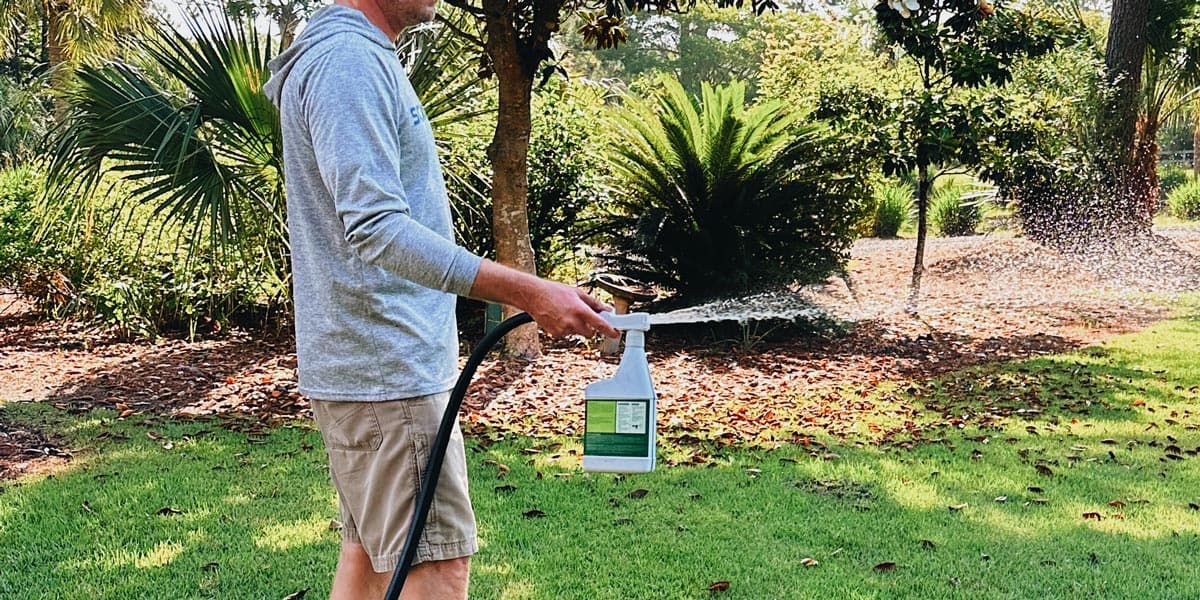
- Proper Spreading Techniques: Ensure even coverage to avoid nutrient burn.
- Watering After Application: Helps nutrients penetrate the soil.
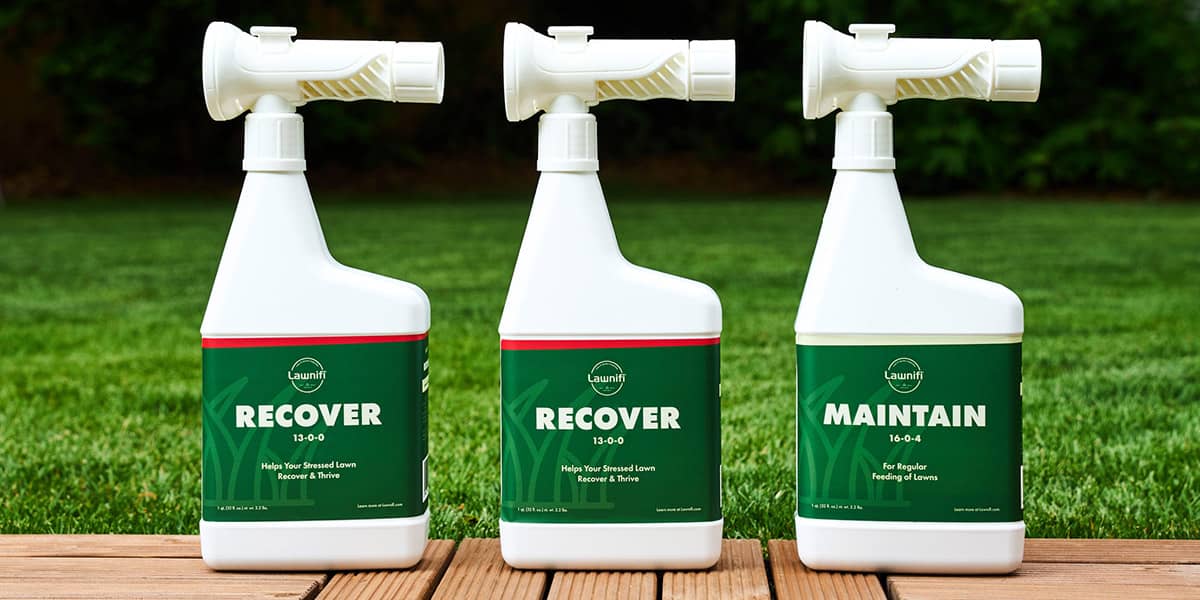
For best results, consider using the Lawnifi Fall Fertilizer Box, which includes:
- Boost: Applied in early fall to revitalize the green lead blade color after the heat stress of summer. The rapid green-up of your lawn will last from the time of application through the remainder of the growing season because of Boost’s time-release formula and it is one of the best fall fertilizers.
- Maintain: Applied mid-fall for well-balanced nutrition with potassium to support disease resistance and cold tolerance.
- Recover: Applied in late fall to prepare your lawn for winter temperatures and dormancy.
The Best Fall Fertilizer for Lawns - Answered
Fall fertilization is a key step in maintaining a healthy lawn year-round. By conducting a soil test and choosing the right fertilizer, you can ensure your lawn is well-prepared for winter and ready to thrive in spring. Lawnifi's Fall Fertilizer Box, with its tailored nutrients and easy application schedule, makes it simple to give your lawn the care it needs this season.