Whether you're dealing with worn-out patches, building a new lawn from scratch or just looking for a budget-friendly alternative to sod, bermuda grass seed is a smart, low-maintenance option. It’s a favorite for homeowners across the South and into the transition zone thanks to its durability, quick growth and great curb appeal. In this guide, we’ll break down what makes the best bermuda grass seed for home lawns—and how to pick the right one for overseeding or a fresh start.
Why Pick Bermuda Grass Seed?
Bermuda grass is a go-to warm season turf for much of the southern U.S.—and for good reason. It’s tough, great-looking, and thrives in heat. Some improved varieties even do well in cooler transition zones, making it a versatile pick for all kinds of lawns.
These days, more homeowners are choosing bermuda grass seed or plugs over sod. It’s easier on your budget, less work to install and perfect for filling in bare spots or starting fresh—if you’re okay with waiting a few weeks for germination.
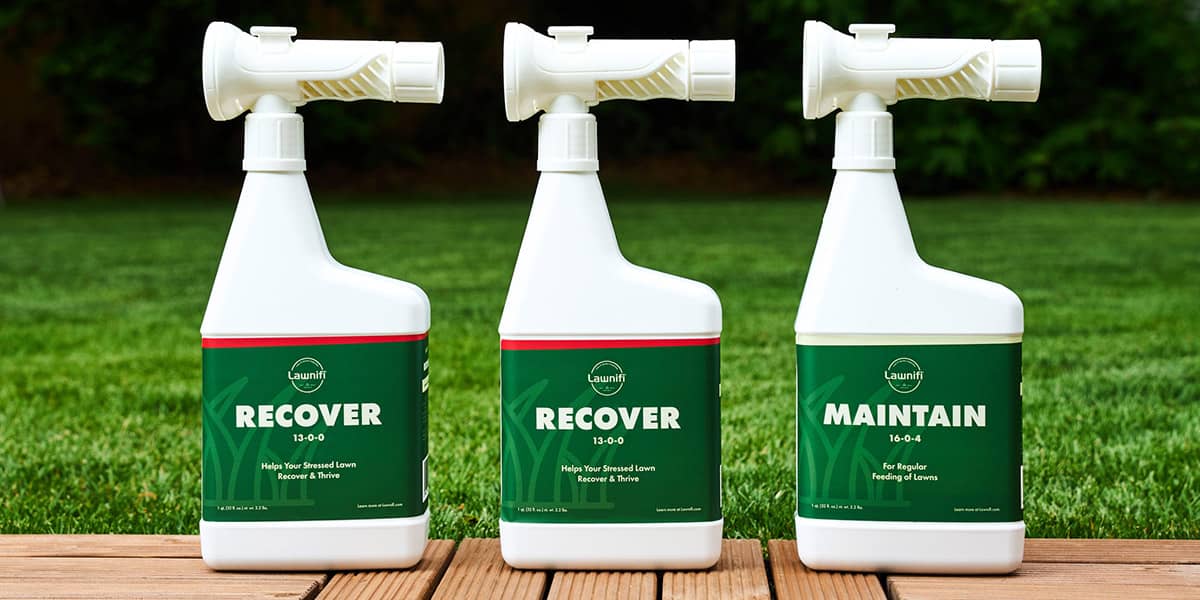
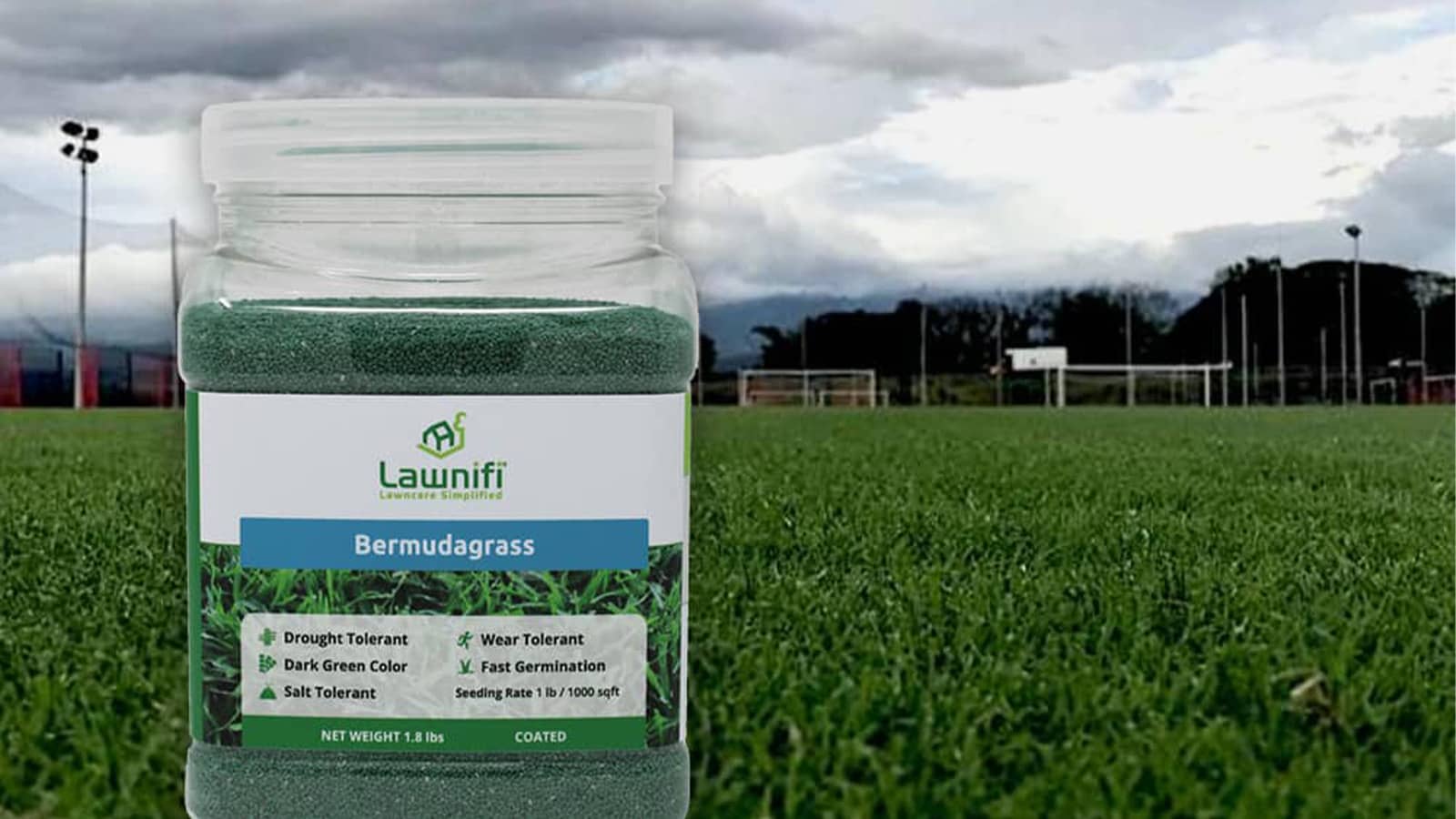
One standout option is Lawnifi® Bermudagrass Seed. It’s coated with fertilizer to boost root growth and helps you get that dense, dark green lawn faster and with less hassle.
What to Look for in Quality Bermuda Grass Seed
Not all bermuda grass seed is created equal. If you’re trying to figure out what makes one type better than another, here are the key features to keep an eye on:
- Fast Germination
You don’t want to stare at dirt for weeks. A high-quality seed should sprout quickly, usually within 7–14 days, so you can start enjoying your lawn sooner. Some varieties, like Lawnifi Bermudagrass Seed, are coated in fertilizer to help with rapid establishment and germination. - Drought Tolerance
Once established, good bermuda grass handles dry spells like a champ. Look for varieties bred to need less water without sacrificing color or density. Lawnifi Bermudagrass is renowned for its drought resistance once established. Its deep root system allows it to withstand dry spells while maintaining color and density, making it a top choice for warm, sunny regions. - Climate Flexibility
Bermuda grass thrives in the warm climates of the southern U.S., but some advanced varieties—such as NorthBridge and Latitude 36—are bred to handle the cooler temperatures of the transition zone. That makes them a great option for homeowners in borderline regions. Keep in mind, however, that Latitude 36 and NorthBridge are not available as seed. NorthBridge, though, can be purchased as bermuda grass plugs. - Leaf Texture & Color
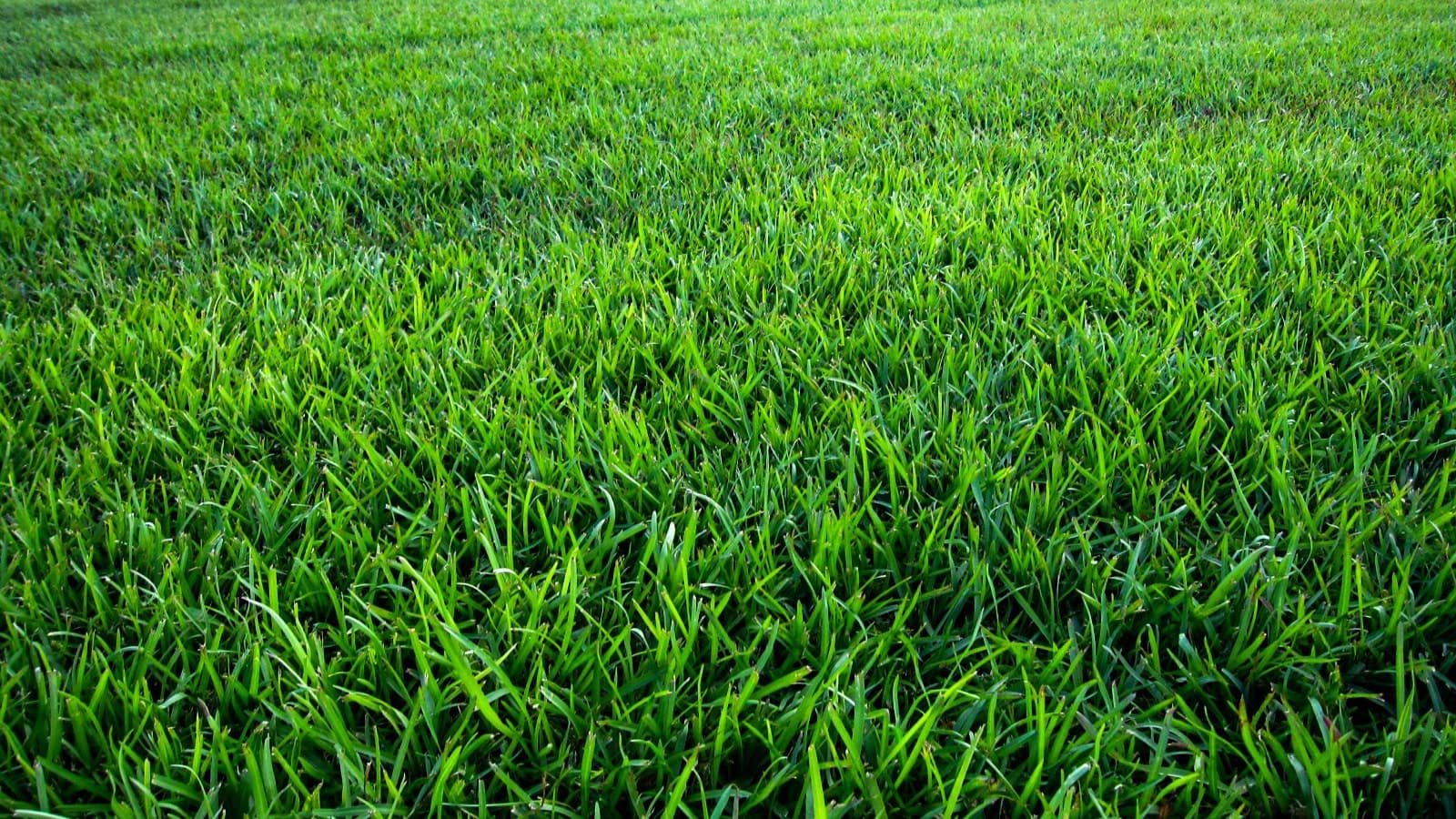
For an elite appearance, look for varieties described as “fine-bladed” and “dark green.” These traits are associated with a denser, more attractive turf, often compared to golf course quality - Salt Tolerance
Bermuda grass is among the most salt-tolerant turfgrasses available, capable of handling high soil salinity levels. If you're near the coast or using recycled water, this is a biggie. Salt-tolerant varieties can handle harsher conditions without browning out.
When and How to Plant Bermuda Grass Seed
Planting bermuda grass seed isn’t hard—but timing and prep make all the difference. Whether you’re patching up a few bare spots or starting a whole new lawn, here’s what you need to know to get it right the first time.
Fixing Patches
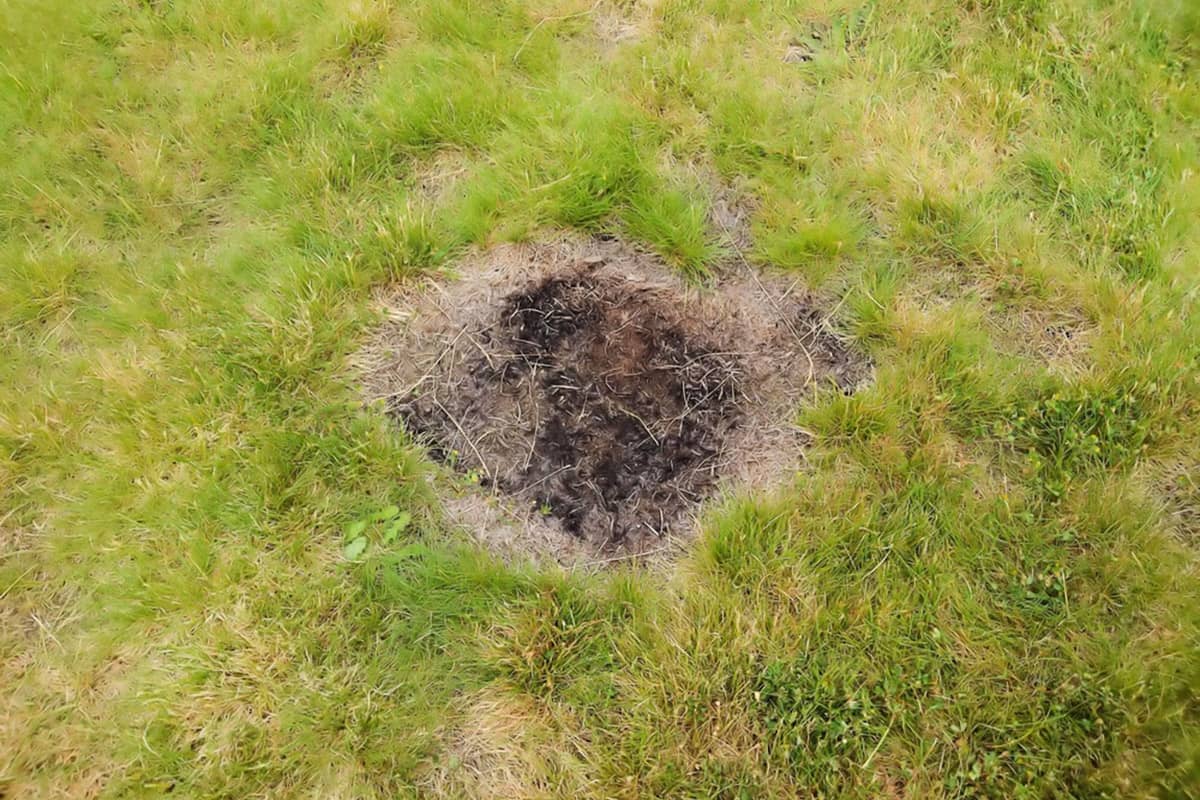
If you’re just dealing with a few bare spots here and there, patching with bermuda grass seed is a simple, cost-effective fix.
Best Time to Patch:
Late spring through early summer is ideal, when temperatures are between the 60s and 80s for faster germination. Avoid seeding just before heavy rain or in extreme heat.
How Much Seed to Use:
For Lawnifi® Bermuda Grass Seed, use approximately ½ lb per 2,000 sq. ft. for light patching. Always check the label for blend-specific guidelines.
Quick Fix Tools:
- Hand spreader or hand-tossing for very small areas
- Rake
- Topsoil or mulch
Steps to Patch Successfully:
- Mow the area short.
- Lightly rake to loosen the soil.
- Spread the seed evenly.
- Cover with a thin layer of topsoil, mulch, or straw.
- Water daily until germination (7–14 days).
Overseeding Existing Lawns
Got patchy spots or tired-looking turf? Overseeding can bring your lawn back to life without starting from scratch.
When to Overseed with Bermuda Grass Seed:
Late spring through early summer is your sweet spot—temps between the 60s and 80s help seed germinate quickly. Skip it if storms or heavy rain are in the forecast, or if it’s blazing hot out.
How Much Seed to Use for Bermuda Grass Overseeding:
This usually depends on the type of bermuda grass seed you purchase. For Lawnifi Bermudagrass Seed, use about ½ lb of seed per 2,000 sq. ft. for overseeding. Always check the label—some blends are more concentrated.
Tools You’ll Need:
A broadcast or drop spreader makes things easier and keeps coverage even. Hand-tossing is okay for tiny spots, but larger areas deserve a proper tool.
Quick Tips:
- Mow the lawn short before spreading seed
- Lightly rake to help the seed settle into the soil
- Cover with a thin layer of topsoil, mulch, or straw to hold moisture and keep birds away
- Water daily until germination (about 7–14 days)
Starting a New Lawn from Seed
If you're going all-in with a brand-new lawn, bermuda seed is a solid choice if you want to save money and don’t mind a little patience.
Best Time to Plant Bermuda Grass Seed:
Late spring to early summer works best when the soil is warm and the nights aren’t too cold. Avoid seeding in extreme heat or right before heavy rain.
Bermuda Grass Seeding Rate:
You’ll want about 1 lb per 1,000 sq. ft. for a new lawn. Again, check the bag for the blend-specific rate.
Step-by-Step Prep:
- Clear the area – Remove weeds and debris
- Do a quick soil test – Optional but helpful to know what amendments you need
- Level and loosen the soil—good contact = better germination
- Spread the seed evenly with a drop or broadcast spreader
- Rake lightly and cover with topsoil or straw
- Water every day for at least two weeks, then taper off as roots develop
Heads Up:
Don’t mow for at least 2 months, and definitely wait until 3–4 mowings before using any weed killer. This gives your new grass time to grow strong roots.
Featured Seed: A Closer Look at Lawnifi Bermudagrass Seed
If you're looking for a bermuda grass seed that goes above and beyond, Lawnifi® Bermudagrass Seed is worth a serious look. It’s designed for high performance in a variety of environments—from the heat of the deep South to the cooler temps of the transition zone.
Here’s what makes it stand out:
- Built for Heat & Drought
With strong drought tolerance and a deep root system, this seed holds up during hot, dry summers without running up your water bill. - Thrives in Multiple Climates
Whether you live in a coastal town or in a cooler transition zone, Lawnifi® handles the challenge. It's a solid option for places where other warm season grasses struggle. - Salt Tolerance
Great for coastal lawns or areas using reclaimed water, its salt tolerance is a huge plus—especially for those in states with watering restrictions. - Beautiful Turf Longer
Expect a medium-fine leaf texture and rich green color that lasts into the fall and bounces back quickly in spring. Your lawn won’t just look good—it’ll stay that way longer. - Coated for Better Germination
Each seed is coated with Lawnifi® fertilizer, helping it germinate quickly and establish strong roots for a dense, uniform lawn.

Best Bermuda Grass Seed FAQs:
The best bermuda grass seed depends on your lawn’s needs, but top-rated options like Lawnifi® Bermudagrass Seed offer fast germination, strong drought tolerance and adaptability to both hot and cooler climates. It’s a great all-around choice for overseeding or starting a new lawn.
Bermuda grass seed is more affordable and easier to install than sod, making it a great DIY option for homeowners. However, sod offers instant results, while seed takes a few weeks to grow in and establish.
Yes, certain improved bermuda grass varieties, like Latitude 36 and NorthBridge, can grow well in the transition zone where temperatures drop. These types are bred for better cold tolerance and still offer dense, green coverage.
The best bermuda seed for overseeding is one that germinates quickly and blends well with existing grass, like Lawnifi® Bermudagrass Seed. These options fill in bare spots efficiently and establish strong, healthy turf.
Bermuda grass seed typically takes 7 to 14 days to germinate under the right conditions. Full establishment can take several weeks, depending on temperature, watering and soil prep.