Storms can significantly impact your lawn and yard, leaving behind a trail of damage that, if not promptly addressed, can lead to long-term issues. Effective storm damage repair is essential for restoring your lawn's health.
The aftermath of a storm can be overwhelming, from uprooted trees to waterlogged soil. However, with timely storm recovery efforts, you can repair storm damage and bring your lawn back to its former glory.
Assessing the Damage
Survey Your Yard
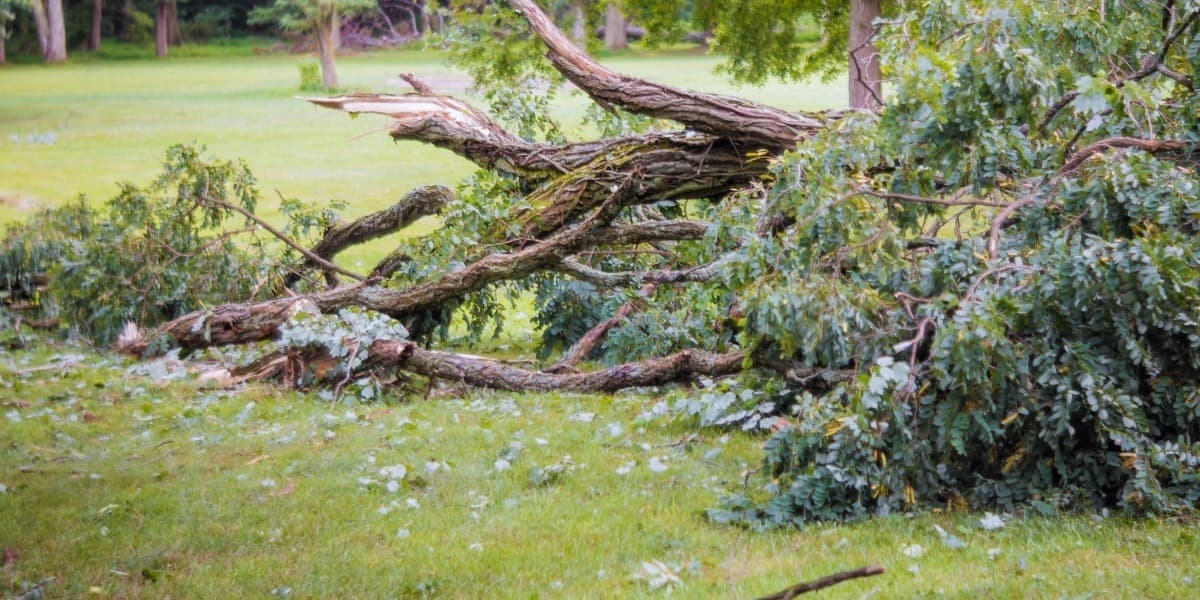
The first step in storm damage repair is to survey it. Walk through your yard, paying close attention to areas where damage is most likely to occur. Look for uprooted trees, broken branches and waterlogged sections.
Be mindful of any potential hazards, such as downed power lines or debris, that may pose a safety risk. Document the damage, as this can help guide your storm repair efforts and may be necessary for insurance claims.
Storms can cause soil erosion, standing water and torn or uprooted grass. These issues can weaken your lawn and create an environment conducive to disease and pest infestations.
Look for any signs of disease, such as discolored or wilted grass and check for pest activity, which may have increased due to the storm's conditions.
Cleaning Up Debris
Remove Fallen Branches and Leaves
Once you have assessed the damage, begin your storm damage repair by cleaning up debris. Safely remove large branches, leaves and other debris from your lawn and garden beds. Use a rake or blower to clear smaller debris, but avoid damaging the turf underneath. Proper debris removal is a key step in your storm recovery process.
Dispose of Hazardous Materials
In the aftermath of a storm, you may find hazardous materials such as broken glass, sharp objects or spilled chemicals scattered across your yard. Proper disposal of these materials is crucial to ensure the safety of your family and pets.
Follow local guidelines for disposing of hazardous waste, and consider wearing protective gear during cleanup.
Addressing Lawn Damage
Aerate Waterlogged Soil
Waterlogged soil is a common issue after heavy rainfall. To address this, use a lawn aerator or garden fork to aerate the affected areas. Aeration improves drainage and allows the grass roots to breathe, promoting recovery.
Avoid walking on soggy grass, as this can compact the soil further, making storm repair more challenging.
Flush Out Salt Water
If your lawn has been exposed to saltwater flooding, an essential step for storm damage repair is to flush out the salt from the soil as soon as the floodwaters recede. Use your garden hose on full pressure to saturate the affected areas with fresh water, helping to displace the sodium from the upper layers of soil.
If you have an irrigation system, set it to run more frequently and longer than usual. It’s also a good idea to test your soil after flushing to check its pH and nutrient levels with a soil test.
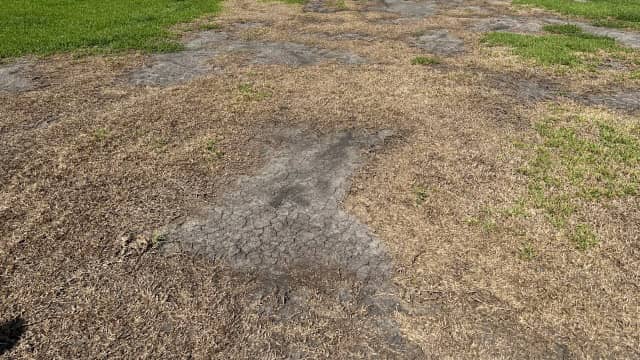
Reseed, Plug or Re-Sod Damaged Areas
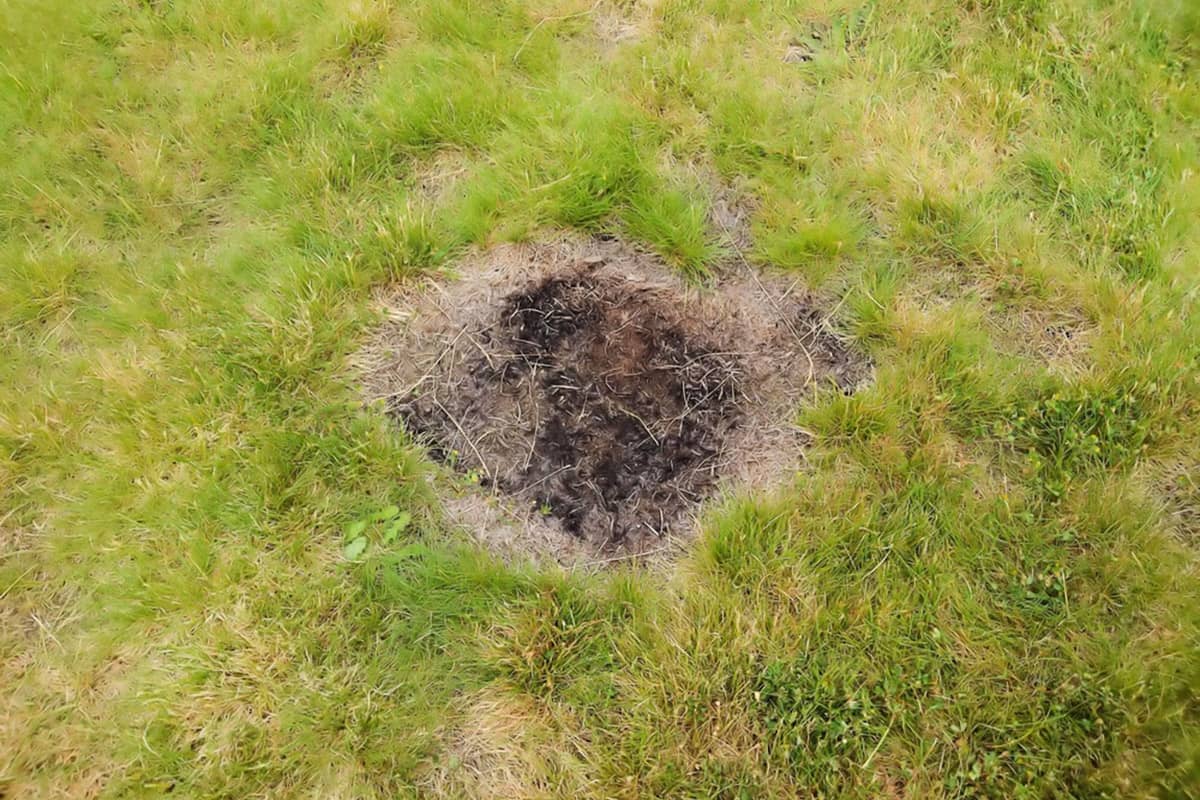
Bare or damaged patches of grass need to be repaired to restore the lawn's uniformity. Depending on the extent of the damage, you can reseed, plug or lay new sod.
When choosing grass seed, plugs or sod, make sure it matches your existing lawn type for a seamless repair. This step is crucial in preventing weeds from taking over the damaged areas.
Hold Off On Fertilizing
After a storm, especially one involving saltwater flooding, resist the urge to fertilize your lawn immediately. Fertilizers often contain sodium, which can worsen the issues caused by saltwater.
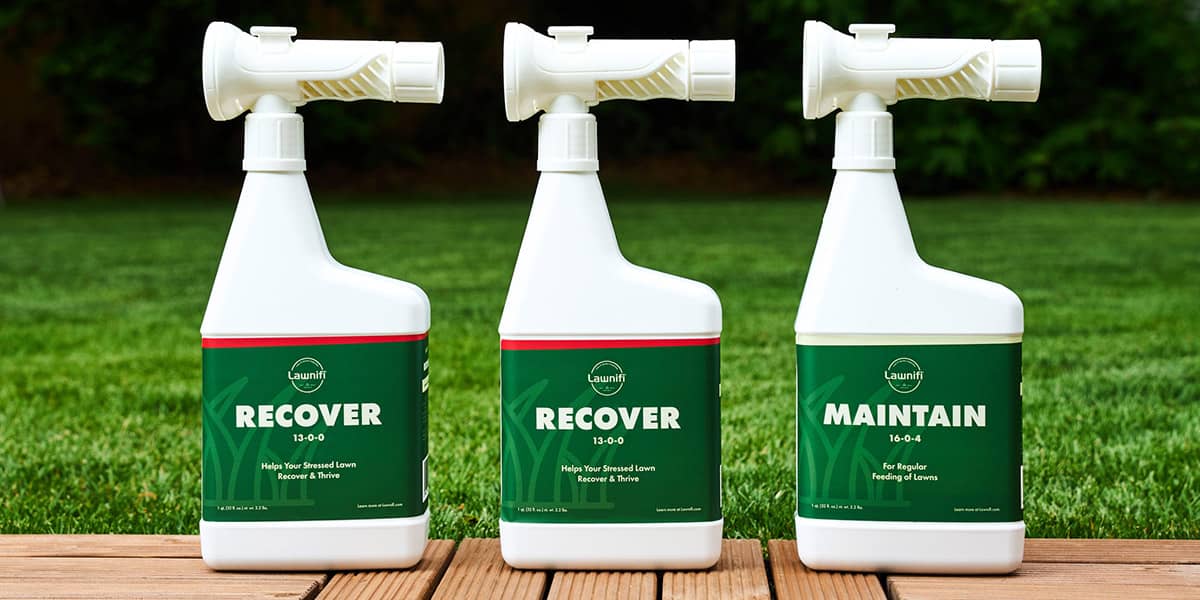
Allow your lawn a few weeks to recover naturally, and if it doesn't show signs of improvement.
Set Your Mower Higher
Your turfgrass may have suffered root shock from salt exposure or other storm-related stresses. To support recovery, set your mower blade slightly higher than usual.
This will allow the grass to maintain more leaf surface area, which is vital for photosynthesis and root regrowth and aids in storm damage repair.
Repairing Trees and Shrubs
Prune Damaged Branches
Trees and shrubs often bear the brunt of storm damage. Prune broken or damaged branches to prevent further injury and encourage healthy regrowth.
When pruning, avoid over-pruning and focus on removing only the damaged parts. Over-pruning can stress the plant, hindering its recovery.
Support Leaning or Uprooted Trees
If you have trees that have been partially uprooted or are leaning, they may require additional support. Re-stake or provide structural support to these trees to help them re-establish themselves in the soil.
Restoring Garden Beds
Replant Uprooted Plants
Uprooted plants can often be salvaged if they are replanted promptly. Ensure the plants are securely anchored in the soil and water them thoroughly to help them re-establish their roots.
This step is essential for preventing further damage and ensuring the plant's survival. Lawnifi Grow has all the necessary nutrients to help roots establish successfully.
Amend the Soil
Storms can deplete the nutrients in your garden beds. Add compost or other organic matter to restore soil health and replenish lost nutrients.
Turning over the soil can also improve aeration and drainage, creating a more favorable environment for your plants. This will help your garden beds recover more quickly and support new growth.
Addressing Erosion and Drainage Issues
Repair Eroded Areas
Erosion is a common problem after heavy rainfall. Fill in eroded areas with topsoil and replant grass or ground cover to prevent further damage.
Consider using erosion control methods such as mulch or erosion blankets on steep slopes to stabilize the soil.
Consider Mosquito Control
After a storm, particularly one involving flooding, you might notice an increase in mosquitoes. Even in small amounts, standing water can become breeding grounds for these pests.
To prevent this, consider using a mosquito control treatment. This can be done with other lawn care treatments like fertilization or aeration to streamline your recovery efforts.
How to Recover and Repair Your Lawn and Yard After a Storm - Answered
Recovering and repairing your lawn and yard after a storm requires a proactive approach. By assessing the damage, cleaning up debris, addressing lawn and plant damage and improving drainage, you can restore the health and appearance of your landscape.
Timely action is crucial to prevent long-term issues and ensure your yard remains beautiful and functional. During recovery, keep an eye on your yard, as ongoing matters may arise that require attention.