When a drought’s on the horizon, your lawn doesn't have much time to prepare—and neither do you. The heat can hit fast, and without quick action, your grass could take a serious hit.
This guide is here to help you stay ahead of the dry spell with simple, short-term steps you can put into action right away. Use this checklist to give your lawn a fighting chance before water restrictions and sizzling temps set in.
✅ Quick Answer - How to Get Your Lawn Ready for Drought—Fast
- ✅ Raise mower height (3–4 inches)
- ✅ Water less often, but deeply
- ✅ Use a rain gauge (aim for 1 inch/week)
- ✅ Minimize foot traffic and postpone lawn care tasks.
- ✅ Avoid fertilizing or treating weeds—But prep or recover smartly
- ✅ Leave clippings on the lawn (mulch!)
- ✅ Shade the most vulnerable areas
- ✅ Start rainwater collection
- ✅ Focus only on priority/high-traffic zones
- ✅ Set Realistic Expectations
Tip #1: Raise Your Mower Blade
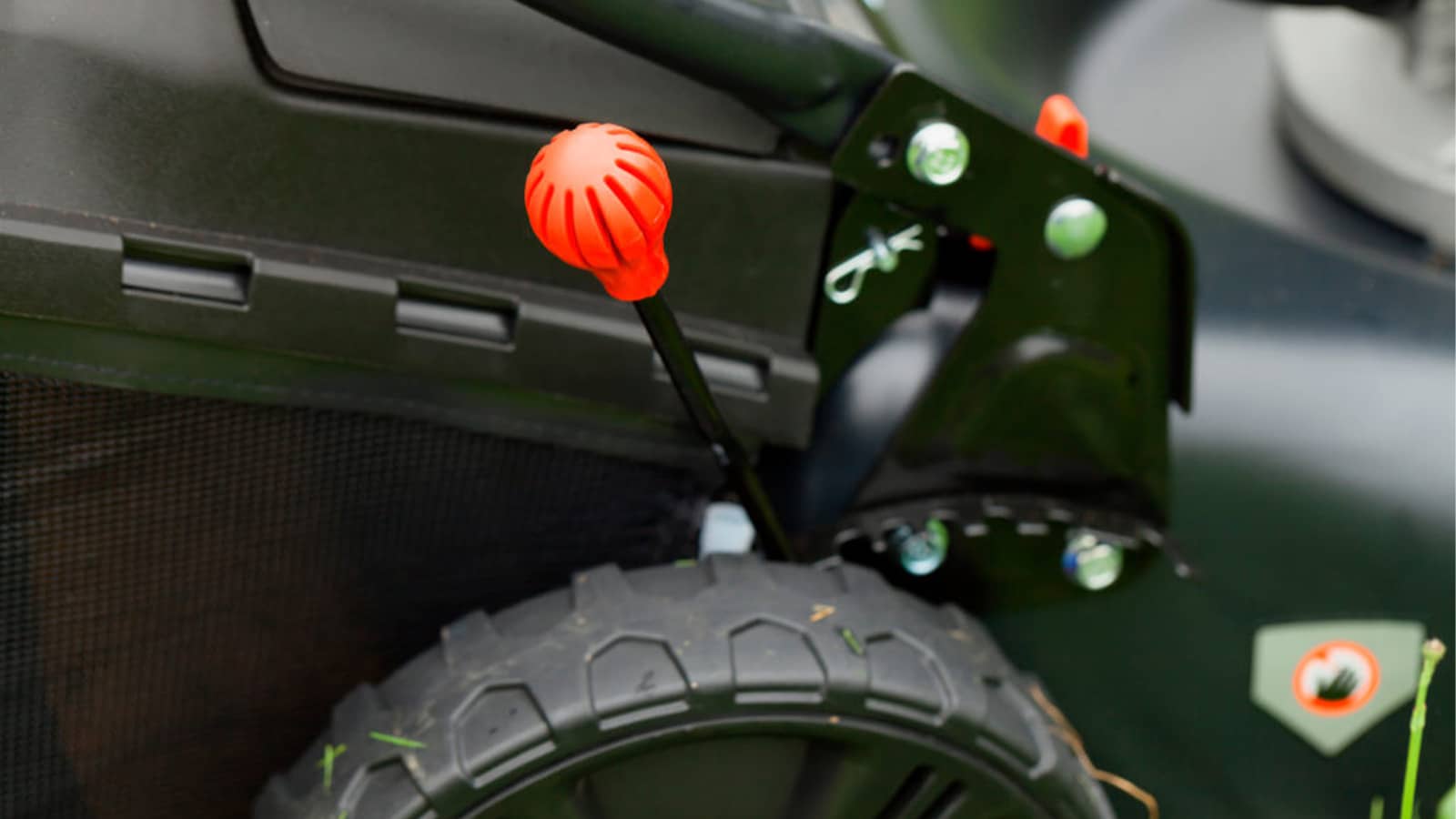
One of the easiest ways to help your lawn handle dry weather is to cut the grass a little higher. Taller grass shades the soil, holds onto moisture longer, and encourages roots to grow deeper—making your lawn more drought-tolerant.
While you're at it, make sure your mower blades are sharp. Clean cuts heal faster and put less stress on your lawn, especially when water is in short supply.
Tip #2: Water Less Often—But More Deeply
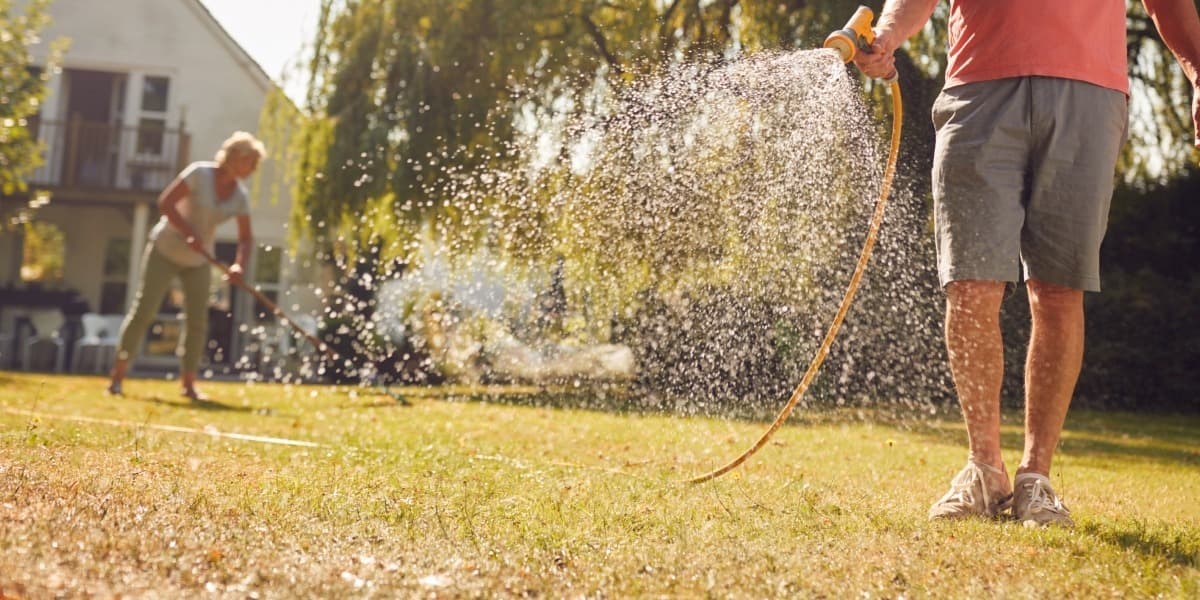
When drought’s approaching, how you water your lawn matters just as much as how often. Use these tips to build stronger, deeper roots that can handle dry conditions:
- Water deeply, not daily. Aim for fewer, longer watering sessions to encourage roots to grow deeper into the soil.
- Avoid quick surface sprays. Shallow watering keeps roots near the surface, where they dry out faster.
- Check your local restrictions. Make sure your watering schedule follows any drought-related guidelines in your area.
A simple shift in your routine now can help your lawn stay stronger when the heat sets in.
Tip #3: Use Rain Gauges to Track Watering Accurately
Keeping an eye on how much water your lawn actually gets is key during a drought. Rain gauges are a simple way to do this. Place a few around your yard to measure both rainfall and irrigation—this helps you avoid watering too much or too little.
Aim to provide about one inch of water per week, including any rainfall. This is usually enough to keep your lawn going without wasting water. By tracking it, you'll make better watering decisions and get the most out of what little moisture is available.
Tip #4: Limit Lawn Stress by Reducing Foot Traffic
Your lawn is under enough pressure during a drought—extra wear and tear from foot traffic only makes things worse. Here’s how to ease the strain:
Press pause on lawn projects: Skip aeration, dethatching, or other intensive lawn care tasks until conditions improve. These can add unnecessary stress while your grass is already struggling to stay healthy.
Redirect activity: Move regular paths, play areas or gatherings away from dry or stressed parts of your lawn. Temporary stepping stones or walkways can help keep people (and pets) off sensitive grass.

Tip #5: Avoid Fertilizing or Weed Control During Drought—But Prep or Recover Smartly
During a drought, your lawn needs less to deal with—not more. Fertilizing or applying herbicides may seem helpful, but they can actually make things worse.
- Pause chemical weed control: Herbicides add stress to grass during heat and drought. If needed, stick to hand-pulling and save the sprays for cooler, wetter times.
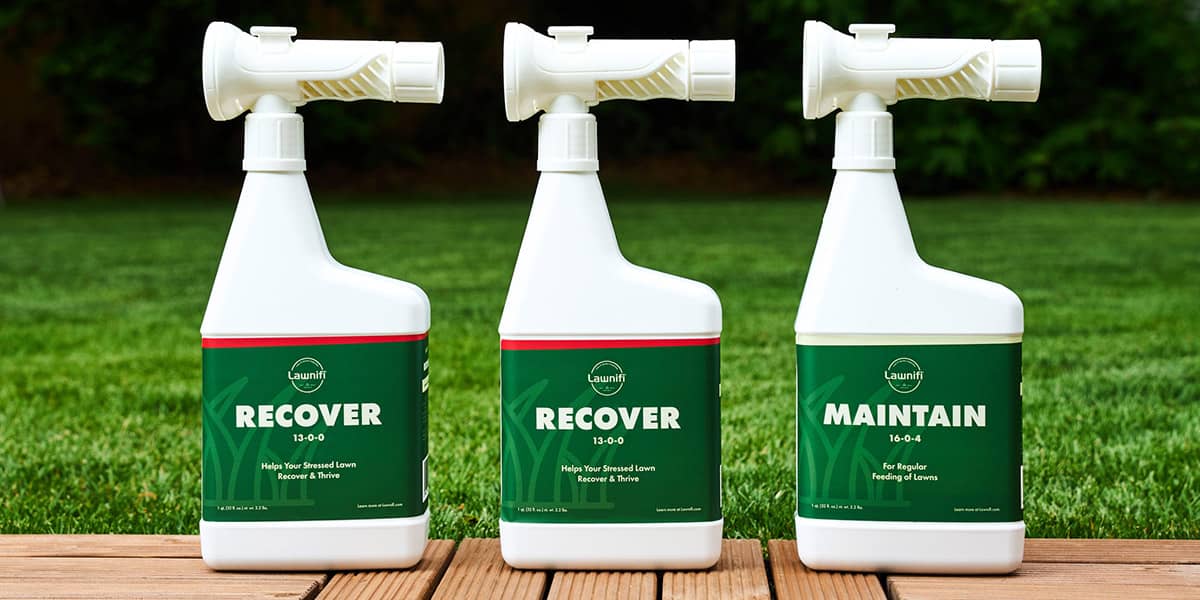
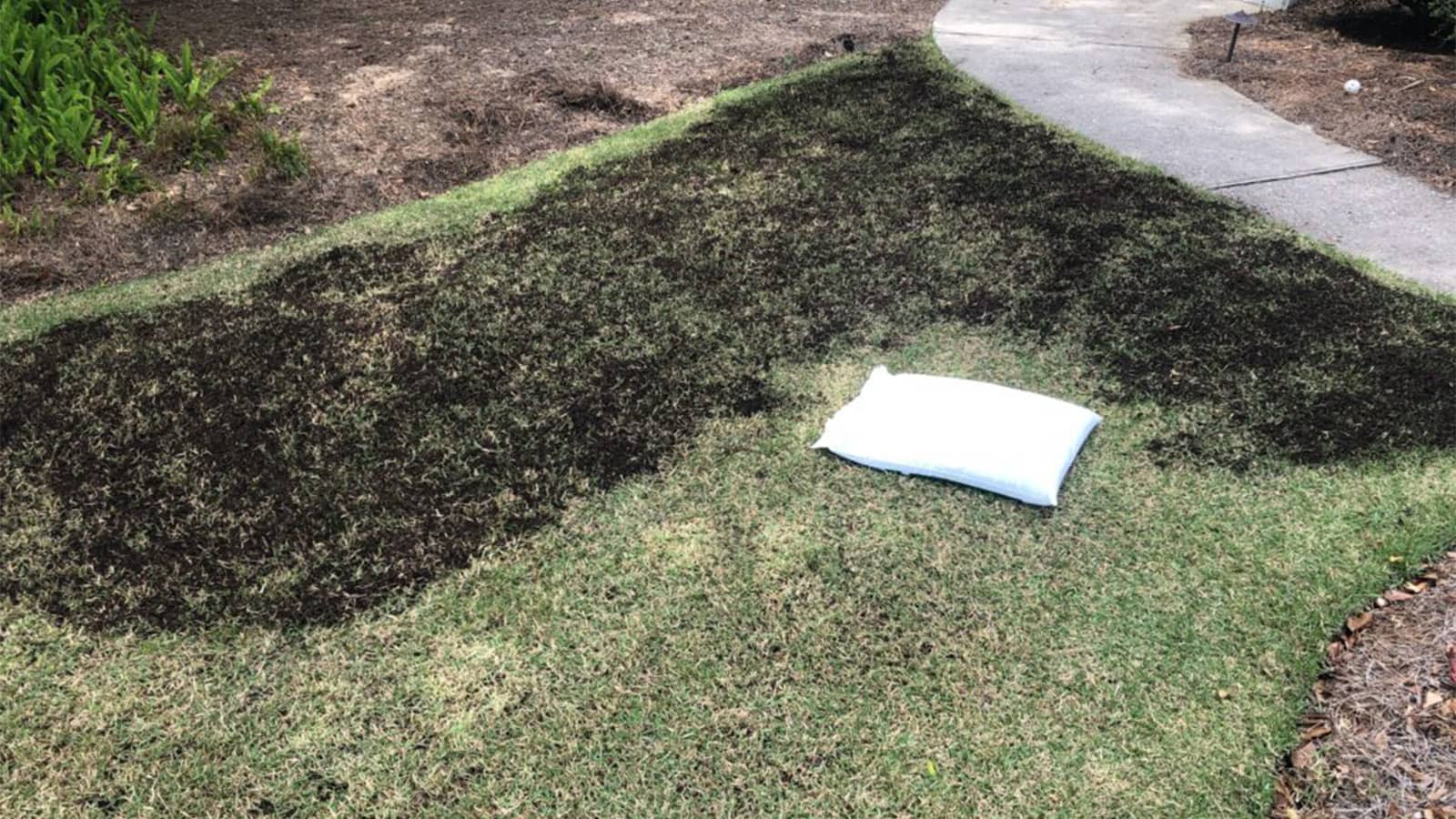
- Avoid fertilizing once your lawn is actively stressed by heat or drought—new growth requires water your lawn can’t spare during peak conditions. That said, if your grass is still healthy and the soil retains moisture, applying a light, targeted fertilizer like the Lawnifi® Summer Fertilizer Box can help build resilience ahead of the heat. Even better, Lawnifi includes a recovery formula designed to support your lawn’s comeback after stress, encouraging the return of green leaf blades and restoring overall vigor once conditions improve.
Tip #6: Mulch Grass Clippings to Retain Moisture
Instead of bagging your grass clippings, let them stay on the lawn. As they break down, they help retain moisture in the soil and give your grass a small nutrient boost—no extra fertilizer needed.
If your mower has a mulching setting, turn it on. It chops the clippings into finer pieces so they decompose quickly and evenly. Just make sure the clippings are spread out, not clumped, so they don't smother the grass underneath.
Tip #7: Shade Vulnerable Areas
Some parts of your lawn—like shallow spots or areas near hard surfaces—tend to dry out faster than others. Giving these zones a bit of extra protection can help reduce heat stress and moisture loss during the hottest parts of the day.
You can use shade cloths or lightweight tarps to cover particularly dry patches during peak sun hours. Just remember to remove them in the evening to keep air circulating and prevent mold.
If certain areas are repeatedly struggling, consider adding a thin layer of compost or quality topsoil. This can improve moisture retention and give your grass a better foundation to recover from drought.
Also take a look around your yard—objects like patio furniture, planters or even toys can create isolated hot spots. Moving them off the grass gives those areas a better chance to recover.
Tip #8: Set Up a Rainwater Collection System
A rain barrel is one of the easiest ways to make your lawn more drought-ready. Just place it under a downspout and let nature do the work—no extra plumbing or fancy tools required. You’ll capture water when it rains and have it on hand when your lawn needs a boost during dry spells.
Collecting rainwater not only cuts down on your water bill, but it also helps reduce strain on local water supplies. It’s a simple, smart solution that pays off all season long.
What You Need to Collect Rainwater
Setting up a rainwater collection system is easier than you might think, and it’s a smart way to keep your lawn hydrated during dry spells. Here’s what you’ll need:
- Catchment area: Usually your roof—it’s the surface where rainwater is first collected.
- Gutters and downspouts: These move the water from the roof to your storage setup.
- Storage container: A rain barrel, cistern or any large container that can safely hold water until you need it.
- Watering method: Use a watering can, hose or a simple drip line to distribute the stored water around your lawn.
You can build a DIY system with basic parts or buy a ready-to-go version from your local garden center. Just make sure to check your state’s rules first—some areas have restrictions on rainwater harvesting.
Tip #9: Focus on the Areas That Matter Most
When water is limited, trying to keep your entire lawn green can waste time, effort and resources. Instead, give priority to the spots that actually get used or seen the most—like the front yard, walkways, play areas or outdoor seating zones.
By concentrating your watering and care on these high-traffic areas, you can keep them looking healthy while allowing less visible sections to go dormant. It’s a practical way to stretch your water supply and still maintain curb appeal.
Tip #10: Set Realistic Expectations
Even with your best efforts, your lawn might not look perfect during a drought—and that’s okay. The key is to work with nature, not against it. Here’s what to keep in mind:
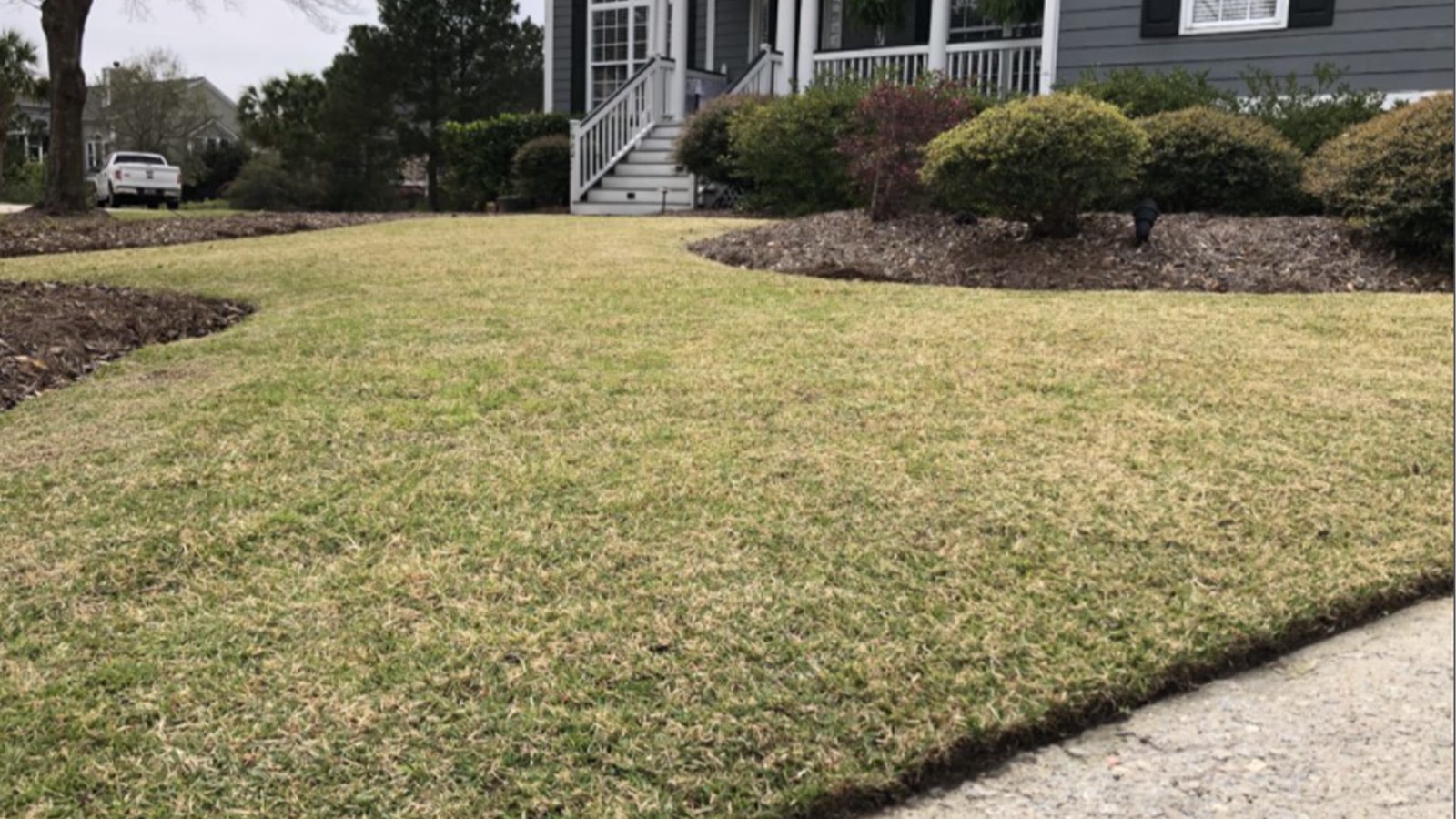
- Dormancy is normal: Many grasses naturally go dormant in dry conditions, turning brown to conserve moisture and energy. Dormant grass isn’t dead—it’s just hitting pause until the weather improves.
- Focus on what matters most: Instead of trying to keep the whole lawn green, concentrate on the areas you use or see the most—like front yards or play spaces. Let less critical spots rest and recover later.
Accepting a little browning now can save your lawn in the long run.
💡 Did you know?
Germination Rate: Grass that goes dormant isn’t dead—it’s just going into survival mode until the normal watering resumes.
Lawn Drought FAQs: What You Need to Know
A drought-tolerant lawn starts with the right grass—warm season varieties like bermuda or zoysia handle dry spells best. Deep roots, healthy soil and smart habits like mowing high and watering deeply all help your lawn stay green longer, even when rain is scarce.
Certain varieties of grasses like bermuda, bahia, buffalograss, zoysia and St. Augustine are best for drought—they tend to stay green longer with less water.
Yes! Most grasses go dormant. Focus on deep watering, reduced traffic and mulch mowing.
Yes, as long as you do it early—before severe heat and water limits kick minor or once drought conditions have ended. Use a gentle, smart fertilizer like the Lawnifi Summer Box, which strengthens roots and preps your lawn to better handle stress. Avoid feeding once your lawn shows signs of drought stress or dormancy.
How can I prepare for drought shortly? - Answered
Getting your lawn ready for drought doesn’t have to be complicated. Start by raising your mower height to keep the grass longer—that helps shade the soil and hold in moisture. Then, water less often but more deeply to build stronger roots and use a rain gauge to track how much water your lawn’s actually getting (aim for about an inch per week).
Cut back on lawn traffic, skip the fertilizer and herbicides and leave grass clippings where they fall to help lock in moisture. For extra protection, add shade to the driest spots.
These quick steps won’t make your lawn completely drought-proof, but they will give it a much better shot at staying healthy when the heat hits
Try these tips today and watch your yard stay greener, longer. For more expert lawn care guides, sign up for our seasonal newsletter.