Why Winter Storage Matters
As the weather cools and the leaves start to fall, it’s time to consider winterizing your lawn care equipment.
Properly storing your tools, mowers and fertilizers can:
- Save you time in the spring
- Prevent costly repairs
- Keep your equipment safe and effective
Here’s your complete guide to lawn mower winter storage and getting your lawn care tools ready for colder months.
Step 1: Clean Equipment Thoroughly
Cleaning your lawn mower, trimmer, blower and other tools before storage is essential to prevent rust and clogs.
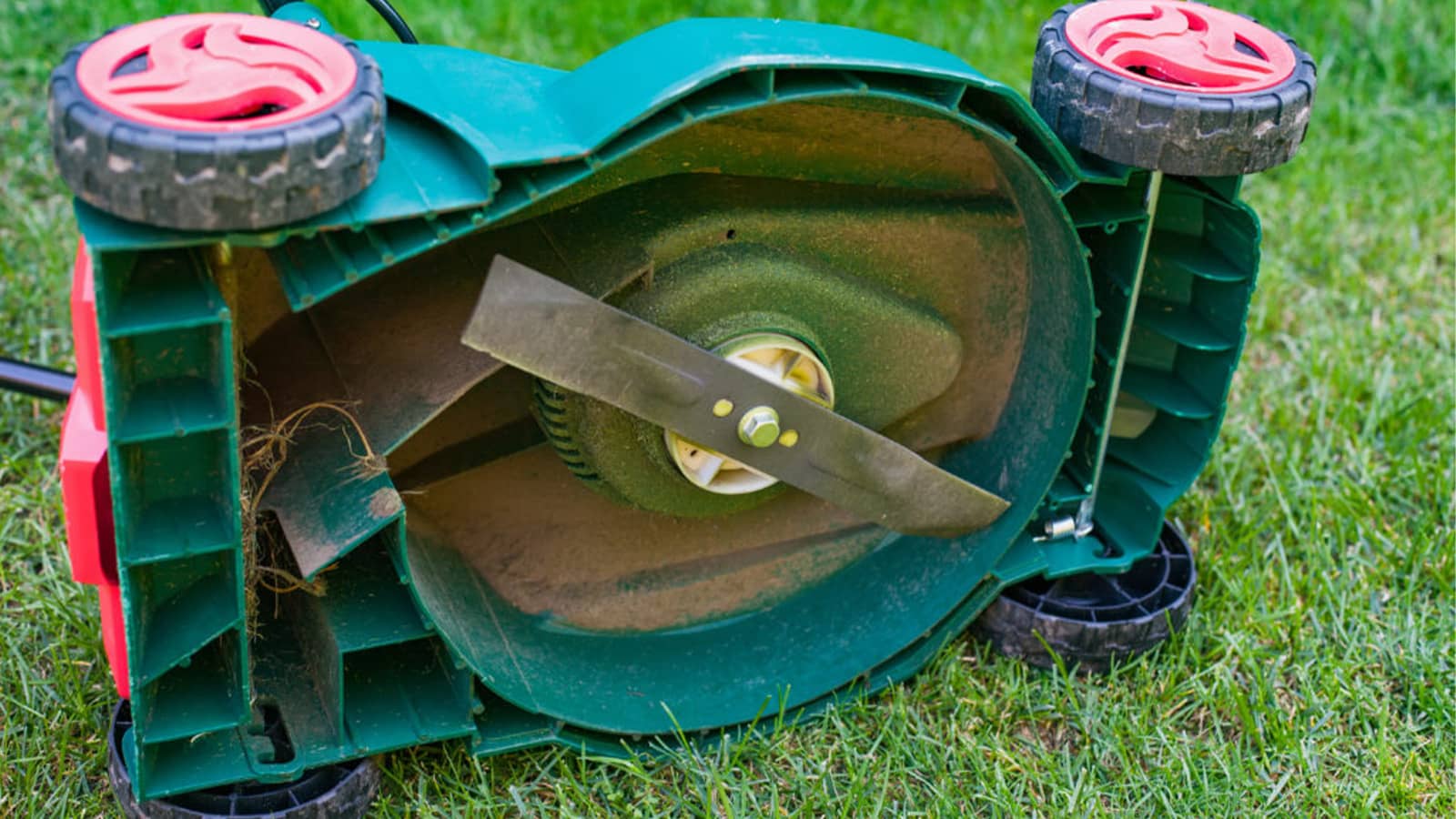
- Mowers and Blowers: Remove grass clippings, dirt and debris with a brush or cloth to prevent buildup during lawn mower winter storage.
- Hand Tools: Clean off soil and sap, then sharpen blades or replace them if needed.
- Decks and Blades: Scrape off caked-on grass from mower decks to avoid winter buildup.

Step 2: Fuel Stabilization and Engine Preparation
Gasoline degrades in as little as 30 days, which can cause major engine issues.
Options for storage:
- Add Stabilizer – Pour into gas, run engine for a few minutes to circulate
- Run Dry – Empty the tank by running until it stalls (prevents carburetor gum)
🌡️ Climate considerations:
- Cold climates – Drain fuel or add stabilizer, store in insulated space
- Mild climates – Focus on keeping equipment dry and rust-free
🔋 For battery-powered tools:
- Remove batteries and store indoors in a cool, dry place
- Avoid freezing temps and metal surfaces
- Protect against humidity in warmer regions
Step 3: Oil Changes and Lubrication
Changing the oil in your mower before storage protects the engine from corrosion and wear.
- Change the Oil: Warm up the engine slightly, drain the old oil and replace it with fresh oil according to your mower’s manual to prepare it for lawn mower winter storage.
- Lubricate Moving Parts: Apply lubricant to joints, cables and pivot points in the spring to prevent rust and ensure smooth operation.
Step 4: Blade and Belt Maintenance: (Spring vs. Winter)
While inspecting and maintaining your mower blades and belts can be done before winter storage, it's often best saved for spring to ensure optimal performance during the first mow of the season. This timing helps avoid potential rust or wear on freshly sharpened or replaced parts during winter storage.
- Blades: In the spring, sharpen or replace dull blades to ensure clean, precise cuts. If you prefer to do this before winter, consider applying a light coat of oil to prevent rust.
- Belts: Check for wear and tear; replacing any worn belts in the spring ensures your mower is ready to go when the mowing season starts without concerns about the condition of new parts after winter storage.
Step 5: Proper Storage Locations
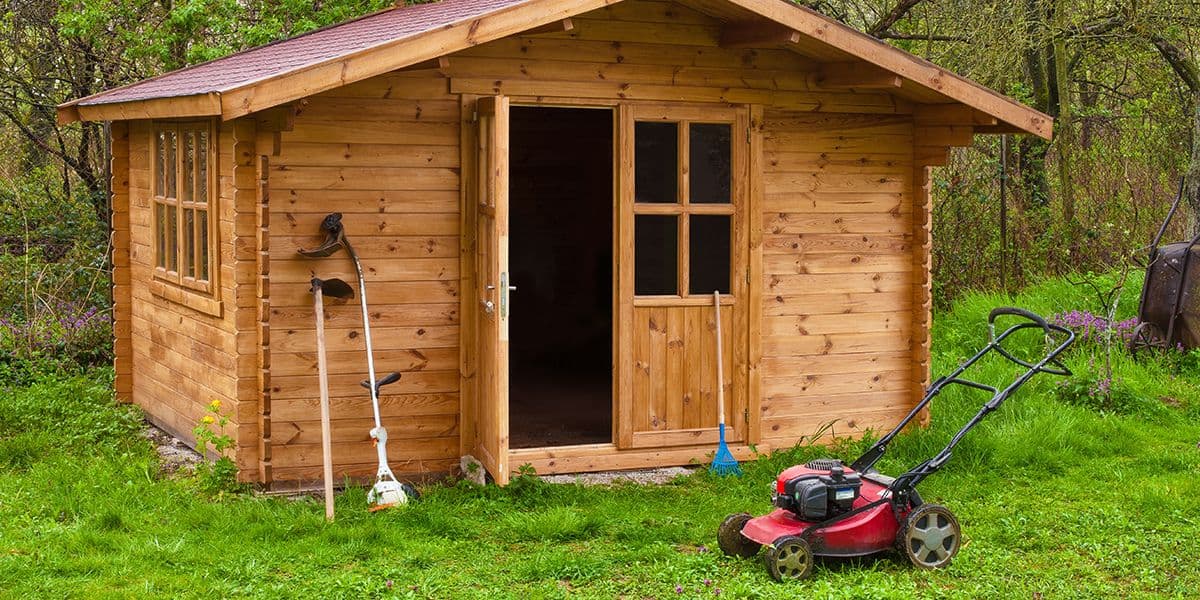
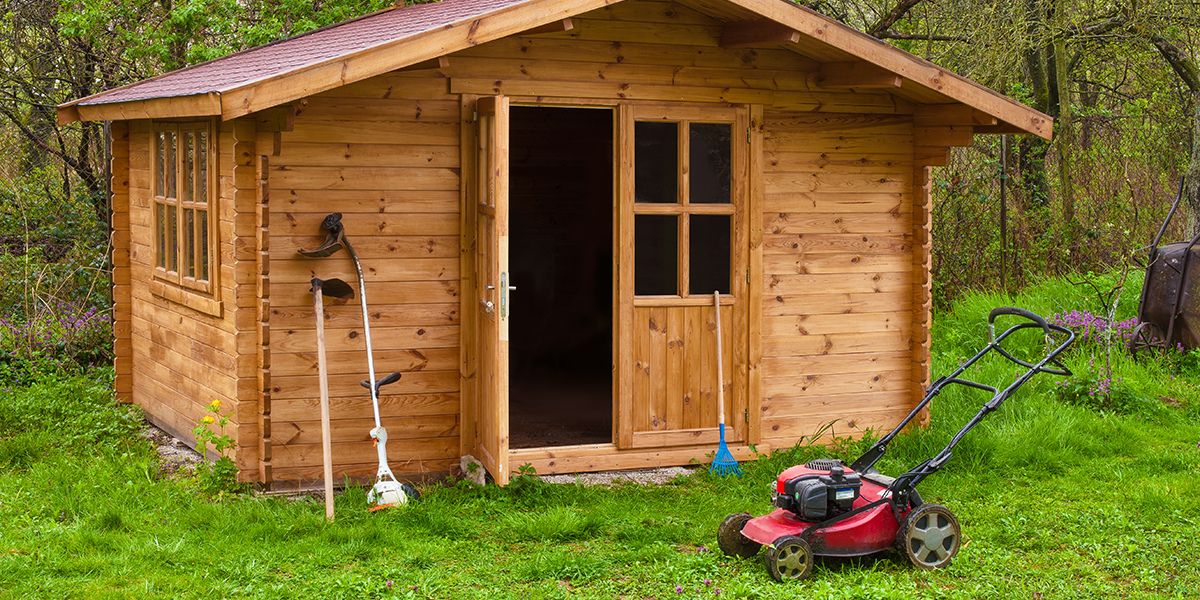
Indoor Storage (ideal):
- Garage, shed, or basement (40–90 degrees Fahrenheit)
- Use shelves, hooks or wall mounts to keep gear off the floor
Outdoor Storage (if necessary):
- Use weatherproof covers
- Store off the ground to prevent moisture damage
- Keep away from freezing temps or direct heat
Step 6: Protect Small Tools and Accessories
Small tools like pruners, spades and shears need proper care as well.
- Clean and Dry: Wipe down tools and store them in a dry place to prevent rust.
- Organize: Use tool racks, hangers or pegboards to keep items accessible and neatly stored.
- Moisture Control: Add silica gel packs to your storage area to absorb any moisture.
Step 7: Store Lawn Care Products Safely
Storing lawn care products correctly prevents waste and keeps them effective.
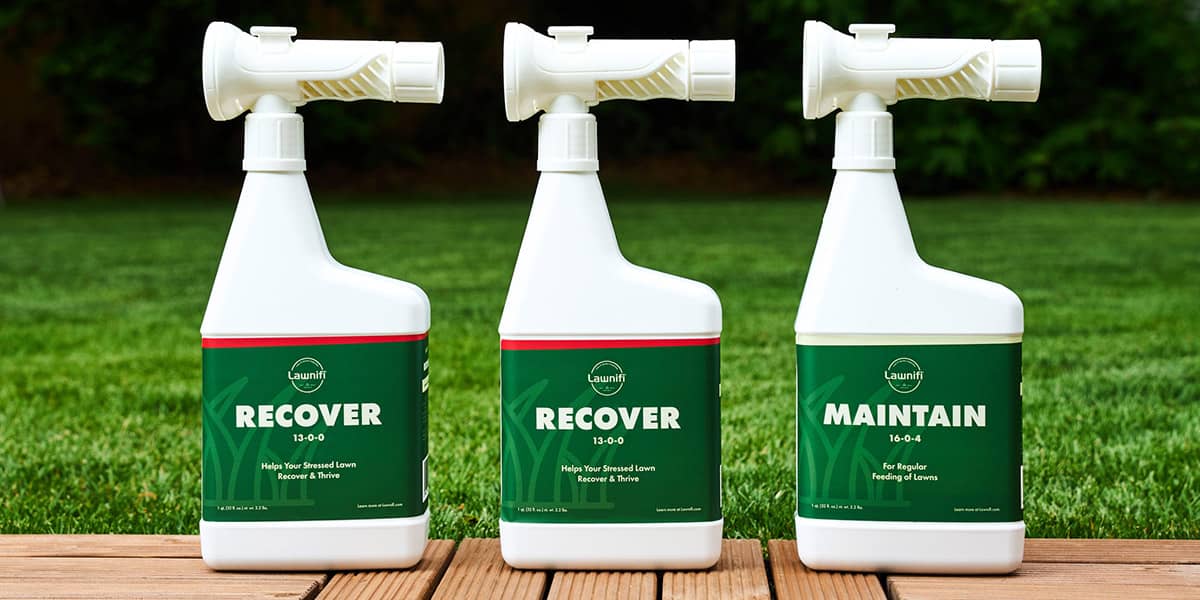
- Fertilizers: Keep them in original packaging or sealed containers, stored in a cool, dry place away from moisture.
- Grass Seed: Store in airtight containers or resealable bags to protect against moisture, pests and rodents.
- Pesticides and Herbicides: Keep in original containers with visible labels, locked away from children, pets and freezing temperatures.
Common Do’s and Don’ts
✅Do’s:
- Clean your equipment thoroughly before storing it.
- Use fuel stabilizer to protect gas-powered equipment.
- Store items in a dry, protected space away from extreme temperatures.
- Keep tools and equipment off the ground to avoid moisture damage.
- Follow your operator’s manual for maintenance and storage tips.
❌Don’ts:
- Don’t leave untreated fuel in your equipment.
- Don’t store fertilizers and chemicals near heat sources.
- Don’t leave batteries in equipment; remove and store them separately.
- Don’t skip lubricating moving parts to prevent seizing.
- Don’t forget to check the owner’s manuals or manufacturer guidelines.
Common Mistakes Homeowners Make
- Leaving equipment outside without covers
- Storing untreated fuel (clogs engines)
- Keeping fertilizers in damp areas
- Forgetting to remove batteries
- Skipping seasonal maintenance
Benefits of Proper Storage
Taking time now pays off later:
- Prolongs Equipment Life – Less wear, less rust
- Saves Money – Fewer repairs and replacements
- Smooth Spring Startup – Ready to go when mowing season begins
- Improves Safety – Fewer risks of fire, spills, or chemical accidents
Safety Tips for Winter Storage
- Keep gear away from flammable materials
- Unplug tools and machines before storing
- Ensure ventilation in storage areas
- Lock away products from children and pets
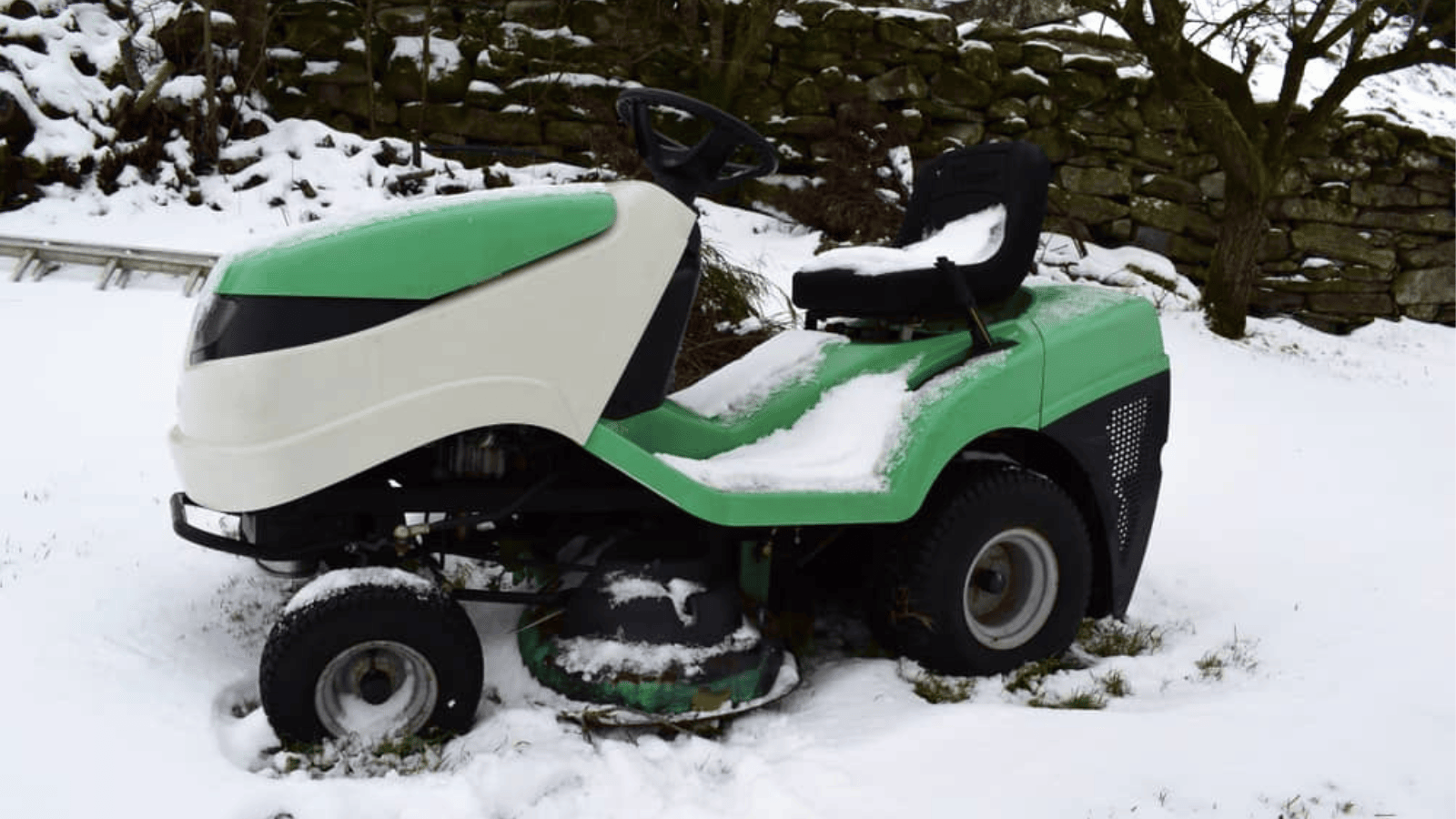
Quick Answer: How to Store Lawn Equipment for Winter
- Clean all tools and mowers
- Add fuel stabilizer or run engines dry
- Change oil and lubricate parts
- Remove and store batteries indoors
- Sharpen blades and check belts (now or in spring)
- Store equipment indoors or cover if outdoors
- Keep fertilizers, seeds and chemicals dry and safe
Final Takeaway
With just a little effort now, you’ll:
- Save money
- Avoid spring headaches
- Extend the life of your tools
Proper storage means your equipment is ready to hit the ground running when spring returns—keeping your yard looking its best all season long.