Winter storms and freezing temperatures can cause significant damage to lawns, leaving homeowners wondering how to restore their yards. Whether your lawn is covered in snow, hit by frost or facing icy conditions, there are steps you can take to help it recover and thrive again in the spring.
If your area recently experienced a freeze, follow this guide to asses your lawn's condition and being the recovery phase.
1. Check for Signs of Life
Before starting any major lawn recovery efforts, it’s essential to determine if the damage is temporary or permanent. Here’s how you can tell:
Look for Green Blades: Brush away some of the dead grass to check for any remaining green blades. Even small patches of green indicate that your lawn can recover. If there’s no green at all and the roots are brown and brittle, your lawn may be beyond repair, and you’ll need to consider laying new sod.
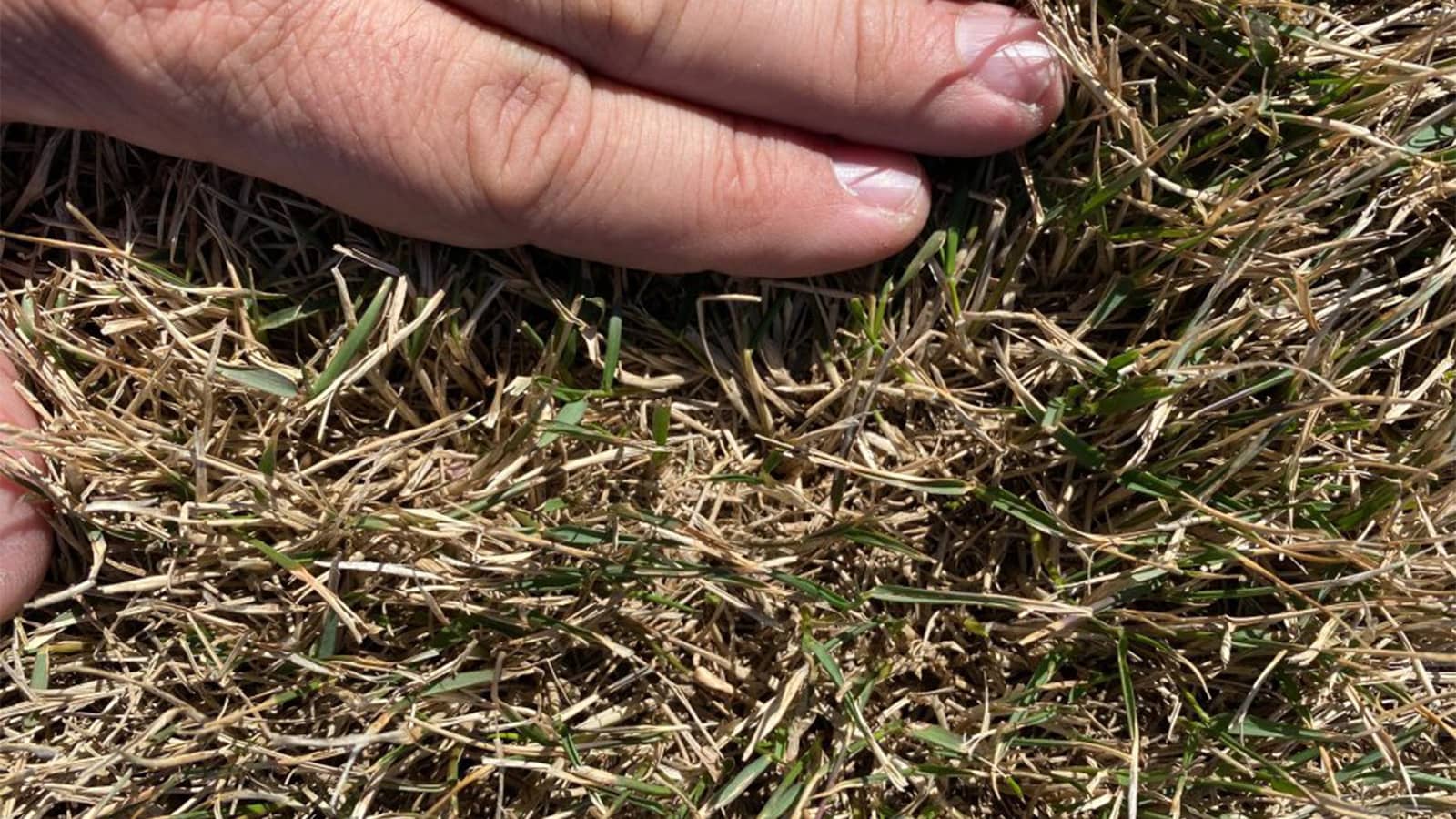
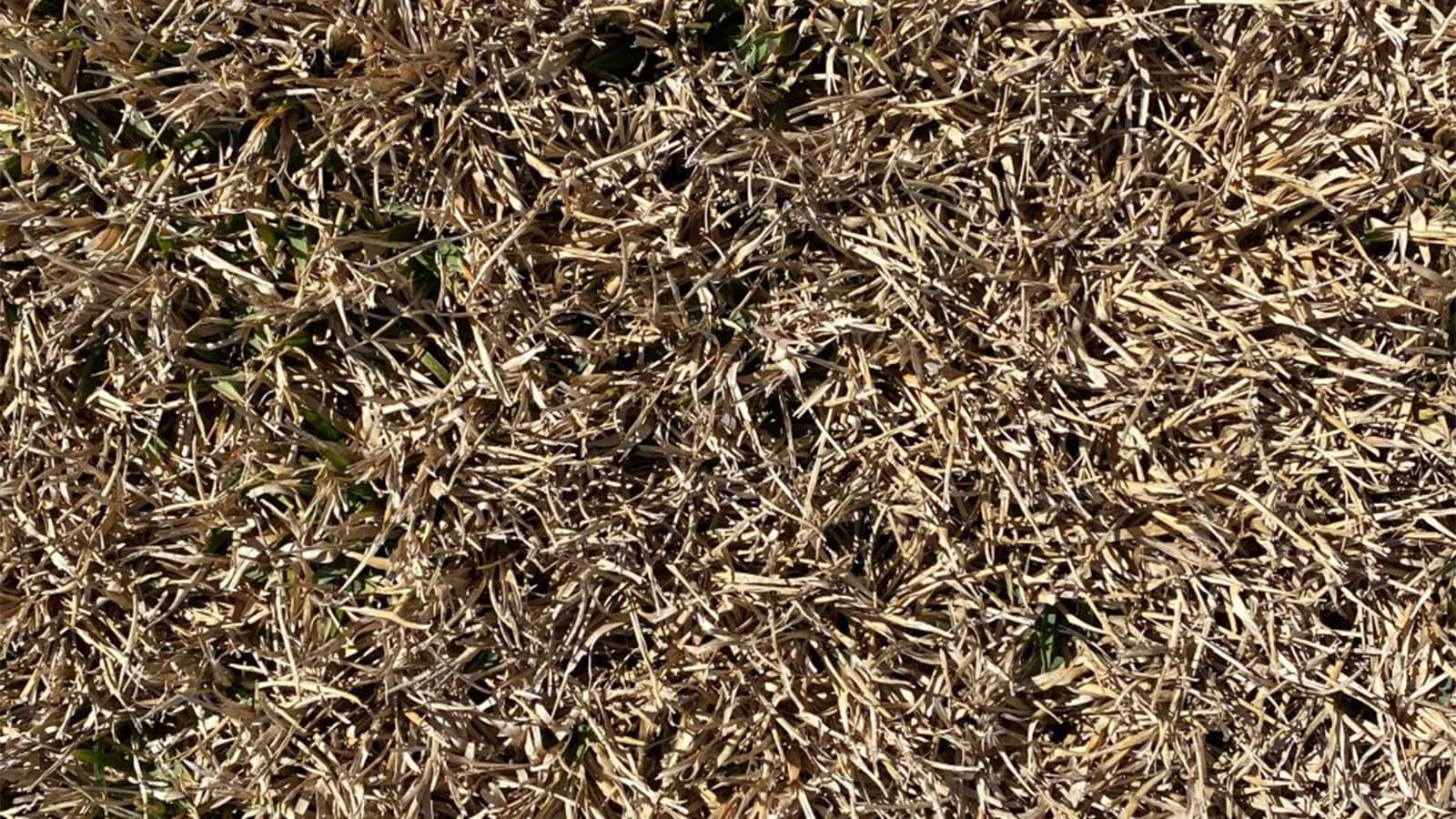
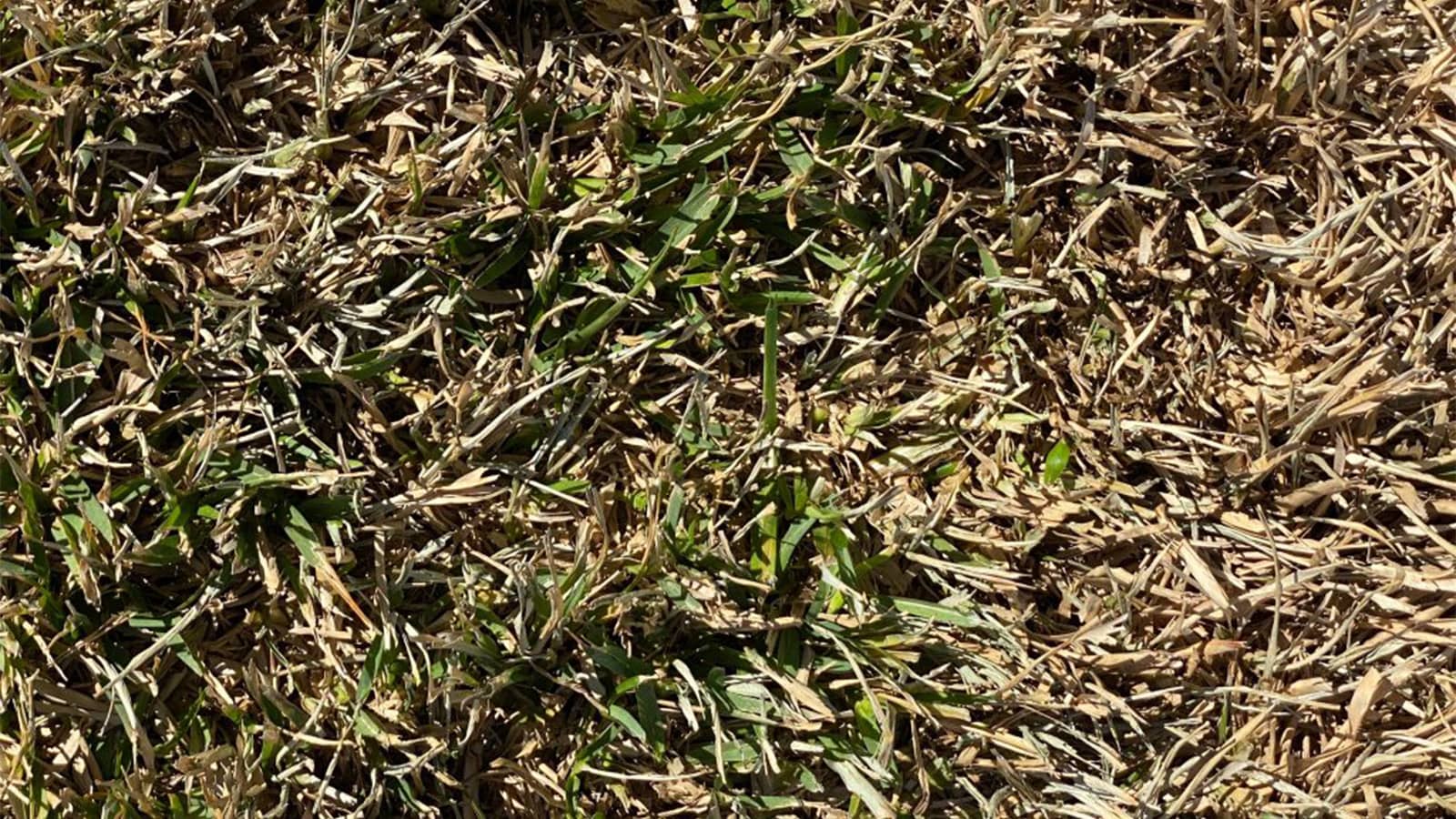
Pictured above from left to right: Two photos of green peeking out of damaged zoysia and a photo of green peeking out of damaged St. Augustine.
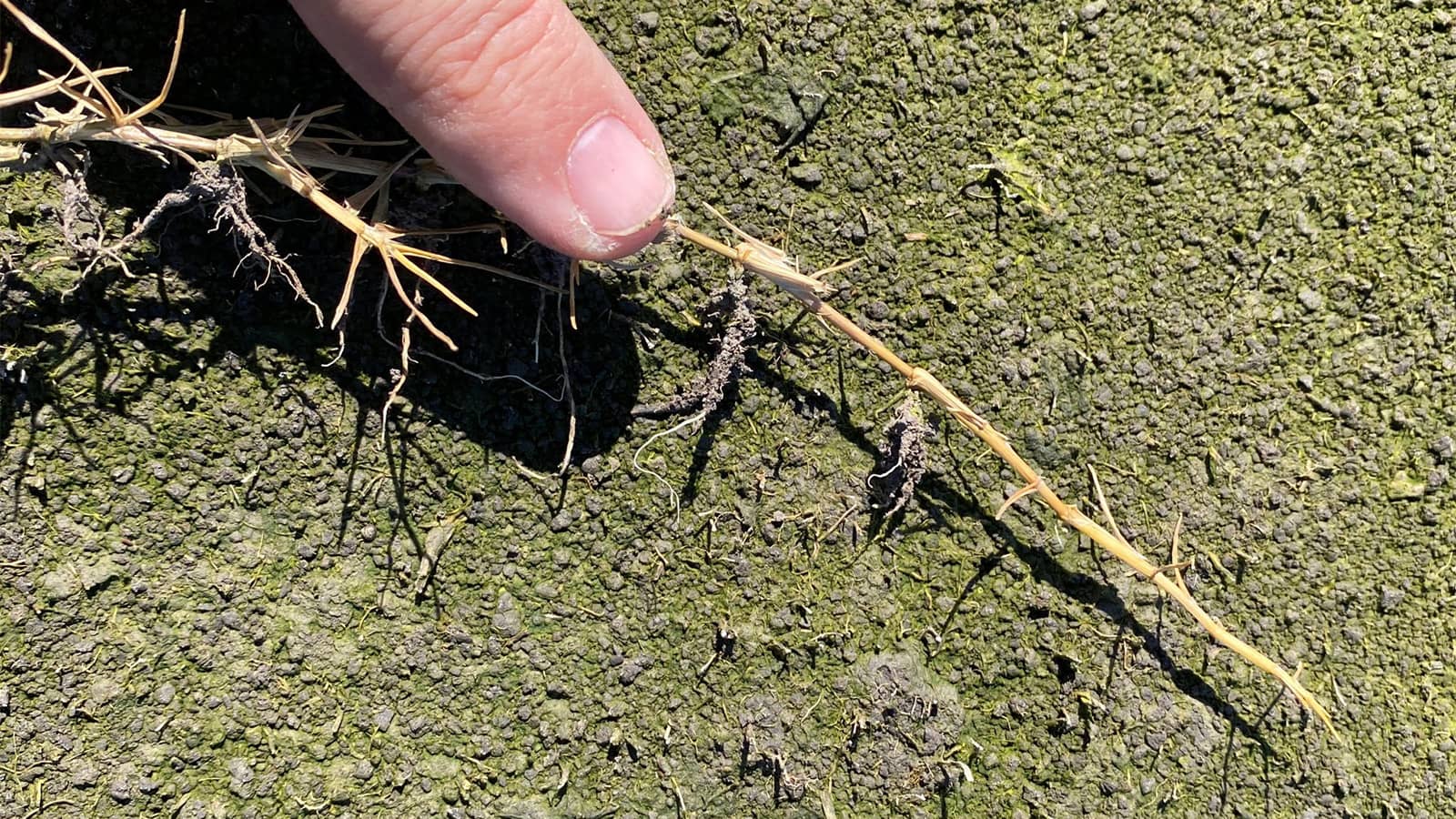
Examine the Roots: Head to the edges of your yard, near driveways or sidewalks, and gently pull up a few grass rhizomes. Look for small, white, hairy roots clinging to the soil. If you find these healthy roots, it’s a sign that your grass is still alive and capable of recovery.
2. Mow and Clean Up
If your lawn is showing signs of life, the next step is to mow and clean up the damaged areas. Set your mower to the lowest setting and remove the dead material from the lawn. Be careful not to remove more than a third of the grass at a time—if the dead material is thick, it’s best to mow in stages. Mow once to remove the top layer, then again to cut the grass down further. Make sure to bag all clippings to avoid suffocating your lawn.
3. Water Your Lawn
After mowing, it’s important to rehydrate your lawn. Water deeply, once a week for about 30 minutes. If your area is especially dry, consider watering twice a week for the same duration. Regular watering will help encourage new growth and keep your grass hydrated during its recovery period.
4. Apply Fertilizer
Once your lawn has been watered consistently for a few weeks and you begin to see new green growth, it’s time to apply fertilizer. Use a spring fertilizer, such as Lawnifi’s Spring Fertilizer Box, which provides essential nutrients to support your lawn’s recovery. It’s important to wait until after a few weeks of watering before applying fertilizer—doing so too early can prevent your grass from properly absorbing the nutrients.
5. Repair Bare Patches
If parts of your lawn have suffered more severe damage and are left with bare patches, you can repair these areas by planting grass seed or grass plugs. When filling in bare spots, it’s important to match the type of grass you already have to avoid an inconsistent appearance.
- St. Augustine: Use St. Augustine plugs, as there is no St. Augustine seed available.
- Zoysia: Zoysia seed is rare, so it’s best to use Zoysia plugs or Centipede seed as an alternative.
- Bermuda: Bermuda grass seed or plugs work well to fill in gaps in a Bermuda grass lawn.
- Tall Fescue: Use seed to fill in damaged areas.
- Kentucky Bluegrass: Use seed to fill in any bare or damaged spots.
Matching your new grass to the existing variety ensures that your lawn looks uniform once it recovers.
6. Consider Installing New Sod
If your lawn was completely destroyed by the winter storm, now may be the perfect time to start fresh with new sod. Installing new sod will give you an instantly green lawn once it’s laid down, and it will establish quickly.
If you’re considering new sod, make sure to choose the right type for your region and follow best practices for installation.
How to Revitalize Your Lawn After a Freeze - Answered
Recovering your lawn after a freeze takes time and care, but with the right steps, your yard can bounce back. Start by checking for signs of life, then move on to mowing, watering, and fertilizing. If necessary, repair bare spots or install new sod to bring your lawn back to its full, green glory. With patience and attention, your lawn will be thriving again in no time.