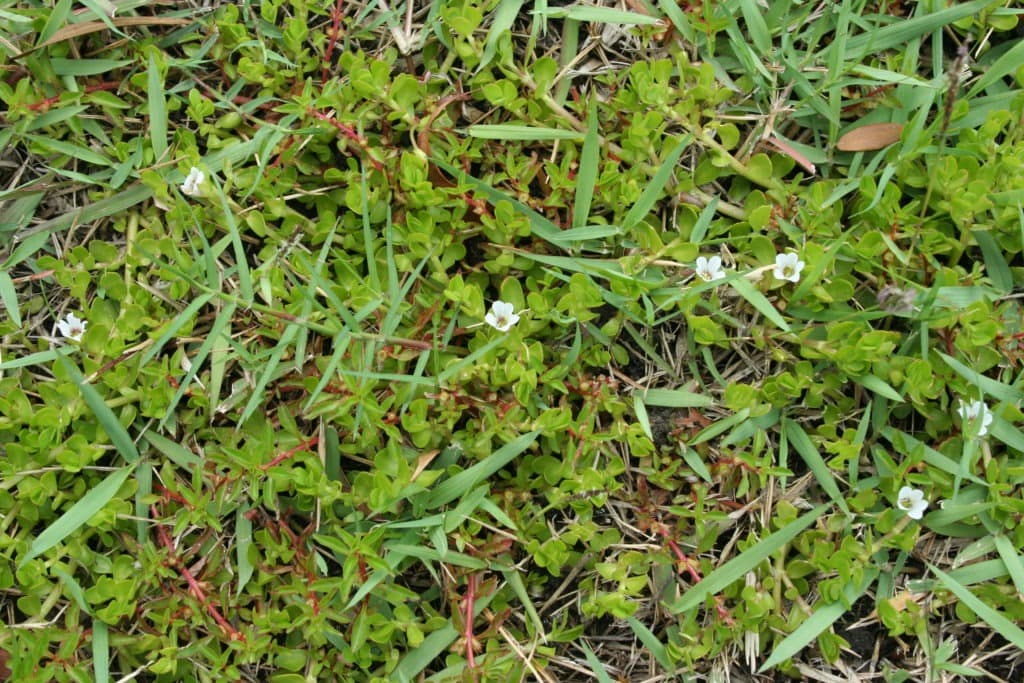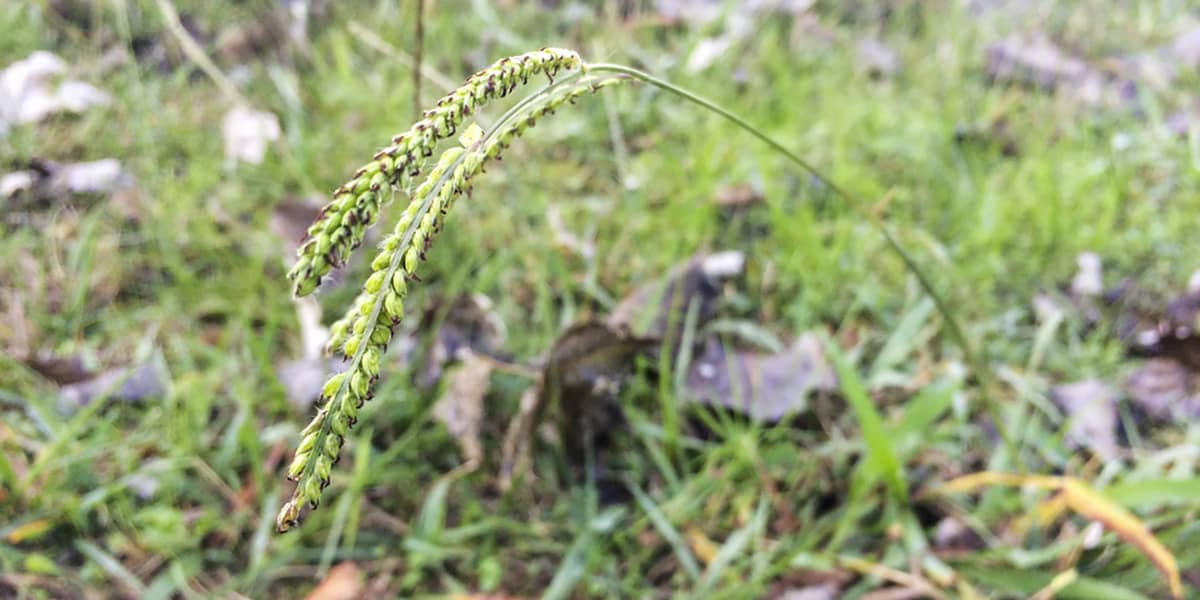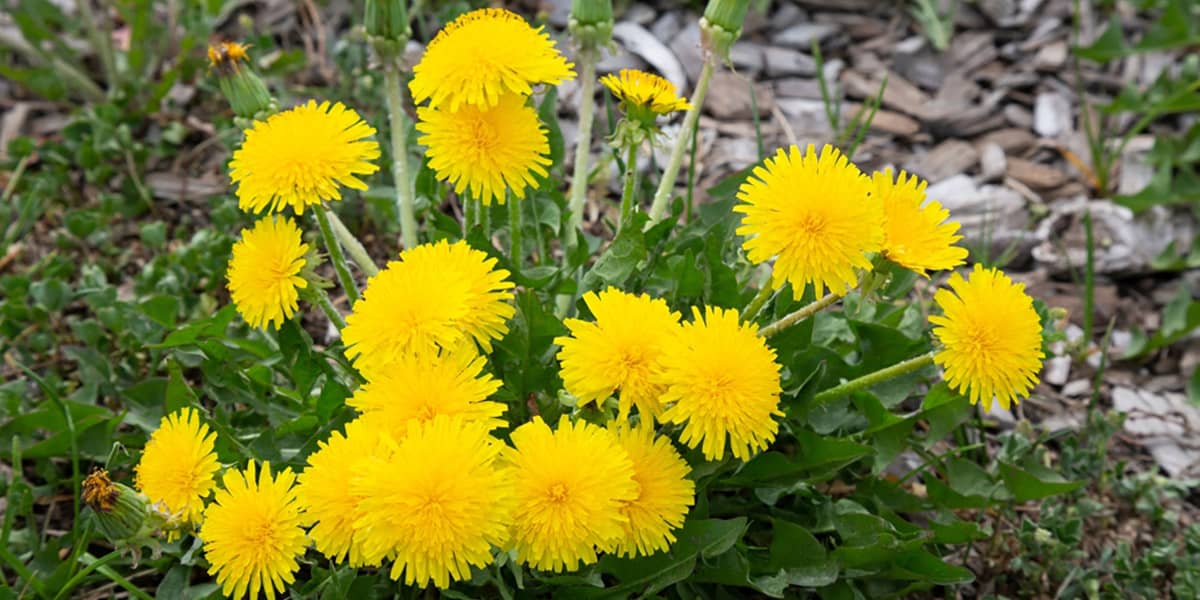
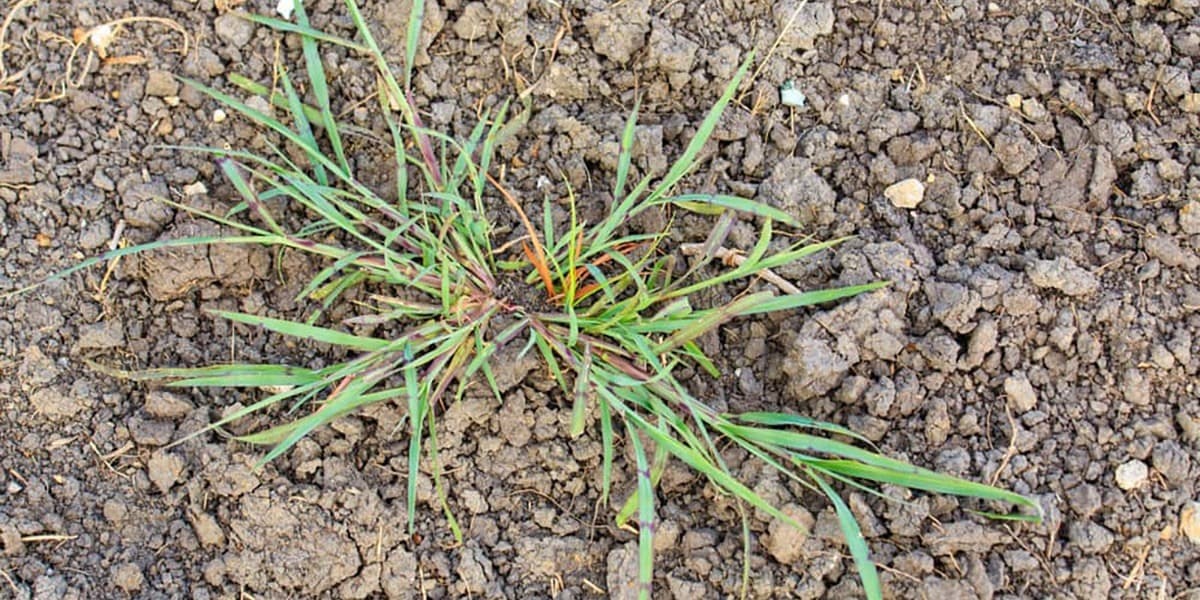
Crabgrass is a common and persistent weed that can quickly take over your lawn if not correctly managed. It thrives in warm weather, typically germinating in late spring or early summer when soil temperatures reach 55 to 60 degrees Fahrenheit. Dimension 2EW Herbicide (active ingredient dithiopyr) is the best choice for crabgrass prevention.
To prevent crabgrass from becoming a recurring problem, follow these strategic prevention techniques explicitly tailored to crabgrass control.
Maintain a Healthy Lawn: Your First Defense Against Crabgrass
A strong, healthy lawn is your best defense against crabgrass. Maintaining dense and robust grass reduces the opportunity for crabgrass seeds to germinate and grow. Implement these cultural practices to create an unfavorable environment for crabgrass:
Regular Mowing at Proper Height
Crabgrass prefers short grass where it can spread quickly. Mowing your lawn at the recommended height for your grass type helps shade the soil, preventing sunlight from reaching crabgrass seeds and reducing their chances of germination.
Avoid scalping your lawn; cutting grass too short can stress your turf and create the perfect environment for crabgrass to take root.
Proper Irrigation Practices
Watering deeply but infrequently encourages deep root growth in your turf, helping it stay healthy and crowd out crabgrass. Avoid shallow, frequent watering, as this can stimulate weed growth.
Crabgrass thrives in dry, compacted soil, so proper irrigation also helps maintain moist, healthy soil where crabgrass struggles to establish itself.
Appropriate Fertilization
A well-fertilized lawn is better equipped to resist weed invasions. Fertilizing at the correct times, especially before the crabgrass germination season, promotes thick, lush grass that leaves little room for crabgrass to grow.
Avoid fertilizing in the summer, as crabgrass thrives in hot, dry conditions and feeding your lawn during this time can encourage weed growth.
Conduct a Soil Test: Improve Lawn Health from the Ground Up
Conducting a soil test is an essential step in crabgrass prevention. Understanding your soil’s pH and nutrient levels allows you to make necessary adjustments that promote healthy grass and discourage weed growth.
pH Balance
Crabgrass prefers nutrient-poor soil. Adjusting your soil’s pH to suit your grass type will help create more favorable conditions for lawns and less conducive to crabgrass growth.
Nutrient Management
Based on your soil test results, apply fertilizers like Lawnifi or soil amendments to correct deficiencies and strengthen your lawn’s ability to outcompete crabgrass. A healthy lawn with optimal nutrient levels is more resilient and less likely to allow crabgrass to take over.
Use Crabgrass Pre-Emergents Before Weeds Appear
One of the most effective methods for preventing crabgrass is applying a crabgrass pre-emergent weed control. This method stops weed seeds from germinating before they have a chance to grow. Timing is crucial for pre-emergent weed control products.
When to Apply Crabgrass Preventer
Apply a pre-emergent weed control products in early spring before soil temperatures consistently reach 55 degrees Fahrenheit, when crabgrass seeds begin to germinate. Monitor soil temperatures to ensure the weed control is applied at the right time. Pre-emergent weed controls create a chemical barrier in the soil, preventing crabgrass seeds from sprouting.
Best Pre-Emergent for Crabgrass
Dimension 2EW Herbicide (active ingredient dithiopyr) is a popular choice for crabgrass prevention. It has a long-lasting effect and can even kill seeds germinating later in the season. Prodiamine-based weed controls are also highly effective for controlling crabgrass before it appears. Make sure to follow the product label for proper application rates and timing.
Strengthen Your Lawn with Dense Turf Varieties
Introducing grass varieties that naturally form dense, thick turf is another effective strategy to prevent crabgrass. Dense lawns shade the soil, making it difficult for crabgrass seeds to receive the light they need to germinate.
Recommended Turf Varieties
Warm season grasses such as bermuda, zoysia and St. Augustine are excellent choices for preventing crabgrass. These varieties grow densely, leaving little room for crabgrass to take root. Tall fescue and Kentucky bluegrass can help crowd out crabgrass and provide a lush, resilient lawn for cool season lawns.
Non-Chemical Crabgrass Prevention
In addition to chemical control, there are several non-chemical methods to prevent crabgrass from becoming a problem in your lawn:
Increase Mowing Height
Raising your mowing height to 3-4 inches helps keep the soil cooler and prevents sunlight from reaching crabgrass seeds. This simple practice significantly reduces the chances of crabgrass germination.
Deep Watering
Water your lawn deeply but less frequently to promote healthy turf root growth, making your lawn more resistant to crabgrass. Shallow watering can encourage weed seeds to sprout.
Avoid Summer Fertilization
Fertilize your lawn before the crabgrass germination period in early spring. Summer fertilization can provide crabgrass with the nutrients it needs to thrive.
Common Mistakes to Avoid in Crabgrass Prevention
To effectively prevent crabgrass, it’s essential to avoid some common mistakes:
Skipping Pre-Emergent Application
Timing is critical for pre-emergent weed control applications. Applying them too late in the season renders them ineffective after the crabgrass seeds have germinated. Apply pre-emergent weed control products before soil temperatures reach 55-60 degrees Fahrenheit.
Mowing Too Short
Crabgrass thrives in short, stressed lawns. Keep your grass at the recommended height to create shade and prevent crabgrass from establishing.
Overwatering or Shallow Watering
Frequent, shallow watering creates ideal conditions for crabgrass to grow. Water deeply and infrequently to maintain strong grass roots that can outcompete crabgrass.
How to prevent crabgrass - Answered
To prevent crabgrass, maintain a healthy, dense lawn by mowing at the correct height, watering deeply but infrequently and fertilizing appropriately. Apply pre-emergent weed control in early spring before soil temperatures reach 55°F to stop crabgrass seeds from germinating.
Conduct a soil test to ensure proper pH and nutrient levels for optimal lawn health.