
As a storm is headed your way, it's crucial to take proactive steps to safeguard your lawn and yard. Preparing before the storm hits can significantly reduce the risk of damage to your property and help your landscape recover more quickly afterward.
Storms can bring strong winds, heavy rain and flooding, which can wreak havoc on your yard if proper precautions aren’t taken. By following these steps, you'll be well on your way to protecting your outdoor space before the storm arrives.
Assessing Your Yard
Survey the Landscape
✅ The first step in preparing for a tropical storm is to walk through your yard and assess the area for potential hazards. Look for weak branches, loose items and vulnerable areas that could be affected by strong winds or heavy rainfall.
✅ It's also important to note any drainage issues or low-lying areas prone to flooding during the storm. Addressing these areas now can prevent standing water from accumulating, which can lead to further lawn damage. You can level out these low spots by adding compost or topsoil, improving water absorption and reducing the risk of waterlogging during heavy rain.
Check for Dead or Dying Trees
✅ Dead or weak branches are particularly susceptible to breaking during high winds, which can pose a significant risk to your home and property. Inspect your trees and shrubs carefully and remove dead or weakened branches.
Securing Outdoor Items
Remove or Secure Furniture and Decor
✅ One of the most important steps in preparing for a storm is to remove or secure outdoor furniture and decor. Lightweight items like patio furniture, garden ornaments, and toys can become dangerous projectiles during a storm. Bring these items indoors or store them in a shed or garage.
✅ For oversized items like grills, outdoor equipment, large children’s toys (e.g., trampolines, mobile playhouses), secure them with bungee cords, heavy-duty straps or sandbags to prevent them from being moved by the wind. Trampolines can be particularly hazardous during storms; anchor them securely to the ground using trampoline anchors or weigh them down with sandbags at each leg.
Protect Potted Plants
✅ Potted plants are especially vulnerable during a storm. Move them indoors or to a sheltered area to protect them from being damaged by wind or heavy rain.
✅ If bringing them indoors isn't an option, consider placing them where they will be less exposed to the elements.
Prepare Your Pool
✅ Clear the pool area of any loose items such as pool toys, floats, and removable ladders. Store these items indoors to prevent them from becoming dangerous projectiles.
✅ To prevent electrical damage, turn off the power to your pool pump, filter, and other electrical equipment before the storm arrives. Cover the equipment with a waterproof tarp if possible.
✅ If a severe storm or hurricane is expected, consider lowering the pool's water level slightly. However, do not drain the pool completely, as this can cause damage due to ground pressure changes during heavy rainfall.
Secure Fences and Gates
✅ Inspect your fence for loose or damaged panels, posts, or boards. Re-nail or secure any pieces that are not stable to prevent them from being torn off or damaged further by high winds.
✅ Ensure all gates are fully latched and locked to prevent them from being blown open during strong winds. If your gate is not secure, consider adding a temporary strap or brace.
Preparing Your Lawn
Mow the Lawn
✅ Before the storm arrives, mow your lawn slightly shorter than usual. This will help minimize damage from heavy rain and reduce the amount of debris that could be scattered by the wind.
✅ Additionally, rake up any leaves, twigs or lawn clippings to prevent them from clogging drains or contributing to the mess after the storm.
Apply Fertilizer (Optional)
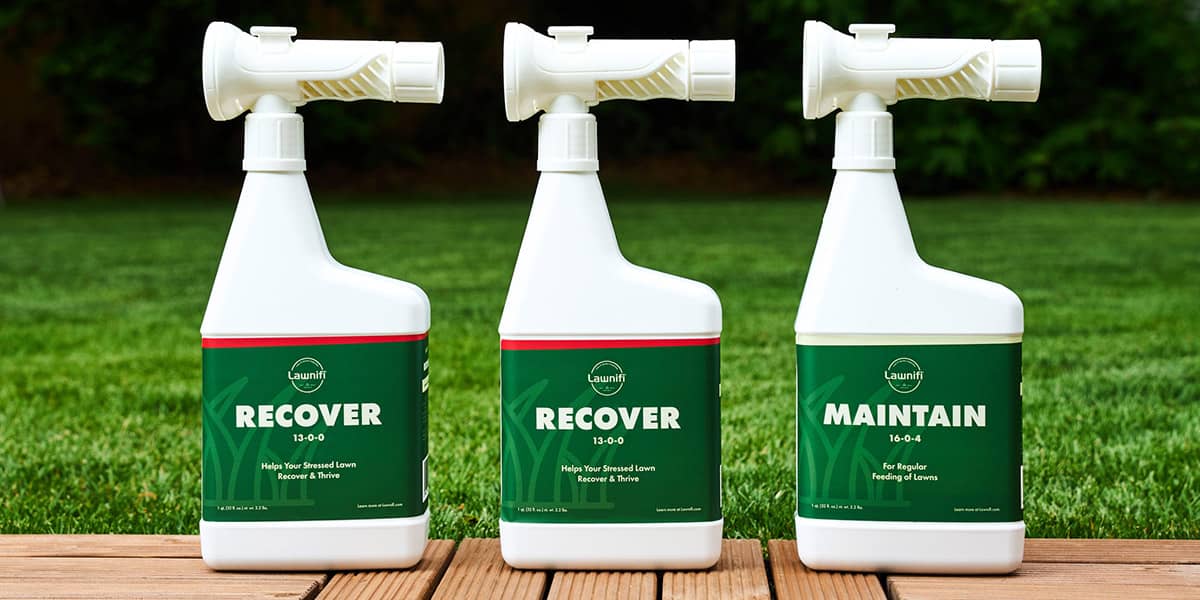
✅ If you have ample time before the storm, consider applying a slow-release fertilizer, like Lawnifi Foundation to your lawn. This can help strengthen your lawn's root system, making it more resilient to the heavy rainfall often accompanying tropical storms. However, this step should be done well in advance to allow the fertilizer to take effect.
Special Considerations for New Lawns
If you've just laid sod, plugs, or seeded your lawn within the last few weeks, your lawn is particularly vulnerable to storm damage. Young grass hasn’t had time to establish strong roots, making it more susceptible to being washed away, flooded, or damaged by heavy rain and wind. Here’s how you can protect your new lawn before a storm:
Protect Newly Laid Sod or Plugs
✅ Water Sparingly Before the Storm: While it’s essential to keep new sod and plugs well-watered, reduce watering in the days leading up to a storm. This helps avoid over-saturating the soil, which can lead to sod slipping or plugs being uprooted during heavy rain.
✅ Anchor the Edges: Use landscape staples or biodegradable stakes along the edges of newly laid sod or plugs. This will help keep the grass in place if heavy rain or wind occurs.
✅ Avoid Walking on the New Lawn: Limit foot traffic on your new lawn before the storm, as this can compact the soil and make it harder for water to drain properly.
Safeguard New Seedlings
✅ Cover with Burlap or Straw: If you’ve recently seeded your lawn, lightly cover the area with burlap, straw, or a similar breathable cover. This will help protect the seeds from being washed away by heavy rain while still allowing water to reach them.
✅ Create Temporary Barriers: Place temporary barriers, like sandbags or low landscape edging, around seeded areas, especially on slopes, to help minimize seed movement and soil erosion during a storm.
✅ Inspect After the Storm: After the storm passes, promptly inspect your lawn for any signs of erosion, pooling, or displaced sod/plugs. Rake and re-seed any bare spots, and press down sod or plugs that may have lifted.
Tree and Shrub Maintenance
Prune Trees and Shrubs
✅ Pruning your trees and shrubs is an essential part of storm preparation. Trim back any overgrown branches, especially those near your home or power lines, to reduce the risk of damage.
✅ Focus on removing dead wood and thinning out the canopy of your trees to allow wind to pass through more easily, reducing the likelihood of branches breaking.
Stake Young or Newly Planted Trees
✅ Young trees are particularly vulnerable to strong winds. Secure them with stakes to help them withstand the storm.
✅ Use flexible ties that allow the tree to move slightly in the wind without damaging the trunk.
Drainage and Water Management
Clean Gutters and Downspouts
✅ Proper drainage is crucial when preparing for a storm. Ensure your gutters and downspouts are clear of debris to allow water to flow away from your home and yard.
✅ Direct downspouts away from your foundation and into areas where water can drain safely, reducing the risk of flooding.
Check and Clear Drains and Ditches
✅ Inspect yard drains, ditches and stormwater runoff areas to ensure they are free of blockages.
✅ Consider adding gravel or other materials to improve drainage in problem areas, which can help prevent water from pooling and causing damage during the storm.
Turn Off Irrigation Systems
✅ If you have an irrigation system, turn it off before the storm arrives. Running the system during or immediately after heavy rainfall can lead to waterlogged soil and increase the risk of lawn and plant damage.
Check Rain Barrels or Water Collection Systems
✅ Inspect rain barrels and other water collection systems to ensure they are not full before the storm. Empty them if necessary to prevent overflow, which could cause localized flooding around your home. Securing the barrels will also prevent them from tipping or being moved by strong winds.
How to Prepare Your Yard for a Storm - Answered
Taking proactive steps to prepare your lawn and yard before a tropical storm hits is essential for minimizing damage and ensuring the health of your landscape. By assessing your yard, securing outdoor items, preparing your lawn, maintaining trees and shrubs, managing drainage and protecting your garden, you'll be well-prepared to weather the storm.
Regular preparation during storm season is the key to maintaining a resilient and beautiful yard. By following these guidelines for preparing for a tropical storm, you can help protect your property and reduce the impact of severe weather on your outdoor space.