When a hurricane is approaching, it's important to take serious steps to protect your yard and property. Hurricanes can bring destructive winds, heavy rain and flooding, which can wreak havoc on your outdoor spaces.
By preparing in advance, you can minimize damage and ensure that your home and landscape are as secure as possible. Here are the key actions you should take to safeguard your yard before a hurricane strikes.
Evaluating Your Yard for Risks
1. Survey the Landscape for Hazards
Take a walk through your yard and identify any potential risks. Look for weak or damaged branches, overgrown trees, or unsecured items that could become dangerous projectiles in high winds. Additionally, assess any low-lying areas prone to flooding and address these to prevent water accumulation and erosion.
2. Assess Tree Health
Trees can be particularly dangerous during hurricanes, with strong winds easily snapping weak or dying branches. Have dead limbs removed, and if necessary, consider removing any trees that pose a threat to your home.
For complex assessments, hiring a certified arborist can ensure that your trees are properly pruned and secure.
Securing Loose Items
1. Bring Lightweight Items Indoors
One of the most critical steps in preparing for a hurricane is to secure or remove anything that could be picked up by strong winds. Move lightweight furniture, garden tools, children’s toys, and decorations indoors. These objects can cause serious damage if blown into your home or neighboring properties.
2. Anchor Heavy Objects
For larger items that cannot be easily moved, such as grills, lawn equipment, or trampolines, use heavy-duty straps, bungee cords, or sandbags to secure them to the ground. Trampolines, in particular, need to be anchored well to prevent them from becoming airborne.
3. Reinforce Fences and Gates
Check your fences and gates for any signs of instability. Secure loose panels and make sure all gates are locked or latched to prevent them from swinging open in strong winds.
4. Pool Area Safety
Remove pool accessories such as floats, ladders, and toys, and store them inside. Additionally, shut off the power to pool pumps and filters to prevent electrical damage. Consider covering equipment with a waterproof tarp for added protection.
Preparing Your Lawn
1. Mow Your Lawn
Before the hurricane arrives, mow your lawn slightly shorter than usual. This reduces the amount of debris that could be scattered by the wind and helps prevent damage from standing water.
2. Minimize Watering
Avoid overwatering your lawn in the days leading up to the hurricane. Saturated soil is more prone to erosion and can increase the risk of lawn damage. Newly planted sod or grass should be watered sparingly to prevent soil instability.
3. Secure New Sod or Seedlings
If you have recently laid new sod or planted seedlings, secure them with landscape staples to prevent them from being uprooted by heavy rain. Consider using breathable coverings like burlap to protect freshly seeded areas.
Maintaining Trees and Shrubs
1. Prune Overgrown Trees
Trim back overgrown branches, especially those close to your home or power lines. A thinner canopy allows wind to pass through more easily, reducing the chance of trees being uprooted.
2. Support Young Trees
Newly planted or young trees are particularly vulnerable during hurricanes. Use stakes and flexible ties to give them extra stability. Make sure the ties allow for some movement to prevent damage to the trunk.
Managing Drainage and Water Flow
1. Clean Gutters and Downspouts
Ensure your gutters and downspouts are free from debris so that rainwater can flow away from your home. Redirect downspouts to areas that are less likely to flood.
2. Clear Yard Drains and Ditches
Inspect any yard drains, ditches, or stormwater areas to ensure they are free from obstructions. Remove debris to prevent water pooling or flooding in your yard.
3. Turn Off Irrigation Systems
Shut off any irrigation systems before the hurricane arrives. Running sprinklers during heavy rain can lead to oversaturation, which increases the risk of soil erosion and lawn damage.
Additional Measures for Severe Hurricanes
1. Use Protective Barriers
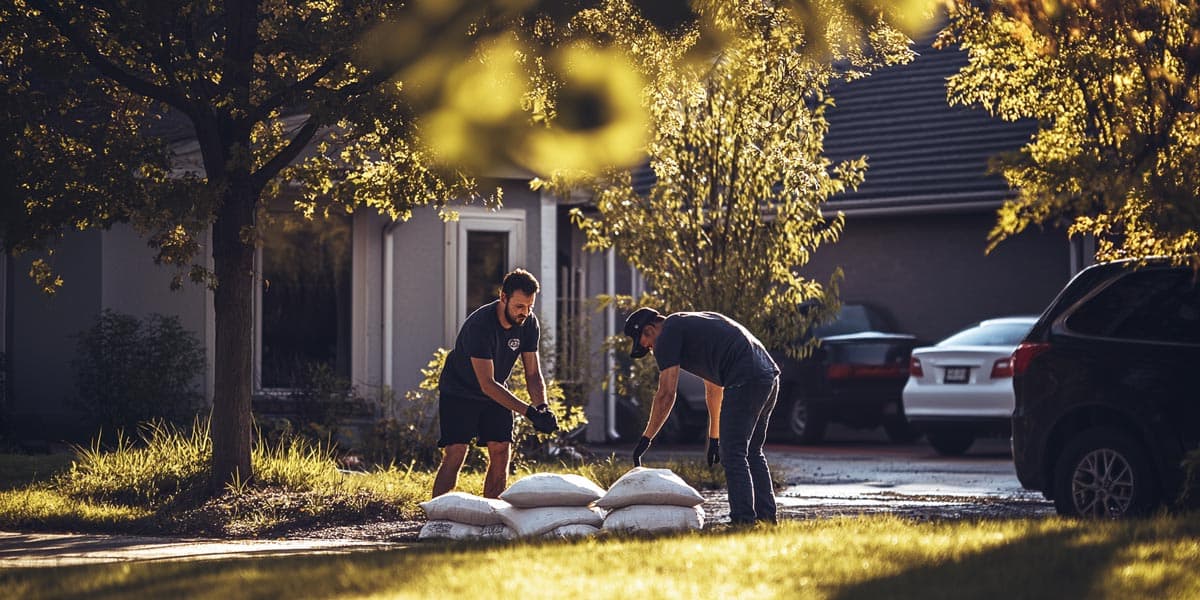
In areas prone to severe flooding, consider placing sandbags or temporary flood barriers around vulnerable parts of your yard, particularly near your home’s foundation.
2. Install Windbreaks
If your property is regularly affected by hurricanes, you may want to consider installing windbreaks, such as walls, hedges, or fences designed to withstand strong winds. These can help shield your yard from the worst of the storm.
How to Prepare Your Lawn for a Hurricane - Answered
As the hurricane approaches, take a final walk through your yard to ensure everything is secured and ready. Remove any last-minute items that could become airborne, double-check that your gutters and drainage systems are clear, and make sure your trees and shrubs are pruned.
With these steps, you can help reduce the impact of a hurricane on your yard and property, ensuring your outdoor space is as protected as possible.
By taking the time to prepare, you can minimize damage and ensure your yard is ready to recover quickly once the storm has passed.