
Lawnifi Santee Centipede Grass Seed is a great seed option for homeowners in warm season regions looking to establish a thick, vibrant lawn. Known for its low-maintenance requirements and resilient nature, Santee Centipede Grass Seed thrives in challenging soil conditions, displaying a beautiful crabapple-green color once fully established. This guide will walk you through the steps to plant and care for Lawnifi Santee Centipede Grass Seed successfully.
Step 1: Prepare for Planting
Understanding the health of your soil before planting can make or break the establishment of your seed. Conduct a soil test to determine the pH level and nutrient content, ensuring your grass has the best possible environment for growth.
How to Test Your Soil
- Collect soil samples from different areas of your lawn.
- Send the samples to a laboratory for analysis.
- Await the results, which typically takes about 48 hours with our soil test kit.
Understanding Soil Test Results
Review the laboratory results to identify any deficiencies or imbalances in your soil. Adjust the soil pH and nutrient levels as recommended to create an optimal growing environment for your grass.
Step 2: Buy Lawnifi Santee Centipede Grass Seed
When choosing grass seed, consider your climate and soil conditions. Lawnifi Santee Centipede Grass Seed is specifically designed for warm season areas, making it a perfect choice for such regions. Once established, it’s a low-maintenance grass with low fertility requirements and drought hardiness. It also stays green longer with excellent fall color retention and early spring green-up.
The Benefits of Lawnifi Santee Centipede Grass Seed:
- Ideal for warm season regions
- Low-maintenance
- Low fertility requirements
- Drought hardy
- Fast establishment and germination
- Vibrant crabapple-green color
- Thrives in challenging soil conditions
Step 3: Measure Your Planting Area
Accurate measurement of your planting area ensures you purchase the right amount of seed. Use tools such as an area calculator or mapping software to determine the square footage.
Step 4: Prepare Your Soil
When Seeding a New Lawn
- Clear the area of existing grass and weeds.
- Use a sod cutter or rototiller to remove debris.
- Ensure the soil is loose and well-aerated for optimal seed germination.
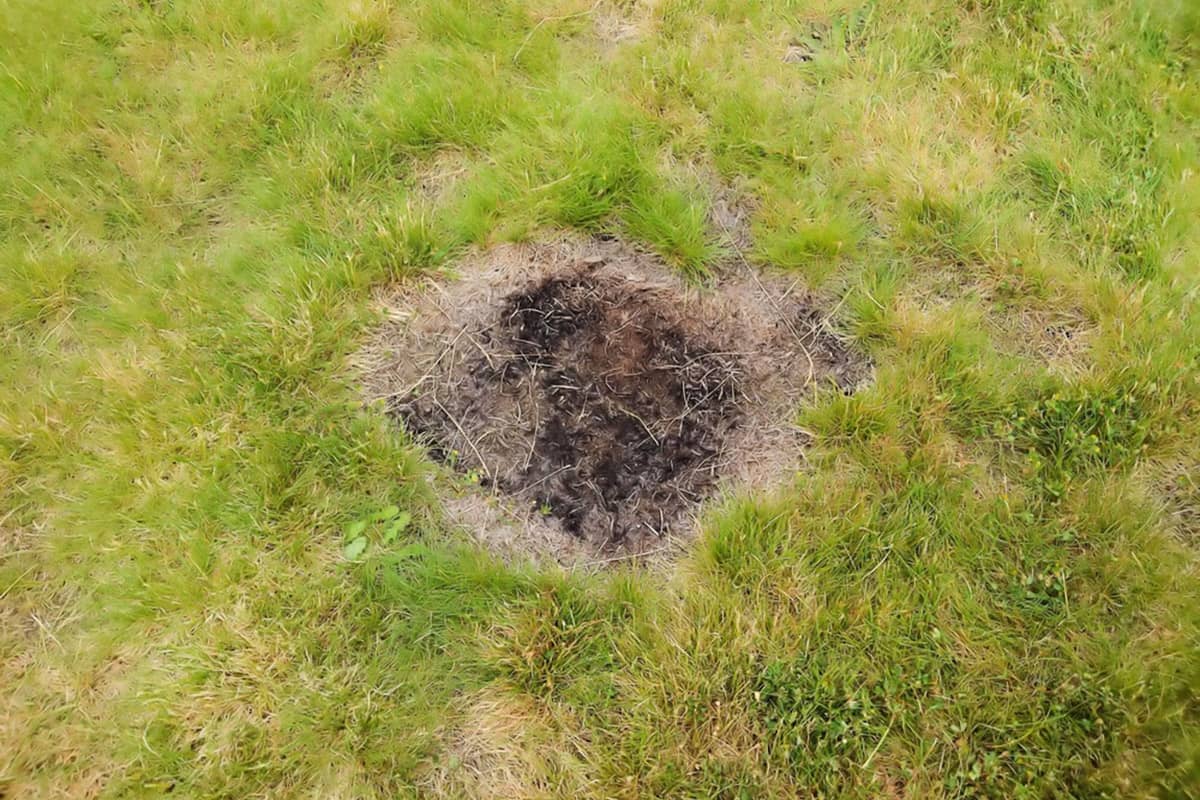
When Filling Damaged or Patchy Areas
- Remove weeds and debris from the area.
- Treat the area with herbicide, insecticide or fungicide if necessary.
- Loosen the soil to prepare for seeding.
When Overseeding a Current Lawn
- Mow the existing lawn closely.
- Rake to remove debris and thatch.
- Aerate the soil to allow seed-to-soil contact.
Step 5: Plant the Seed and Cover
How to Plant Lawnifi Santee Centipede Grass Seed
- Fill a broadcast or drop spreader with Lawnifi Santee Centipede Grass Seed.
- Apply the Seed: Apply the seed evenly across the prepared soil using the recommended seeding rates:
- For new lawns: Use 0.5 lbs of seed per 1,000 sq. ft. (2 lbs covers 4,000 sq. ft., 25 lbs covers 50,000 sq. ft.)
- For overseeding: Use 0.5 lbs of seed per 2,000 sq. ft. (2 lbs covers 8,000 sq. ft., 25 lbs covers 100,000 sq. ft.)
How to Cover the Seed
Protect the seed by lightly covering it with straw, mulch or topsoil. This helps retain moisture and shields the seed from birds and harsh weather conditions.
Step 6: Water & Fertilizer
How to Water the Seed
For the first few weeks, water lightly every day in the early mornings to keep the soil moist. This helps the seed establish roots.
Importance of Keeping Soil Moist
Consistent moisture is essential for seed germination and early growth. Avoid letting the soil dry out during the initial establishment phase.
How to Fertilize the Seed
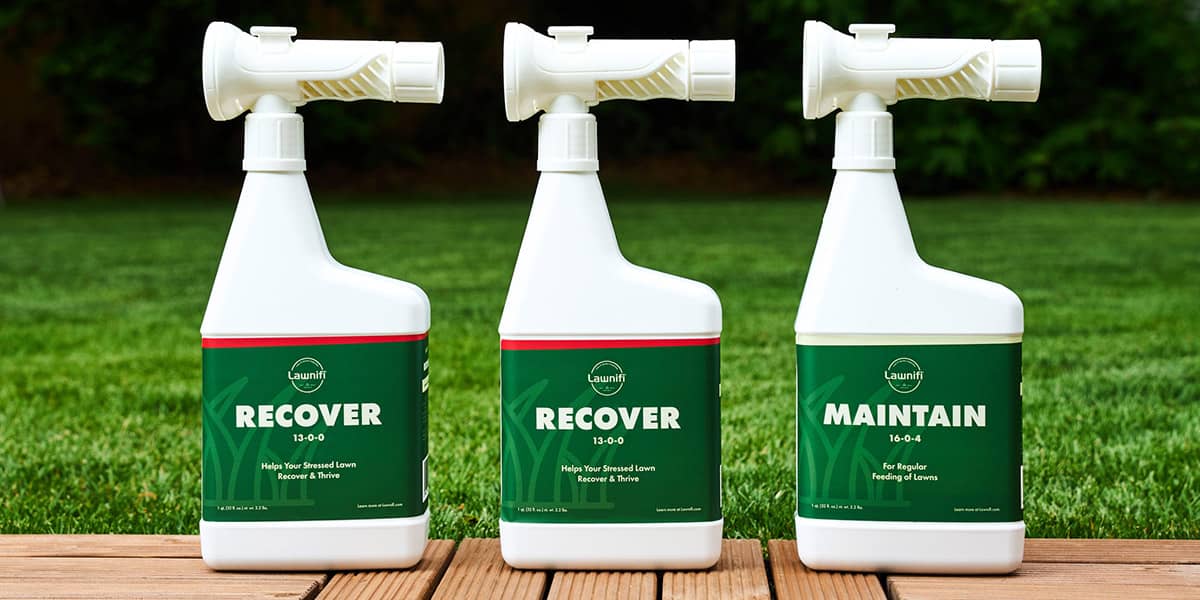
Due to its low-maintenance nature, Lawnifi Santee Centipede Grass Seed requires fewer fertility inputs. It is coated with Lawnifi fertilizer to ensure a faster and more successful establishment. For even better results, consider using the Lawnifi New Lawn Starter Box to boost establishment success further.
Step 7: Post-Planting Care
Maintaining Moisture Levels
Continue to keep the soil moist as the grass establishes. Gradually reduce the watering frequency as the grass grows, transitioning to a regular maintenance schedule after the first few weeks. After the first few weeks, centipede grass only needs about 1 inch of water per week, including rainfall.
Monitoring Growth
Monitor your lawn for signs of weeds, pests or diseases. The spittlebug is a common pest that particularly loves centipede grass.
How to Identify Spittlebugs
Spittlebugs are small insects that can cause significant damage to centipede grass. They are often identified by the frothy, spittle-like substance they produce on grass stems.
How to Prevent Spittlebug Infestations
To prevent spittlebug infestations:
- Keep your lawn well-maintained by mowing regularly and avoiding excessive thatch buildup.
- Ensure proper watering practices to maintain healthy grass without creating overly moist conditions that attract spittlebugs.
How to Treat Spittlebug Infestations
If you notice spittlebugs in your lawn, take action promptly:
- Apply insecticides labeled for spittlebug control, like Bifen L/P, following the manufacturer’s instructions.
- Focus treatments on areas where spittlebugs are most active, typically identified by the presence of spittle masses.
Centipede Grass Seed Care
Establish a routine maintenance schedule to keep your lawn healthy. This includes regular mowing, watering and fertilizing. For more detailed care instructions, visit Santee Centipede Maintenance.
How to Plant Lawnifi Santee Centipede Seed - Answered
Following these steps, you can plant and grow a lush, vibrant lawn with Lawnifi Santee Centipede Grass Seed. Conduct a soil test, appropriately prepare and plant the seed, maintain moisture levels and provide ongoing care. For all your lawn care needs, explore Lawnifi products and ensure your lawn remains beautiful year-round.