Overseeding is a straightforward yet highly effective way to make your lawn appear green and healthy. It's the process of planting new grass seed onto existing lawns without tearing up the soil or removing old grass. Overseeding aids in preventing weeds, filling in bare spots and enhancing your grass's overall color and resilience.
When to Overseed a Lawn
The best time to overseed depends on the type of grass and your local climate. Cool season grasses are best overseeded in the early fall. In contrast, warm season grasses should be overseeded in late spring to early summer.
1. When the Lawn Starts to Thin Out
A thinning lawn is often the first sign that it's time to overseed. Several factors, including high foot traffic, poor soil conditions or inadequate sunlight can cause thinning. Overseeding helps fill these thin areas with new, healthy grass, ensuring your lawn remains thick and vibrant.
2. When the Lawn Develops Bare Spots
Bare spots in your lawn can result from pet damage, heavy use, disease or pests. These unsightly patches not only affect the appearance of your lawn but also provide opportunities for weeds to invade. Overseeding these areas promotes new growth, helping to restore your lawn's uniform appearance.
3. Overseeding Lawn in Spring
Spring and fall are good time to overseed with spring being the best season for warm season grasses like bermuda, centipede, paspalum and zoysia. As temperatures rise, these grasses begin to grow more actively, allowing the new seeds to establish quickly. Make sure to water regularly and avoid heavy traffic on the lawn while the new grass is taking root.
4. Overseeding in Fall
Both fall and spring are ideal for overseeding, with fall being the best time to overseed cool season grasses such as Kentucky bluegrass, fescue and ryegrass. Cooler temperatures and increased rainfall create optimal seed germination and root development conditions. Overseeding in the fall also gives the grass time to establish before the stress of summer heat.
5. Winter Overseeding
Winter overseeding is typically done in warm climates where cool season grasses can thrive during the cooler months. This process, known as winter rye overseeding, involves planting ryegrass over dormant warm season grasses like bermuda. This ensures your lawn remains green and healthy throughout the winter.
Should I overseed before or after top dressing?
Top dressing involves applying a thin layer of soil, compost, or sand over the lawn to improve soil quality and even out the surface. It's generally best to overseed before top dressing.
The top dressing material can help protect the seeds and improve seed-to-soil contact, which enhances germination rates and seedling establishment.
Best Grass Seed for Overseeding
Choosing the right grass seed for overseeding is essential for success. Consider your lawn's existing grass type and your local climate. Most of the time, it’s best to seed with the same kind of grass you already have to maintain a uniform appearance—otherwise, the different grass types may make your lawn appear patchy and unkempt.
For cool season lawns, Kentucky bluegrass, fescue, and perennial ryegrass are excellent choices. For warm season lawns, consider bermuda, zoysia or centipede grass. Look for high-quality seed blends that are disease-resistant, like Lawnifi Santee Centipede Seed and suited to your specific growing conditions.
How to Overseed Your Lawn
Assessing Your Lawn
Start by evaluating your lawn to identify any thin or bare areas. This will help you determine how much seed you’ll need and where to focus your efforts.
Tools and Materials Needed
You’ll need a seed spreader, a rake, a lawnmower, fertilizer, topsoil and a reliable watering system.
Mowing and Clearing the Lawn
Mow your lawn shorter than usual to allow the new seeds to make contact with the soil. Remove any debris, thatch and weeds to create a clean slate for overseeding.
Soil Preparation
Aerate the soil to create small holes for the seeds to settle in. This improves seed-to-soil contact and enhances germination.
Seed Application
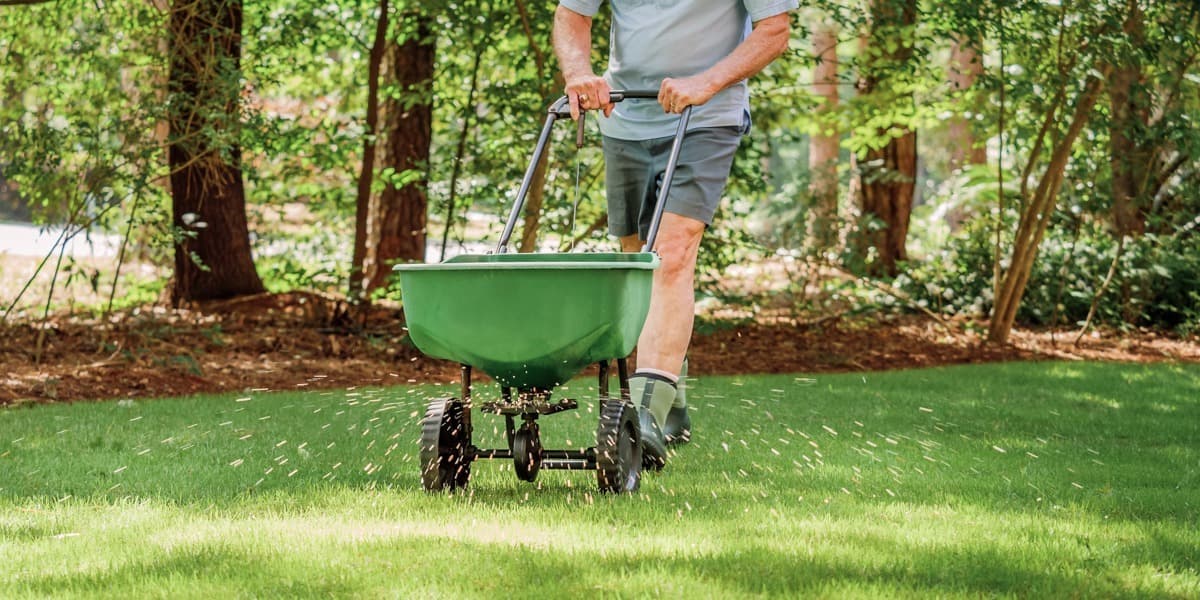
Use a spreader to distribute the seeds evenly over the lawn. Lightly rake the seeds to ensure they make good contact with the soil. You can also cover the seeds with a thin layer of topsoil for added protection.
Fertilizing
Apply a starter fertilizer like the Lawnifi New Lawn Starter Box to give the new seeds essential nutrients for germination and growth. As a bonus, it also nourishes and enhances your existing grass, making it a win-win for both new and established lawns.
Watering
Begin with a thorough watering to soak the soil. Follow up with regular, light watering to keep the soil consistently moist but not waterlogged.
Post-Seeding Care
Watering Schedule
Water lightly several times a day to keep the soil moist. Gradually reduce the frequency as the seeds germinate and the grass begins to grow. Aim for deep, infrequent watering as the grass matures.
Mowing Guidelines
Wait until the new grass is about 3 inches tall before mowing. Keep in mind that your existing grass will also grow during this time, so be prepared for it to be taller. When you do mow, set your mower to a higher setting to avoid stressing the young grass.
When to Fertilize After Overseeding
After overseeding, it's important to fertilize your lawn to support the new grass's growth. Apply a starter fertilizer immediately after overseeding to provide essential nutrients. This helps the seeds germinate, and the young grass plants establish strong roots.
Avoid using high-nitrogen fertilizers, as these can encourage excessive top growth at the expense of root development. Instead, choose a balanced fertilizer, like the Lawnifi New Lawn Starter Box, with a higher phosphorus content to promote root growth.
Common Mistakes to Avoid
- Overwatering or under-watering: Consistent moisture is key, but avoid water-logging the soil.
- Incorrect seed selection: Choose seeds that match your existing grass and climate.
- Poor soil preparation: Proper aeration and debris removal are crucial for successful overseeding.
- Mowing too soon or too low: Give the new grass time to establish before mowing and avoid cutting it too short.
Long-Term Maintenance Tips
- Regular lawn care: Continue with a regular mowing, watering, and fertilization schedule to maintain a healthy lawn.
- Seasonal care: Adjust your lawn care practices according to the season to keep your lawn in top shape year-round.
- Annual overseeding: Consider overseeding each year to improve your lawn’s density and health continually.
How to Overseed Your Lawn - Answered
Overseeding is a valuable investment in the health and appearance of your lawn. By following these steps and avoiding common mistakes, you can achieve a lush, green yard that will be the envy of your neighborhood.