Centipede grass is a popular choice for lawns in the southeastern United States due to its low maintenance needs and ability to thrive in challenging soil conditions. However, its slow-growing nature might leave you wondering how you can speed up its progress.
With the right care, you can encourage your centipede grass to spread more quickly, ensuring your lawn becomes the vibrant landscape you’ve been waiting for. This guide will walk you through the essential steps to help your centipede grass grow faster.
How does centipede grass spread?
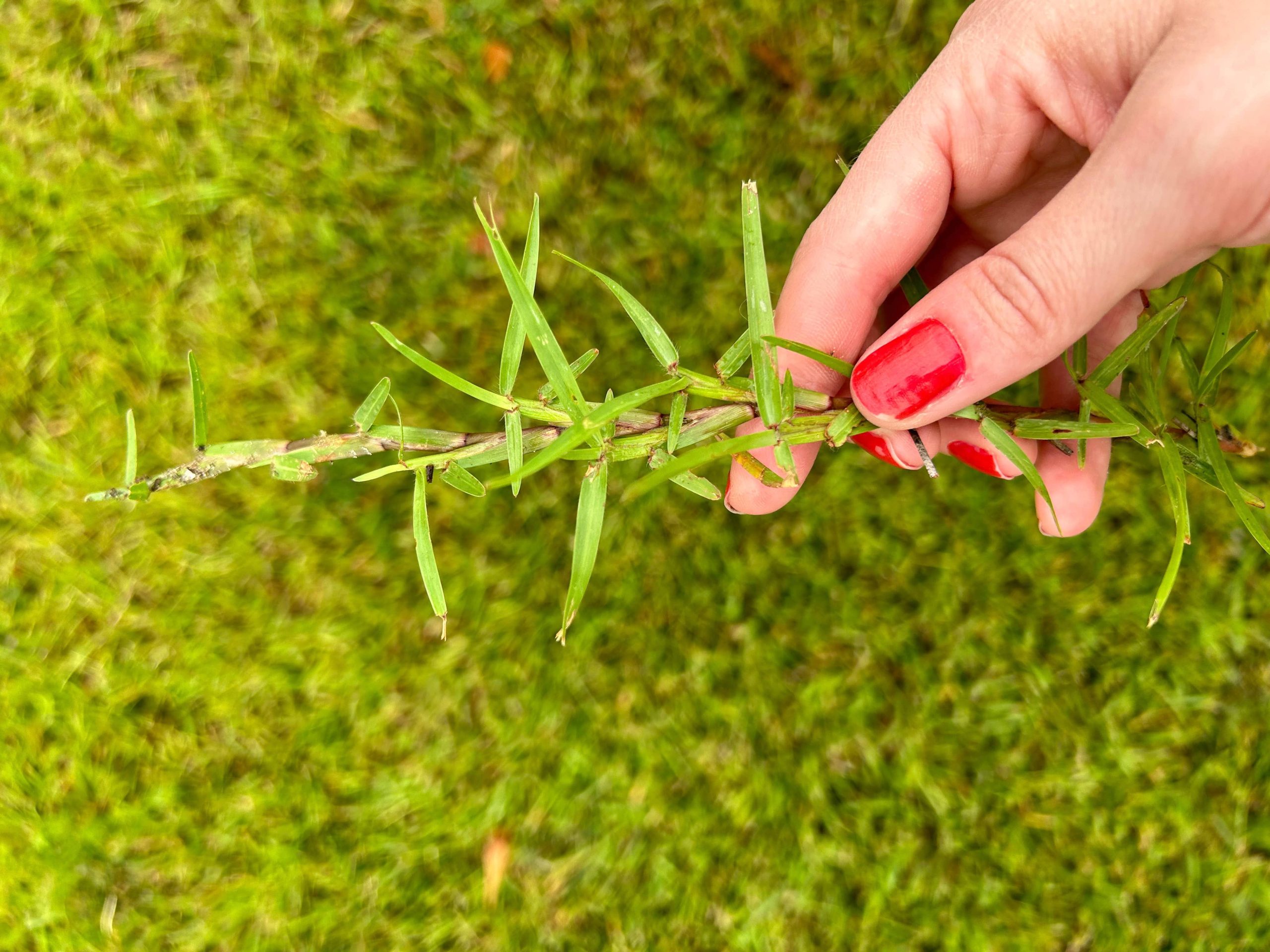
Centipede grass spreads through stolons, which are above-the-ground runners. Unlike rhizomes that spread below the ground, stolons are visible on the surface, making it easier to observe and manage the spread. Recognizing stolons is a good indicator of healthy centipede grass growth and spread.
How to Prepare Your Lawn
Soil Testing for Optimal Centipede Grass Growth
Testing your soil's pH and nutrient levels makes for a more optimal growing environment for centipede grass. Adjusting the soil conditions based on the test results will create a conducive environment for the grass to thrive.
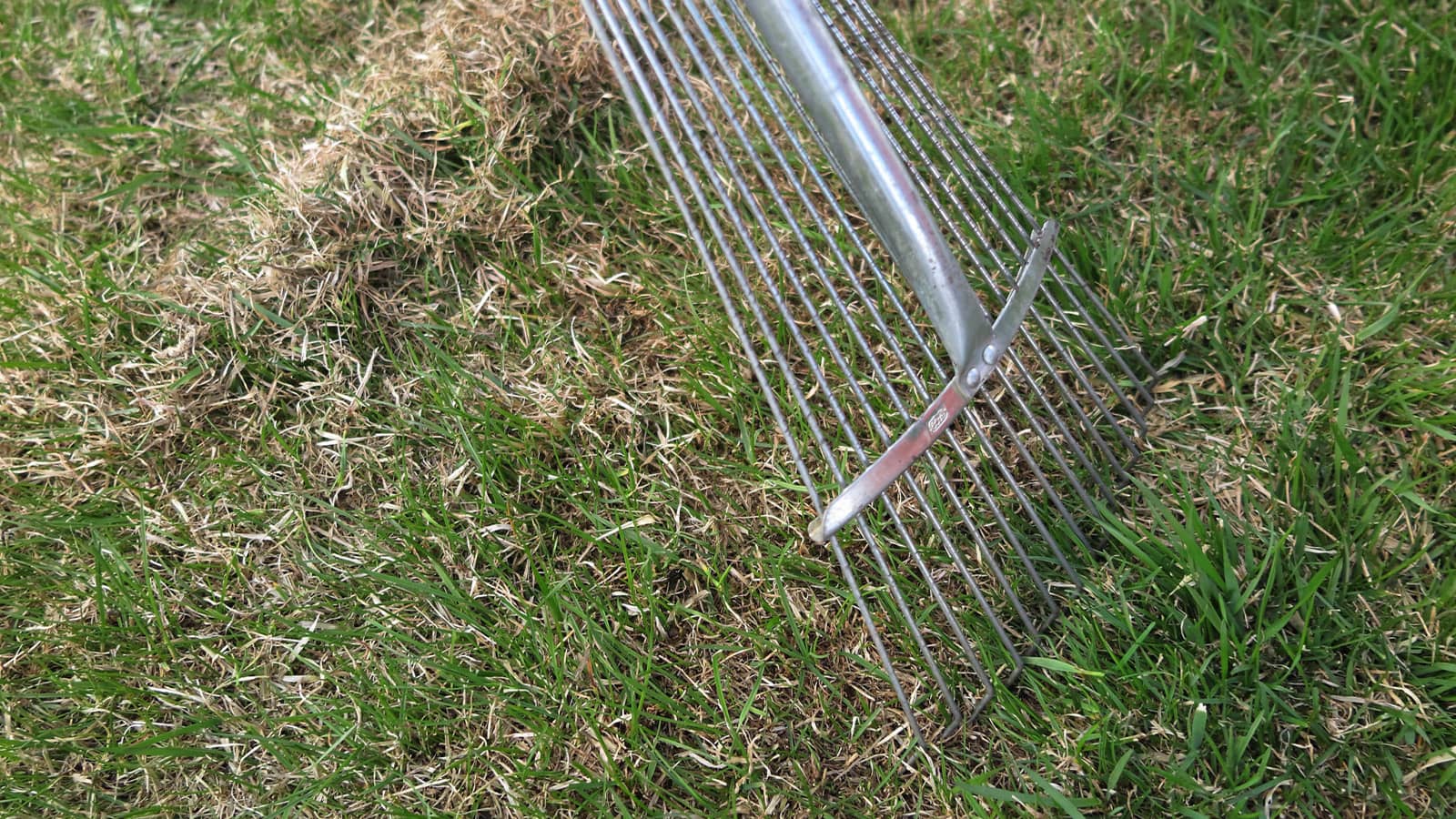
How to Dethatch Your Lawn for Healthier Centipede Grass
Dethatching involves removing the layer of dead grass and debris that accumulates on the soil surface. This process allows better air, water and nutrient penetration. If thatch is thicker than 1/2 inch, dethatching is necessary. To dethatch your lawn:
- Use a dethatching rake or machine.
- Rake the lawn thoroughly to remove the thatch.
- Dispose of the thatch properly. Dethatching should be done once a year or as needed to prevent excessive buildup.
Aeration for Centipede Grass Root Development
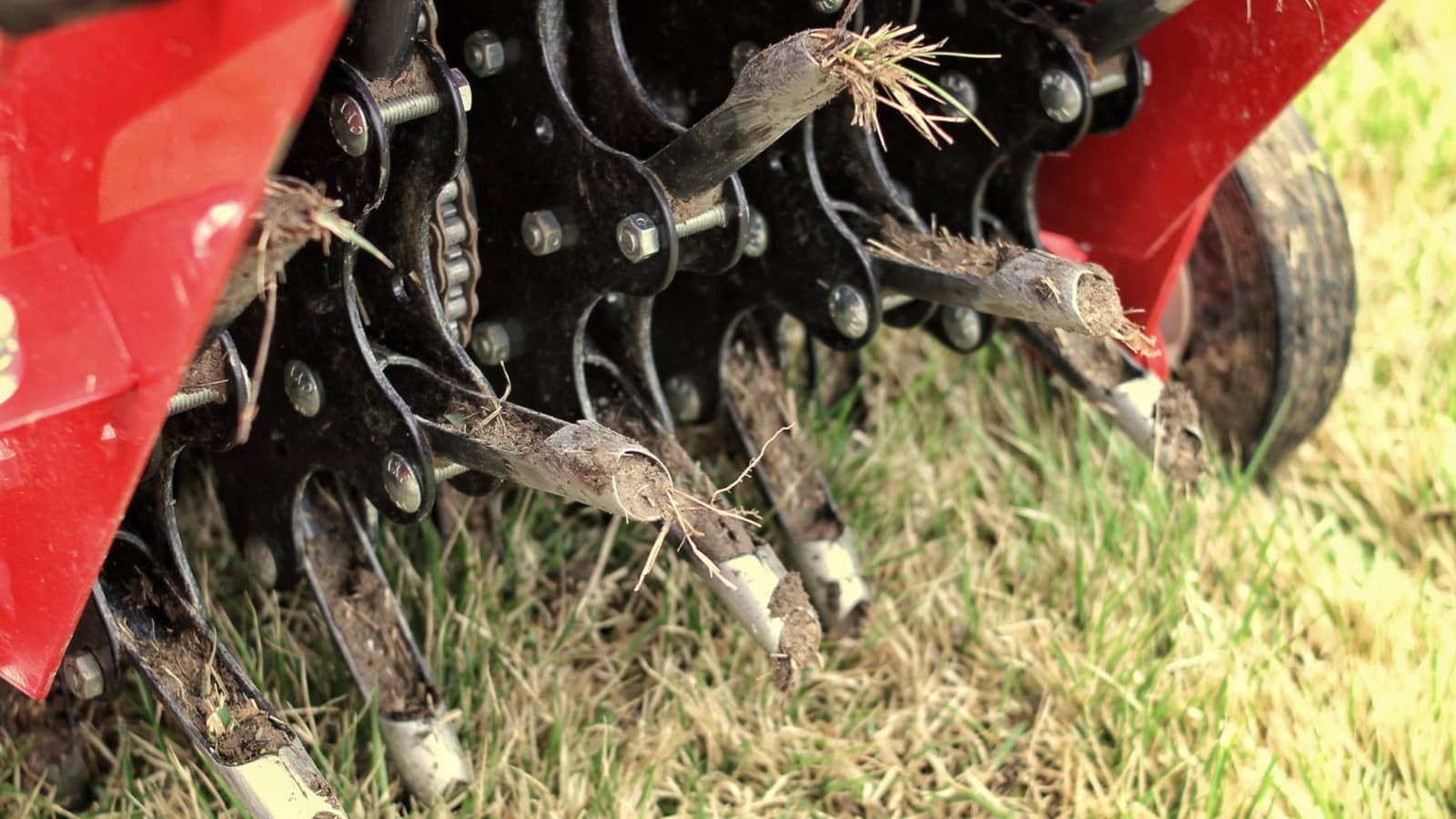
Aeration improves soil structure and promotes root development by allowing air, water and nutrients to reach the roots more effectively. To aerate your lawn:
- Use a core aerator to remove small plugs of soil.
- Aerate during the growing season, typically in late spring or early summer. Aeration should be done once a year to maintain healthy soil conditions.
Planting Techniques to Help Centipede Grass Grow Faster
How to Plant Centipede Grass Plugs
Planting plugs is an effective method for establishing centipede grass. Here’s how to do it:
- Purchase centipede grass plugs.
- Prepare the soil by loosening it and removing weeds.
- Plant the plugs at recommended intervals (about 9-18 inches apart on center).
- Water the plugs regularly until they are established.
Planting Centipede Grass Seed
Lawnifi Santee Centipede Grass Seed is a great option for filling in bare spots or spreading your lawn’s coverage. It comes with a fertilizer coating that promotes faster germination and establishment. Its massive root system also helps the grass beat stress and spread effectively. To plant the seeds:
- Prepare the soil by tilling and removing debris.
- Spread the seeds evenly over the prepared soil.
- Lightly rake the soil to cover the seeds.
- Water the seeded area thoroughly and keep it consistently moist until germination.
Centipede Grass Fertilizing and Maintenance
Applying Fertilizer
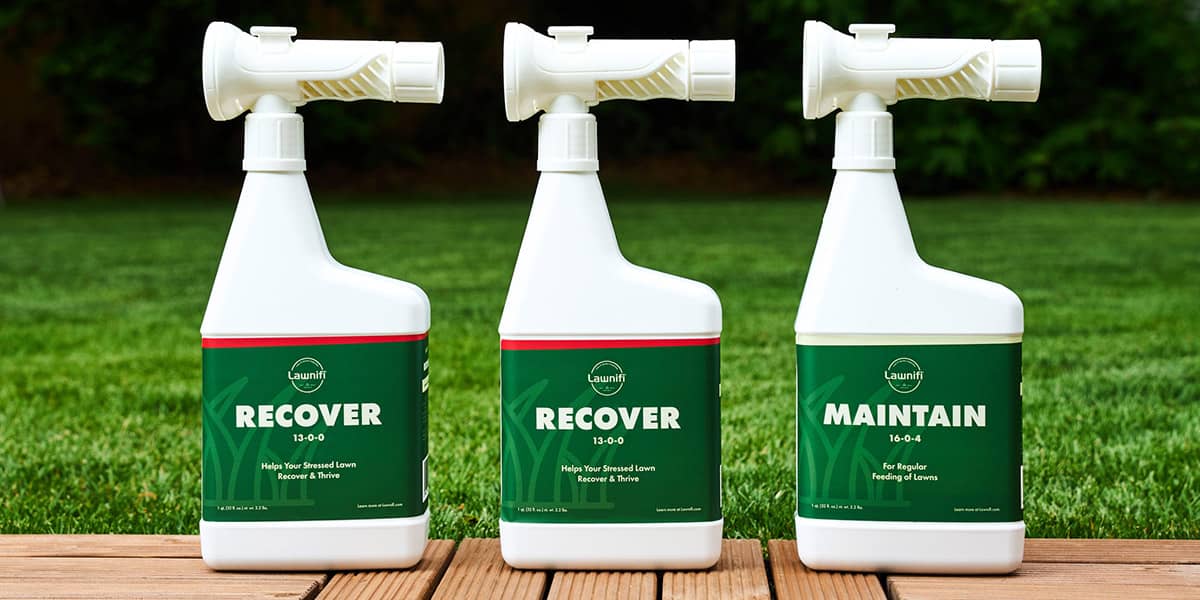
Choose a fertilizer and apply it at the recommended rate. For a healthy lawn all year long, we recommend using the Lawnifi Fertilizer Program.
Proper Watering Practices for Centipede Grass
Watering centipede grass properly gives it the hydration it needs to stay alive and grow:
- Water deeply in early mornings and infrequently to encourage deep root growth.
- Avoid overwatering, which can lead to root rot and other disease issues.
- Monitor your lawn for signs of underwatering, such as wilting or dry patches.
- Centipede grass only needs about 1 inch of water per week, including rainfall.
Mowing Techniques to Promote the Spread of Centipede Grass
Mowing at the correct height helps Centipede grass spread by encouraging healthy growth and minimizing stress on the grass so that it can spread.
- Maintaining a mowing height of 1.5 to 2 inches allows the grass to develop a robust root system. It promotes the growth of stolons, which are the above-ground runners that enable centipede grass to spread.
- Use sharp mower blades to make clean cuts.
- Mow regularly, removing no more than 1/3 of the grass height at a time.
- Proper mowing also reduces the risk of scalping, damaging the grass and creating bare spots vulnerable to weed invasion.
Additional Tips for Promoting the Spread of Centipede Grass
Proper Sunlight Exposure
Centipede grass thrives in full sunlight. Ensure your lawn receives at least 6 hours of sunlight daily. Manage any shade by trimming trees or relocating objects that block sunlight.
Weed Control
Weeds can compete with centipede grass for resources. To prevent weed growth, identify and manage common weeds using pre-emergent herbicides.
Pest and Disease Management
Common pests and diseases can affect centipede grass. Regularly inspect your lawn for signs of pests or disease and use appropriate treatments to manage these issues.
Spittlebugs are small insects that can cause significant damage to centipede grass. They are often identified by the frothy, spittle-like substance they produce on grass stems.
Preventing Spittlebug Infestations
To prevent spittlebug infestations, keep your lawn well-maintained by mowing regularly and avoiding excessive thatch buildup. Ensure proper watering practices to maintain healthy grass without creating overly moist conditions that attract spittlebugs.
Treating Spittlebug Infestations
If you notice spittlebugs in your lawn, take action promptly. Apply insecticides labeled for spittlebug control, such as Bifen L/P, following the manufacturer’s instructions. Focus treatments on areas where spittlebugs are most active, typically identified by the presence of spittle masses.
How to make centipede grass spread - Answered
Making centipede grass spread requires understanding its growth habits, preparing your lawn correctly, using effective planting techniques and maintaining regular care. By following these practices, you can ensure a healthy, thriving lawn.