If you've ever wondered, "Does grass seed go bad?" the answer is yes. Grass seed, like any other organic material, has a shelf life that affects its ability to grow a healthy lawn.
Understanding how to store grass seed properly and recognize when it's no longer viable can save you time, money and frustration.
Understanding Grass Seed Shelf Life
Grass seed "going bad" means it loses its ability to germinate effectively. Typically, grass seed remains at peak viability for 1–2 years, but this can vary based on factors like seed type, quality and storage conditions.
High-quality seeds generally have stronger embryos, making them more resistant to environmental stress.
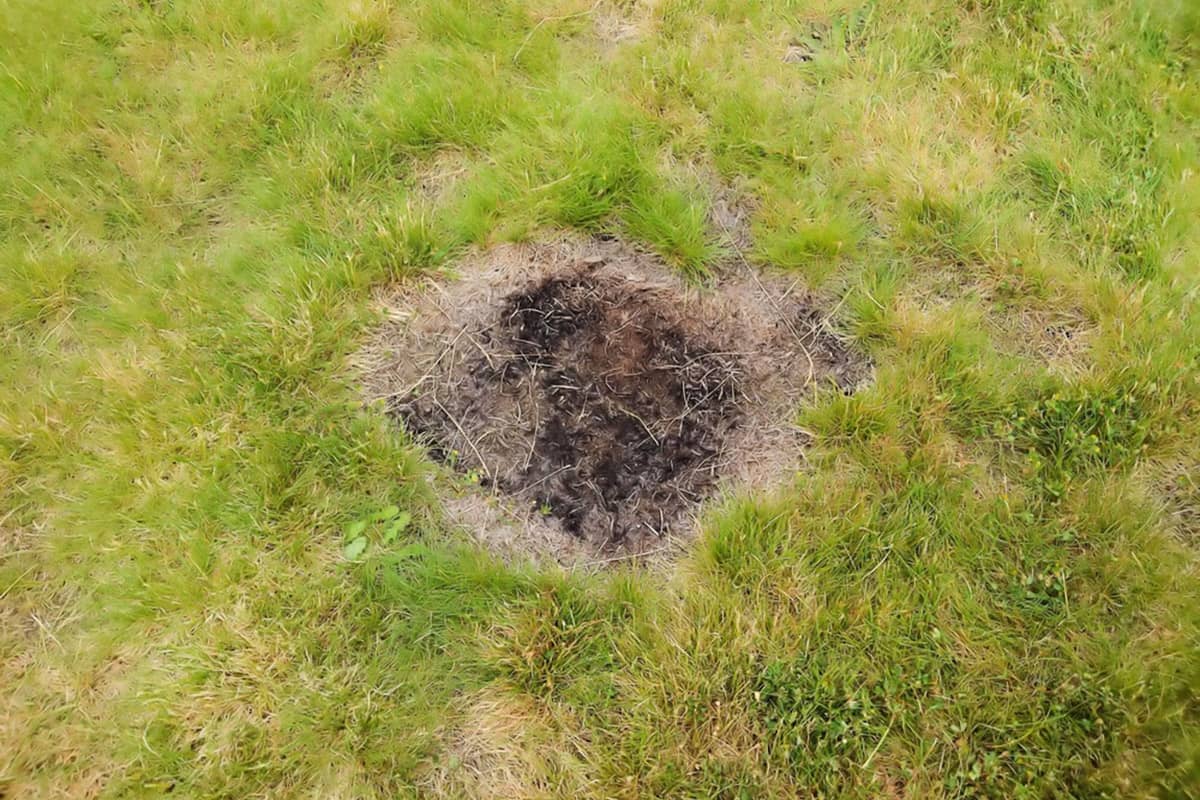
Using expired seed can result in poor lawn establishment, with bald spots and thin patches. Investing in fresh seed with high germination rates makes a thriving green lawn more likely.
Factors Influencing Shelf Life:
- Seed Type: Cool season vs. warm season grasses.
- Storage Conditions: Ideal storage is cool, dry, and dark.
- Packaging: Airtight containers help preserve seed quality.
Signs That Grass Seed Has Gone Bad
Expired grass seed shows visible signs of deterioration, including clumping, mold or an unpleasant odor. The physical appearance of the seed may change—look for discoloration, a matte finish or brittleness. Bad seed may also contain debris, such as stems or roots.
Simple Tests to Check Seed Viability:
There are a few ways you can test your grass seeds' viability:
Float Test
Place a handful of seeds in water. If most sink, they are likely still good.
Paper Towel Test
- Place 10 seeds on a damp paper towel.
- Roll up the towel and place it in a plastic bag.
- Store in a warm place like on top of a refrigerator.
- Check after 5–7 days for signs of germination.
- Calculate the germination rate: If eight out of 10 seeds sprout, you have an 80 percent germination rate, which is good for planting.
If fewer than 50 percent sprout, consider buying new seed for a fuller lawn or, if you've already purchased a significant amount, simply use twice as much seed to offset the lower germination rate. This approach can help you avoid patchy areas without needing to buy new seed immediately. You can always purchase more later if additional seeding is required.
When conducting a paper towel germination test, it's important to consider the specific characteristics of different grass varieties, as germination times and conditions can vary:
- Warm Season Grasses (e.g., Bermuda, Zoysia, St. Augustine, Centipede): These varieties typically require warmer conditions to germinate effectively. They may need closer to the 7-day mark, or even longer, to show signs of sprouting in the test. Make sure the towel stays consistently warm, as fluctuations can impact results.
- Cool Season Grasses (e.g., Kentucky Bluegrass, Fescue, Ryegrass): These grasses often germinate faster in cooler temperatures compared to warm-season varieties. For these, the 5–7 day window should be sufficient, but it’s still important to maintain consistent warmth.
Proper Storage to Extend Grass Seed Shelf Life
To extend the life of your grass seed, store it correctly. The ideal conditions are cool, dry and dark. Seal opened bags tightly or transfer seeds into airtight containers like plastic bins or metal cans to protect from moisture, pests and temperature extremes.
Common Mistakes That Shorten Seed Life:
- Humidity and Heat: High moisture and temperatures can lead to premature germination or mold growth.
- Light Exposure: Direct sunlight can damage seeds and reduce their viability.
- Improper Containers: Failing to use airtight containers exposes seeds to oxygen, reducing shelf life.
What to Do with Expired or Bad Grass Seed
Before disposing of old or expired grass seed, consider using it first:
- Overseeding or Less Critical Areas: Mix expired seed with fresh seed for overseeding or areas where full germination isn’t essential. Using double the amount can compensate for lower viability.
- New Lawns or Large Bare Spots: For new lawns or larger bare patches, it's best to use fresh seed to ensure strong growth.
If you still need to dispose of the seed:
- Compost: Organic seeds can be added to compost piles.
- Landfill: Non-compostable seeds can be disposed of in regular trash.
- Recycling Programs: Check if your local waste management offers yard waste recycling.
Best Practices for Purchasing Grass Seed
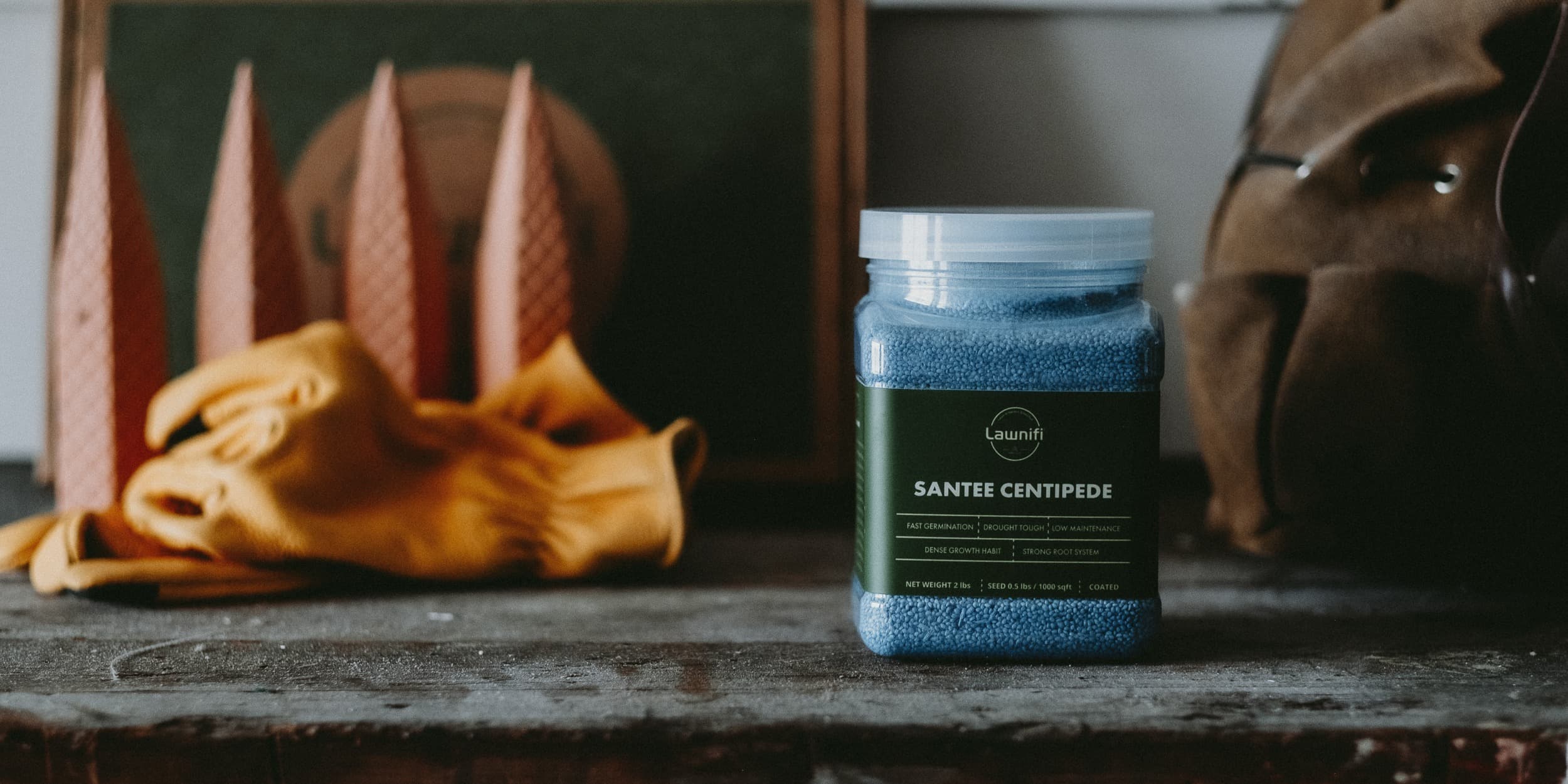
To avoid expired seed issues, buy the right amount for your needs and check packaging dates. Choose reputable brands known for quality, like Lawnifi Premium Grass Seed, which offers high purity and germination, ensuring fewer weed contaminants and better lawn establishment.
Does Grass Seed Go Bad? - Answered
Yes, grass seed can go bad, losing its ability to germinate, typically after 1–2 years. Shelf life depends on seed type, quality and storage conditions—cool, dry and dark environments with airtight containers work best.
Expired seeds may clump, mold, discolor or feel brittle, resulting in poor lawn growth. Regular viability tests can help determine if your seed is still usable.
Grass seed does have a shelf life, and proper storage can significantly extend its viability. Regularly test your seeds to ensure they are ready for planting. By following these best practices, you can maintain a lush, healthy lawn without wasting time or money on ineffective seeds.