Standing water in your yard isn’t just an eyesore; it can also pose significant risks to your lawn, home and health. If not properly managed, it can lead to mold, attract pests and even cause structural damage.
This guide will walk you through understanding the causes of standing water and the best solutions to prevent and manage it effectively.
What is Standing Water?
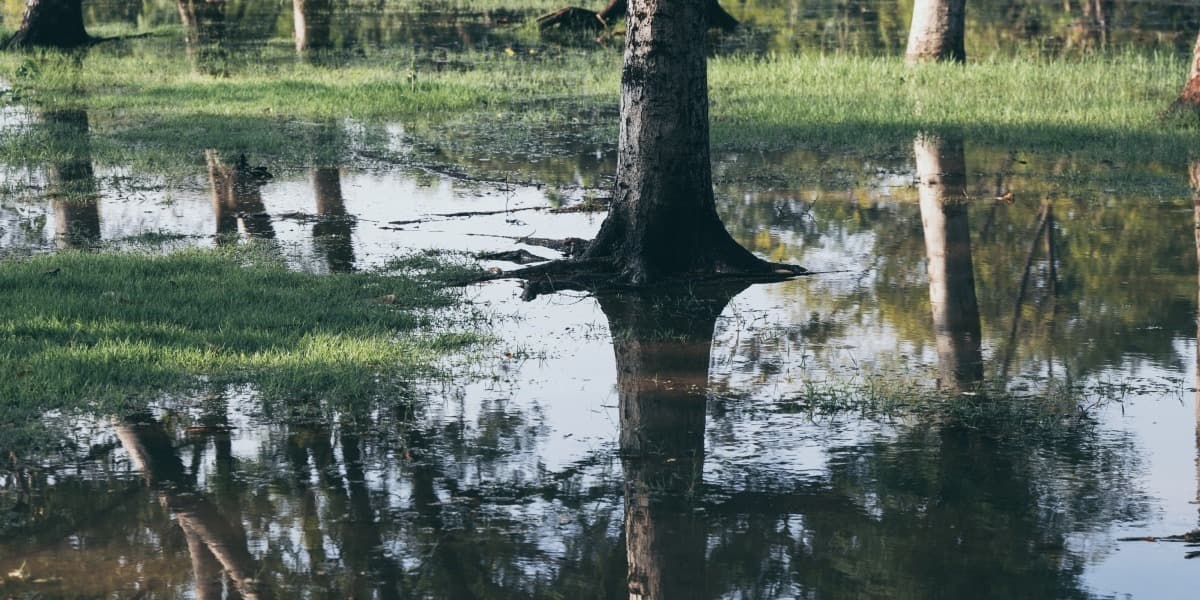
Standing water refers to water that remains stagnant on the surface of your lawn after rainfall, watering or other water-related activities. This water fails to drain properly, leading to puddles or pools that can last for days, especially in low-lying areas or places with poor drainage.
Identifying and addressing the causes of standing water is crucial to maintaining a healthy lawn and safe home environment.
How Standing Water Can Affect Your House, Lawn and Health
Standing water does more than just damage your lawn—it can create a range of problems for your home and health:
- Mold and Bacteria Growth: Stagnant water provides an ideal breeding ground for mold and bacteria, which can infiltrate your lawn and even your home, posing health risks such as respiratory issues.
- Mosquitoes and Vermin: Mosquitoes are attracted to standing water, using it as a breeding ground. This increases the risk of mosquito-born diseases. Standing water can also attract rats and other vermin, which can spread harmful bacteria.
- Algae and Plant Damage: Algae thrive in standing water, creating slimy patches that can suffocate grass and other plants, affecting your lawn’s health and appearance.
- Health Risks to You and Your Pets:
- Infections and Parasites: Pets, especially dogs, are at risk of contracting parasites like hookworms when exposed to contaminated water. Humans can also be exposed to harmful bacteria, which can cause infections.
- Skin Irritations: Prolonged contact with stagnant water can lead to skin irritations or infections, particularly for pets that frequently walk or play in wet areas.
- Slippery Surfaces: Algae and moss buildup can create dangerously slippery surfaces, increasing the risk of falls for both humans and pets.
Common Causes of Standing Water in Your Lawn
Understanding the root causes of standing water in your yard is the first step in addressing the problem:
- Overwatering: Excessive watering can overwhelm your lawn’s ability to absorb water, leading to standing water, especially in areas with poor soil drainage.
- Improper Grading: Poorly graded yards that slope towards your home or other low areas can cause water to pool instead of draining away.
- Thatch Buildup: Thatch is a layer of organic matter that can accumulate between the soil and grass blades. When it gets too thick, it prevents water from penetrating the soil, leading to waterlogged lawns.
- Hard Soil and Compaction: Compacted soil, often caused by foot traffic or heavy machinery, makes it difficult for water to drain properly, resulting in standing water.
- Heavy Rain: Sudden, intense rainfall can overwhelm your yard, especially if it isn’t prepared with adequate drainage solutions.
- Faulty Drainage Systems: Issues with existing drainage systems, such as clogged gutters or broken pipes, can contribute to excess water accumulation in your lawn.
Solutions for Managing Standing Water
There are several steps you can take to manage standing water effectively:
- Aerate Your Lawn: Aeration involves creating small holes in your lawn to allow water, air and nutrients to penetrate the soil. This process helps improve drainage and reduce water pooling.
- Address Thatch Issues: Regularly dethatching your lawn will help water penetrate the soil more effectively, reducing the likelihood of standing water.
- Create Drainage Paths: Digging small trenches or shallow ditches can help guide water away from areas where it tends to collect, directing it toward lower ground or a drainage system.
- Use Absorbent Materials: For smaller, localized water problems, you can spread absorbent materials like sand or kitty litter to soak up excess moisture.
- Use a Pump: In cases where large amounts of water accumulate, using a pump can quickly remove standing water from your yard.
Installing Long-Term Drainage Solutions
For more severe or recurring standing water issues, consider installing long-term drainage solutions:
- Install a French Drain for Yard Drainage: A French drain is an underground system that redirects surface water away from your home and lawn. It involves digging a trench, placing a perforated pipe and covering it with gravel to facilitate water flow.
- Install a Dry Well: A dry well collects excess runoff water and disperses it slowly into the surrounding soil. It consists of a perforated tank surrounded by gravel, which helps manage standing water in low areas.
- Build a Rain Garden: Rain gardens are designed to capture runoff water and allow it to soak into the soil naturally. They are usually planted with water-tolerant plants that help absorb excess moisture.
- Install a Dry Creek Bed: A dry creek bed is a shallow trench lined with rocks that channels water away from your lawn. It acts as a natural-looking drainage solution that prevents standing water.
- Extend Downspouts: Extending downspouts further away from your home helps redirect water from gutters, reducing the risk of water pooling near your foundation.
- Check for Broken Pipes: Regularly inspect your irrigation and drainage systems for leaks or broken pipes that could contribute to water accumulation.
Preventative Measures for Future Water Management
- Water Wisely: To prevent overwatering, ensure that your lawn receives only about 1 inch of water per week, including rainfall. Here’s how you can measure 1 inch of water: How Long to Run a Sprinkler for 1 Inch of Water.
- Add Compost: Adding compost to your soil helps improve its structure and drainage, especially in thick, clay-heavy soils. It can also be used to level uneven areas in your yard. Learn more here.
- Regrade the Yard: If improper grading is a problem, consider regrading your yard to promote proper water flow away from your home and low spots.
- Clean Gutters and Downspouts: Regular maintenance of gutters and downspouts ensures that water is effectively directed away from your yard and home, preventing overflow and standing water.
How to Use Yard Drainage DIY Solutions to Get Rid of Standing Water - Answered
To get rid of standing water in your yard, start by identifying the causes, such as overwatering, poor grading or compacted soil. Implement effective solutions like aerating your lawn to improve soil drainage, dethatching to allow water penetration and creating drainage paths or installing French drains for yard drainage to redirect water away from problem areas.
For severe issues, consider long-term fixes like dry wells, rain gardens or regrading your yard. Regular maintenance, including cleaning gutters and extending downspouts, can help prevent water accumulation and protect your lawn, home, and health.
By addressing the causes and implementing drainage solutions, you can effectively manage and prevent standing water, ensuring a safer and healthier outdoor environment.