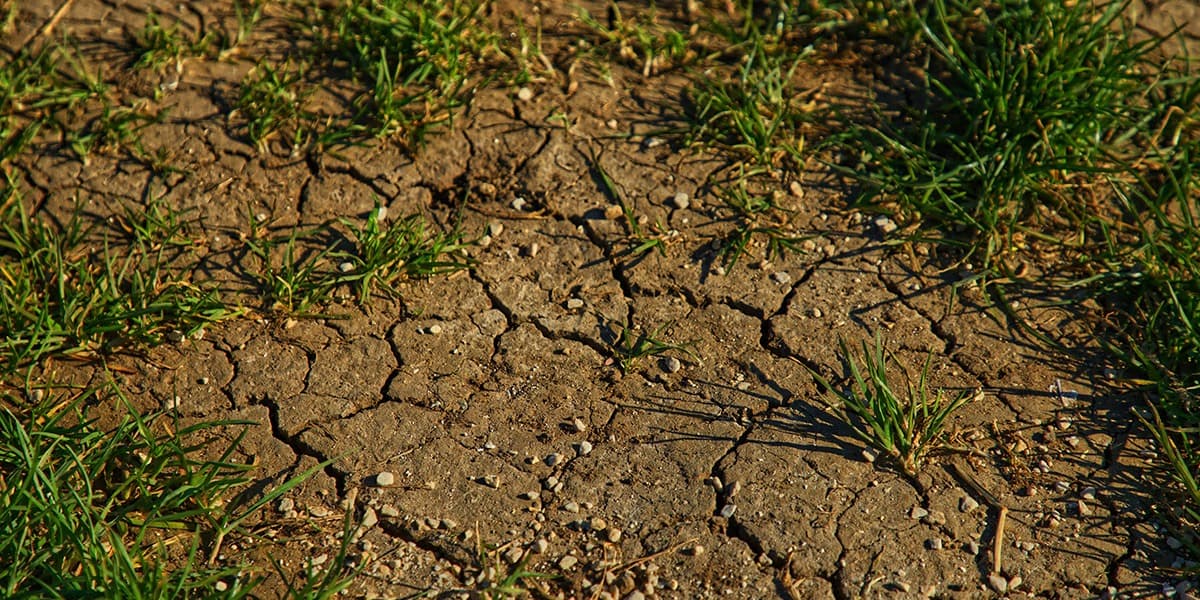
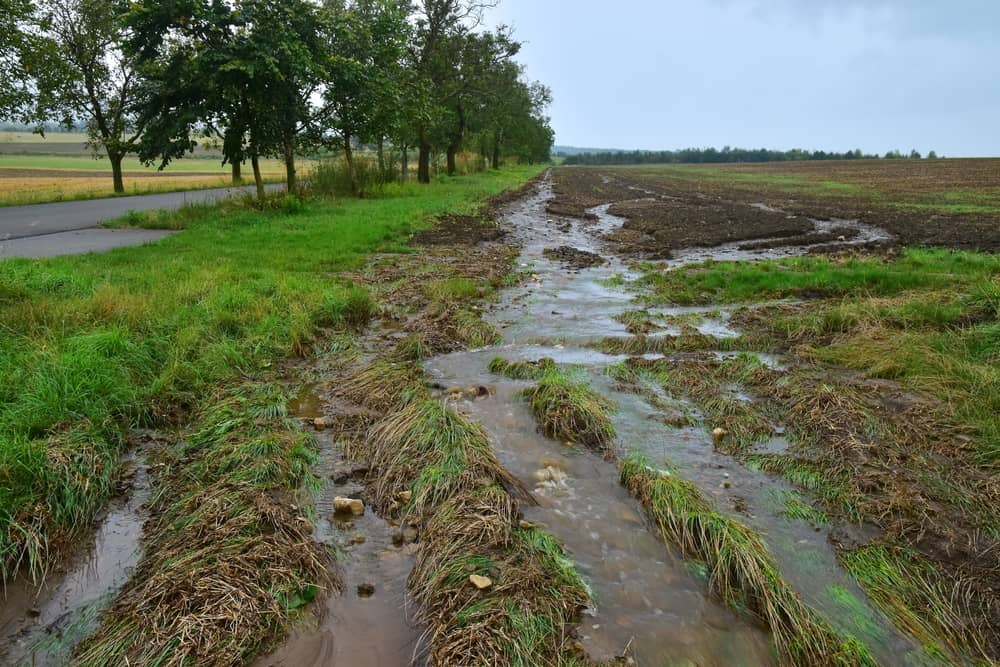
Soil erosion is a significant issue facing many homeowners, particularly those with sloped yards or living in areas prone to heavy rainfall. It occurs when topsoil is worn away by wind, water or other natural forces, leading to landscape degradation, property damage and environmental concerns.
Fortunately, natural turfgrass offers an effective and attractive solution to this problem.
What is Soil Erosion and Why It’s an Issue
Soil erosion can cause homeowners many problems. It can lead to the loss of valuable topsoil, create unsightly ruts in lawns and even compromise the structural integrity of a home's foundation.
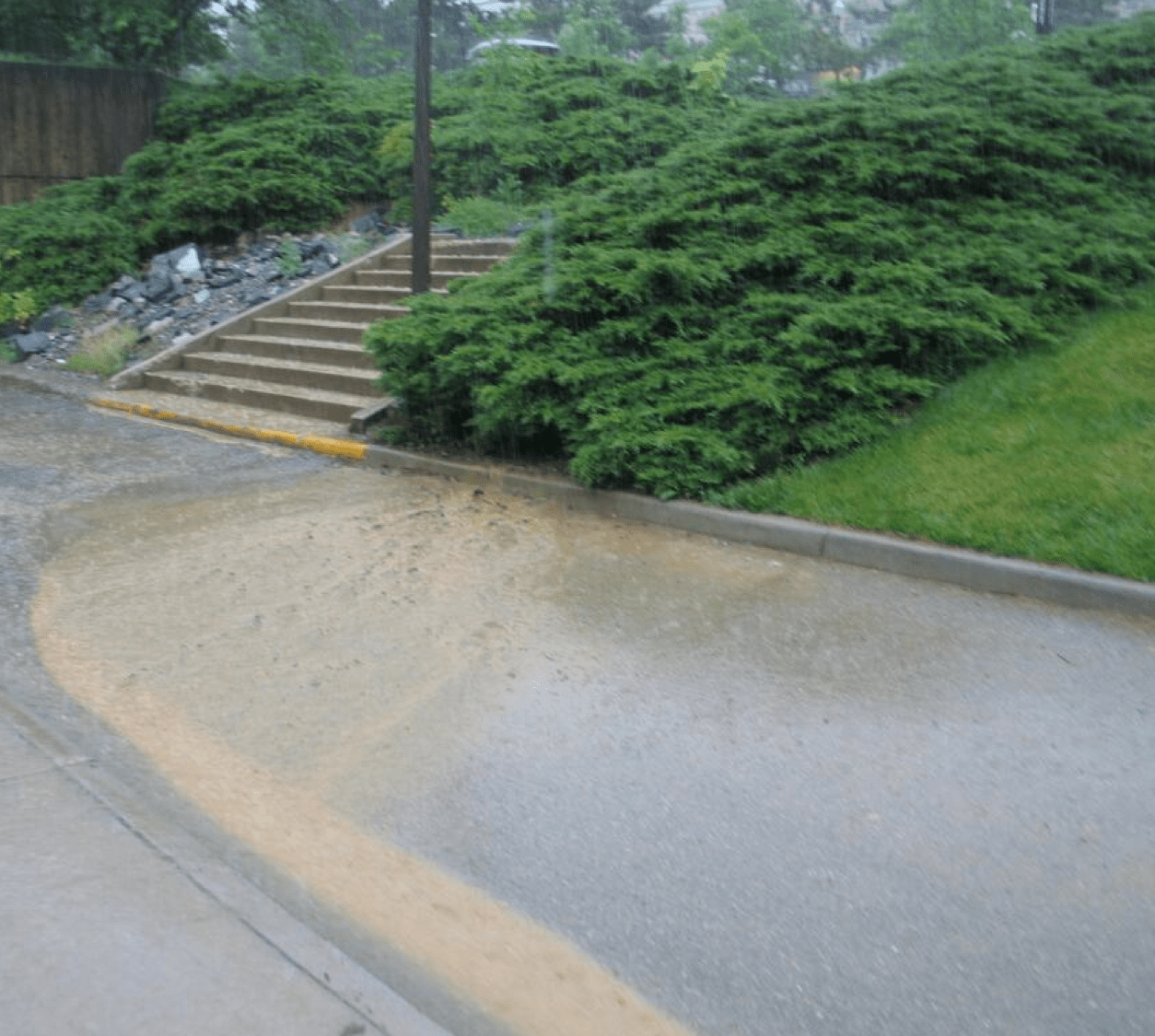
Moreover, eroded soil can clog storm drains and pollute local waterways, impacting the broader environment.
Benefits of Natural Turfgrass for Erosion Control
Natural turfgrass, especially when installed as sod, provides numerous benefits for erosion control.
1. Rapid Soil Stabilization:
Turfgrass offers immediate ground cover, stabilizing soil as soon as it's installed. This is particularly good for slopes or areas experiencing heavy runoff.
2. Enhanced Water Management:
The dense structure of turfgrass improves water absorption and infiltration, reducing surface runoff and minimizing soil displacement.
3. Strong Root System:
Turfgrass develops an expansive network of fine roots that create a fiber-like matrix, effectively holding soil in place and increasing its porosity.
4. Year-round Installation:
Certain varieties of turfgrass, like warm season grasses, can be installed throughout the year, providing continuous erosion control despite being in a state of winter dormancy.
5. Cost-effectiveness:
While initial installation costs may be higher than some alternatives, turfgrass can be more economical in the long run due to its durability and low maintenance requirements.
6. Uniform Coverage:
Turfgrass provides consistent, dense ground cover, highly effective at slowing water runoff and preventing soil displacement.
7. Versatility:
Turfgrass is a versatile solution for different landscape needs. It is suitable for various slopes and can withstand foot traffic.
Environmental Benefits
Beyond erosion control, natural turfgrass offers several environmental advantages:
1. Soil Protection:
Turfgrass acts as a stabilized perennial ground cover, protecting valuable topsoil from erosion.
2. Water Management:
The grass slows down water flow, allowing more to be absorbed into the soil and benefiting groundwater reserves.
3. Erosion Prevention:
Turfgrass leaves, stolons and rhizomes physically protect bare soil by dispersing water over a larger area, slowing water flow and aiding infiltration.
Sod vs. Seed vs. Mulch for Erosion Control
Effectiveness:
- Immediate Impact: Sod provides instant erosion control, unlike seed or mulch which require time to establish.
- Superior Performance: Research shows that sod outperforms other methods in controlling runoff and reducing soil loss.
- Long-term Efficacy: Established sod areas have been found to be up to 15 times more effective in controlling runoff than seeded areas, even after several years.
Cost Considerations:
While sod has a higher initial cost, it offers long-term savings through:
- Reduced Maintenance: Less need for ongoing erosion control efforts and fewer resources for establishment.
- Immediate Results: Instant ground cover eliminates the need for repeated erosion control measures during establishment.
- Versatility: Suitable for various conditions and seasons, offering flexibility in application.
Cost-Benefit Analysis:
For areas requiring rapid stabilization or facing severe erosion challenges, sod's immediate effectiveness and long-term performance often justify the higher initial investment.
Maintenance Tips for Long-term Erosion Control
To ensure your turfgrass continues to provide effective erosion control:
- Mow regularly, but avoid cutting more than 1/3 of the grass height at once.
- Water deeply but infrequently to encourage deep root growth.
- Aerate annually to improve water infiltration and reduce compaction.
- Overseed or plant grass plugs in bare or thin areas promptly to maintain uniform coverage.
Choosing the Right Grass
Select a grass variety suited to your local climate and soil conditions. Cool season grasses like Kentucky bluegrass or fescues are ideal for northern regions, while warm season grasses like bermuda or zoysia are better suited for southern areas. Learn more here.
Local Regulations and Incentives
Check with your local municipality or homeowners' association for any regulations regarding erosion control. Some areas offer incentives or rebates for implementing erosion control measures, including turfgrass installation.
Natural turfgrass offers an effective, attractive and environmentally friendly solution for erosion control. By understanding its benefits and proper maintenance, homeowners can protect their property while contributing to a healthier local ecosystem.