When it comes to Latitude 36 Bermudagrass vs. NorthBridge Bermudagrass, you might think you're diving into a deep turf war, but really, they're pretty similar—especially for homeowners.
Both grasses share key qualities like drought tolerance, wear tolerance, a gorgeous look, cold hardiness and disease resistance, making them reliable for most residential lawns.
If you really want to get into the nitty-gritty details, there are a few minor differences, but they’re both top-notch choices for a beautiful, hardy lawn. Here's a quick breakdown of what sets them apart, but remember—either one will work great for most homeowners.
Origins of NorthBridge and Latitude 36 Bermudagrass
Both Latitude 36 and NorthBridge were developed by Oklahoma State University, designed specifically for the U.S. transition zone where summers are hot and winters are cold. While designed to push the limits of the transition zone north, they both thrive in tropical climates as well.
These grasses are both incredibly adaptable, offering solid cold tolerance, wear resistance and good drought performance. So, for most people, it's not going to make a huge difference which one you pick.
NorthBridge vs. Latitude 36 Bermudagrass: Blade Width and Texture
✅ Winner: Latitude 36
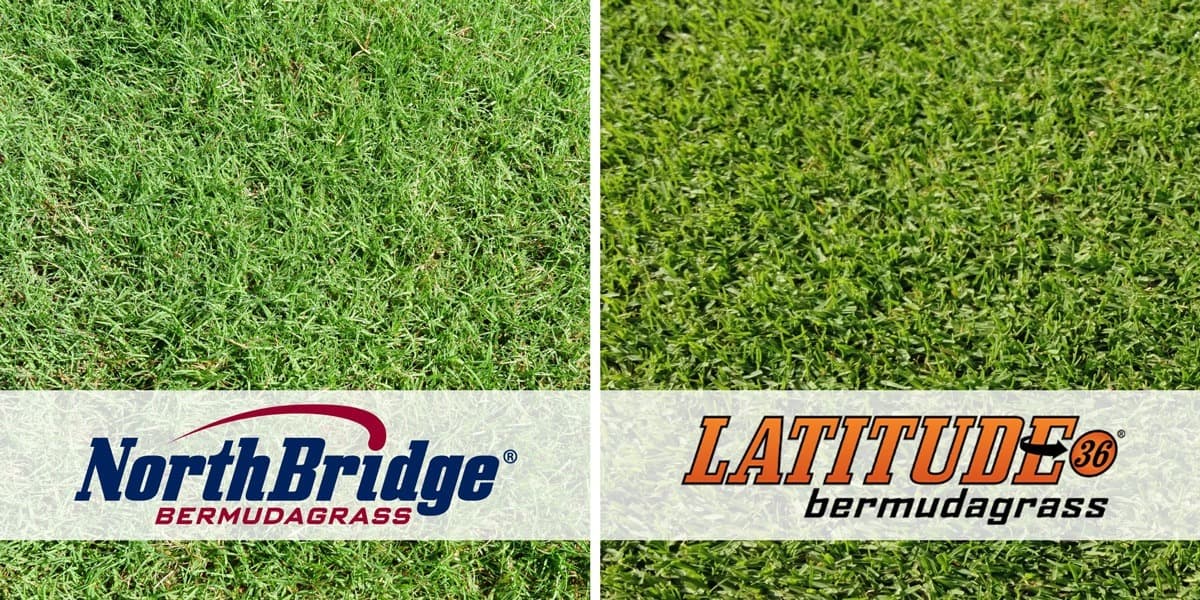
If you’re a stickler for aesthetics, you might notice that Latitude 36 has a finer, more compact blade structure, giving it a slightly smoother, more manicured look.
NorthBridge is just a tad coarser in appearance, but it’s still a fine-textured grass that looks great in most yards. So, unless you're a sports field manager or a golf course superintendent, you probably aren’t going to notice a difference.
NorthBridge vs. Latitude 36 Bermudagrass: Wear Tolerance
✅ Winner: NorthBridge
NorthBridge and Latitude are both great with wear tolerance, especially if you've got kids, pets or expect heavy foot traffic.
NorthBridge’s quick recovery from wear and tear makes it an ideal choice for high-traffic areas. That’s why you’ll find NorthBridge in major stadiums like Arrowhead Stadium (Kansas City Chiefs) and FedEx Field (Washington Commanders), proving it’s built for durability.
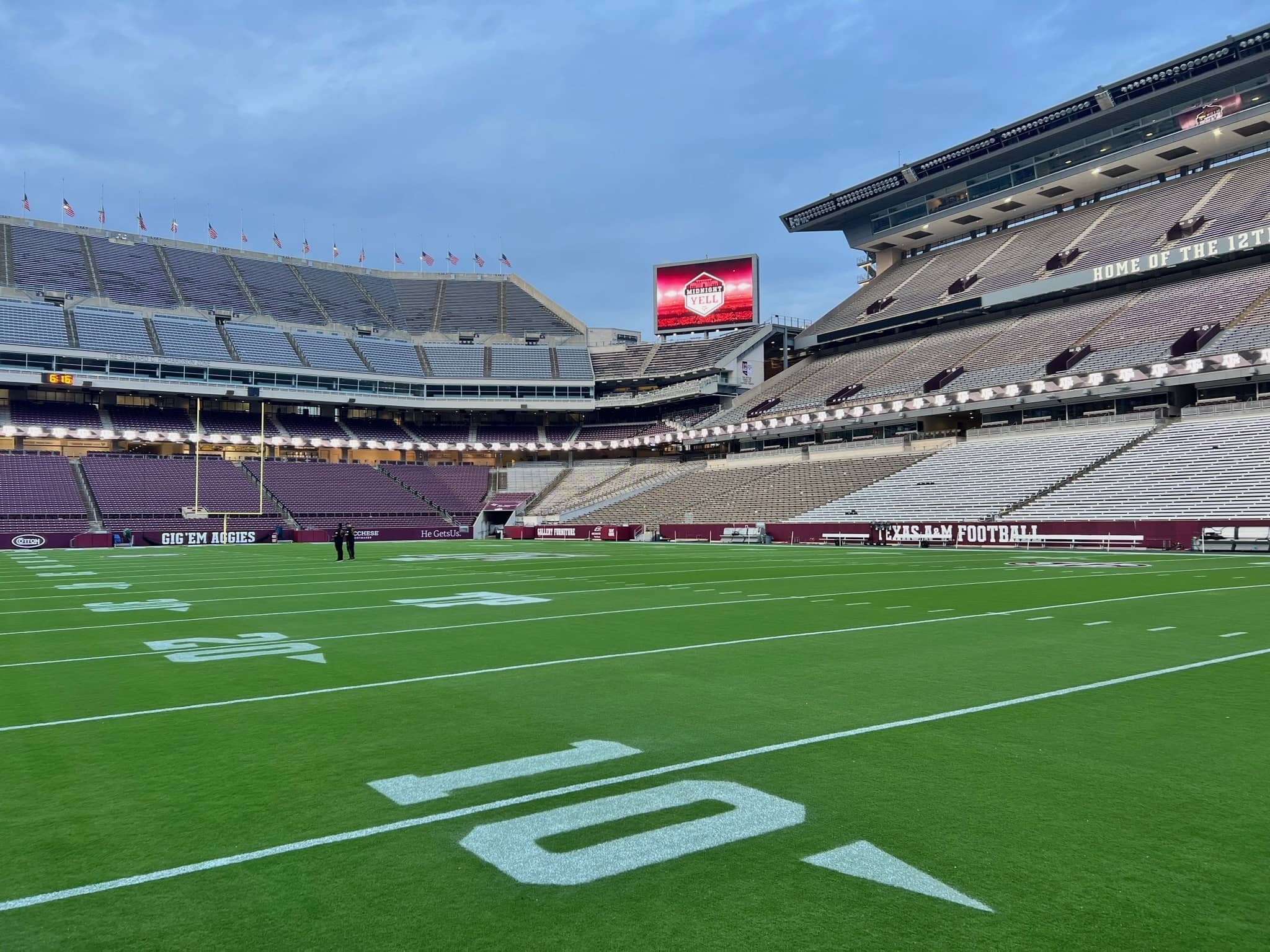
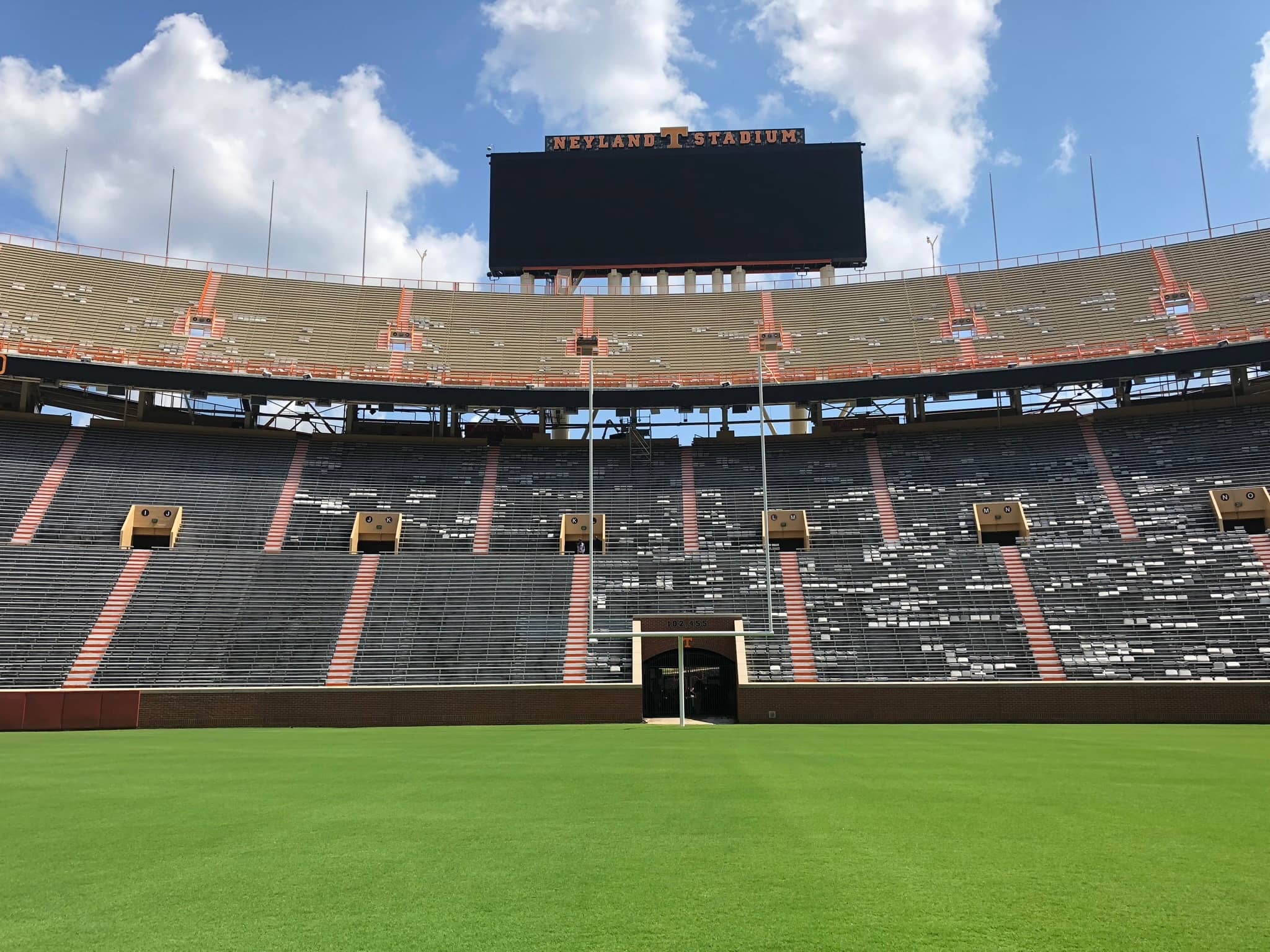
That said, Latitude 36 is right up there as well. It's also highly wear-tolerant and performs well under pressure, which is why you see it in impressive venues like Kyle Field (Texas A&M) and Neyland Stadium (Tennessee).
So while NorthBridge might have a slight advantage in wear recovery, Latitude 36 is just as tough in most situations—either grass can handle the demands of a busy lawn or even a stadium!
NorthBridge vs. Latitude 36 Bermudagrass: Cold Tolerance
✅ Winner: Tie
Both grasses are extremely cold-tolerant, which is great for anyone living in the northern parts of the transition zone. NorthBridge does tend to stay green for a while in colder months and greens up a little quicker in spring, but it's not a dramatic difference. Latitude 36 is also hardy in colder regions, holding up as far north as Philadelphia. For most homeowners, either will survive winter just fine.
NorthBridge vs. Latitude 36 Bermudagrass: Disease and Pest Resistance
✅ Winner: Tie
Latitude 36 and NorthBridge are both resistant to common turfgrass diseases, which means less worry and fewer chemical treatments for your lawn. NorthBridge’s faster recovery from damage might give it a slight advantage in maintaining a healthy lawn, but both varieties do well in this department.
NorthBridge vs. Latitude 36 Bermudagrass: Establishment Rate and Recovery
✅ Winner: NorthBridge
NorthBridge is known for its rapid recovery from damage, which makes it ideal for lawns that get a lot of use. Latitude 36 is also pretty quick to recover, but its finer texture makes it a better choice for homeowners who care more about appearance. If you need a lawn that looks good and bounces back fast, NorthBridge might be your best bet—but it’s not a night-and-day difference.
NorthBridge vs. Latitude 36 Bermudagrass: Shade Tolerance
✅ Winner: Latitude 36
Latitude 36 handles shade a bit better than NorthBridge, making it a good option if your lawn has a mix of sun and shade. NorthBridge does best in full sun but is still more shade-tolerant than many other bermuda grass varieties.
So, if your yard has a few trees or shaded spots, Latitude 36 might be a slightly better fit, but both grasses perform well in typical lawn environments.
Comparative Analysis
| Characteristic | Latitude 36 Bermudagrass | NorthBridge Bermudagrass |
| Blade Width | Fine | Fine |
| Texture | Soft | Soft |
| Density | Better | Very Good |
| Shade Tolerance | Better | Very Good |
| Recovery Rate | Very Good | Excellent |
| Maintenance | Good | Good |
| Cold Tolerance | Excellent | Excellent |
| Disease Resistance | High | High |
Is Latitude 36 Better Than NorthBridge? – Answered
In the end, both Latitude 36 and NorthBridge Bermudagrass are excellent choices, and for most homeowners, the differences are minimal. If you want a lawn that handles heavy use and recovers quickly, NorthBridge might have a slight advantage, though the difference is hardly noticeable.
On the other hand, if you're after a finer texture and better shade tolerance, Latitude 36 could be your top pick—but NorthBridge isn’t far behind. Both grasses are drought-resistant, cold-tolerant and disease-resistant, so whichever you choose, you’re making a solid decision.
And just to note—these grasses aren't only for home lawns. NorthBridge is used in stadiums like Bryant-Denny Stadium (Alabama) and Memorial Stadium (Clemson), while Latitude 36 can be found in high-profile places like Lane Stadium (Virginia Tech) and Snapdragon Stadium (San Diego State University). If it works there, it'll work in your backyard!
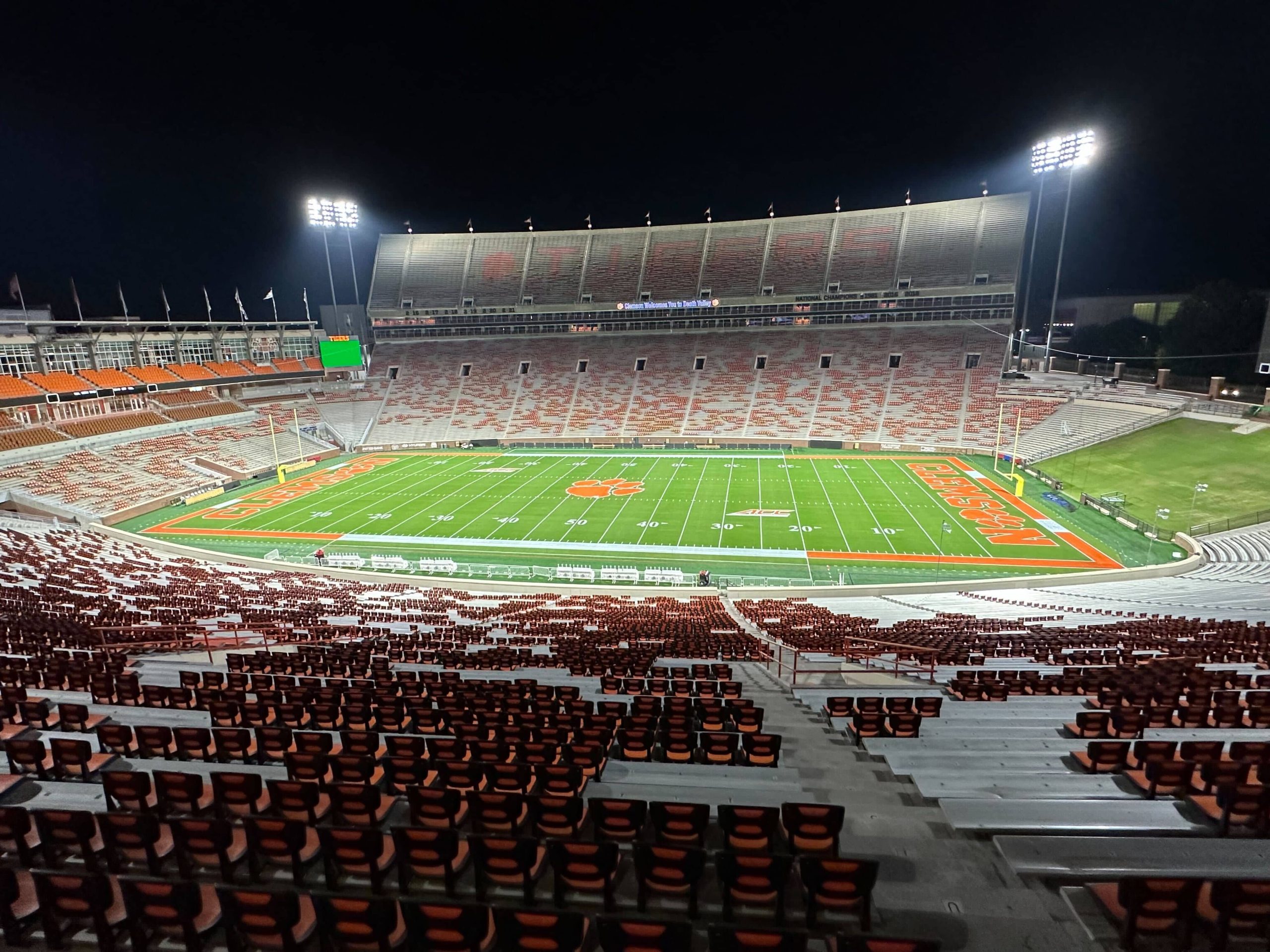
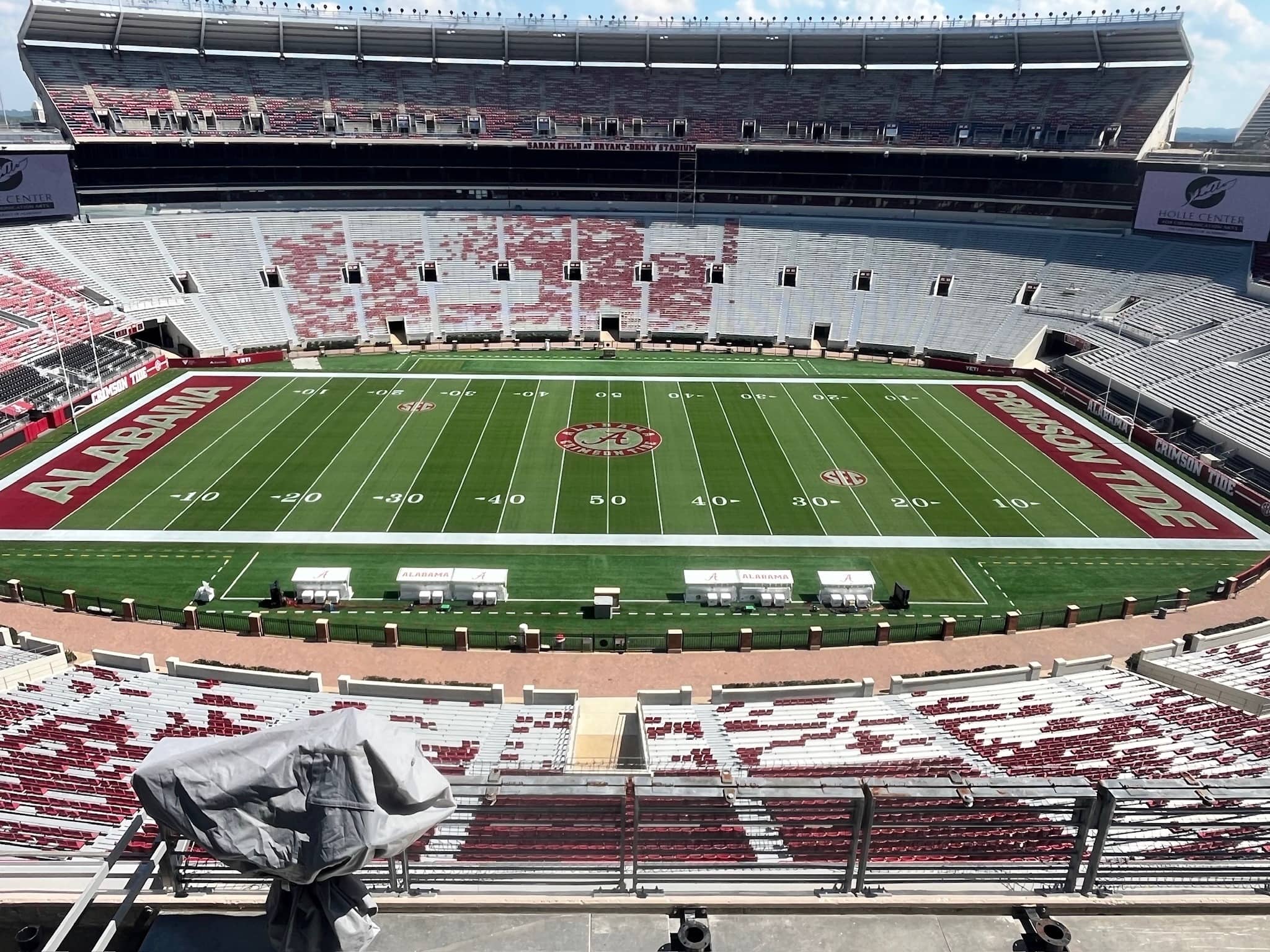
Row 1 from left to right: NorthBridge Bermudagrass on Clemson University's Memorial Stadium and Alabama's Bryant-Denny Stadium.
Row 2 from left to right: Latitude 36 Bermudagrass on Kyle Field at Teas A&M and Tennessee's Neyland Stadium.