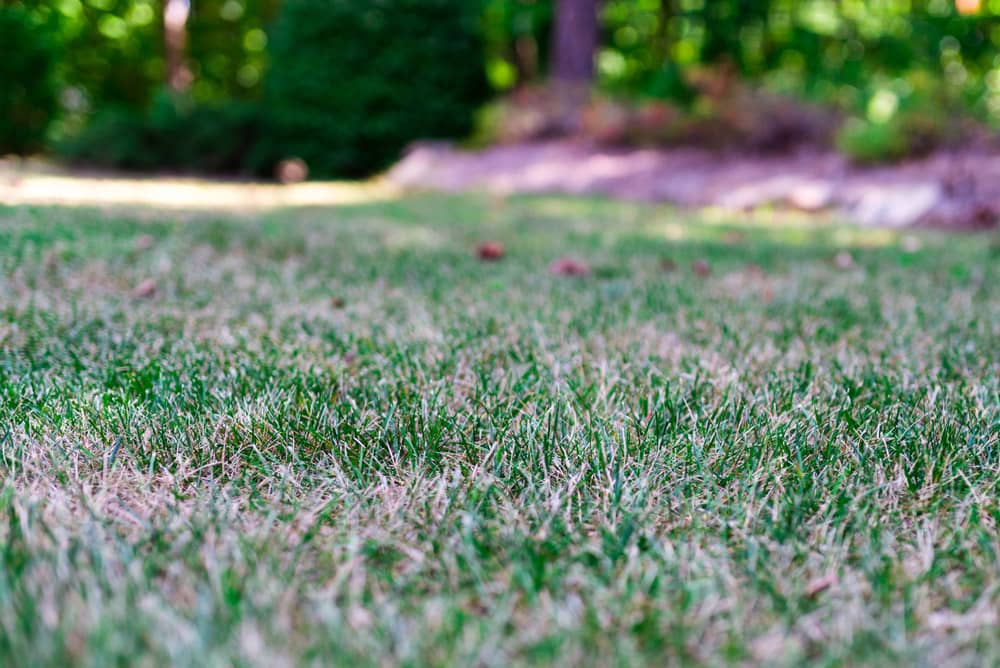
Summer rolls in, the sun beats down and suddenly your once-green grass looks like it's thrown in the towel. But before you assume it’s game over, stop and ask the question every homeowner dreads: is my lawn dead or dormant?
Understanding the difference is important for peace of mind and for your lawn’s long-term survival. Heat stress doesn’t always mean death, but it’s not something to ignore either.
Dormant vs. Dead: Is My Lawn Dead or Dormant This Summer?
During the hottest months of the year, certain types of grass can go into dormancy, which is a kind of self-protection mode. Grass will conserve energy, shut down growth and turn brown to survive drought and heat. But here’s the catch: dormancy is a warning sign, not a safe zone.
Stress is your lawn waving a flag that it’s under pressure.
If that stress continues without relief, it can tip the scale from temporary dormancy into permanent damage. That’s why it’s critical to ask: is my lawn dead or dormant? The answer determines whether it needs rescue or replacement.
- Zoysia and Bahia
- Enter dormancy during extreme heat or drought by turning brown and slowing growth.
- Very resilient—typically green back up quickly when water returns.
- Centipede grass
- Highly drought-tolerant.
- Often recovers well, though it’s unclear if it goes fully dormant.
- Paspalum
- Response varies depending on the cultivar and drought severity.
- Generally shows strong drought recovery.
- Bermuda
- Can stay green for 3–4 weeks without water.
- Eventually goes dormant, especially when temperatures exceed 90°F.
- St. Augustine
- Does not go dormant—it dies when stressed by heat or drought.
- May stay green longer than Zoysia, but browning signals real damage, not dormancy.
- Recovery is unlikely without prompt intervention.
Key takeaway: Not all brown lawns are the same. Some grasses are “sleeping” in dormancy, while others, like St. Augustine, may be on a path to irreversible damage. Knowing which is which helps you take timely action and protect your lawn. So if you find yourself wondering, is my lawn dead or dormant, remember: the type of grass tells part of the story.
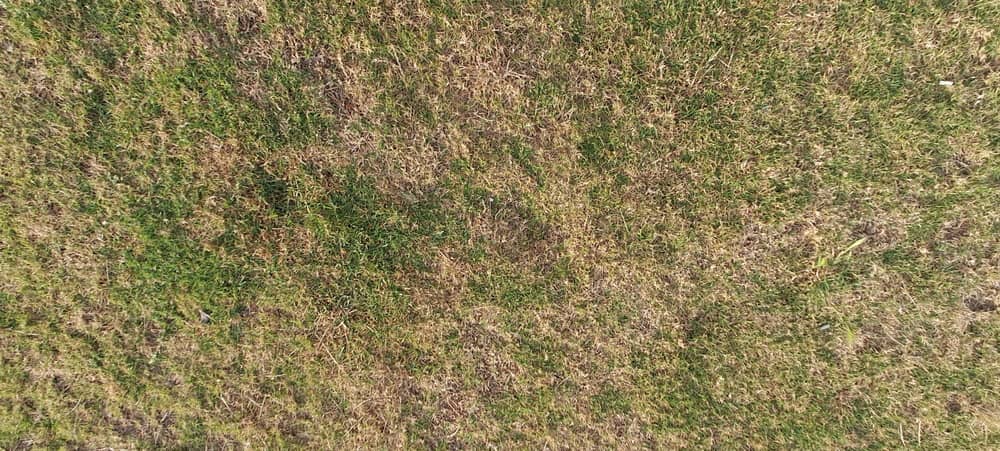
Is My Lawn Dead or Dormant? Start with the Signs
Heat stress can make any lawn look lifeless, but the signs tell a more specific story. Here’s how to decode what’s going on:
✅ Dormant Grass
- Color: Uniform straw-brown across the yard. You may see some green buried along the edges of grass near sidewalks, patios or driveways.
- Roots: Firmly attached when you tug gently.
- Texture: Dry, but not brittle.
- Response: Slight bounce when you step on it.
💡 Dormant grass is still alive and will likely recover with water and cooler temps.
⚠️ Dying Grass
- Color: Patchy browning with irregular shapes.
- Texture: Crunchy or frayed blades.
- Roots: Lawn pulls up easily in spots.
- Growth: Slowing down, thinning in areas.
💡 Dying grass is at risk but can sometimes be saved if action is taken quickly.
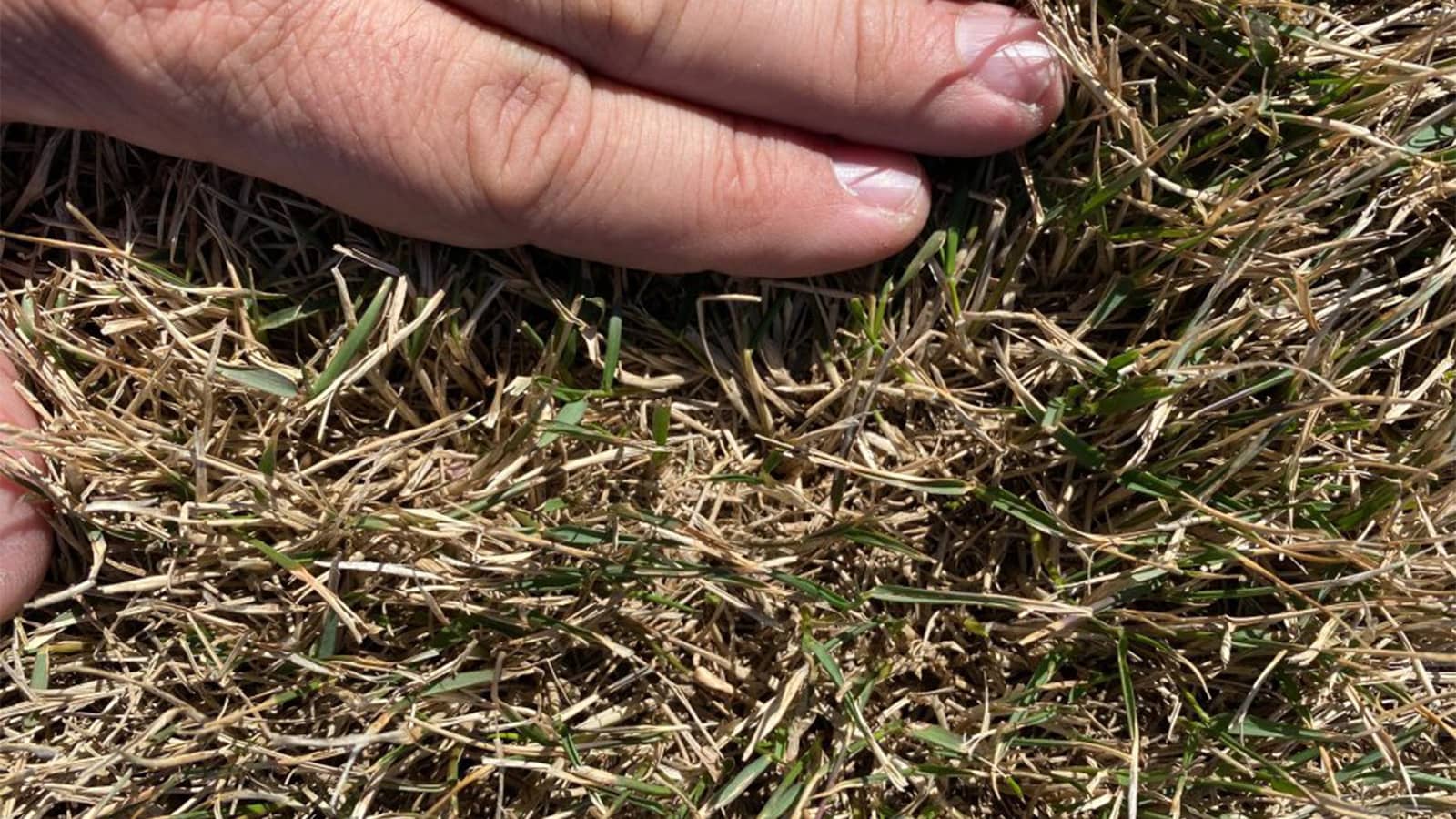
❌ Dead Grass
- Color: Gray, dusty or completely bare spots.
- Smell: Musty or sour (a sign of rot or fungus).
- Response: No rebound or growth even after consistent watering.
- Roots: Detached or disintegrating.
💡 Unfortunately, once it’s dead, it’s not coming back. You’ll need to reseed, use grass plugs or re-sod.
So next time you do the tug test or inspect the color and texture, keep that core question top of mind: is my lawn dead or dormant? Your observations could make all the difference.
What to Do Right Now
Don’t panic, but don’t wait either. Here’s what you can do today:
The Stress Test: Is My Lawn Dead or Dormant, or Just Dying?
1. Prioritize Deep Watering
- Water early in the morning (before 10 a.m.).
- Apply 1-inch of water once or twice per week to encourage deep roots.
2. Stop Fertilizing
- Fertilizers with too much nitrogen during extreme heat can burn your lawn or overstimulate growth it can't support.
3. Mow High, and Less Often
- Set mower blades to the highest setting.
- Mow only when necessary to reduce stress.
4. Prepare for Recovery
- Note any thin or bare patches.
- Plan to revive brown lawn areas with overseeding or patch repair in early fall.
Why This Matters
Even if most of your lawn bounces back from dormancy, stressed or dying sections become easy targets for:
- Weeds (like crabgrass and spurge),
- Diseases, or
- Erosion from wind or rain.
Heat-stressed lawns in August are at their most vulnerable. A little attention now can save you from a full renovation later.
If you’re asking, “Is my lawn dead or dormant?”, the answer might be: a little of both. But there’s still time to act. Follow these summer lawn care tips to stabilize your yard, minimize damage and lay the groundwork for fall recovery.
And remember: “brown” doesn’t always mean “gone.” With smart care now, your lawn can survive the summer and thrive in cooler weather, even if your grass looks dead in summer.