
While fall in Texas doesn't always bring frosts or freezes, the shift to cooler nights and shorter days signals your lawn is preparing for winter. Whether you're in North, Central, South or West Texas, adjusting your lawn care routine now ensures a healthier, greener yard come spring.
This guide walks you through what your lawn needs this fall, from soil testing to fertilization, mowing, watering, weed control, pest scouting and more.
Quick Look at What’s Ahead:
- Fall Soil Testing
- Region-Specific Fertilization
- Fall Mowing Guidelines
- Watering Adjustments
- Pre- and Post-Emergent Weed Control
- Fall Pest & Disease Scouting
- Leaf Cleanup
- Overseeding or Turf Colorants
- FAQs and Summary
Soil Testing in Fall: Start with the Soil
Fall is the perfect time to test your soil, especially in North and Central Texas. As growth slows, a soil test gives you insight into pH, nitrogen, phosphorus, potassium and micronutrients before dormancy or overseeding.
👉 Pro Tip: Use SoilKit to receive tailored nutrient recommendations.
Fertilization: Regional Strategies for Fall
Fall fertilization in Texas depends on location and grass type. Here’s how to time it right:
Regional Cutoffs:
- North Texas: Apply nitrogen-rich fertilizer for cool-season grasses like ryegrass or fescue by early October, when temps are in the 60–70 degrees Fahrenheit range.
- Central Texas: Use a balanced fertilizer (or one with higher potassium) for warm season grasses like St. Augustine or bermuda—typically before mid-to-late October.
- South Texas: Fertilization can extend into November. Focus on root development with higher potassium.
- West Texas: Fertilization is often minimal. Focus instead on water conservation and soil health.
We Recommend:
A liquid program ideal for warm season grasses prepping for dormancy and stress tolerance.
Fall Mowing & Maintenance
Growth slows, but don’t stop mowing yet. Adjust mowing height slightly to encourage deeper root growth and better winter hardiness.
| Grass Type | Recommended Fall Height |
|---|---|
| Bermuda | Slightly higher than 0.5–1.5 inches |
| Centipede | Slightly higher than 1.5–2.0 inches |
| St. Augustine | Slightly higher than 2.0–4.0 inches |
| Finer-Bladed Zoysia | Slightly higher than 0.5–1.5 inches |
| Wider-Bladed Zoysia | Slightly higher than 1.0–2.0 inches |
Mowing Tips:
- Keep blades sharp
- Never mow when grass is wet or dormant
- Leave clippings on the lawn unless there's disease
Watering in Fall: Adjust, Don’t Stop
As temperatures drop and rainfall patterns shift, overwatering can become a bigger threat than drought. Most of the time in Texas, homeowners get enough rain to not have to water again until spring. In the fall, overwatering is the biggest cause of large patch disease.
Weekly Needs:
- 1 inch per week, including rainfall
- Use a rain gauge to track natural irrigation
- Reduce frequency, but water deeply when needed
System Check:
- Perform an irrigation audit
- Clean sprinkler heads and check coverage
- Install a rain sensor if you haven’t yet
Weed Control: Pre & Post Emergent
Pre-Emergent Timing
Apply pre-emergent herbicides in early fall—at least before October—when soil temperatures drop below 70 degrees Fahrenheit to block winter weeds like henbit, chickweed, Poa annua and clover. It’s always better to apply pre-emergents early than late, so you don’t miss your application window.
Note: Skip pre-emergents if you plan to overseed. They prevent all seed germination.
Post-Emergent Treatments
For warm season grasses, use selective post-emergent herbicides and always follow the label directions carefully. If your lawn consists of St. Augustine or centipede grass—both of which are sensitive to many herbicides—opt for Hi-Yield Atrazine to effectively control existing weeds without causing damage.
Common Texas Fall Weeds:
- Chickweed
- Clover
- Henbit
- Poa annua
- Dandelion
- Dollarweed
- Nutsedge
- Hi-Yield Atrazine for centipede & St. Augustine lawns.
- SpeedZone Broadleaf Herbicide for broadleaf weeds.
- Drive XLR8 for grassy weeds.
Fall Pest Watch
Cooler temps slow grass growth but not pest activity. Stay alert—especially across Central and North Texas.
Pests to Watch For:
- Sod Webworms: Particularly active in early fall. Use NaturalGuard Spinosad to treat.
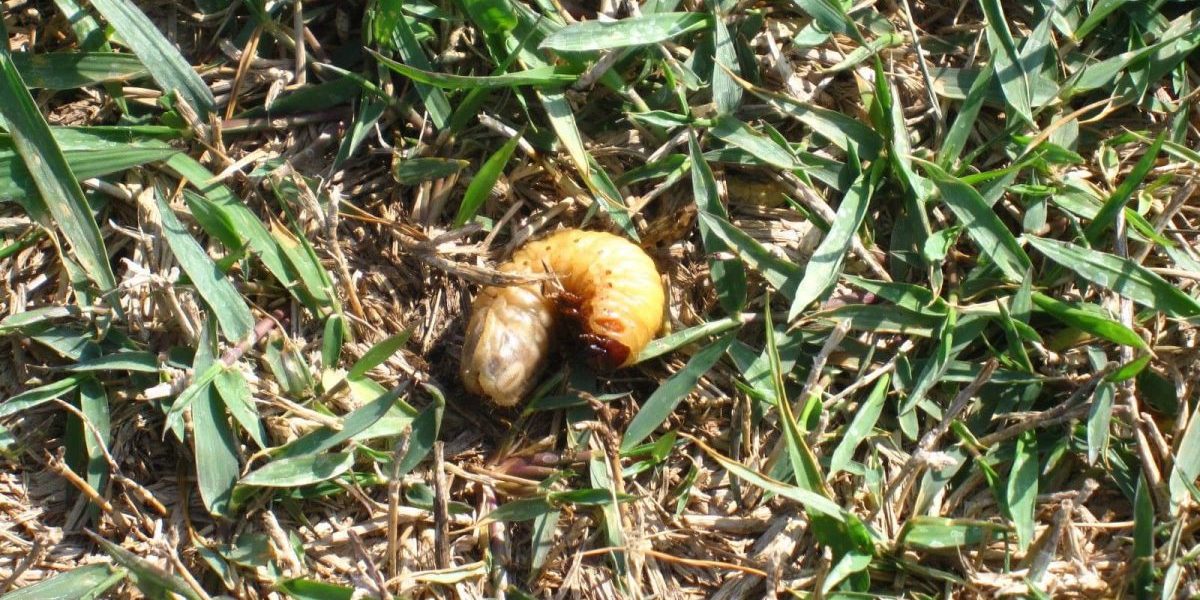
- Grubs: Feed on roots—look for spongy turf that pulls up easily. Use Dylox to treat.
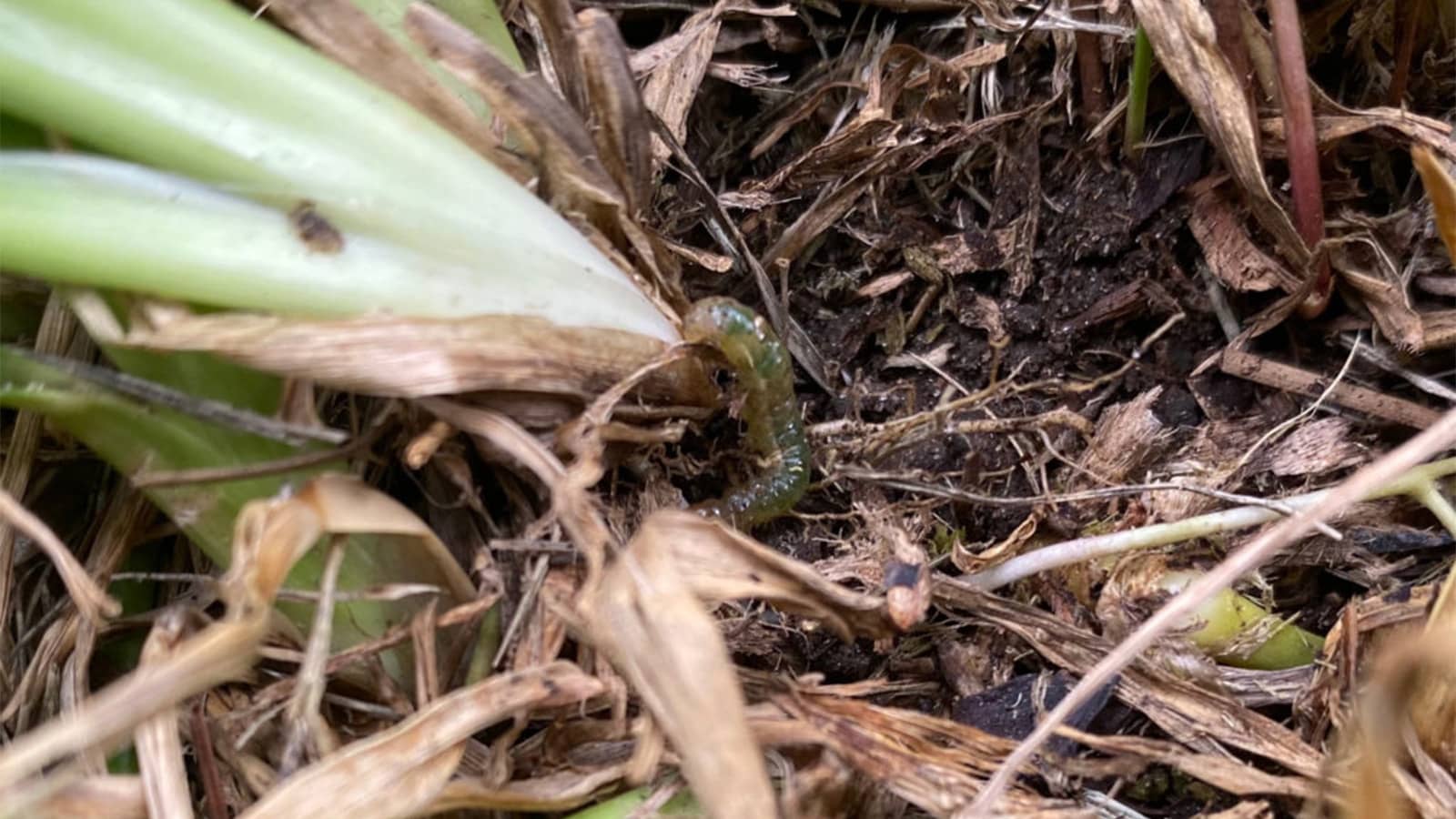
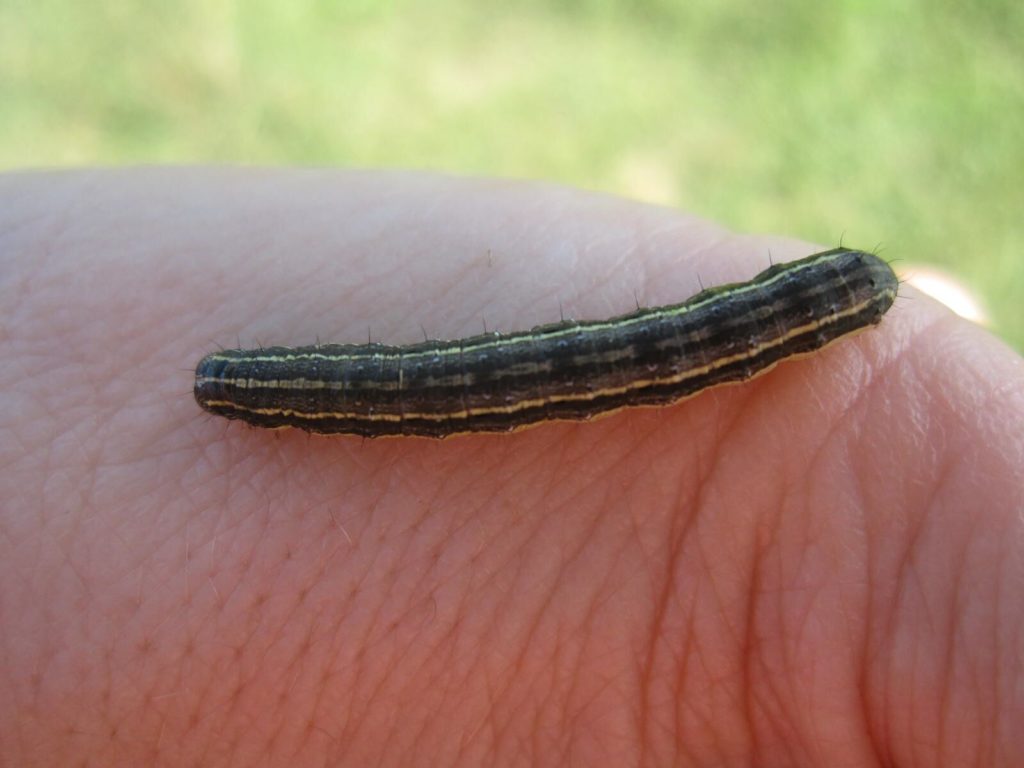
- Fall Armyworms: Cause rapid defoliation. Use NaturalGuard Spinosad to treat.
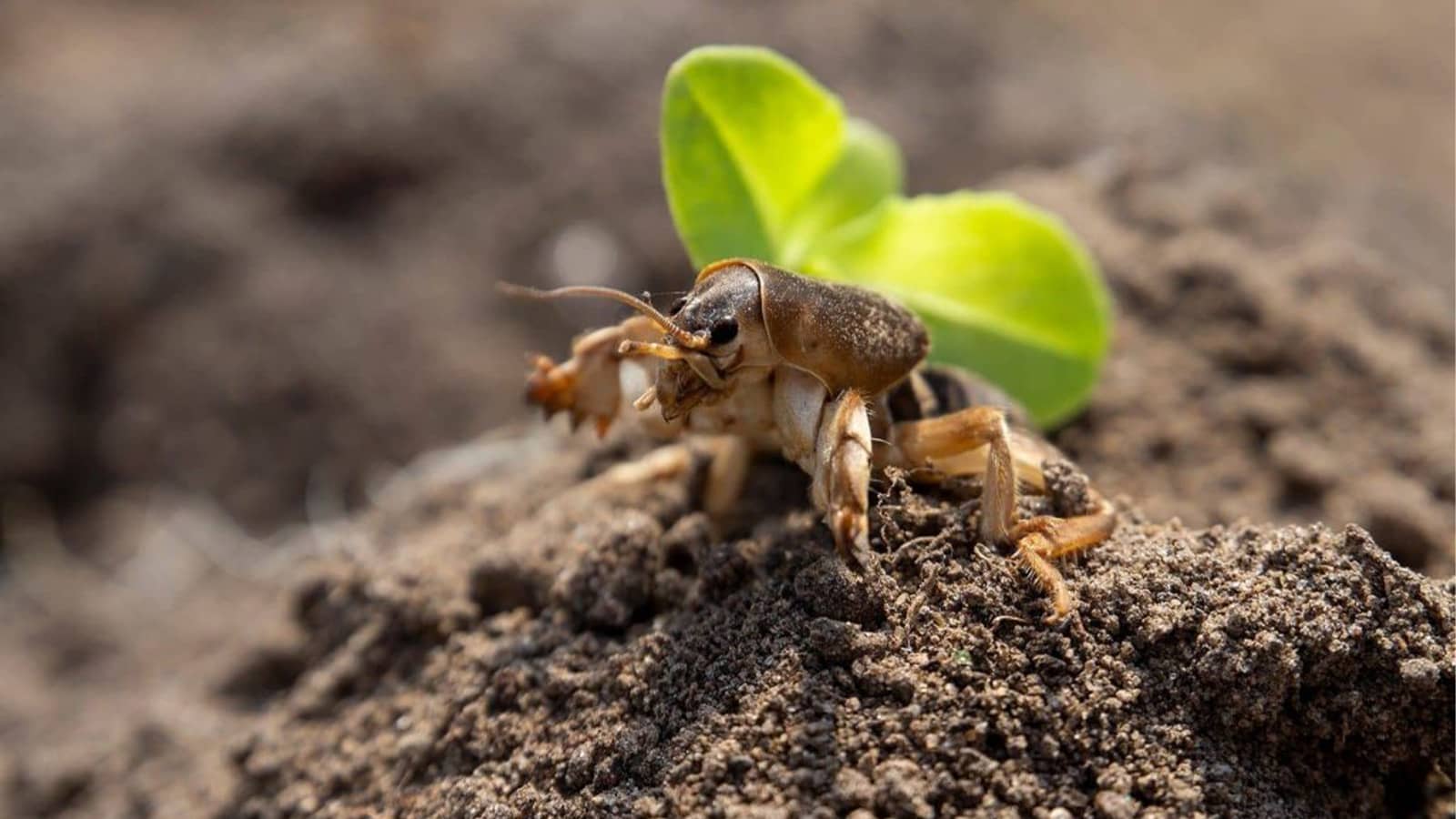
- Mole Crickets: Tunnel and uproot grass. Use Bifen XTS or Imidacloprid 0.5G to treat.
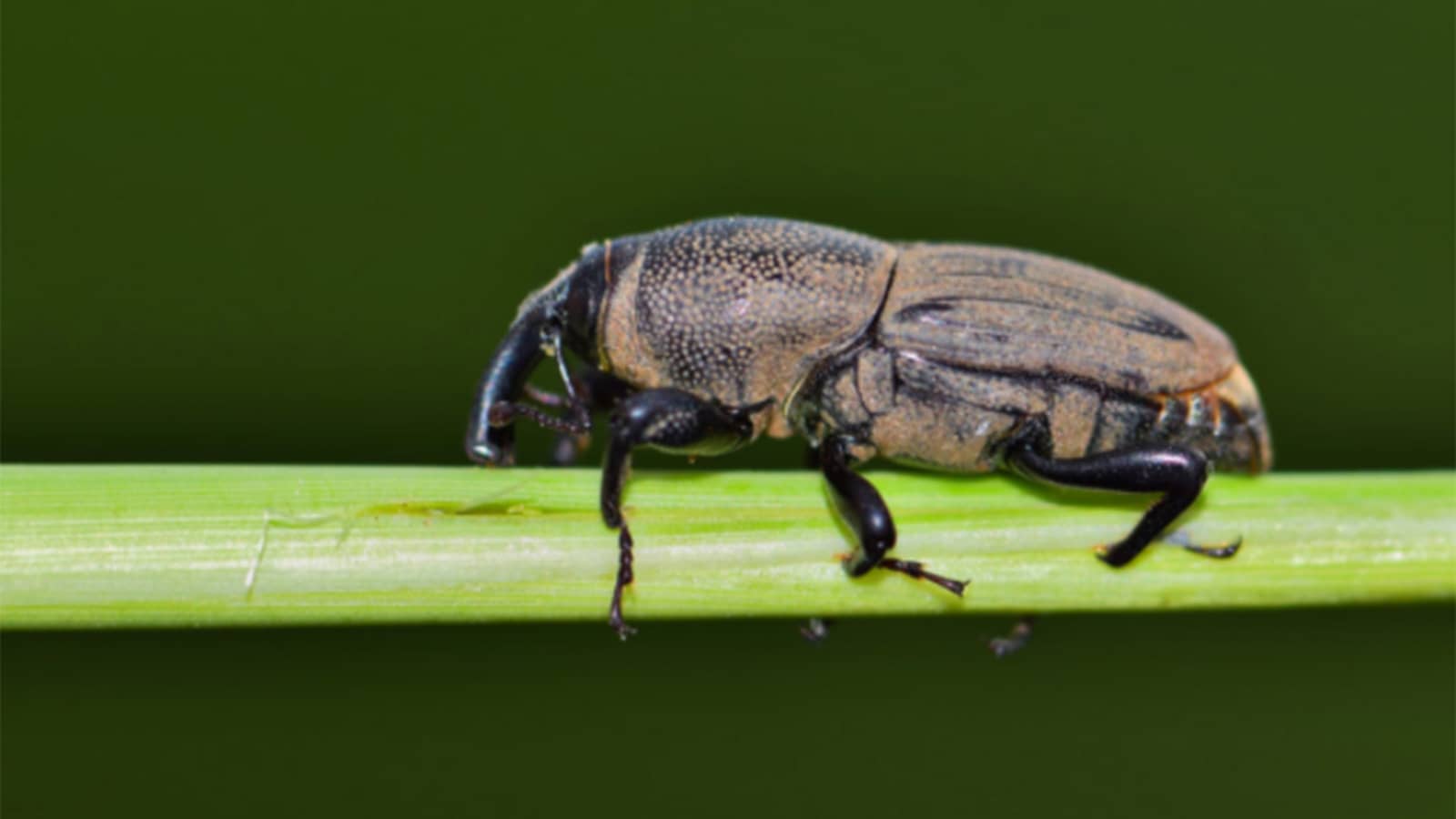
- Hunting Billbugs: Damage zoysia and bermuda roots. Use Bifen XTS or Imidacloprid 0.5G to treat.
Detection Tip: To bring pests to the surface, try a soap flush (2 tbsp. dish soap in 1 gal. water). Check out our Insect ID guide for more information.
Fall Disease Management
Warm season grasses in Texas, especially St. Augustine, are prone to large patch and gray leaf spot in fall. Be sure to rotate disease control products to keep resistance from building up.
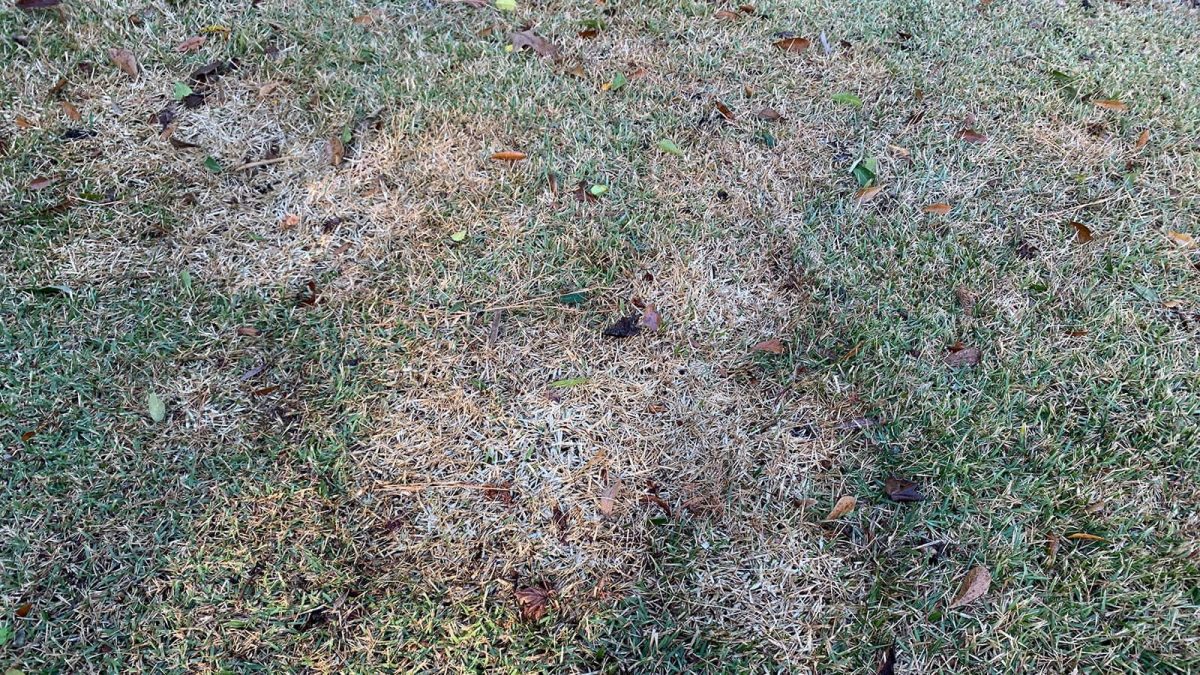
Prevention Tips:
- Avoid late-season nitrogen and overwatering
- Water early in the day
- Improve air flow and drainage
- Apply preventive fungicides if you’ve had past issues
Fall Leaves: Clear Them Regularly
Fallen leaves can suffocate grass and create disease issues if left too long.
- Rake or mulch weekly
- Avoid leaving piles in shaded areas
- Compost leaves or use them as mulch in garden beds
Overseeding or Turf Colorants
Overseeding (Primarily North Texas):
Cool season grasses like ryegrass or tall fescue help maintain winter green and turf density.
Turf Colorants (Statewide):
Great for achieving green color without overseeding—especially in South and Central Texas.
FAQs
Q: Can I fertilize in November in North Texas?
A: No—cutoff is early October. Late feeding risks frost-sensitive growth.
Q: Should I mow in December?
A: Only if needed. Mowing frequency drops, but keep turf neat through fall.
Q: Is aeration recommended in fall?
A: Only if your grass is still actively growing. Otherwise, wait until spring.
Texas Fall Lawn Care Checklist:
- ✅ Perform a soil test
- ✅ Apply fertilizer based on regional and grass needs
- ✅ Raise mower height slightly
- ✅ Water deeply, based on weather and turf type
- ✅ Apply pre-emergent (unless overseeding)
- ✅ Spot-treat visible weeds
- ✅ Scout for pests like armyworms and grubs
- ✅ Use fungicides proactively if needed
- ✅ Clear leaves weekly
- ✅ Overseed in North Texas or apply turf colorant