As the weather cools in the Carolinas and days grow shorter, it’s time for your lawn to start winding down for winter. But don’t let your guard down just yet—fall is an important time to help your grass recover from summer stress and prepare for a healthy spring.
Whether you're in the Piedmont, along the coast or nestled in the Blue Ridge Mountains, these fall lawn care strategies will help your Carolina yard stay vibrant and strong.
Quick Look at What’s Ahead:
- Soil Testing for Fall Planning
- Final Fertilization Timing
- Fall Mowing Guidelines
- Adjusted Watering Practices
- Weed Control: Pre- and Post-Emergent
- Pest & Disease Monitoring
- Leaf Cleanup
- Overseeding & Turf Colorants
- FAQs and Fall Checklist
1. Soil Testing for Smart Fall Planning
Fall is an excellent time to test your soil. After a long summer of growth and possible leaching from rain or irrigation, your lawn’s nutrient profile may need a reset.
Why Now?
A fall soil test gives you time to adjust pH, correct deficiencies and plan ahead for spring fertilization strategies.
Pro Tip: Use Soil Kit for easy-to-use, lab-based analysis tailored to Carolina lawns. You'll get detailed recommendations, including amendments ideal for clay-heavy or sandy coastal soils.
2. Fall Fertilization: Timing Matters
Warm season grasses like bermuda, zoysia, centipede and St. Augustine need help storing energy before dormancy. Fall fertilization with potassium and other nutrients strengthens roots and improves winter strength.
Timing by Region:
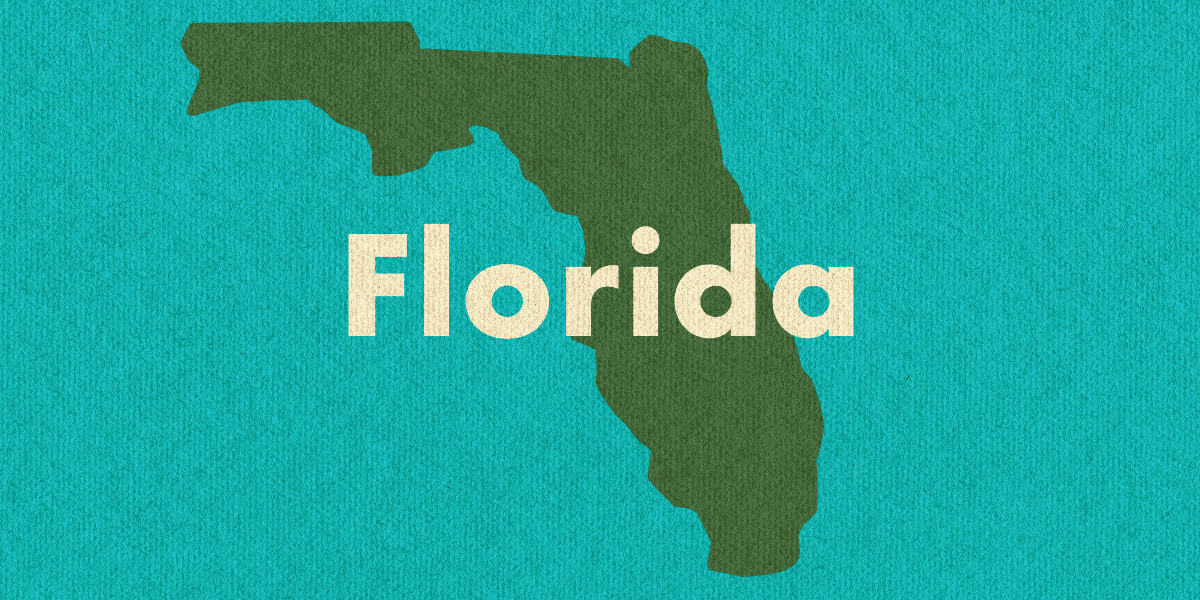
- Western NC & Upstate SC: Apply a potassium-rich fertilizer before mid-October.
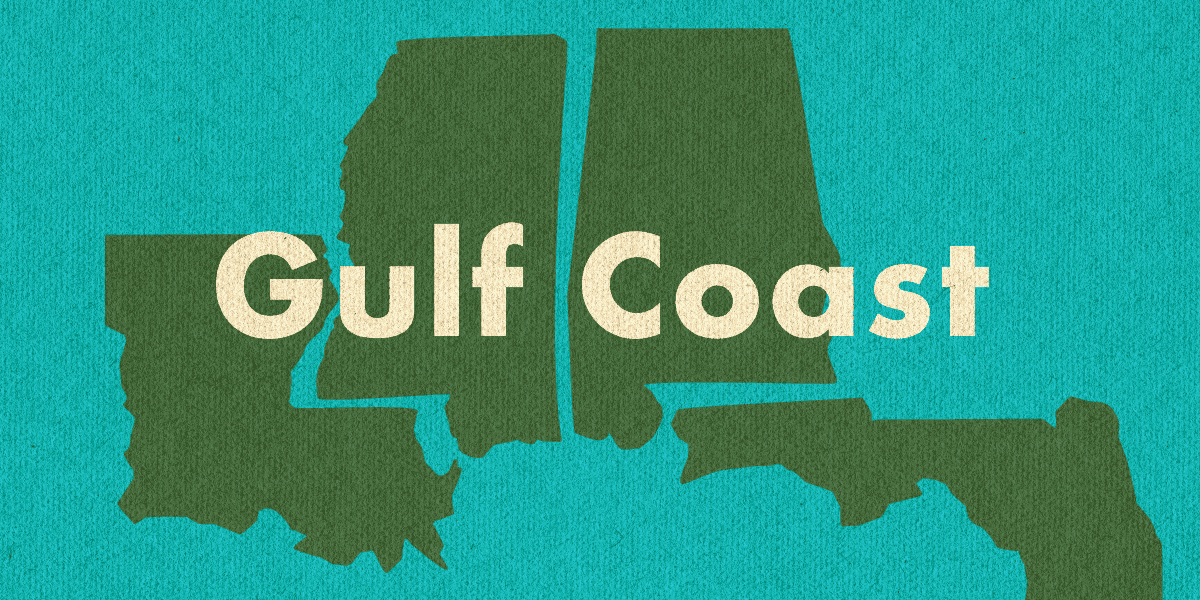
- Piedmont & Central NC/SC: Ideal application between mid-September and early October.
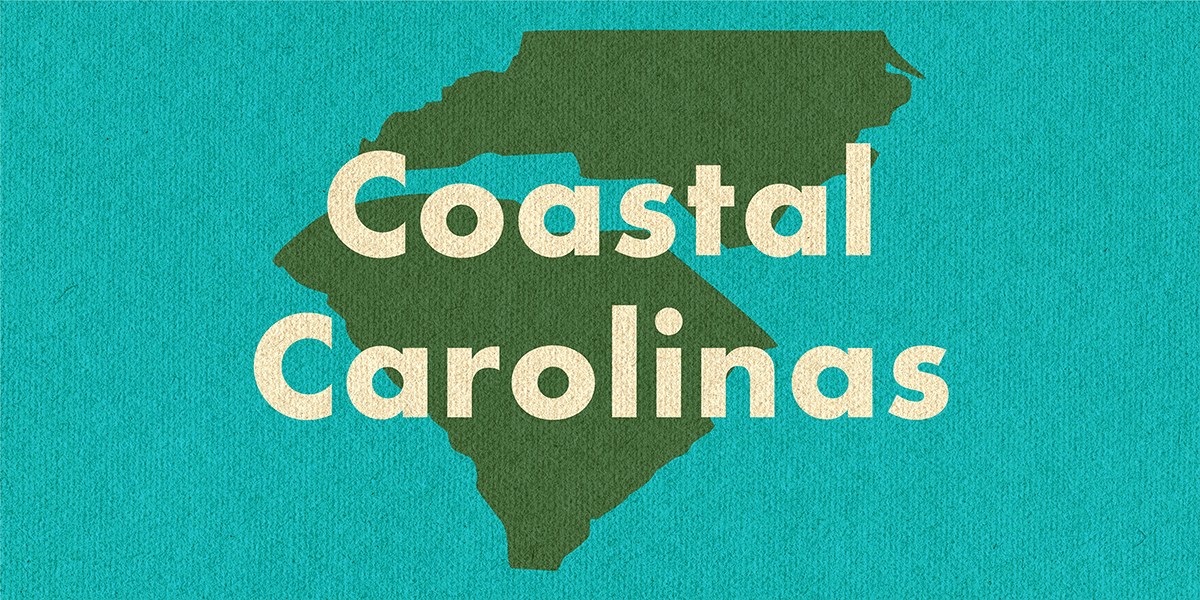
- Coastal Carolinas: You can generally fertilize through October if temperatures remain above 65 degrees Fahrenheit.
Best Product: Lawnifi Fall Fertilizer Box
A hose-applied, slow-release liquid fertilizer that enhances stress tolerance and root development. Great for warm season lawns heading into cooler months.
3. Mowing: Adjust, Don’t Abandon
Adjust your mowing frequency and height as grass grows slows to prepare the lawn for dormancy. Keeping your warm season lawn slightly higher in the fall encourages deeper root growth, helping the grass endure winter dormancy.
Be sure not to scalp your lawn in the fall, as the grass will be slower to recover throughout the winter. If you want your lawn shorter, always gradually lower the height of the cut (1/3 inch increments).
Fall Mowing Heights (Maintain Until Dormancy):
| Grass Type | Fall Mowing Height |
|---|---|
| Bermuda | Slightly higher than 0.5–1.5 inches |
| Centipede | Slightly higher than 1.5–2.0 inches |
| St. Augustine | Slightly higher than 2.0–4.0 inches |
| Zoysia (Fine-bladed) | Slightly higher than 0.5–1.5 inches |
| Zoysia (Wider-bladed) | Slightly higher than 1.0–2.0 inches |
Mowing Tips:
- Keep blades sharp to avoid tearing grass. Dull blades will rip the grass, increasing the chance for pest and disease damage.
- Avoid scalping the lawn.
- Mow dry grass only—wet blades are more susceptible to disease.
- Leave clippings unless there are signs of fungus or excess thatch.
4. Watering in the Fall: Dial It Back
Carolina lawns still need water in the fall, but not as much.
- Weekly Target: In general, water up to 1 inch per week (including rainfall). Less water is needed as temperatures lower. Some species require less water and factors such as soil type can also impact water needs.
- Water early in the morning (before 10 AM) to reduce disease risk.
- Conduct an irrigation audit—check for clogged nozzles, uneven coverage and adjust sprinkler schedules for fall.
Rain sensor tip: Install or activate a rain sensor to avoid unnecessary irrigation during autumn showers.
5. Weed Control: Strike Now
Fall is prime time to prevent winter weeds and manage what’s already sprouting.
✅ Pre-Emergent:
Apply before soil temps fall below 70 degrees Fahrenheit or less to prevent weeds like:
- Poa annua (annual bluegrass)
- Chickweed
- Henbit
- Clover
Avoid pre-emergents if you're planning to overseed.
Overseeding Warning: If you plan to overseed, do not use pre-emergents—they will prevent seed germination. Be sure to pay attention to the product label and follow instructions on the timing of overseeding after treatment.
✅ Post-Emergent:
Spot-treat visible weeds using selective herbicides. Spring and summer weeds that are not treated before the fall and winter may lie dormant and remerge the following spring and summer.
Always check labels for compatibility with your grass type—St. Augustine and centipede grasses are sensitive to many standard products.
Top Picks:
- SpeedZone Broadleaf Herbicide for broadleaf weeds.
- Drive XLR8 for grassy weeds.
- Hi-Yield Atrazine for centipede & St. Augustine lawns.
6. Fall Pest Watch
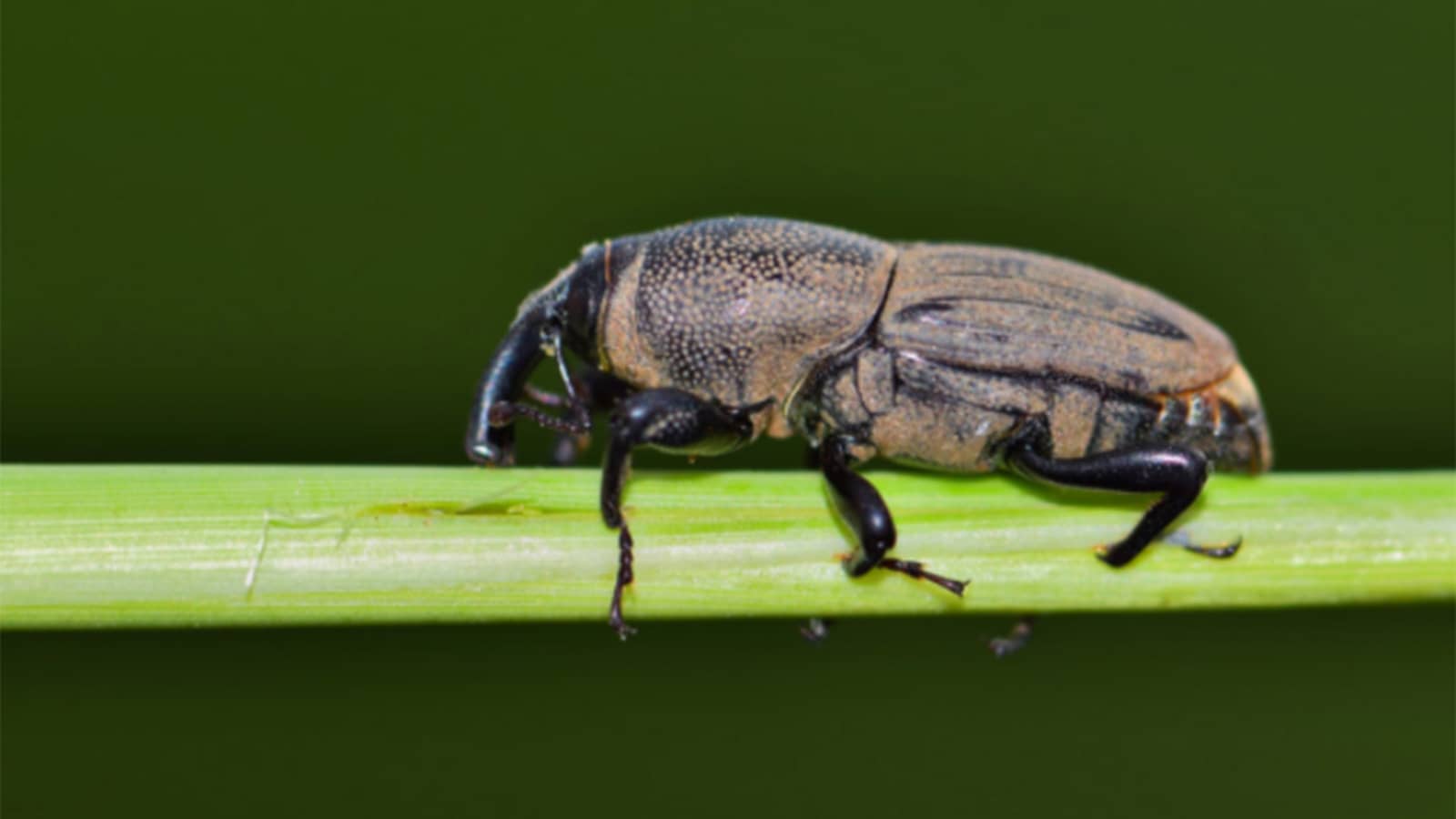
Even though grass growth slows, pests remain active—especially in the Carolinas’ mild fall conditions.
Common Fall Pests:
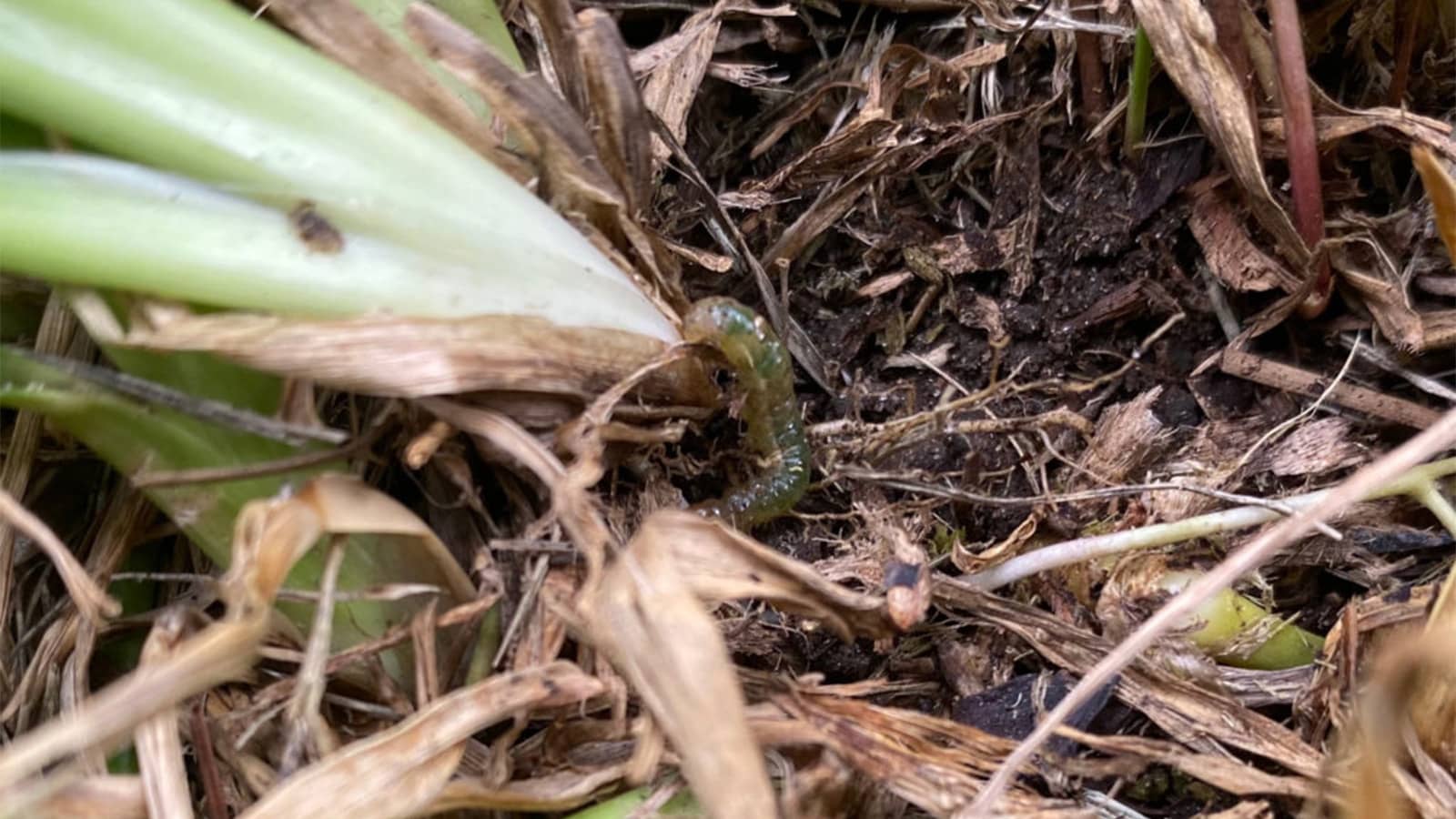
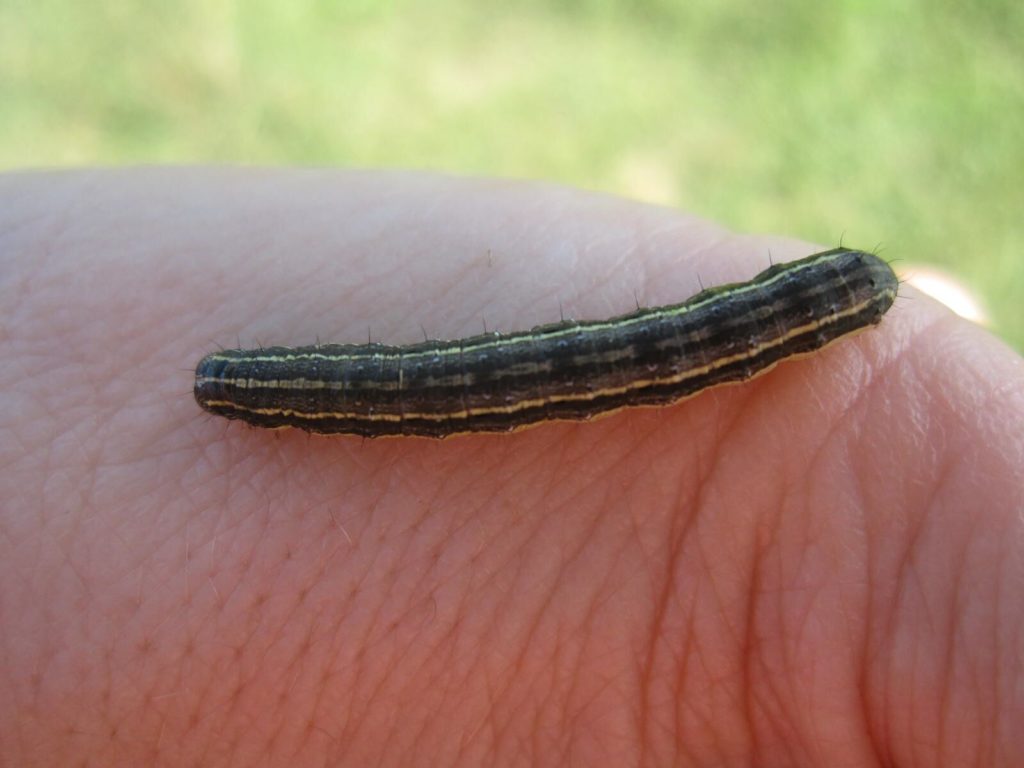
- Fall Armyworms – chew through blades fast. Use NaturalGuard Spinosad.
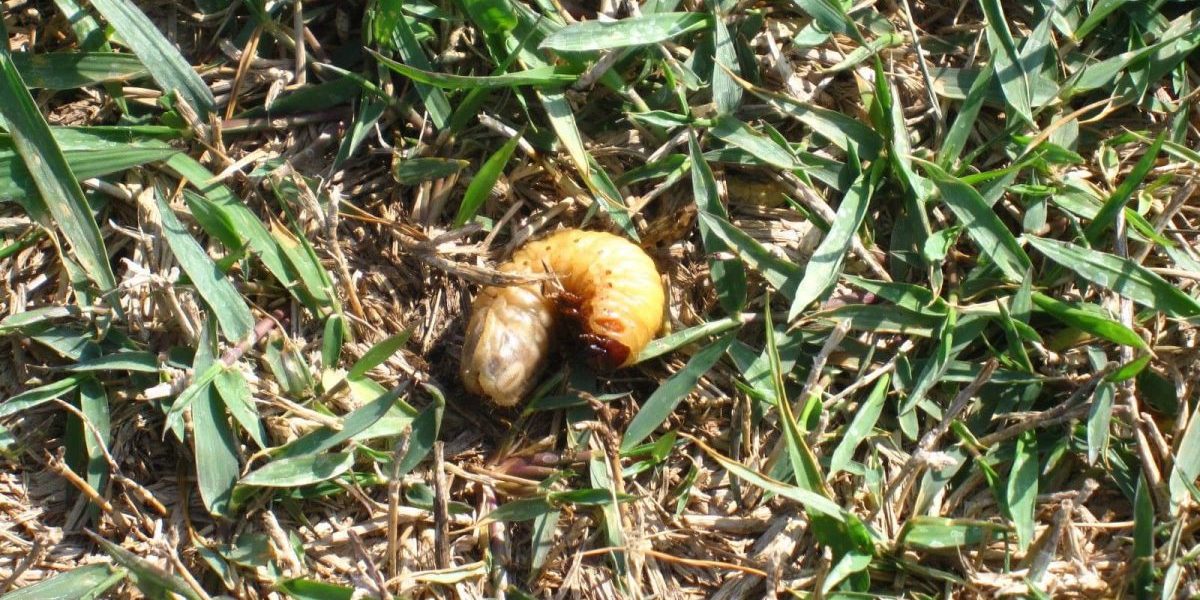
- Grubs – feed on roots, causing spongy patches. Use Dylox.
- Sod Webworms – feed on blades at night. Use NaturalGuard Spinosad.
- Chinch Bugs – still active in warm spots. Use Bifen XTS.
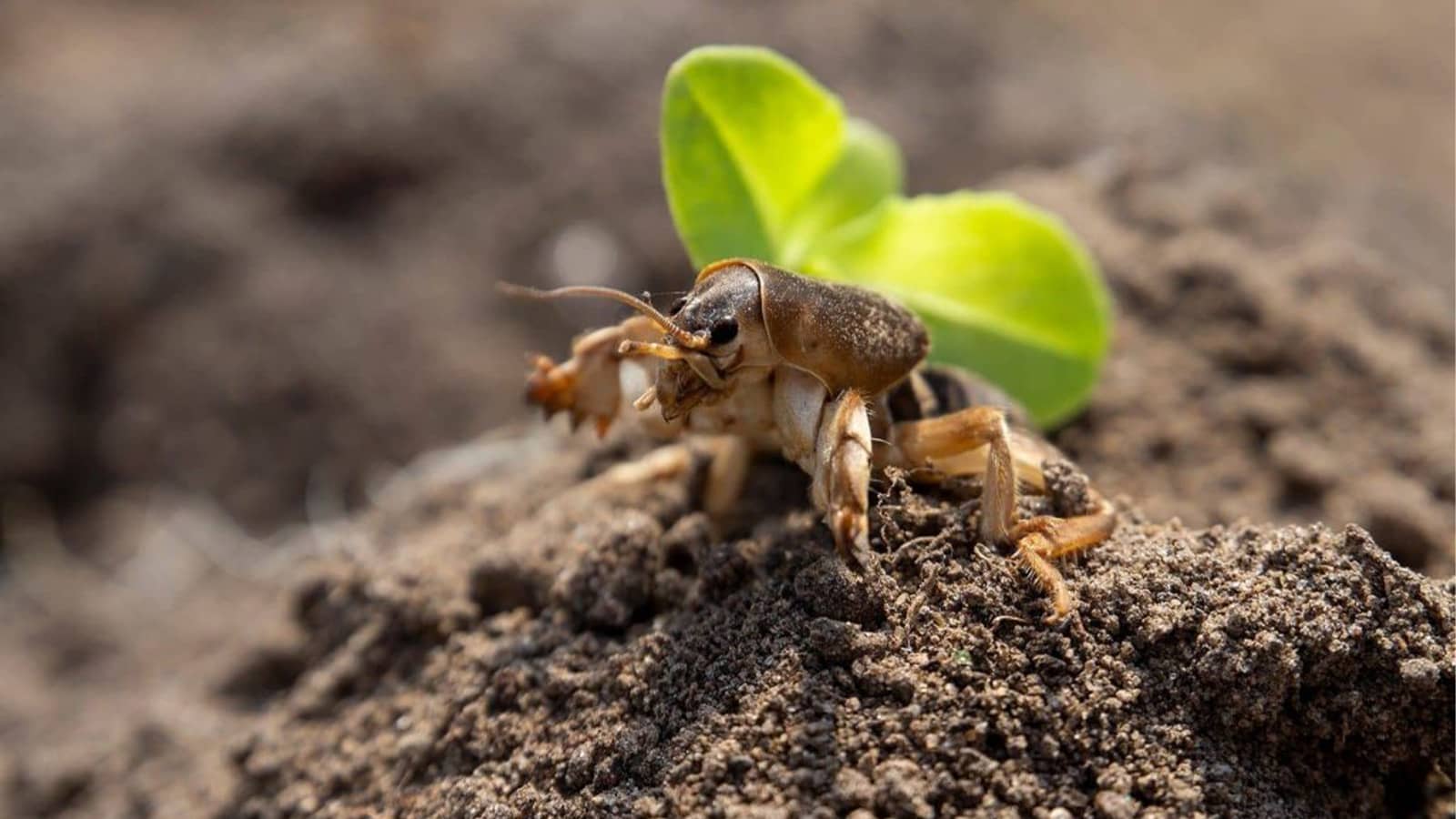
- Mole Crickets – tunnel through soil. Use Bifen XTS or Imidacloprid 0.5G.
Detection Tip: Perform a soap flush to bring pests to the surface (2 tbsp dish soap in 1 gal water). Check out our Insect ID guide for more information.
7. Fall Disease Management
Cool, wet conditions make Carolina lawns susceptible to disease outbreaks.
Common Fall Diseases:
- Large Patch - circular areas of yellow or brown.
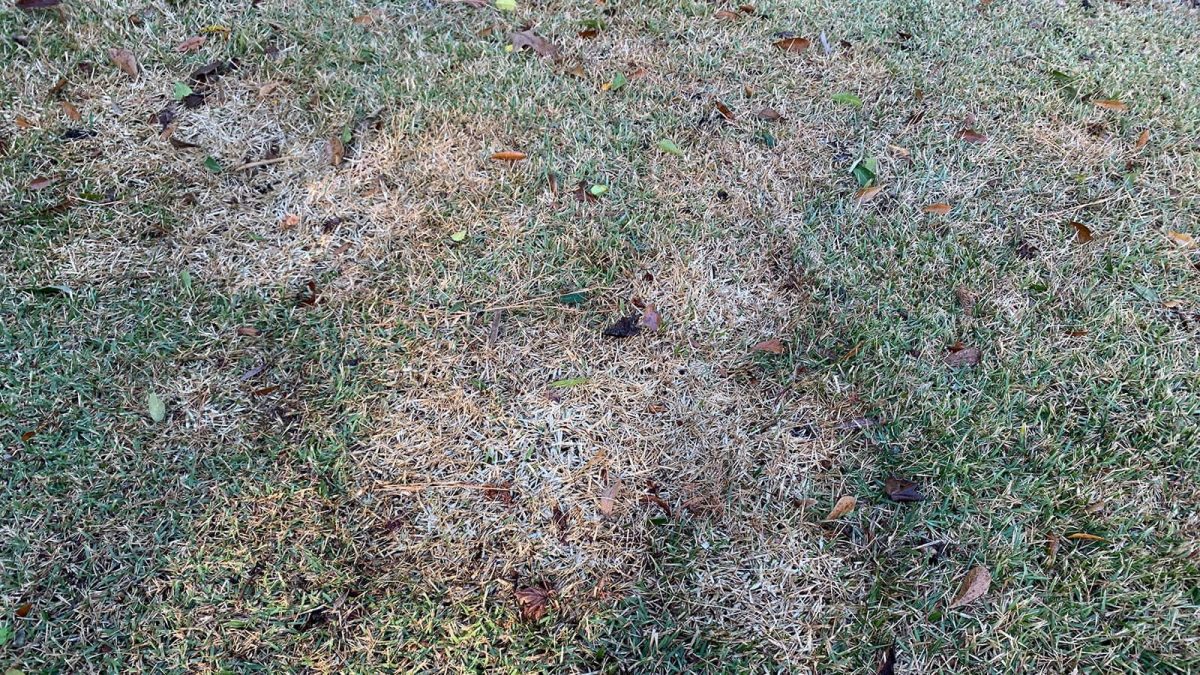
Prevention Tips:
- Avoid late-season nitrogen.
- Water in the morning only.
- Improve airflow (prune nearby shrubs).
- Use systemic fungicides (e.g. Azoxystrobin).
8. Leaf Removal: Stay Consistent
Leaves block sunlight, hold in moisture and invite disease. Don’t let them pile up.
Leaf Cleanup Tips:
- Mulch with a mower or rake weekly.
- Remove excess debris, especially in shady areas.
- Compost healthy leaves or use as mulch around trees and beds.
9. Overseeding or Turf Colorants (Optional)
Fall overseeding is rare in warm season lawns but can be used for temporary color—primarily for bermuda grass lawns.
Best For:
- Piedmont/Western NC: Overseed with ryegrass for green winter coverage.
- Coastal/SC Lowcountry: Try turf colorants instead—no seed, just spray for green winter curb appeal.
Fall FAQs
Q: Can I fertilize in November in the Carolinas?
A: Only in the coastal areas if temperatures remain warm. Inland regions should stop by mid-October.
Q: Should I aerate in fall?
A: Not recommended for warm season grasses unless they’re still actively growing. Save it for spring.
Q: When should I stop mowing?
A: When the grass goes dormant and stops growing, usually after the first frost in your area.
✅ Fall Lawn Care Checklist for the Carolinas:
- Consider overseeding or turf colorants if desired
- Perform a soil test
- Apply potassium-rich fall fertilizer by region
- Raise mower height slightly and mow as needed
- Water deeply but less frequently
- Apply fall pre-emergent before soil dips below 70 degrees Fahrenheit
- Spot-treat visible weeds with selective herbicides
- Monitor for pests and treat early
- Use fungicides preventively if you’ve had issues
- Remove leaves weekly